


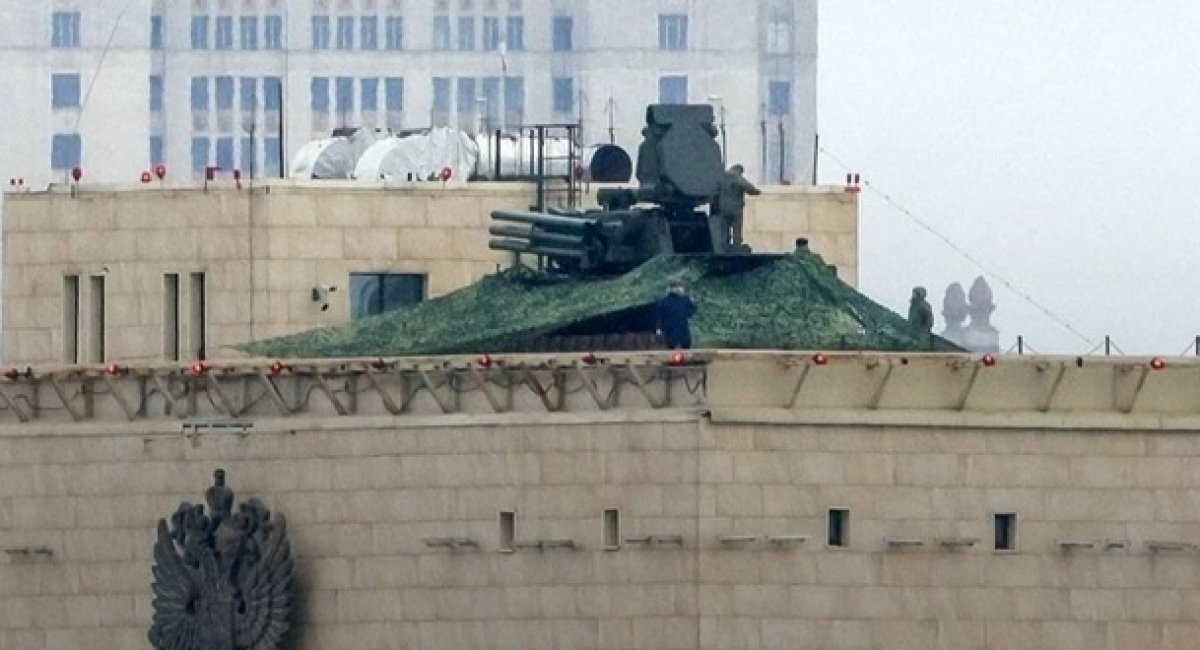
A recently published video showed a Mi-26T heavy-lift helicopter installing a Pantsir-SMD-E air defense system on the roof of the Nord Star business center. The footage provides a useful opportunity to examine how many Pantsir systems russia has already positioned on rooftops throughout Moscow as it continues to strengthen the capital's air defenses.
The first such deployments became publicly known in 2023. A Pantsir-S1 air defense missile and gun system was installed on the roof of the russian Ministry of Defense building southwest of the Kremlin. Around the same time, another Pantsir was placed on top of an office building southeast of the Kremlin.
Read more: russia Is Rapidly Placing Pantsir-SMD-E Air Defense Systems on Civilian Building Rooftops in Moscow to Counter Ukrainian Drones
Mil Mi-26T.. heavy transport helicopter.Pantsir-SMD" ADMS?"chegara.siz" pic.twitter.com/WEAwTKQLsg— Massimo Frantarelli (@MrFrantarelli) May 27, 2026
Later that year, the headquarters of russia's Ministry of Internal Affairs, located north of the Kremlin, also received a rooftop Pantsir system. With the newly spotted Pantsir-SMD-E at the Nord Star business center, at least four Pantsir systems are now known to be deployed on rooftops in Moscow.
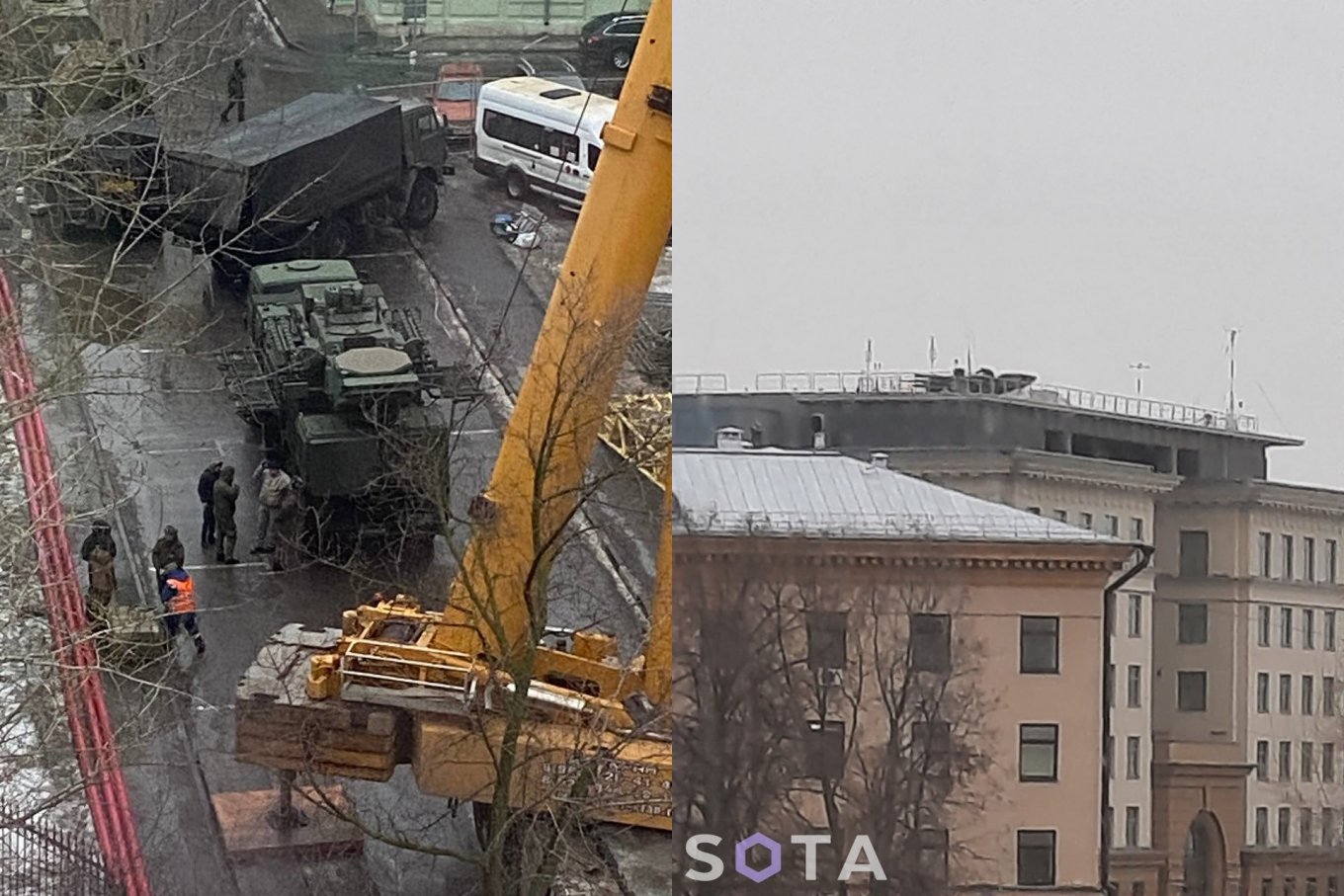
Since three of these systems appeared in 2023 and another has been added only recently, it is entirely possible that additional rooftop deployments will follow.
More broadly, russia has established two defensive rings of air defense systems around Moscow, including Pantsir systems positioned on what could be described as a modern-day equivalent of World War II flak towers. In recent months, reports have indicated that a third and even larger defensive belt is being formed to cover both Moscow and its surrounding areas.
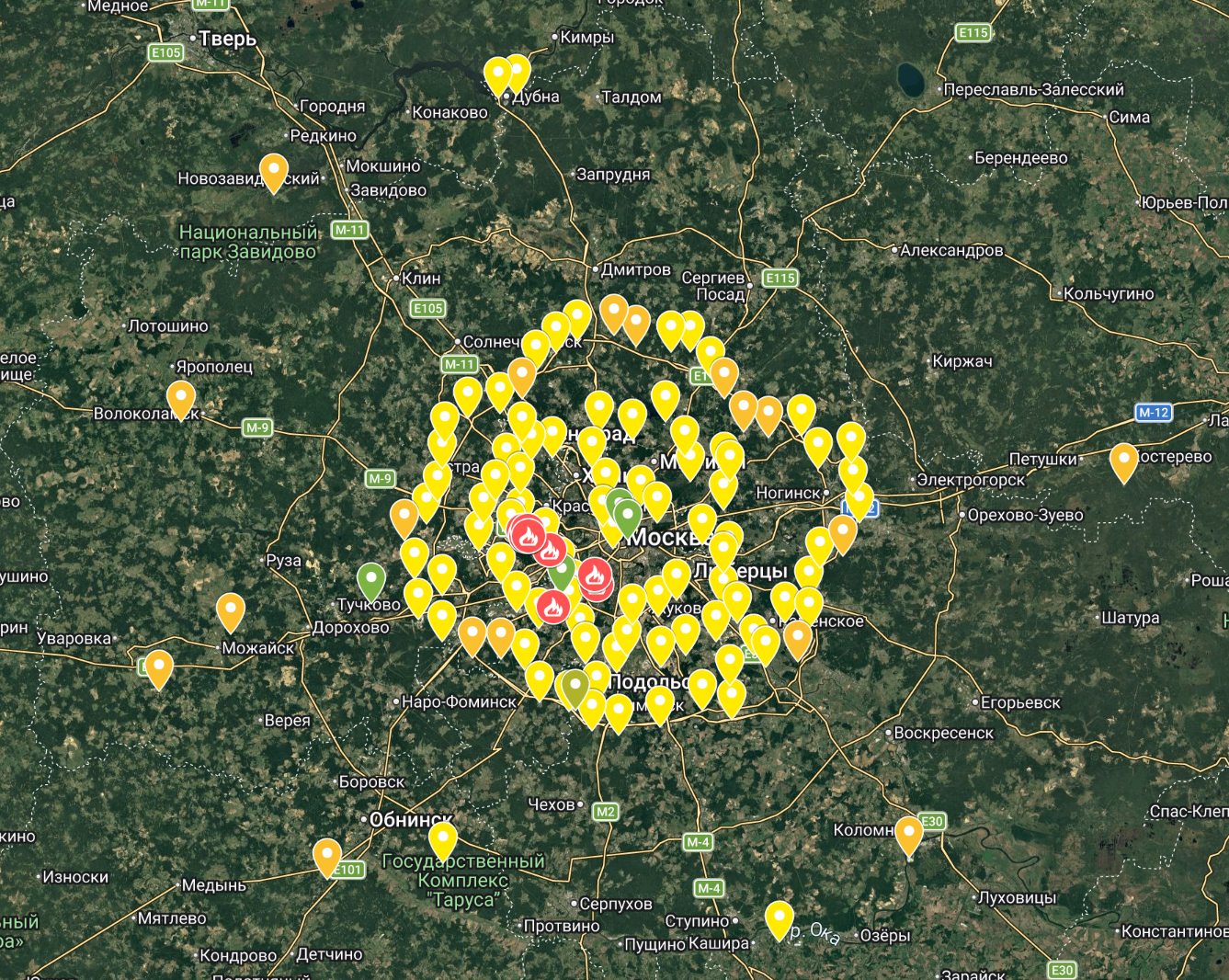
The location of these rooftop systems is particularly noteworthy. All four known Pantsir deployments are positioned around the Kremlin, effectively creating another layer of air defense dedicated to protecting the political center of russia.
It is also important to note that deploying military air defense assets on civilian buildings raises serious concerns under international humanitarian law and may turn those structures into legitimate military objectives.
Operating Pantsir systems in densely populated urban areas also creates additional risks for civilians. The danger comes not only from falling debris after interceptions but also from the characteristics of the system itself. Pantsir missiles use booster stages that separate after launch and fall uncontrolled to the ground. Combined with the inherent risks of air defense operations in urban areas, this increases the potential danger to nearby civilians.
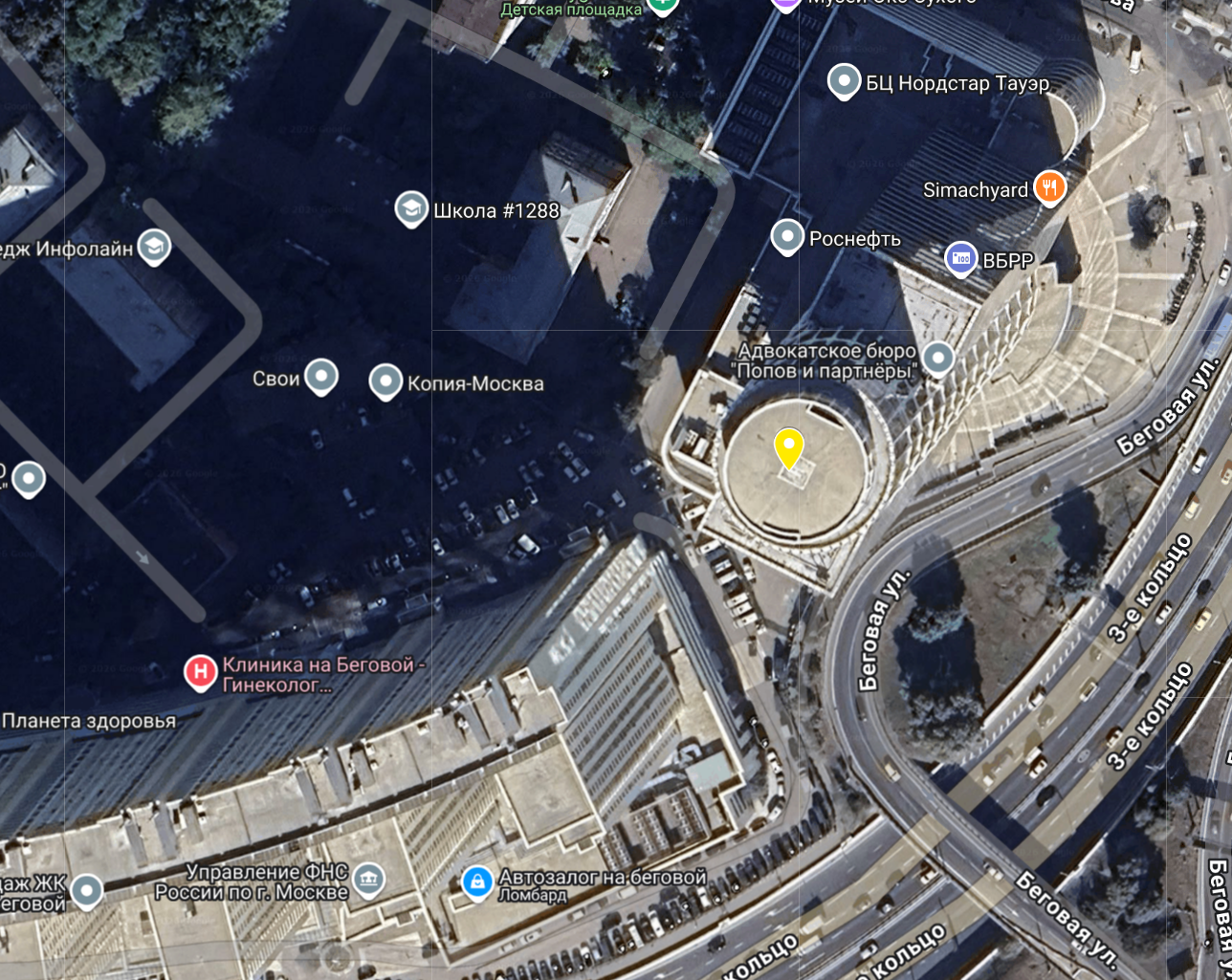
The recently installed Pantsir-SMD-E at the Nord Star business center is a particularly striking example. The building is located directly adjacent to both a residential building and a school. If the air defense system were struck, debris could fall into the surrounding civilian area, including school grounds.
At the same time, russia has repeatedly demonstrated a willingness to accept such risks. Civilian safety concerns have not prevented the deployment of air defense systems in urban environments, and similar issues have arisen in other cases involving russian military activity. As a result, placing air defense assets on civilian structures has become an increasingly visible element of Moscow's defensive posture.
Read more: russia Creates New Ka-29 Helicopter Regiment Protect Northern Fleet Against Ukrainian Drones 2,500 km from Ukraine