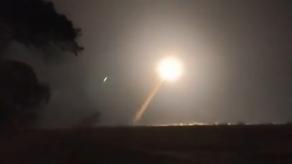



The Armed Forces of Ukraine continue to carry out precise and effective strikes against russian oil infrastructure. Following strikes on oil-loading infrastructure in Ust-Luga on the Baltic Sea, in Tuapse on the Black Sea, and on oil pumping facilities in Perm—along with parallel attacks on oil refineries, particularly in Ryazan—the campaign has now reached Moscow and its outskirts.
Among the most recent targets destroyed is the Solnechnogorsk oil pumping station northwest of Moscow. The strike destroyed all four of the largest RVS-5000 tanks, where the number indicates their volume in cubic meters. In other words, each tank has a capacity of approximately 4,100–4,400 tons of oil.
Read more: Two Foreign-Flagged Cargo Vessels Bound for Greater Odesa Were Attacked in the Black Sea
At the same time, it is hard to ignore that previous equally large strikes on russian oil facilities—including storage depots—were not nearly as effective. In particular, what were described as "oil rains" in Tuapse and Perm had not been seen in russia until recently.
One possible reason is the use of more powerful warheads, which may cause large fires that overwhelm standard fire suppression systems. It should be noted FP-1 drones were involved in the attack on the Moscow region, and their warheads are well known, as they have been publicly shown by russian sources.
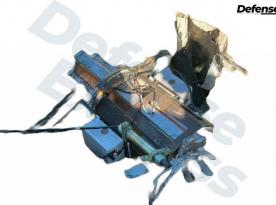
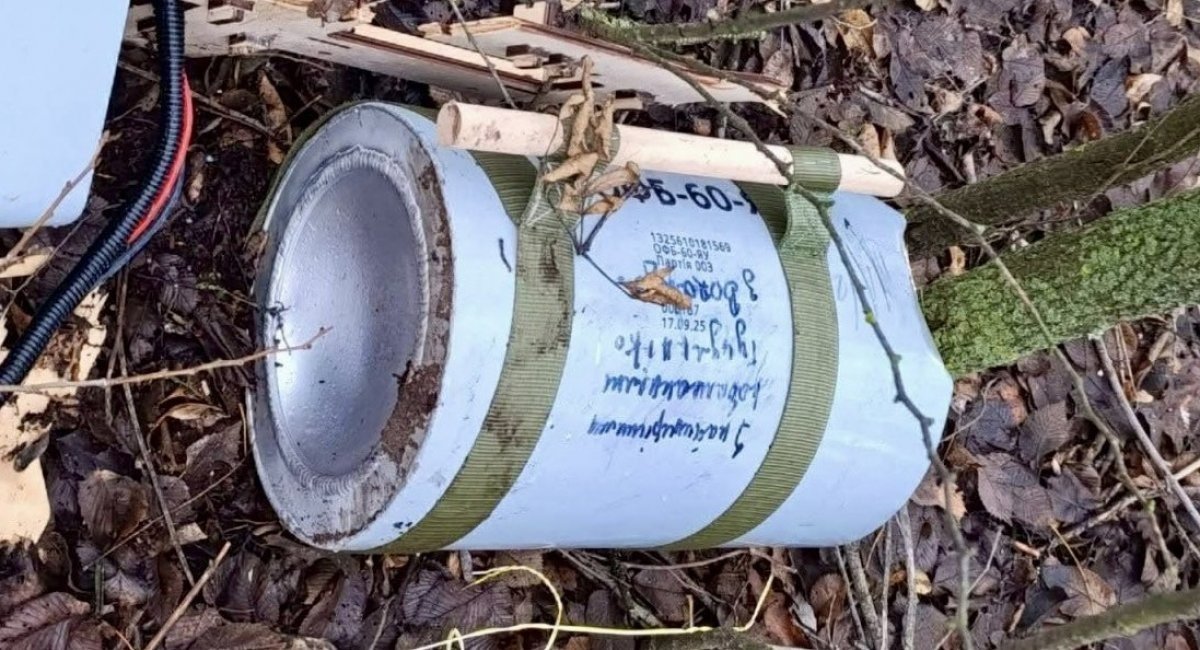
Since at least last winter, the FP-1 has reportedly used a 60-kg shaped-charge fragmentation warhead, with a filler based on trinitrotoluene (TNT) enhanced with OKFOL and produced using a casting method.
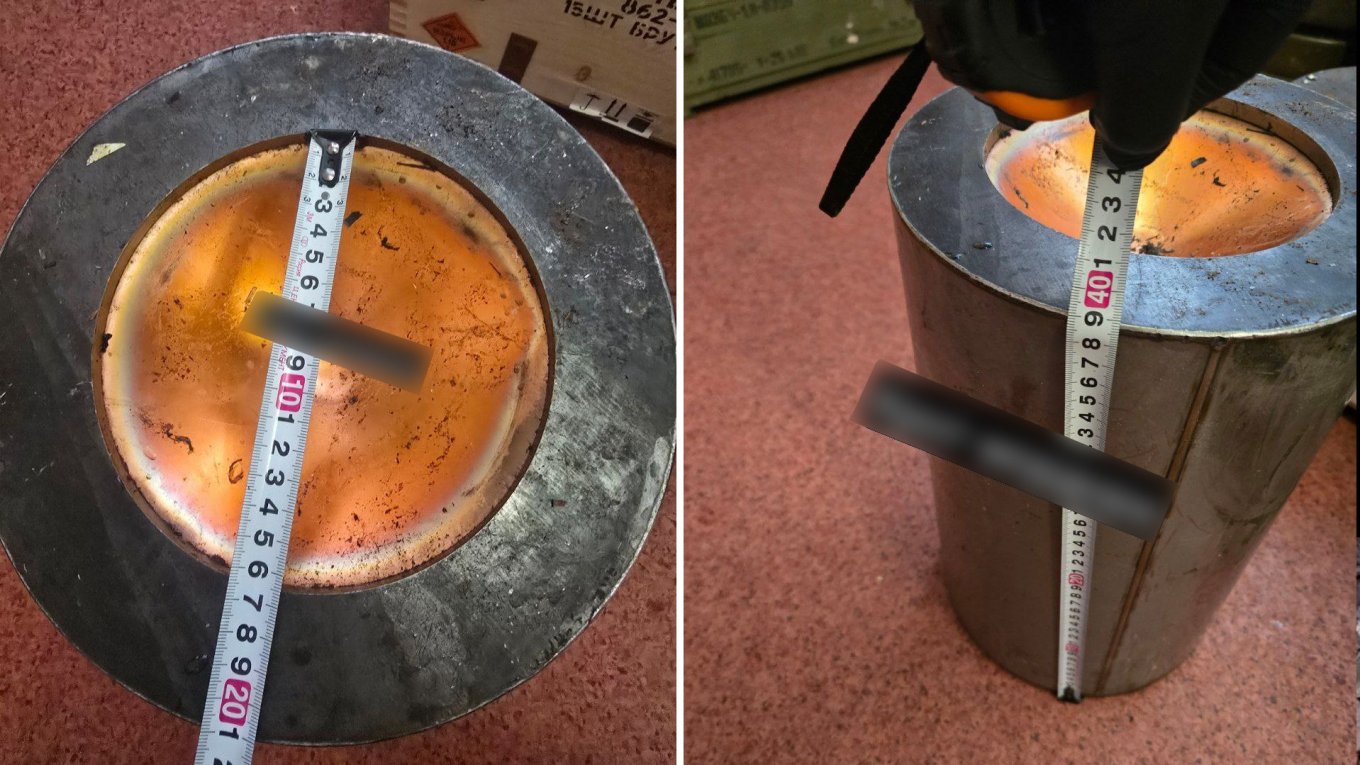
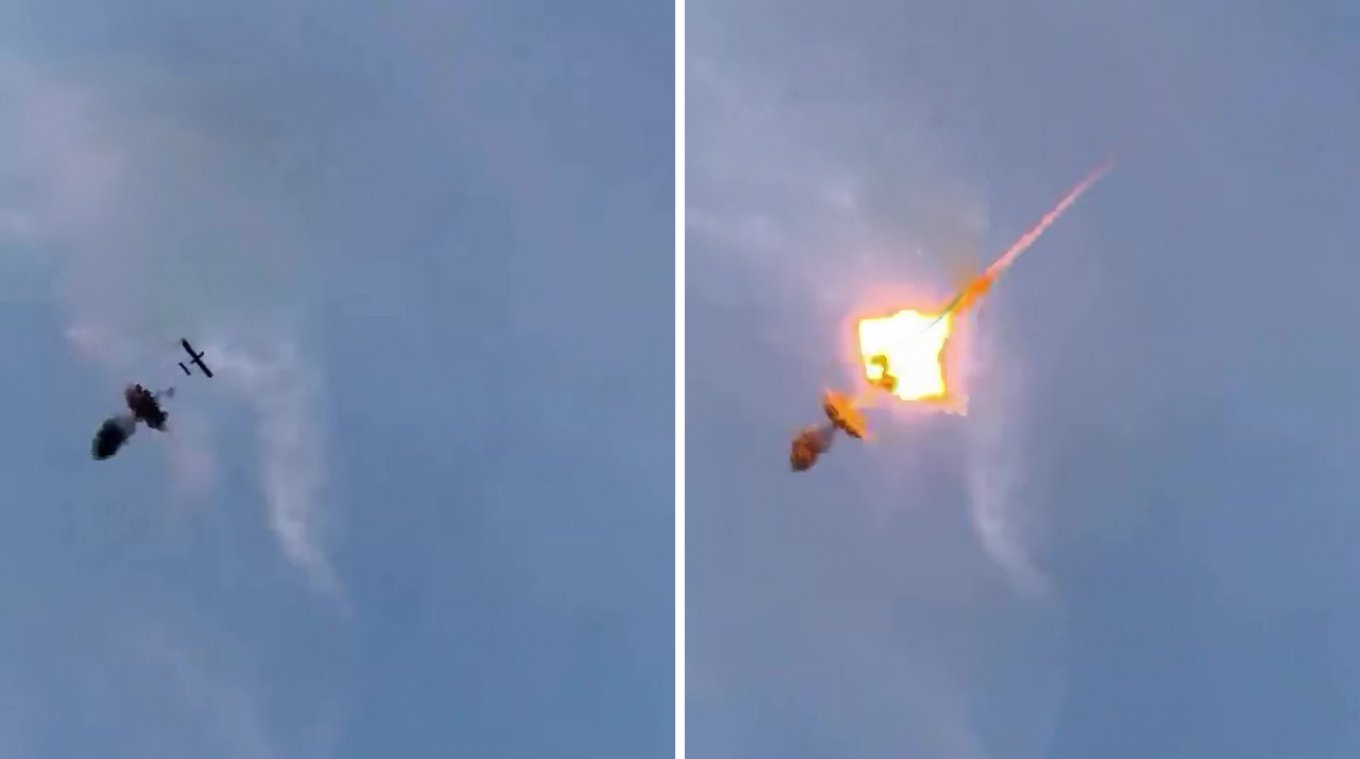
The shaped charge liner has a diameter of approximately 16.5 cm, with a projectile length of about 40 cm and an overall diameter of about 25 cm. This produces a powerful shaped-charge jet that can extend 10–15 meters, as seen in footage of an FP-1 being shot down.
At the same time, it cannot be ruled out that these FP-1s are already being fitted with the 105-kg warheads announced by Fire Point. Relocating the fuel tanks to the wings has made their installation possible without a significant loss of range.
From the Defense Express side, we urges you to join a fundraising for what is already working: One United Fundraiser: Fundraising by the Serhiy Prytula Charity Foundation for interceptor drones.

Read more: How russia Is Changing Lancet Drone Tactics on the Battlefield