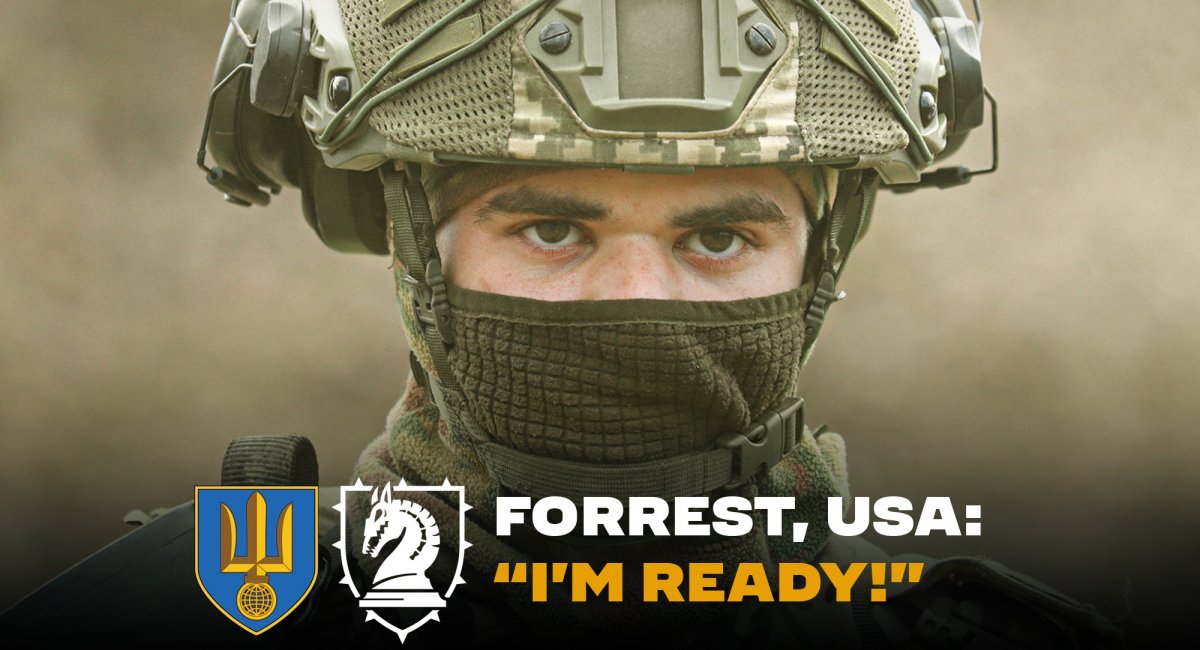
North Carolina is a place of deep forests and mountain ridgelines — where ancient pines climb into the sky and life moves at its own pace. It’s far from the frontlines of russia-Ukraine war. But at 28, Forrest chose to leave his homeland behind, crossing an ocean to join the 47th Mechanized Brigade “Magura” and take part in a war that was never meant to be his — until he made it so.
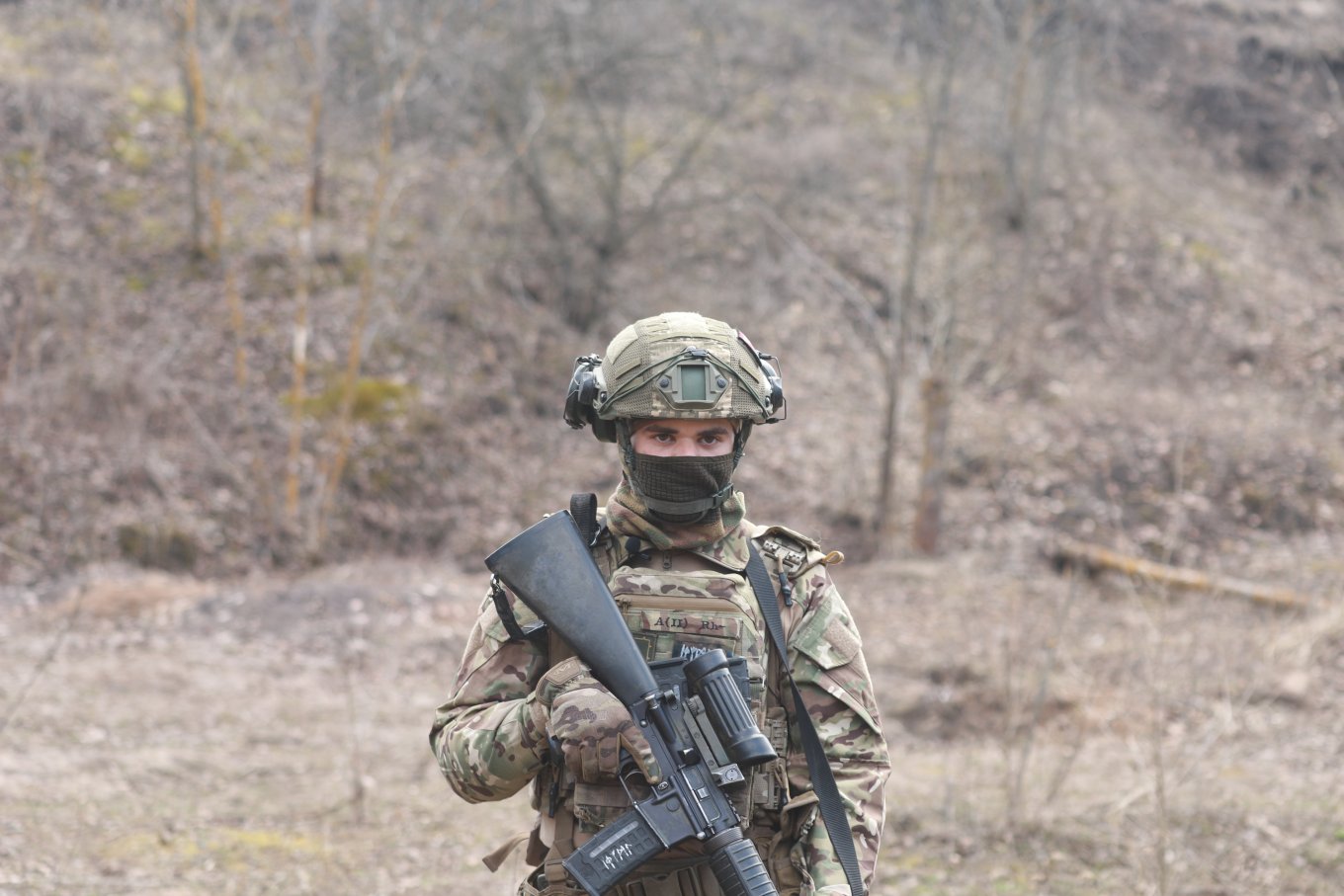
His callsign might sound like it belongs to the landscape he came from. But its origin is far more personal:
Read more: Story of Kiwi, Student from New Zealand, who Joined Ukraine’s Army
“Growing up, I had a bit of a speech impediment — a slight stutter. I used to mumble or speak really slowly. So my friends started calling me Forrest, like Forrest Gump. It just stuck. I don’t have that speech issue anymore, but when I came here, I figured — why not bring it with me? People recognize it right away. As soon as they get the reference, it’s always: ‘Run, Forrest, run.’”
North Carolina is also known as the “First in Freedom” state, where one of the earliest calls for American independence was made. For Forrest, that legacy wasn’t just history. That strong sense of liberty and justice shaped how he saw events far beyond his own country:
“I’ve been interested in Ukraine’s independence and democracy since 2014 — their initial struggle to remain a free European country. And the idea that people should have the right to choose how they’re governed.”
His first window into that struggle was social media — a connection that made a distant war feel personal:
“I was 15, using Facebook, just wanting to make friends around the world. One of my Ukrainian friends, Daniel, kept telling me everything — from the Maidan to what was happening in Donbas. That’s how I started understanding what was going on.”
Forrest’s path to Ukraine wasn’t immediate. For years, the decision was there — but reality stood in the way. Until 2025, he simply couldn’t afford to come. So he worked and saved — until the distance between intention and action finally closed.
Hard work was nothing new to him. Since the age of 20, he had made a living with his hands, taking on construction jobs and whatever work he could find.
“I was a kind of journeyman. Did AC repairs, cleaning, siding, windows, gutters — worked on a lot of houses.”
It may not sound like preparation for war. But in the field, where survival often depends on what you can build, fix, or improvise — those skills carry their own kind of weight.
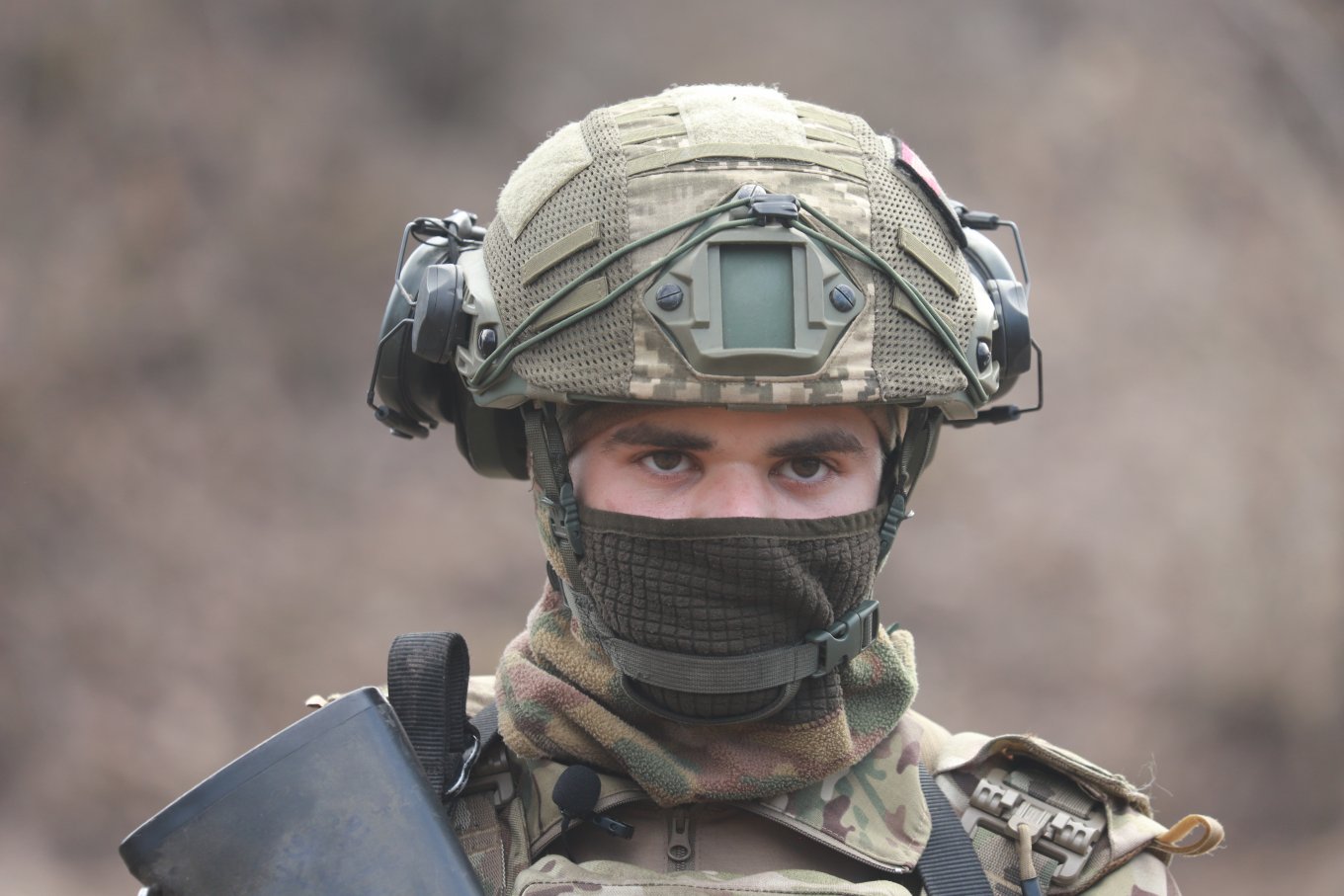
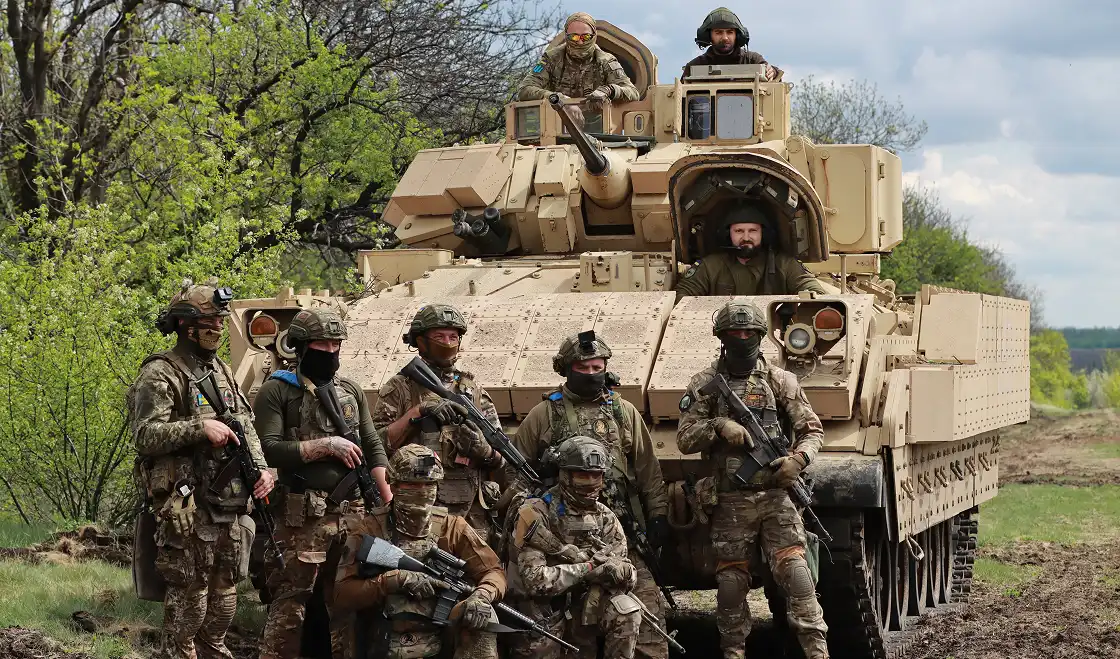
Arriving in Ukraine was only the first step. The next question was where to go — which unit to trust, where to fight. Forrest explored his options, but in the end, a trusted voice helped him make the decision:
“I was looking through other battalions, and my buddy was like, ‘No, don’t go there, don’t do that.’ He said, ‘I know you want to fight, I know you’ve got that spirit in you. Just come with me to the 47th.’ And once I got here — it’s been great.”
For two months, Forrest was immersed in basic training — the phase where civilians are reshaped into soldiers. Even after completing it, the process didn’t stop. Back in his unit, the training continued, sharpening him for what comes next: his first mission.
“The training was top notch. Obviously, it’s very different from most other countries, where there’s a lot of hazing and all that.”
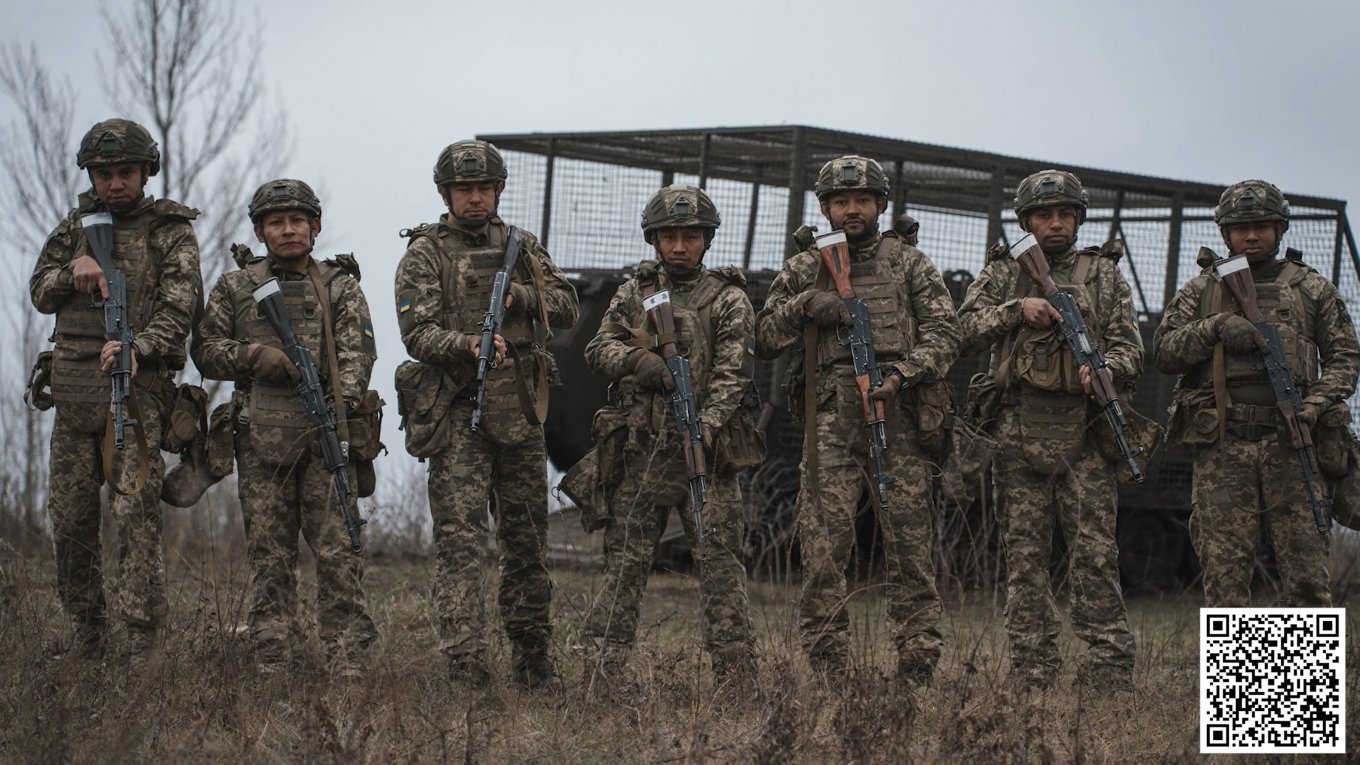
Instead, the focus is on growth. On understanding where you are — and pushing you forward from there. Here, in the 47th brigade, instructors don’t just teach — they assess, adapt, and refine:
“They look at what you already know, then they find your weak points and work on them. The idea is that you make your mistakes here, on the training ground — not out on a mission. It honestly feels like one-on-one training every time.”
When we spoke to him, the transformation was already underway. He stood at the threshold — training behind him, combat still ahead. But there was no hesitation in his voice:
“I am ‘hotovyi.’ I’m ready.”
And for those considering volunteering, his advice is simple, direct, and grounded in reality.
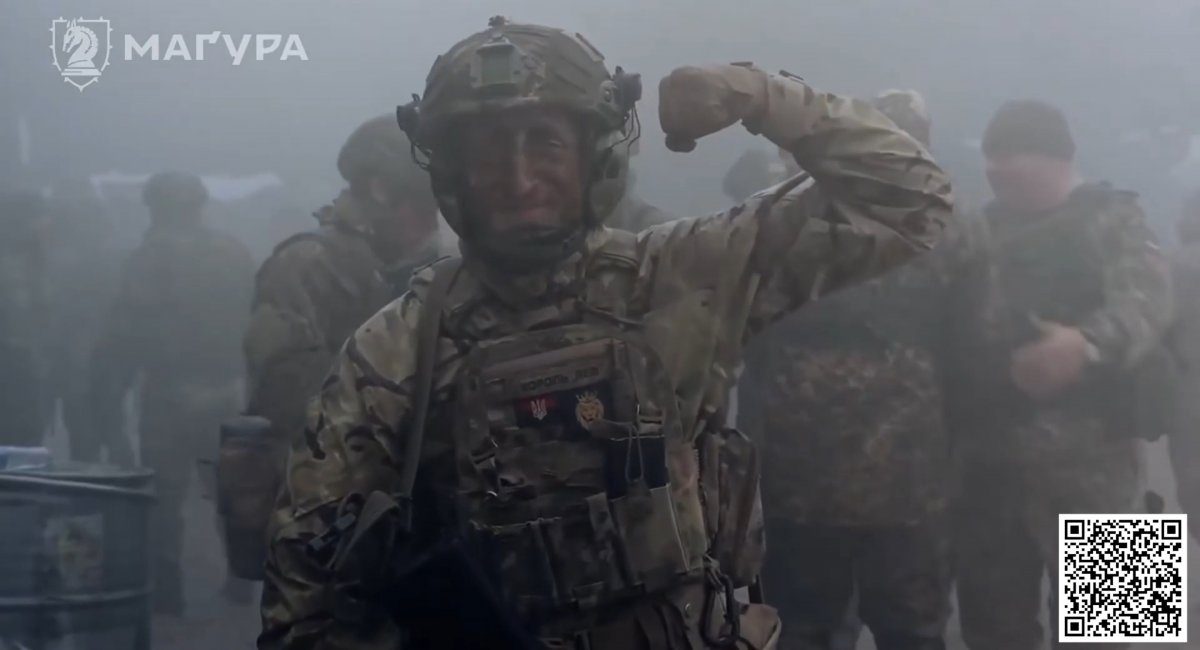
“I’m from the mountains, so I used to hike a lot — that definitely helped. Do a lot of rucking. Get a backpack, throw water bottles in it, and start walking. Work on bodyweight exercises. Go to a shooting range if you can — and then come here. Especially to the 47th — and do some good work here. Do what God intended you to do.”
Learn more about the 47th Separate Mechanized Brigade “Magura” and join on the official website.
Learn more about foreign volunteers in the Armed Forces of Ukraine and join on the official website.
Text: Dmytro Tolkachov
Video, photos: Volodymyr Patola, Dmytro Tolkachov
Editing: Oleksandr Bekker
Read more: Why People From All Over the World Choose to Serve in Ukraine’s 47th Separate Mechanized Brigade Magura