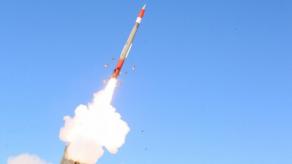



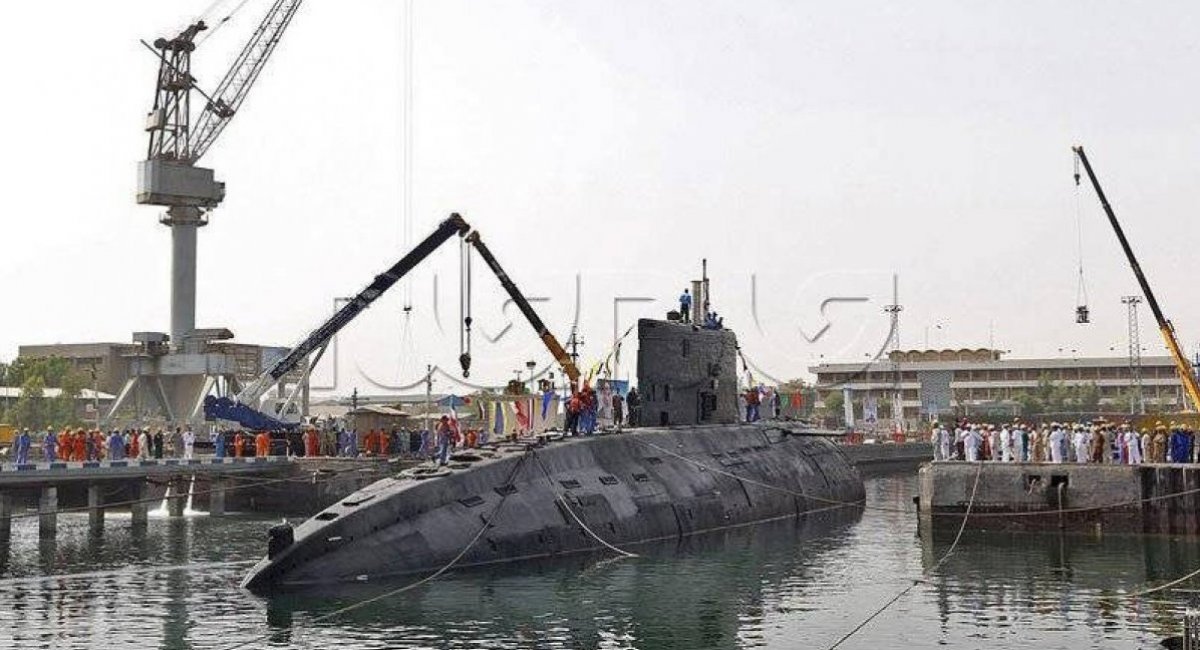
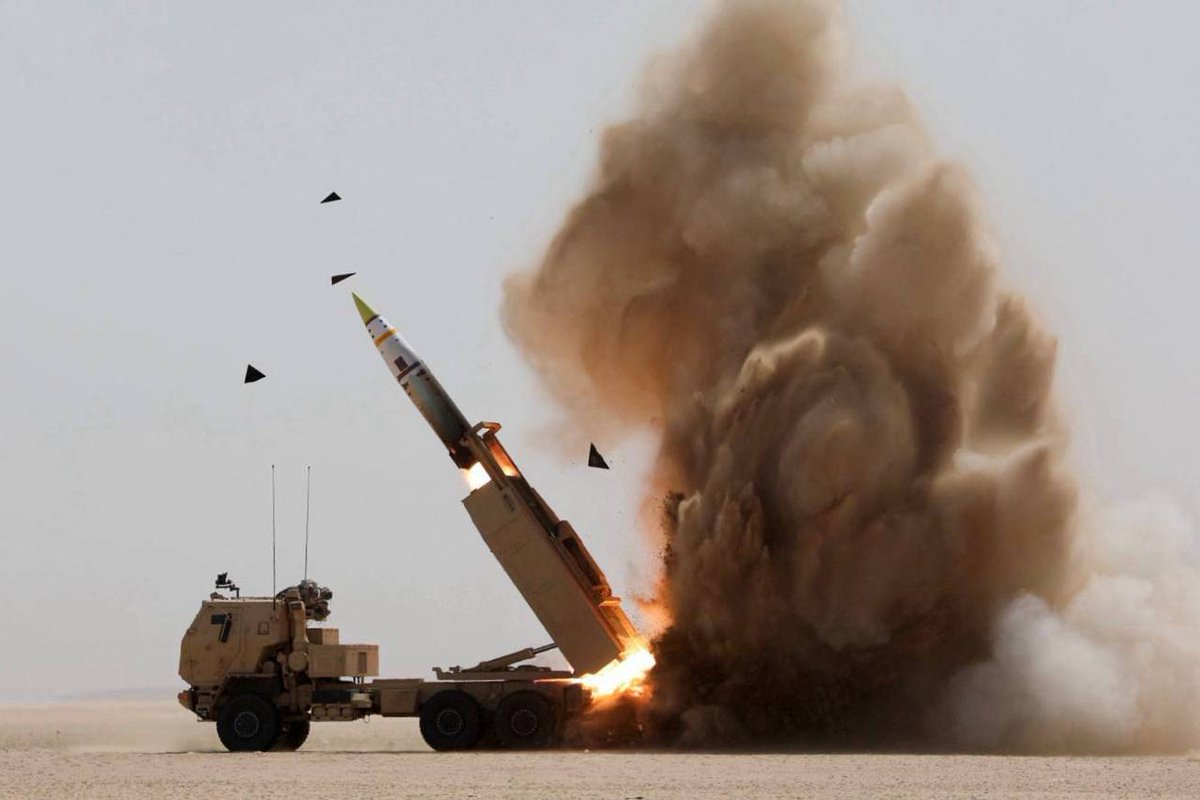
During the ongoing war against Iran, U.S. forces have, for the first time, reportedly sunk a significant number of Iranian naval vessels using operational-tactical ballistic missiles. This list includes at least one Project 877 Varshavyanka submarine, likely destroyed by an ATACMS strike.
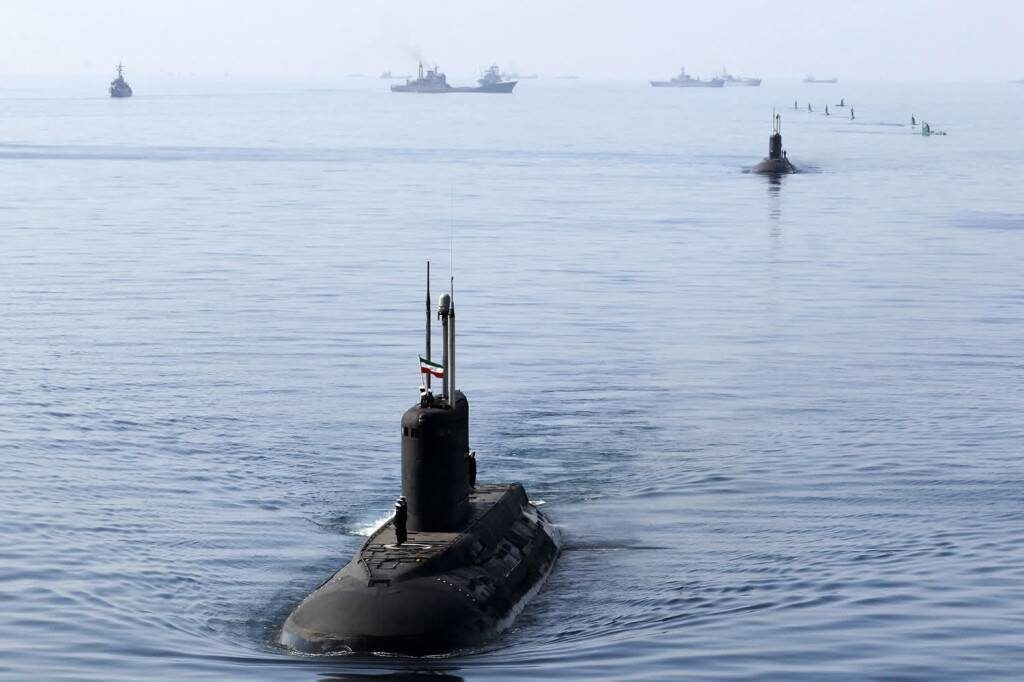
A key nuance is that Iran operated only three Varshavyanka submarines, which spent more time under repair than at sea. The context in which these submarines were delivered to Tehran is also particularly telling.
Read more: U.S. Considers Seizing Iran's Kharg Island — How Soon It May Happen?
The three Project 877 submarines in Iranian service were named Tareg (laid down in April 1991), Noor (December 1991), and Yunes (February 1992). This timeline indicates that the contract was signed by the Soviet Union, while implementation was later carried out by russia.
It is also notable that while the first two submarines were commissioned in December 1992, the third entered service only in September 1996. This gap illustrates the decline in industrial discipline in russia's defense sector at that time.
According to russian sources, all three Varshavyanka submarines in Iranian service became known primarily for extended repair periods starting in the 2010s. As of February 2026, only one submarine of this class was operational in the Iranian Navy, while the other two remained in dry dock.
In the post-1991 period, Iran appears to be the only country that did not receive 3M-54 Kalibr anti-ship cruise missiles as part of its Varshavyanka package. The standard loadout for Project 877 submarines includes 18 torpedoes or 24 naval mines, deployed via six 533 mm torpedo tubes.
Kalibr anti-ship missiles were supplied for submarines of this family to the navies of Vietnam, Algeria, India, and China. China also developed its own version under the designation YJ-18.
At the same time, these submarine deliveries should be viewed within the broader framework of military-technical cooperation between Moscow and Tehran, which began in the 1990s. This cooperation included air defense systems, aircraft, and licensed production of T-72 tanks.
This aspect of cooperation was previously highlighted in analysis of how Iran acquired its MiG-29 and Su-24 aircraft. There were also reports about a possible purchase of MiG-31 from russia, although such plans never materialized and ultimately did not change the overall balance.
Ivan Kyrychevskyi, serviceman of the 413th Raid Regiment of the Unmanned Systems Forces of Ukraine and weapons expert at Defense Express.
Read more: From Ukraine's Tochka-U Strike on Saratov Landing Ship to U.S. HIMARS Ballistic Missiles Attacks on Iran's Fleet