


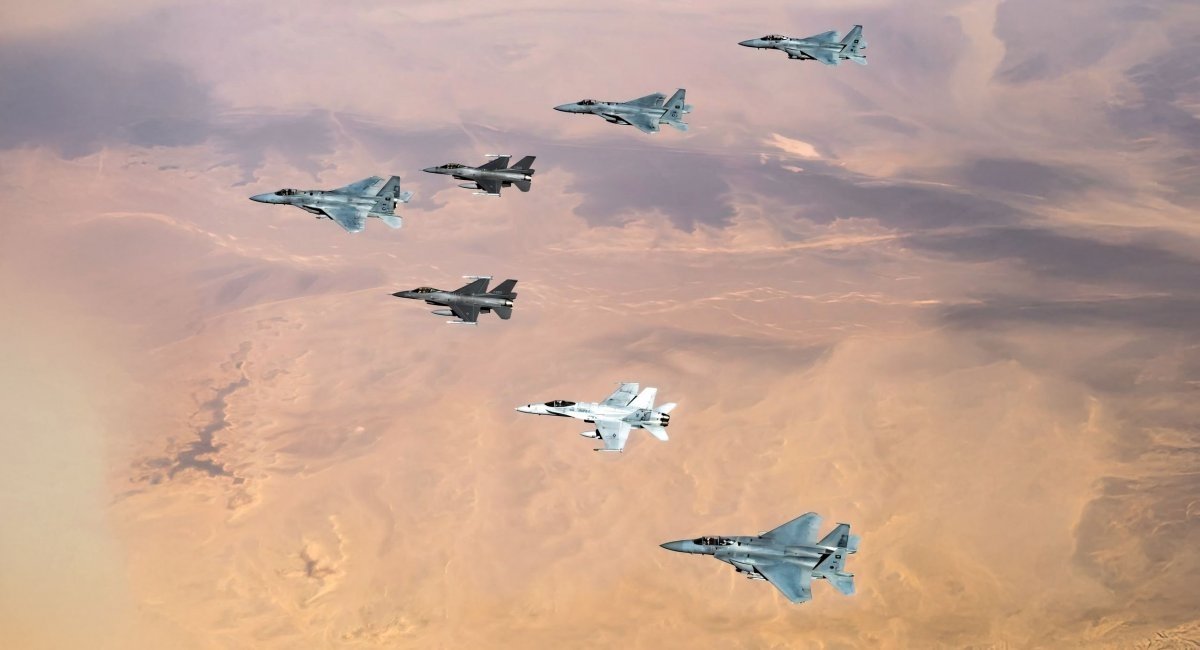
Iran is actively firing missiles and drones not only at Israel and American military bases in Arab countries, but also at the Arab countries themselves and their oil and gas facilities. It has also begun attacking oil tankers, creating a highly dangerous scenario for a potential Persian Gulf oil blockade. All this could push them into the war, joining military action against Iran.
Therefore, it is important to assess the military strength of countries such as Kuwait, Bahrain, Qatar, Saudi Arabia, and the United Arab Emirates. It should be noted that none of these countries share a land border with Iran, not even Kuwait, whose air defense forces have already shot down three American F-15Es. Therefore, attention should be focused on their air forces, particularly fighter jets and other strike aircraft.
Read more: How Far Can Iranian Ballistic Missiles, Cruise Missiles, Drones Reach, What Parts of Europe Could Be Targeted?
- Kuwait: 17 Eurofighter Typhoons and 32 F/A-18C/Ds;
- Bahrain: 20 F-16 Block 40s and more than six of the latest F-16 Block 70s;
- Qatar: 22 Eurofighter Typhoons, 40 F-15QAs, and 36 Rafales;
- UAE: 78 F-16 Block 60 and 56 Mirage 200;
- Saudi Arabia: 68 F-15C/D, 149 F-15S/SR/SA, 71 Eurofighter Typhoons, 77 Tornados.
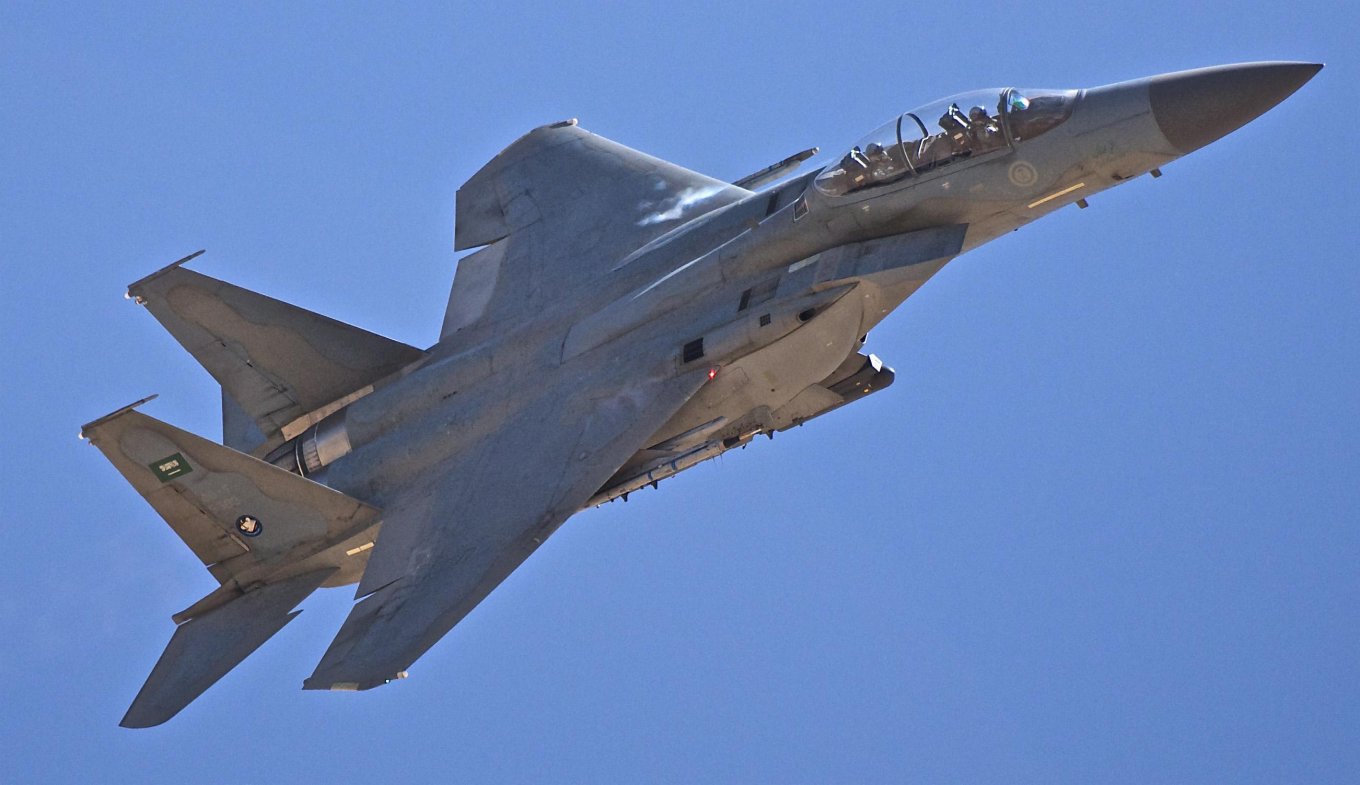
Moreover, certain operations by Arab states can be carried out autonomously, even without being close to Iran. In particular, some of these countries have their own air refueling aircraft, reconnaissance aircraft, and even airborne early warning and control aircraft, namely:
- Kuwait: three KC-130J Hercules tankers;
- UAE: two Global 6000 aircraft, five GlobalEye AWACS aircraft, four A330 MRTT tankers;
- Saudi Arabia: several Beech 350ER reconnaissance aircraft, two RE-3 reconnaissance aircraft, five E-3A Sentry AWACS aircraft, two Saab 2000 Erieye aircraft, as well as a total of 22 tankers — six A330 MRTTs, seven KC-130H Hercules, two KC130J Hercules, and seven KE-3As.
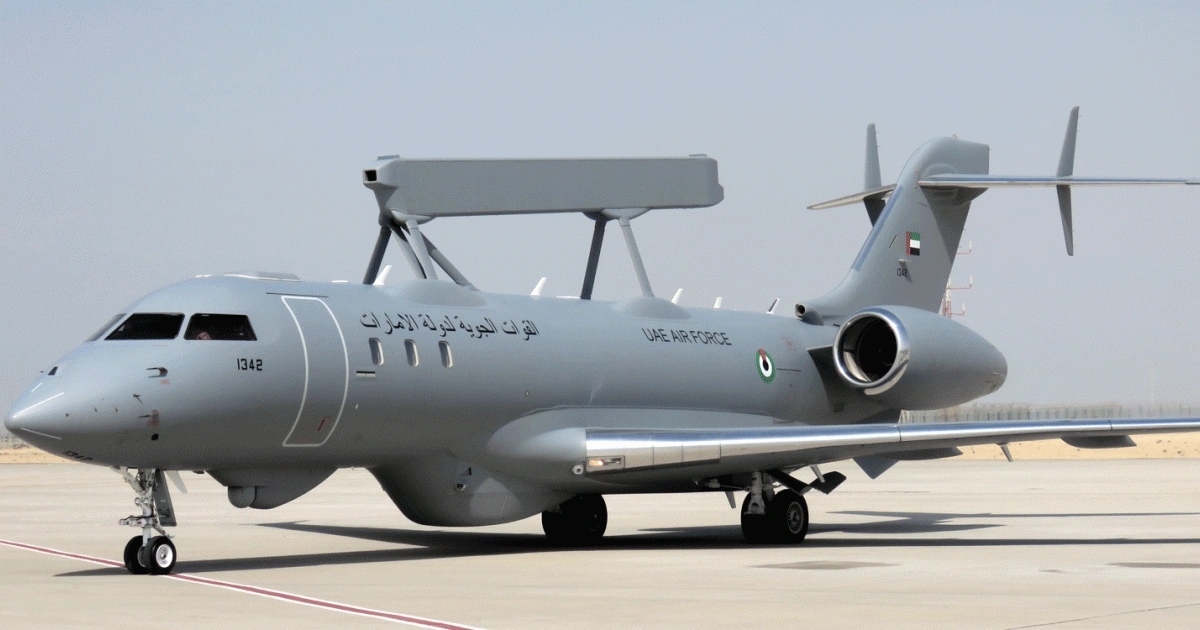
In other words, Arab countries in the Persian Gulf can provide high-quality surveillance of Iranian territory, appropriate targeting, and aerial refueling.
Altogether, the Gulf states can deploy 672 combat aircraft, approximately 18 AWACS and reconnaissance aircraft, and 29 refueling tankers. In terms of strike aviation, this could be comparable to the number of strike aircraft deployed by the U.S. and Israel. In other words, it could bring them significantly closer to achieving the ultimate goal of the operation, neutralizing Iran's military capabilities, a prospect that these Arab states may increasingly find in their own interests.
From the Defense Express side, we urges you to join a fundraising for what is already working: One United Fundraiser: Fundraising by the Serhiy Prytula Charity Foundation for interceptor drones.

Read more: Why Even Unlimited Patriot Interceptors Cannot Guarantee Full Protection for Ukraine from russian Ballistic Missiles