


It is important to remember that any war in the Middle East typically leads to at least a short-term rise in oil prices. Signs that the U.S. could strike Iran included the deployment of the U.S. USS Gerald R. Ford nuclear-powered carrier to the region.
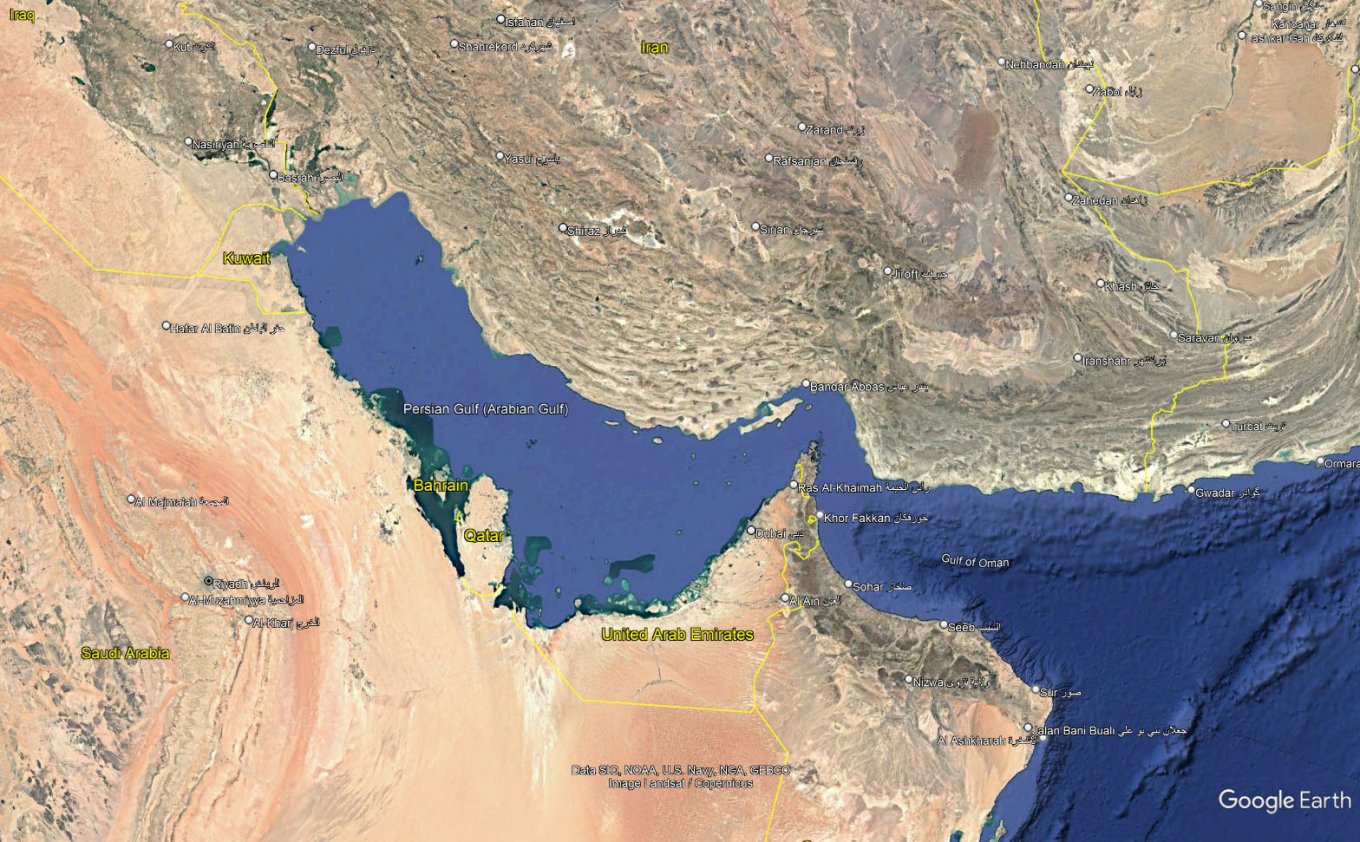
The main threat in Iran's strategic playbook is closing the strait. This would be technically feasible, since the strait is only about 50 kilometers wide and could be mined. In addition to this well-known risk, navy drones now add a new layer of danger.
Read more: U.S., Israel Strike Iran – What Is Unusual Here
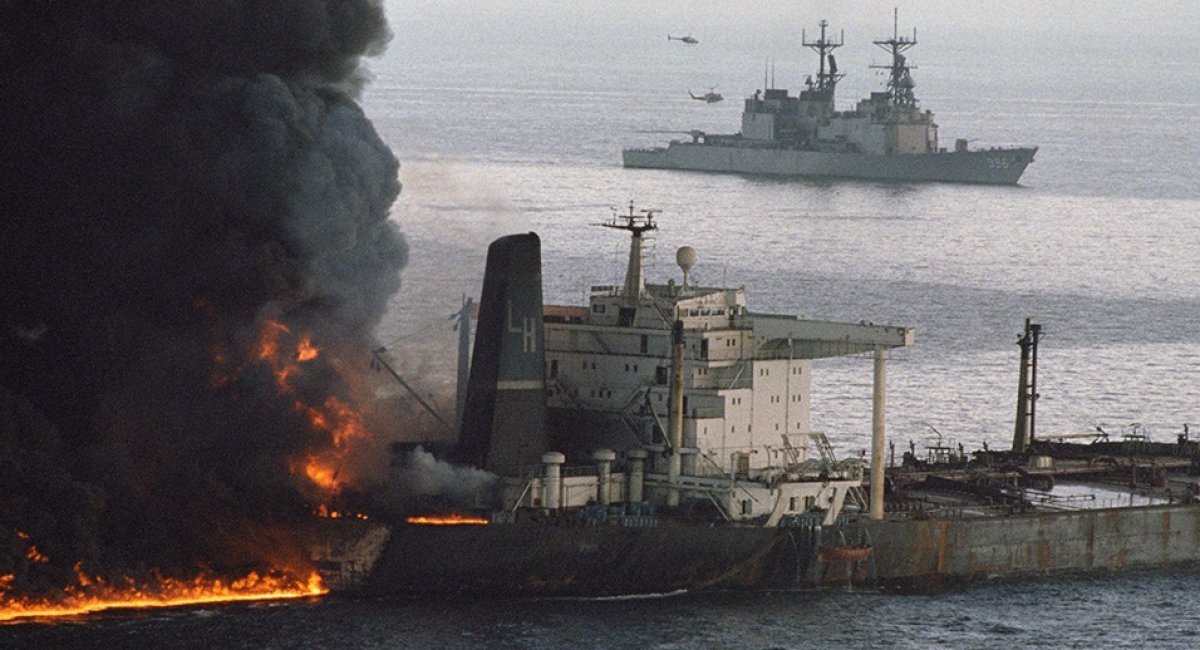
Iran could also attack oil tankers anywhere in the Persian Gulf or the Gulf of Oman. There are reports that Tehran is reinforcing its arsenal with Chinese CM-302 supersonic anti-ship missiles.
About 15 million barrels of crude oil, 5 million barrels of refined products, and roughly 311 million cubic meters of gas pass through the strait every day. Existing pipelines can make up for no more than one-third of these volumes.
At present, it remains unclear whether Iran could actually disrupt Persian Gulf oil exports. Tehran has spent decades preparing for such a scenario. The key question is how long and how effectively it could sustain a blockade, or whether it would choose an even more consequential escalation.
In its detailed analysis, the Center for Strategic and International Studies (CSIS) outlined four likely scenarios.
Under the first scenario, Iran imposes a blockade that drives oil prices above $90 per barrel. Exports from Iraq, Kuwait, Bahrain, Qatar, the UAE, and Saudi Arabia could fall significantly. CSIS analysts believe that allied forces would need only a few weeks to eliminate the threat and reopen transit.
In the second scenario, Iran goes further. It does not just block oil flows but also strikes oil and gas infrastructure in Arab states hosting U.S. bases. Port terminals might be hit, reducing export capacity for months. Depending on the scale of attacks, prices could climb above $130 per barrel.
The remaining two scenarios assume that Iran does not block Gulf exports but instead faces a U.S.-led blockade similar to measures previously taken against Venezuela. Iran is a major oil exporter to China, with up to 1.6 million barrels per day shipped mainly through Kharg Island. If Iran cannot deliver this volume, China would seek supplies elsewhere. This could increase global demand and push prices up by an estimated $10–12 per barrel.
The final scenario envisions the U.S. targeting Iran's oil infrastructure during air strikes. CSIS suggests this could remove Iranian oil from global markets for an extended period and push prices above $100 per barrel.
Read more: How U.S. Strike on Iran Would Impact russia and Why Every Scenario Favors Ukraine