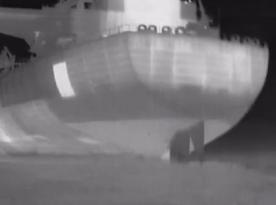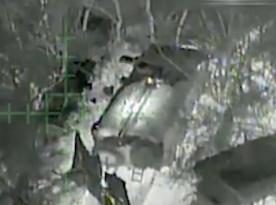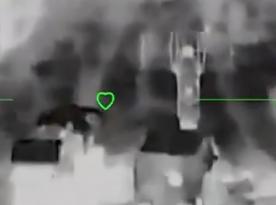
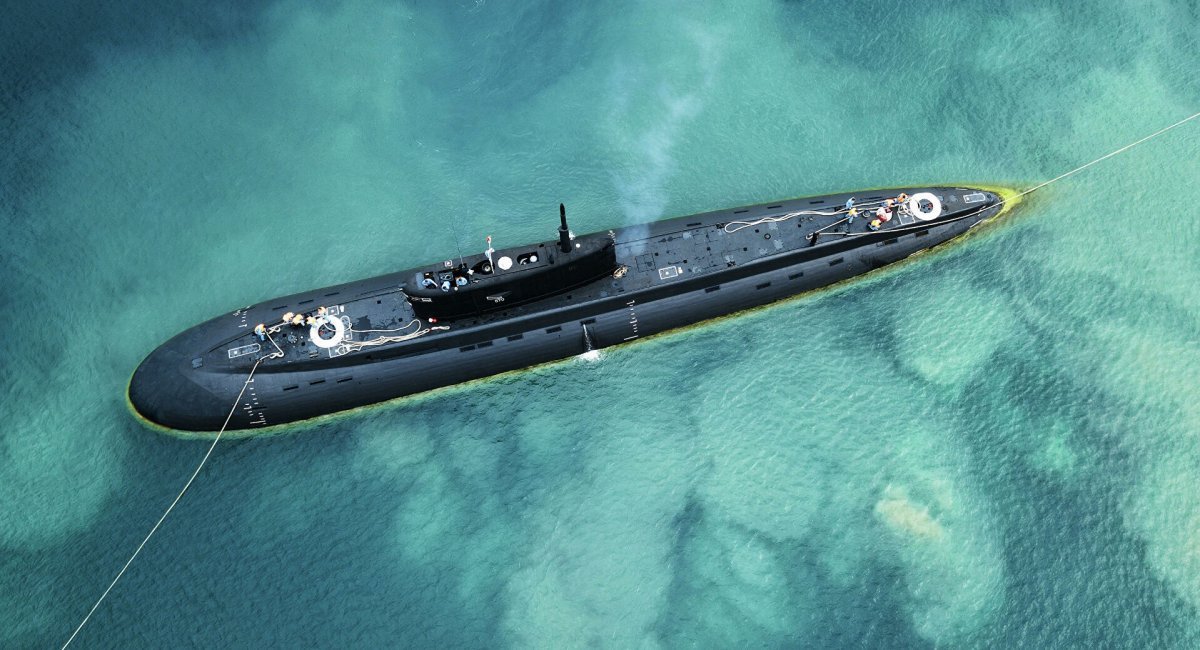
However, russia's attempt to downplay the damage and demonstrate that "nothing serious happened" to the Project 636.3 submarine critically damaged during the joint operation conducted by the Security Service of Ukraine (SSU) and the Ukrainian Navy ultimately made it possible to identify the vessel.
This task was complicated by the fact that all three submarines belong to the same class and, since the start of the full-scale invasion, no longer carry their names on the hull or any other clearly visible distinguishing features.
Read more: How Many russian Varshavyanka Submarines Remain in the Black Sea? Half Are Already Out of Action
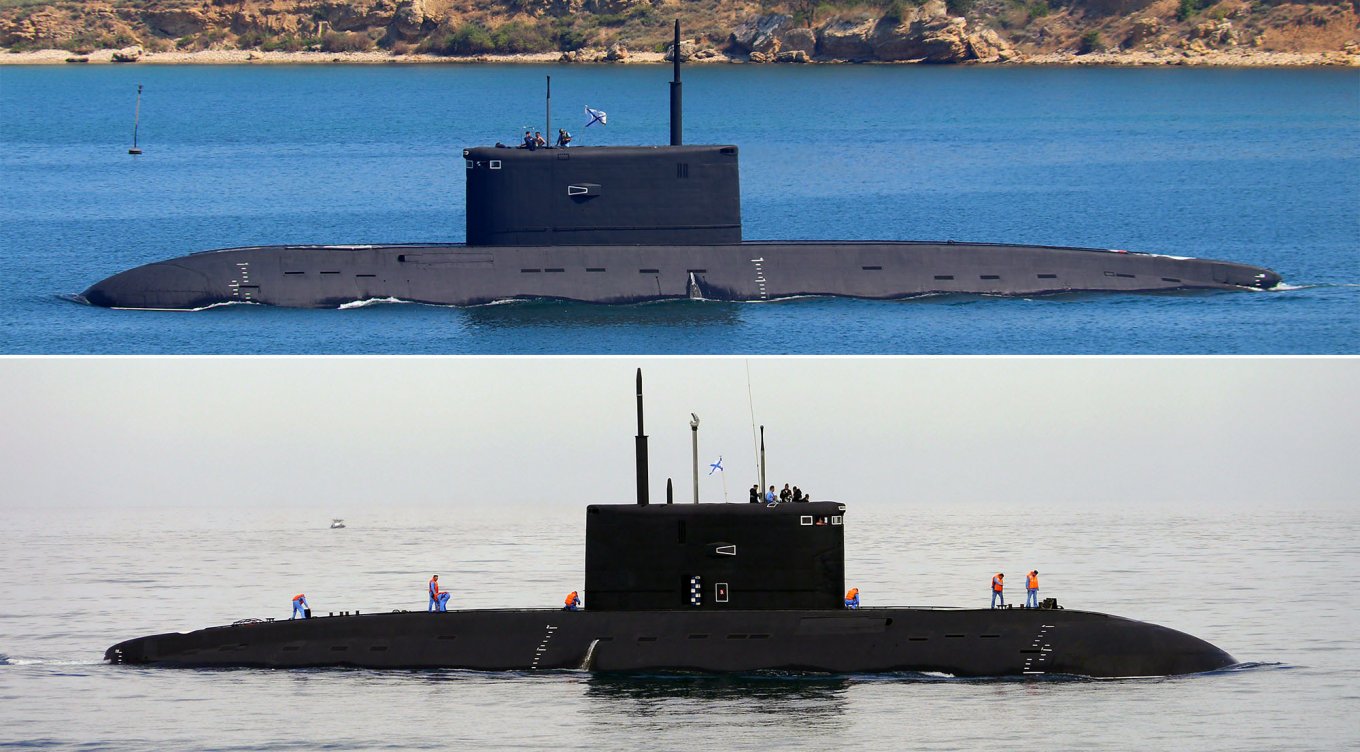
It is also worth noting that russia chose to film the submarine from a very limited angle and only after water had already been pumped out. A satellite image taken on 16 December shows the damaged Varshavyanka submarine sitting more than one meter deeper in the water than its normal waterline.
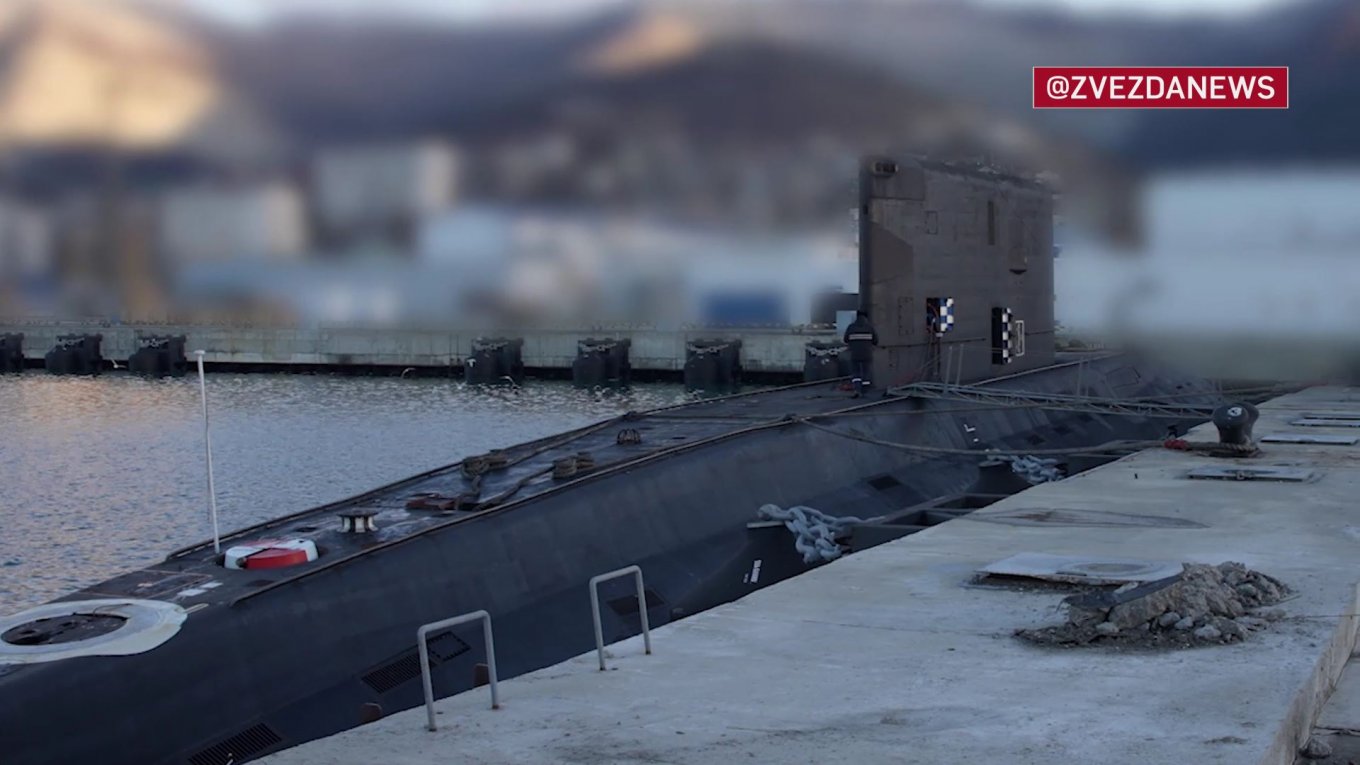
Even so, a single frame proved sufficient for Ukrainian OSINT analyst Duke BG, who focused on specific marking details near the stern hatch of the submarine. This feature made it possible to determine which of the three Project 636.3 submarines currently deployed in the Black Sea was hit: B-265 Krasnodar, B-268 Veliky Novgorod, or B-271 Kolpino.
Not 100% sure, but I've deduced that the submarine that was hit recently in Novorossyisk by SubSeaBaby was B-271 Kolpino.(based on a splotch of paint)Unless my info on the two outside Black sea is wrong, because they almost fit too. https://t.co/jJNz2aVawA pic.twitter.com/TZimlecOPR— Duke BG (@duke_garland_2) December 17, 2025
Of the three, only B-271 Kolpino features a thin white outline rather than a thick circular marking, which is characteristic of B-265 Krasnodar and B-268 Veliky Novgorod. At the same time, the other two russian Navy submarines with a similar marking distinction, B-265 Krasnodar and B-261 Novorossiysk, are not currently located in the Black Sea, according to available information. The B-237 Rostov-Na-Donu, destroyed in occupied Sevastopol, is also excluded from consideration.
Defense Express notes that, of the three possible candidates, B-271 Kolpino is, paradoxically, the most favorable outcome. Formally, it is the newest Project 636.3 submarine built for russia's Black Sea Fleet. The vessel was launched on 31 May and commissioned on 24 November 2016. B-268 Veliky Novgorod is officially only one month older, while B-265 Krasnodar is approximately one year older.
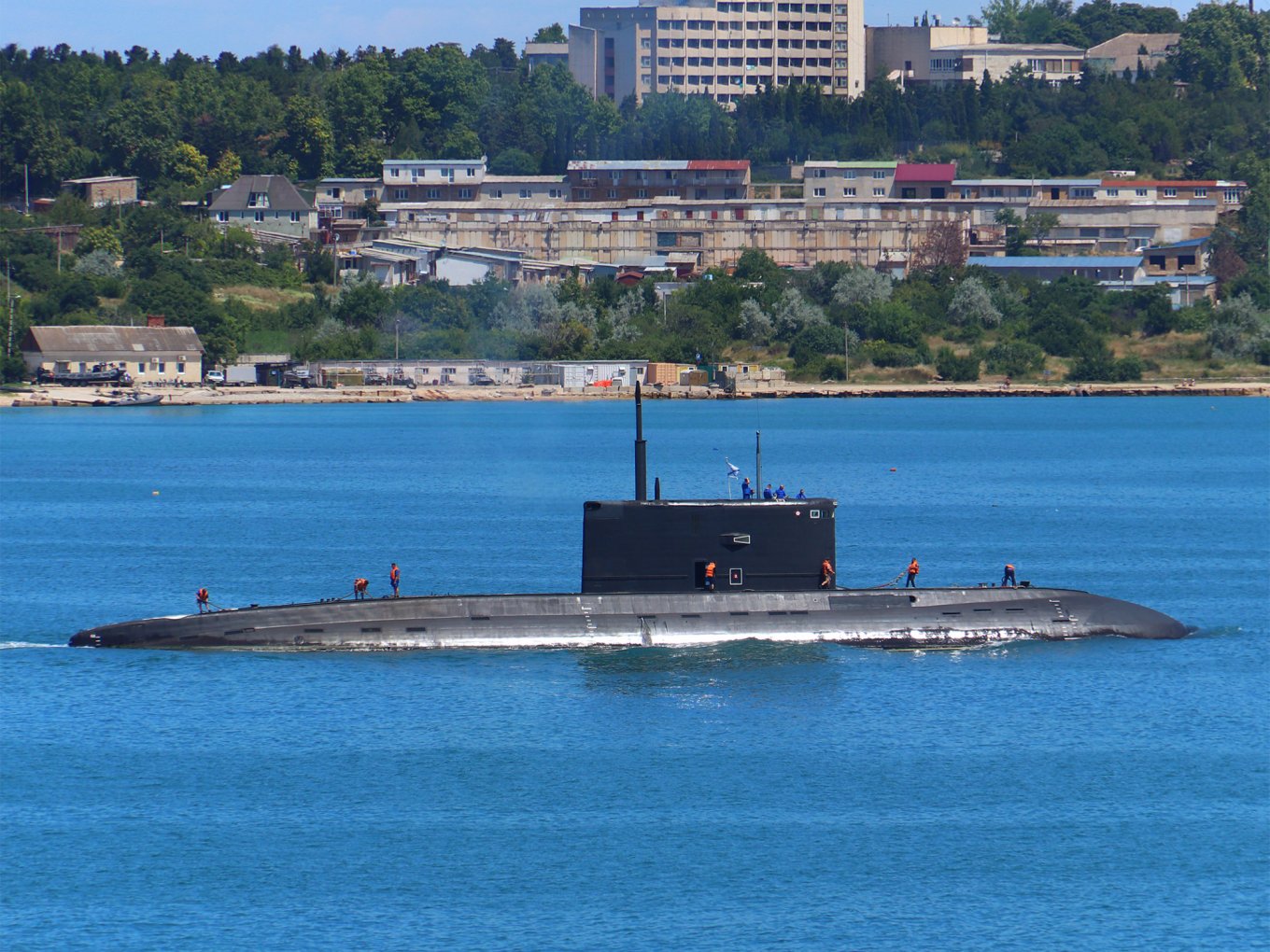
In theory, it cannot be entirely ruled out that this specific hull marking was altered. However, such modifications are highly unusual, as submarines are typically repainted using standardized stencils rather than having individual markings changed.
Finally, an even more complex task remains: identifying another submarine located several hundred meters from the explosion, which may also have sustained damage, particularly to its sonar system. The blast was powerful enough to leave a crater approximately nine meters in diameter in the pier itself.
Read more: Why Damaged russian Kilo-Class Submarine Is Effectively a Total Loss