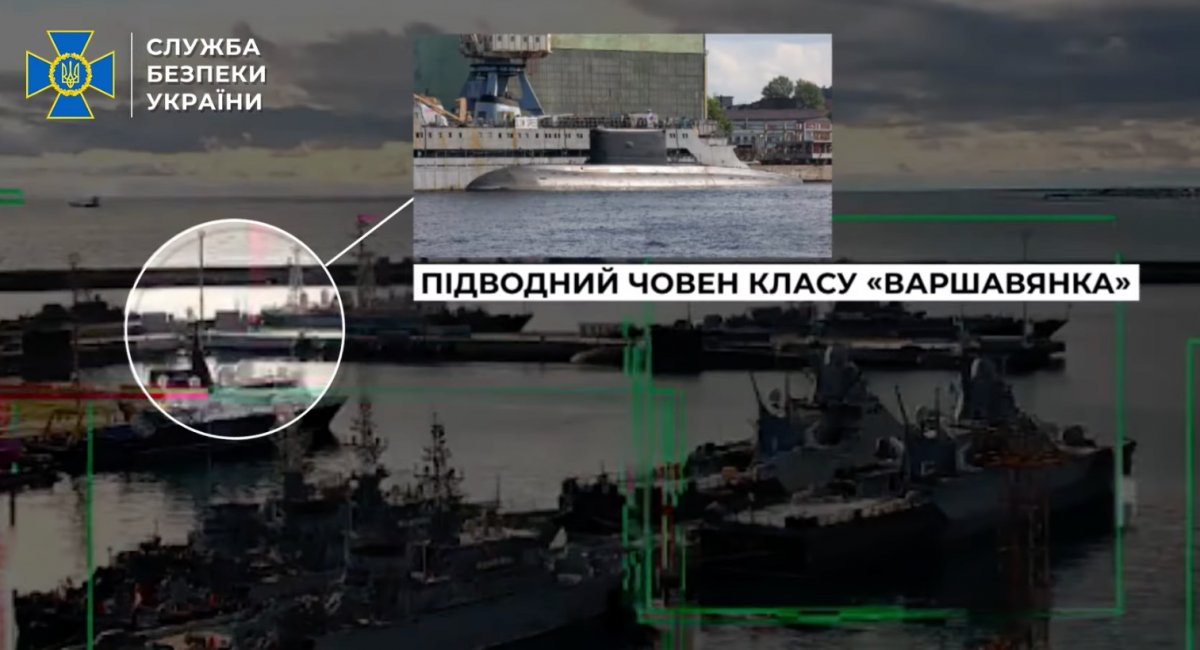
The critical damage inflicted on russian Project 636.3 Varshavyanka-class submarine in Novorossiysk by Ukrainian Sub Sea Baby underwater drones is, in practical terms, equivalent to the loss of the vessel. Although the submarine may not have been instantly destroyed, the nature, location, and strategic context of the strike leave russia with no realistic path to restoring it to combat readiness during the war.
The explosion reportedly occurred in the aft section of the submarine, an area vital to propulsion and maneuvering. Damage in this zone typically disables the propeller shaft, steering gear, and stern control surfaces. Even under peacetime conditions, such failures require prolonged and technically complex dockyard repairs, often involving dry docking, precision alignment, and replacement of major mechanical components.
Read more: Ukraine Uses Sub Sea Baby Underwater Drones to Disable russian Kilo-Class Submarine in Novorossiysk (Video)
However, the decisive factor is not solely the severity of the damage itself, but russia's lack of repair capabilities for submarines in the Black Sea. The russian Navy is currently unable to conduct full-scale submarine repairs in the region. This structural limitation has already been demonstrated by the fate of the Black Sea Fleet's B-237 Rostov-Na-Donu submarine, also a Varshavyanka-class vessel.
The Rostov-on-Don submarine was first damaged on September 13, 2023, while in dry dock at the Sevastopol Marine Plant. Only by June 2024 was it restored to a condition that allowed it to float, after which it was transferred to the 13th Ship Repair Plant in Sevastopol's Kilen Bay. In July 2024, russian sources claimed dock repairs had been completed, yet on the night of August 2 the submarine was struck again by missiles and subsequently sunk. This sequence highlighted both the vulnerability of Sevastopol and the limited scope of repair work available there.

In fact, even before the full-scale invasion of Ukraine, complex maintenance of Project 636.3 submarines from the Black Sea was typically conducted outside the region. Major overhauls were performed at the Kronstadt Marine Plant in the Baltic Sea, reflecting the insufficiency of Black Sea facilities for high-end submarine repair tasks.
Since russia's invasion of Ukraine, transferring naval vessels out of the Black Sea has become effectively impossible. The Montreux Convention blocks passage through the Bosphorus in both directions for belligerent states, while Sevastopol itself is no longer a safe or viable repair hub due to repeated Ukrainian strikes. This leaves damaged submarines trapped in a theater where they cannot be properly serviced.
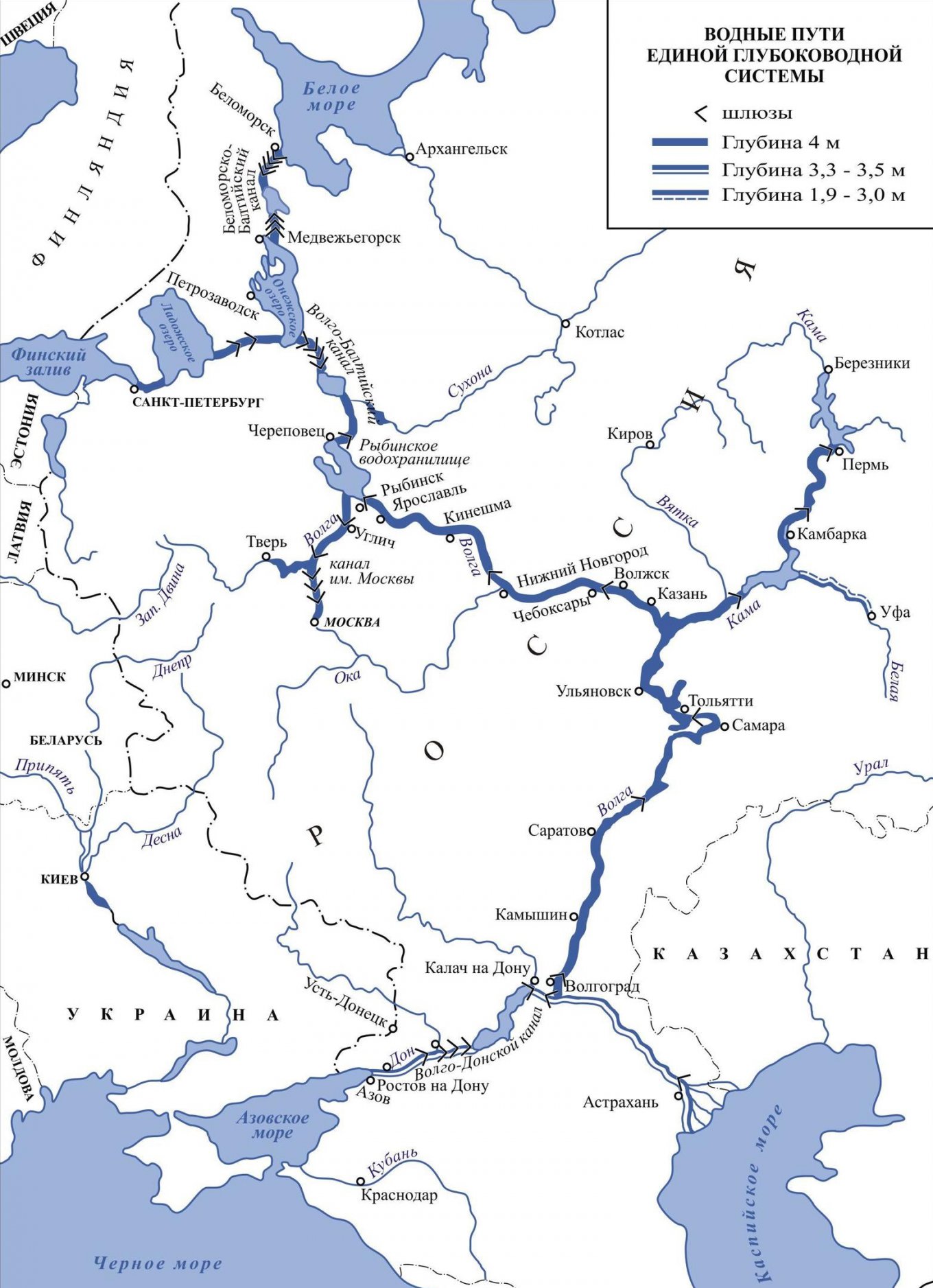
In theory, russia retains the technical option of moving certain ships via its internal river and canal network, including the Don-Volga-Baltic waterway. In practice, this route is highly impractical for a Varshavyanka-class submarine. With a draft of around six meters and waterway limits closer to 3.5 meters, such a transfer would require pontoons, barges, and complex engineering solutions, an approach russia notably did not attempt with the Rostov-Na-Donu vessel.
As a result, the submarine damaged in Novorossiysk represents an irreversible loss for the duration of the war, regardless of its formal status on paper. What remains unclear is which specific vessel was hit, B-265 Krasnodar, B-268 Veliky Novgorod, or B-271 Kolpino, but whichever it is, the outcome is the same: one fewer Kalibr-capable submarine available to russia in the Black Sea.
Read more: Ukraine's Prymary Unit Tracked Down and Destroyed Two Costly russian Radars in Crimea (Video)