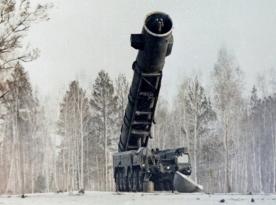



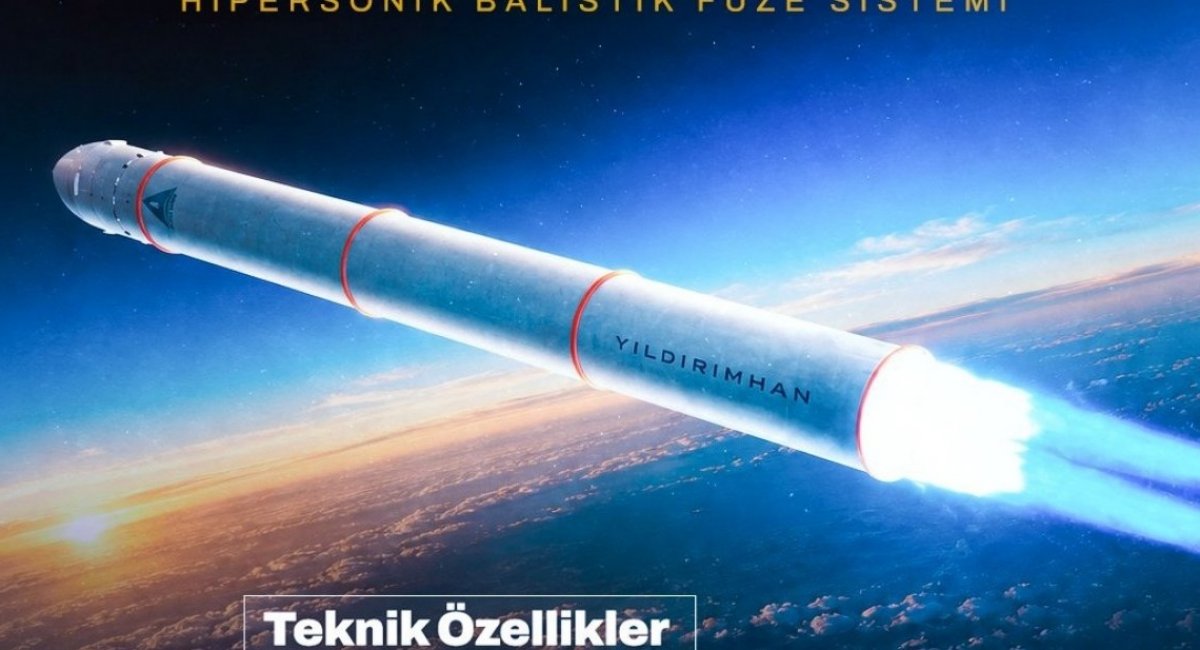
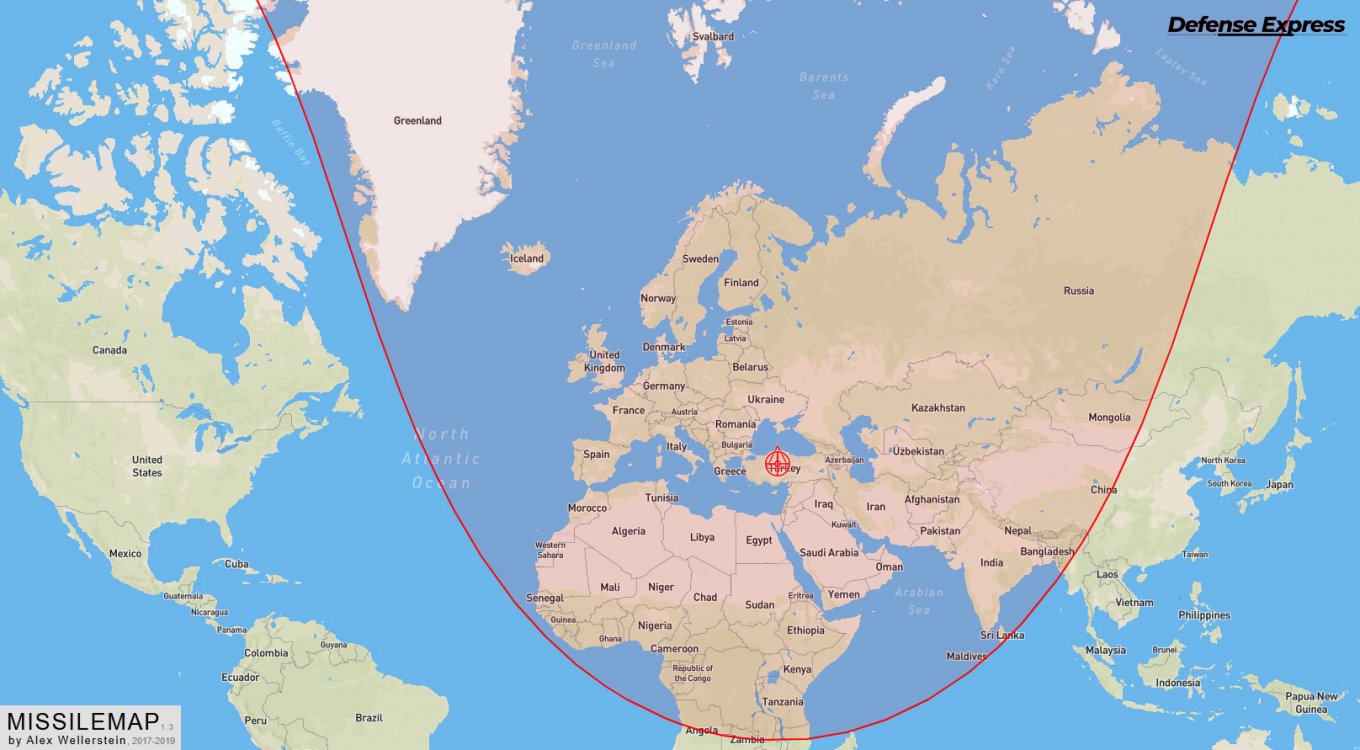
Turkiye has unveiled its own intercontinental ballistic missile, the Yildirimhan, for the first time. A maximum strike range of 6,000 km has been declared, sufficient to reach as far as Beijing, the capital of China.
Importantly, Turkiye does not currently possess nuclear weapons, meaning the new Yildirimhan ICBM will be armed with a conventional warhead. The declared warhead mass is 3,000 kg.
Read more: From Aid to Arms Sales: U.S. Sets Price as Ukraine Buys JDAM-ER Kits for the First Time
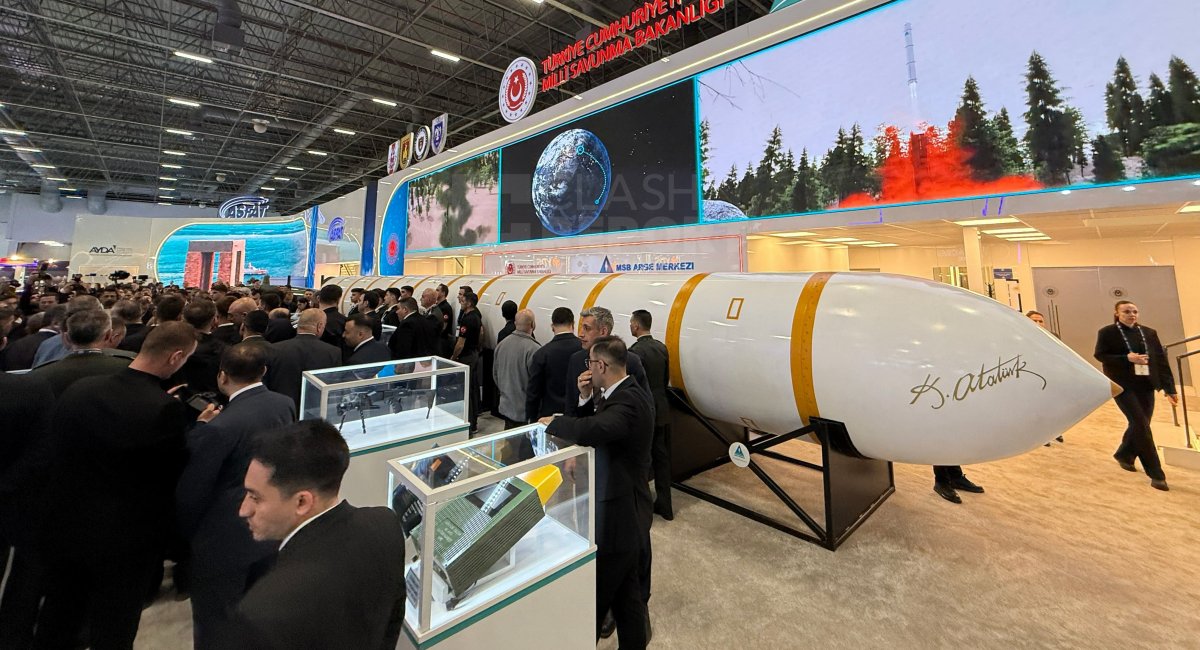
Developing such a large and costly missile solely to deliver a 3,000 kg conventional warhead to a target makes little practical sense, the expense is disproportionate to the result. This raises the question of whether the Yildirimhan may be groundwork for a future nuclear program.
Nuclear warheads, despite their enormous destructive power, are relatively compact and light. A 3,000 kg payload capacity could accommodate even a multiple independently targetable reentry vehicle (MIRV) assembly carrying nuclear charges that are far from optimized in terms of mass and dimensions.
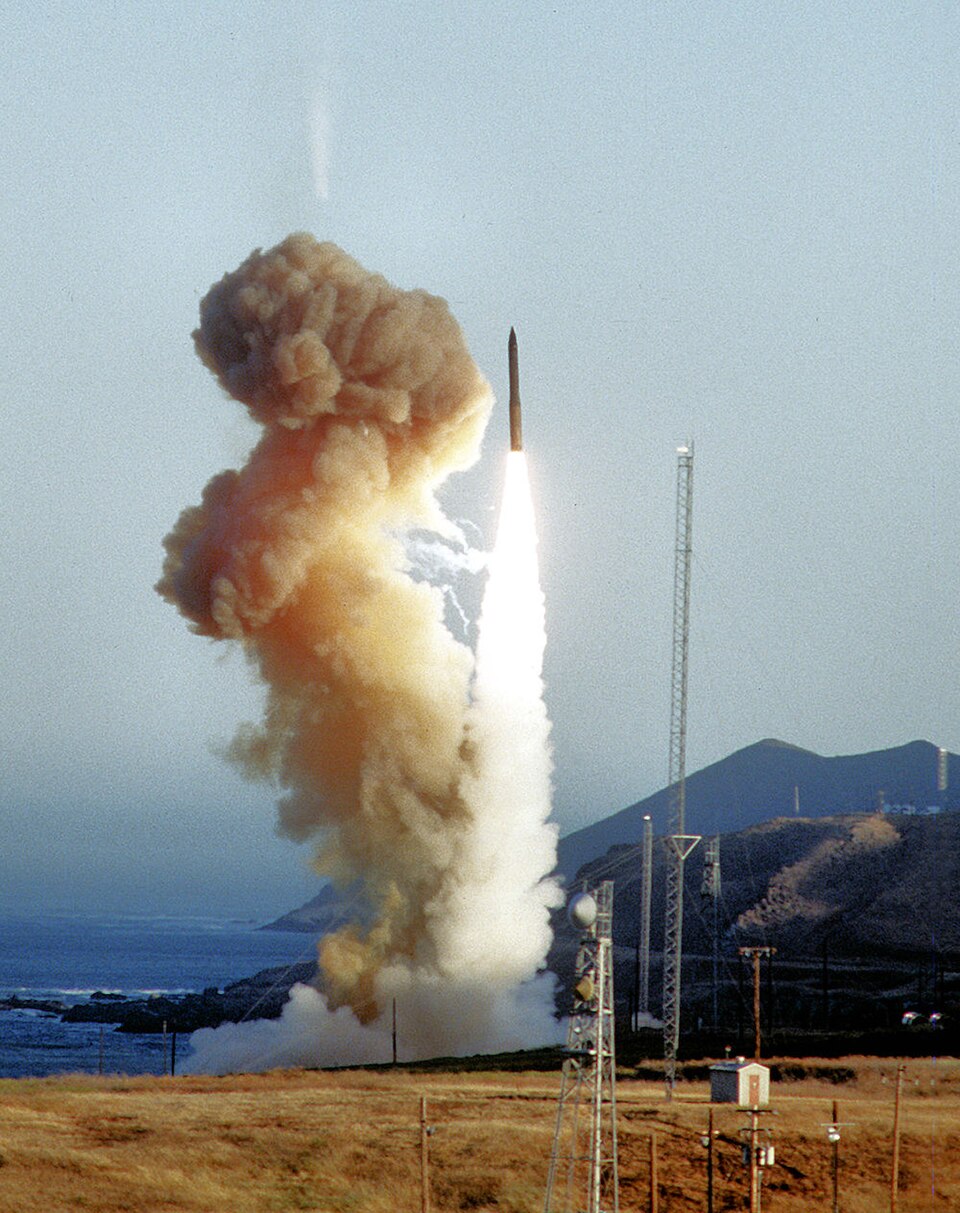
For comparison, the American Minuteman III ICBM carries the W87 nuclear warhead, rated at 300 kilotons and weighing only 180 to 270 kg. The Yildirimhan could therefore carry several such warheads simultaneously along with a bus vehicle, with significant mass margin remaining margin that could extend the missile’s maximum range by several thousand additional kilometers.
The Yildirimhan is, in other words, a fully viable platform for nuclear armament, and its 6,000 km range puts seven or eight nuclear-armed states within reach simultaneously. This hypothesis regarding the Yildirimhan's potential role in a nuclear program aligns well with Turkiye's ambitions to become a regional power nuclear status would firmly cement that position, particularly given that Israel already possesses nuclear weapons in the Middle East and iran stands one step away from acquiring them.
Achieving nuclear status would also strengthen Turkiye's position in Europe, where only France, the United Kingdom, and russia currently possess nuclear weapons. Whether Turkiye could actually acquire such weapons remains an open question, however, as it would face significant pressure from Western nations and from Israel in particular.
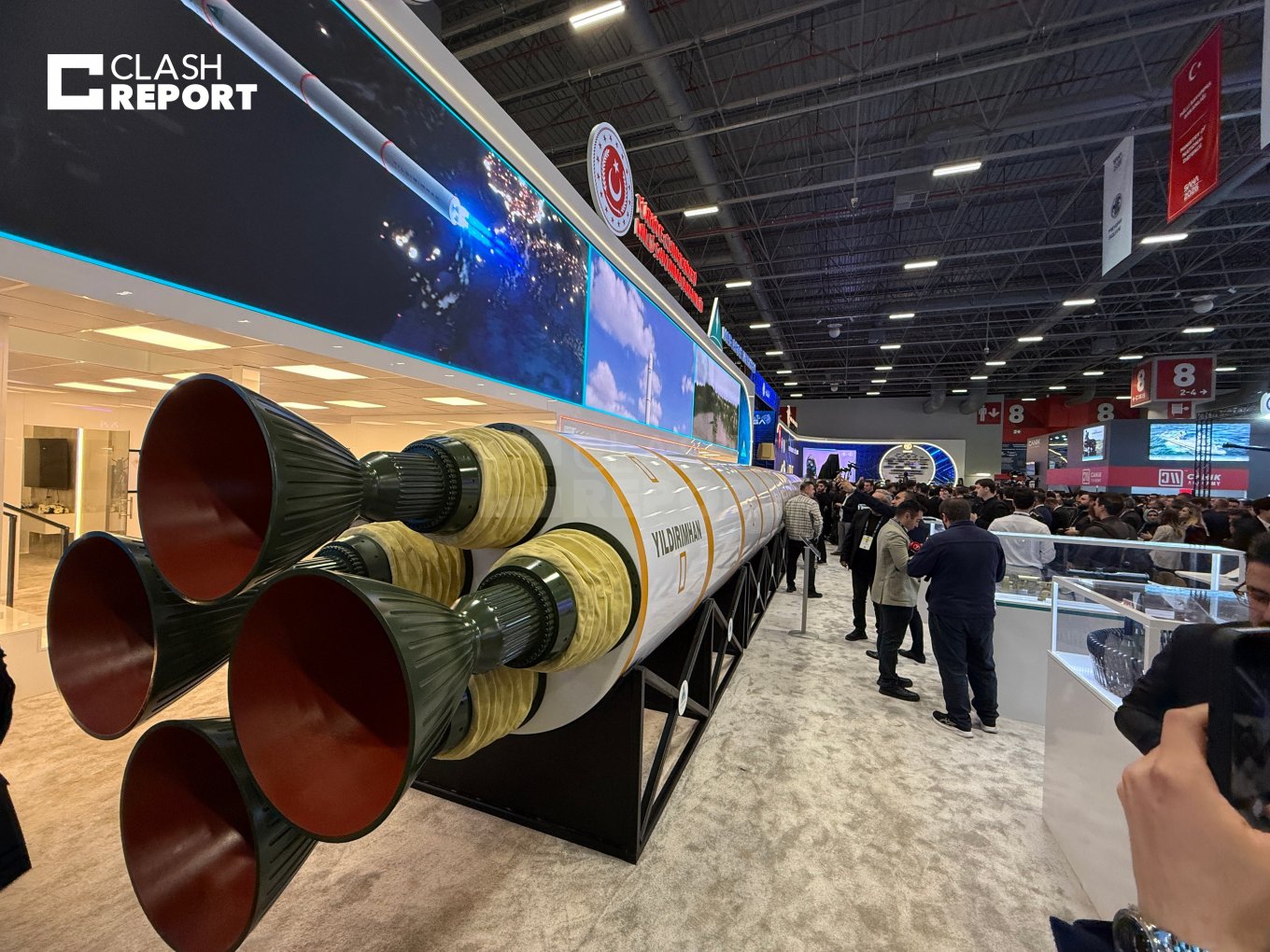
It should be stressed again that this remains speculation based on Turkiye's pursuit of its own intercontinental ballistic missile. It is worth recalling that South Korea has armed itself with the massive Hyunmoo-5 conventional medium-range ballistic missile, which carries a warhead of up to 8 tons across a maximum declared range of just 600 km. The Hyunmoo-5 was conceived as South Korea's answer to its northern neighbor's nuclear arsenal originally designed to destroy North Korean bunkers, including those where Kim Jong-un would shelter.
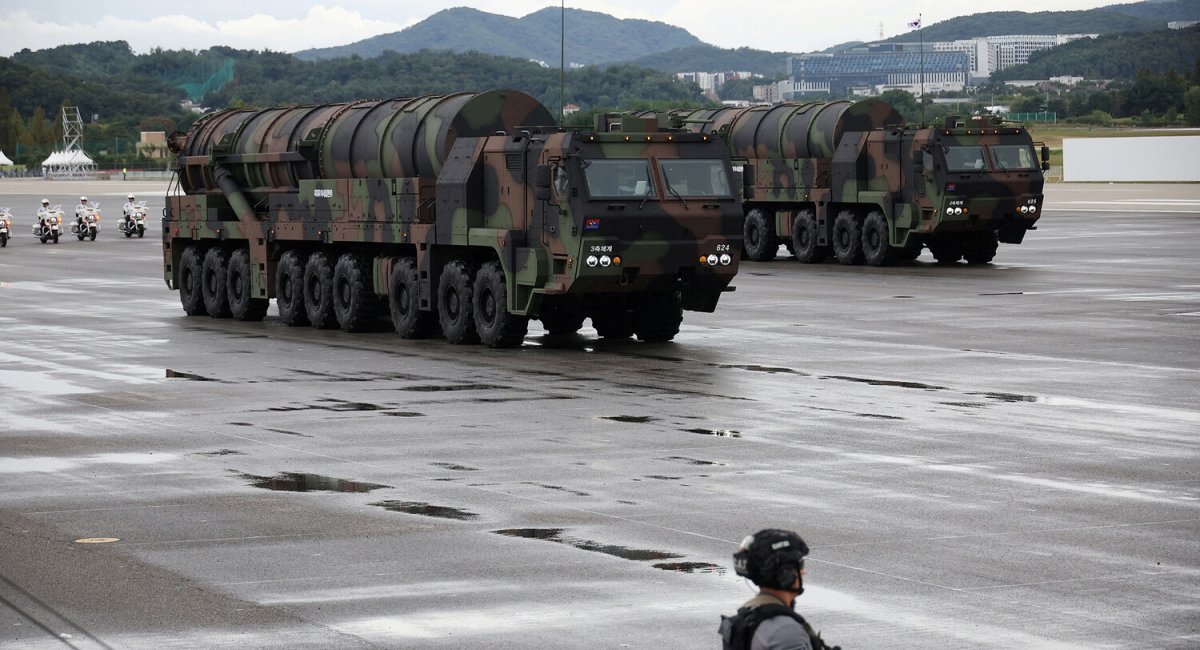
In recent times, however, the United States has shown diminishing interest in defending its allies, and the U.S remains South Korea's principal security partner. Seoul is therefore now seriously considering the development of its own nuclear weapons, for which the Hyunmoo-5 could serve as a delivery vehicle — a reduction in warhead mass could render it fully intercontinental in range.
Read more: Japan's Defense Export Pivot Draws Queue — Where Does Ukraine Stand and How Critical Is That?