


On the night of April 2-3, Islamic Revolutionary Guard Corps (IRGC) shot down American F-15E Strike Eagle fighter over iran for the first time since Operation Epic Fury began. Immediately after, a large-scale search and rescue operation was deployed to rescue pilots.
The first pilot was found and evacuated quite quickly within several hours, but the second pilot was searched for two days. To conduct this rescue mission, Americans right in iran's heart, over 380 km from Iraq border, in a field near Isfahan city on a dirt airstrip deployed a forward base.
Read more: GA-ASI's Dark Merlin Crashes Months Before Production Contract Decision, First Known CCA Loyal Wingman Accident
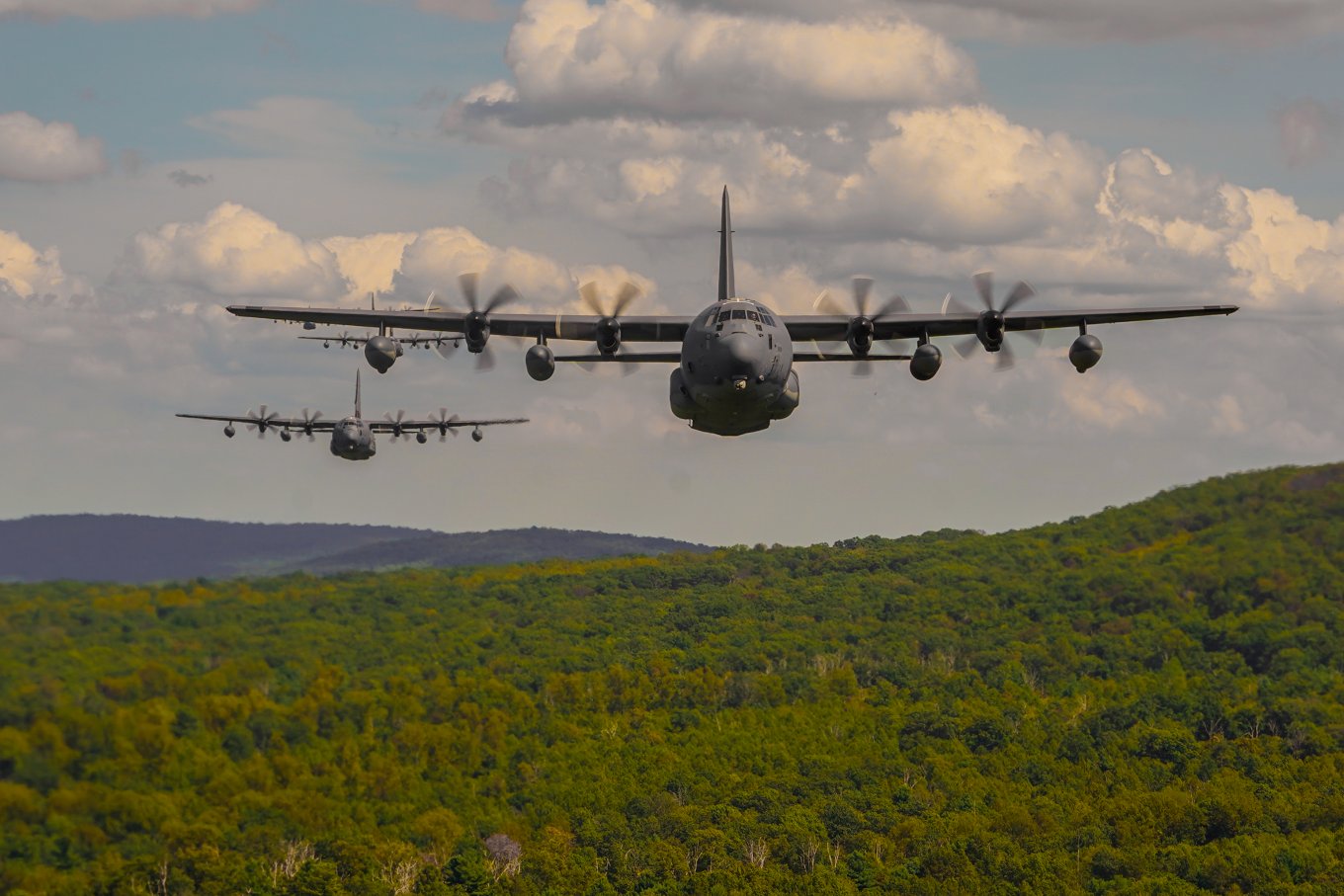
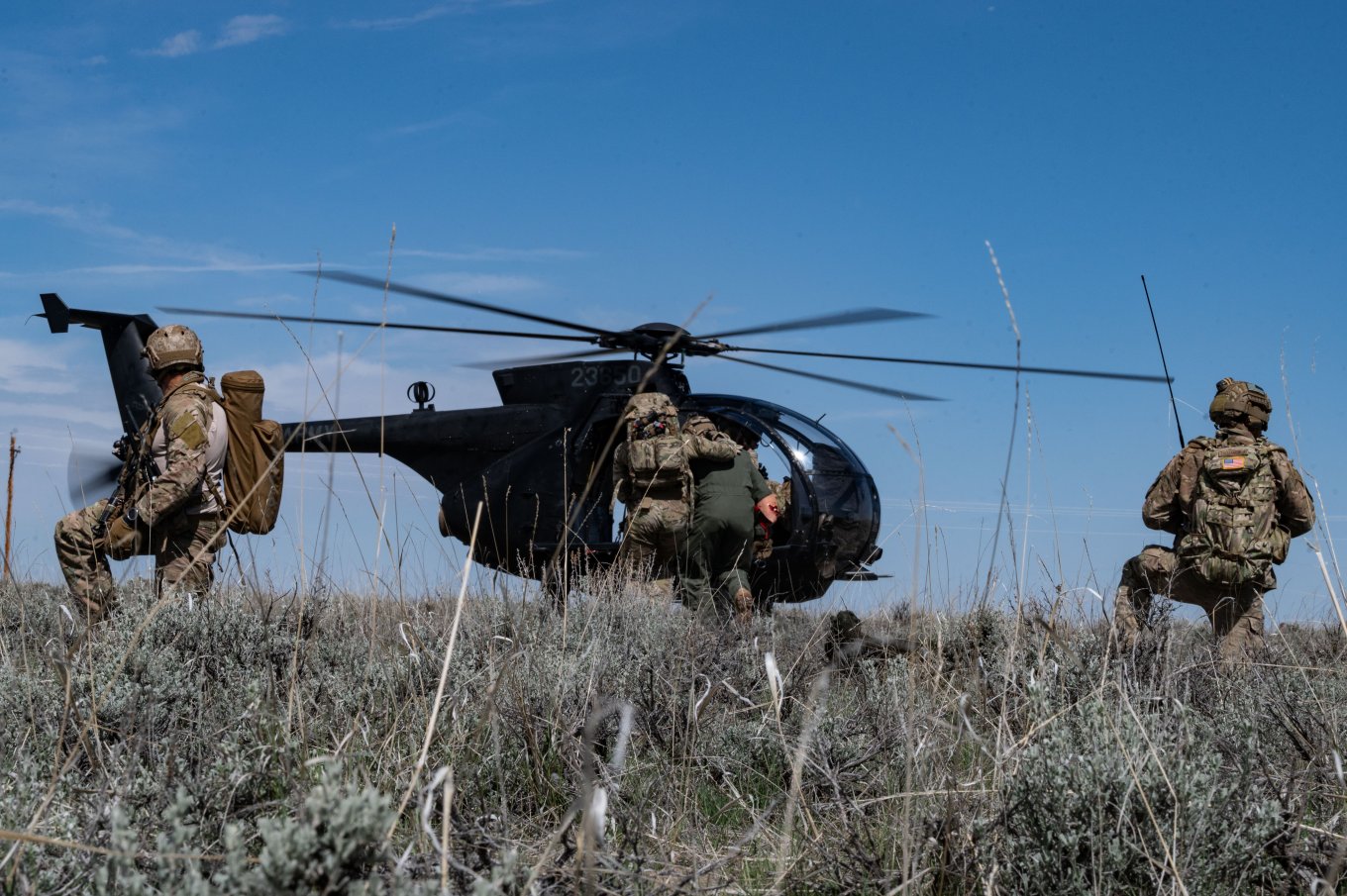
During the search operation, at least 4 MH-6 Little Bird helicopters and 2 MC-130J Commando II military transport aircraft — significantly modernized C-130 Hercules designed for special operations forces employment — were stationed at this forward base.
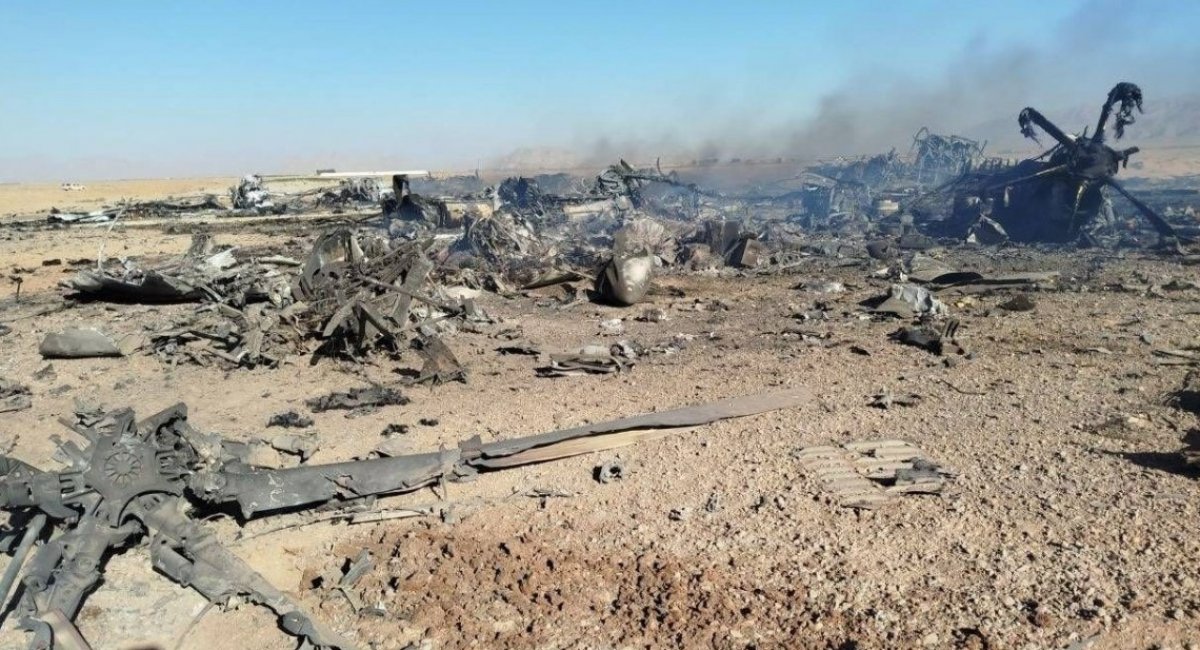
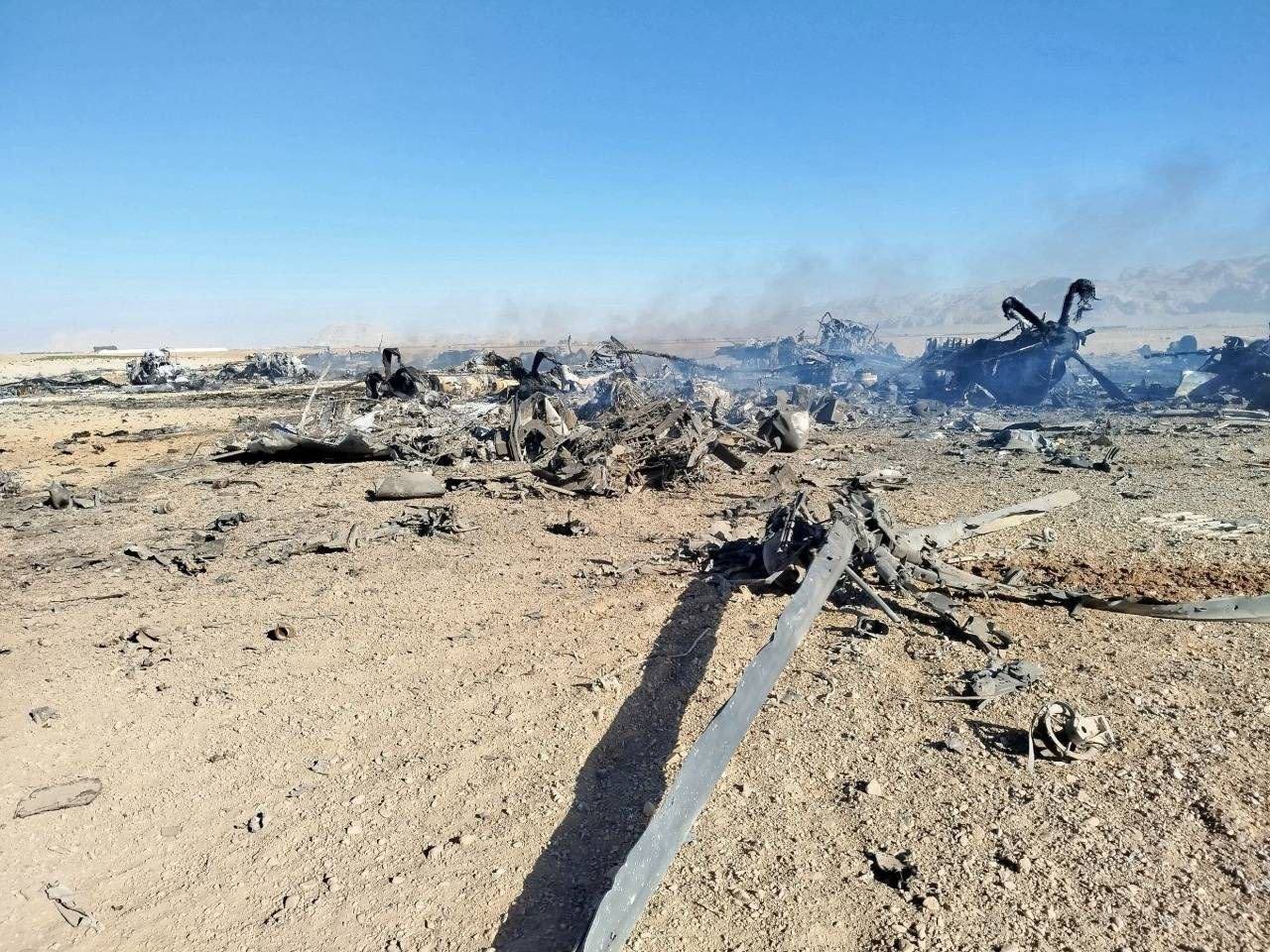
After rescuing the second F-15E Strike Eagle pilot on April 4, the forward base was dismantled. However, for some reason the MC-130J Commando IIs could not take off from this dirt airstrip, consequently forcing American special operators to blow up two of their MC-130J Commando IIs so they would not be captured by iranians.
Besides this, Americans were forced to destroy one to four MH-6 Little Bird helicopters at this forward base. These helicopters were likely delivered there aboard two MC-130J Commando II transport aircraft, which is entirely provided for by their design.
After which MH-6 Little Birds on site conducted searches and pilot evacuation to the forward base. However, after destroying both MC-130J Commando IIs, it became impossible to transport them back. The fact is they have maximum flight range of 430 km, which can only be achieved with minimum load.
As mentioned above, it is at least 380 km to Iraq border where American military bases are located. In other words theoretically, with full tanks they could fly there, but one must consider that flights in iran's skies are very dangerous.
This is precisely why American helicopters needed to fly fast at low altitudes with terrain masking and avoiding zones where air defense systems are potentially located, significantly increasing the route.
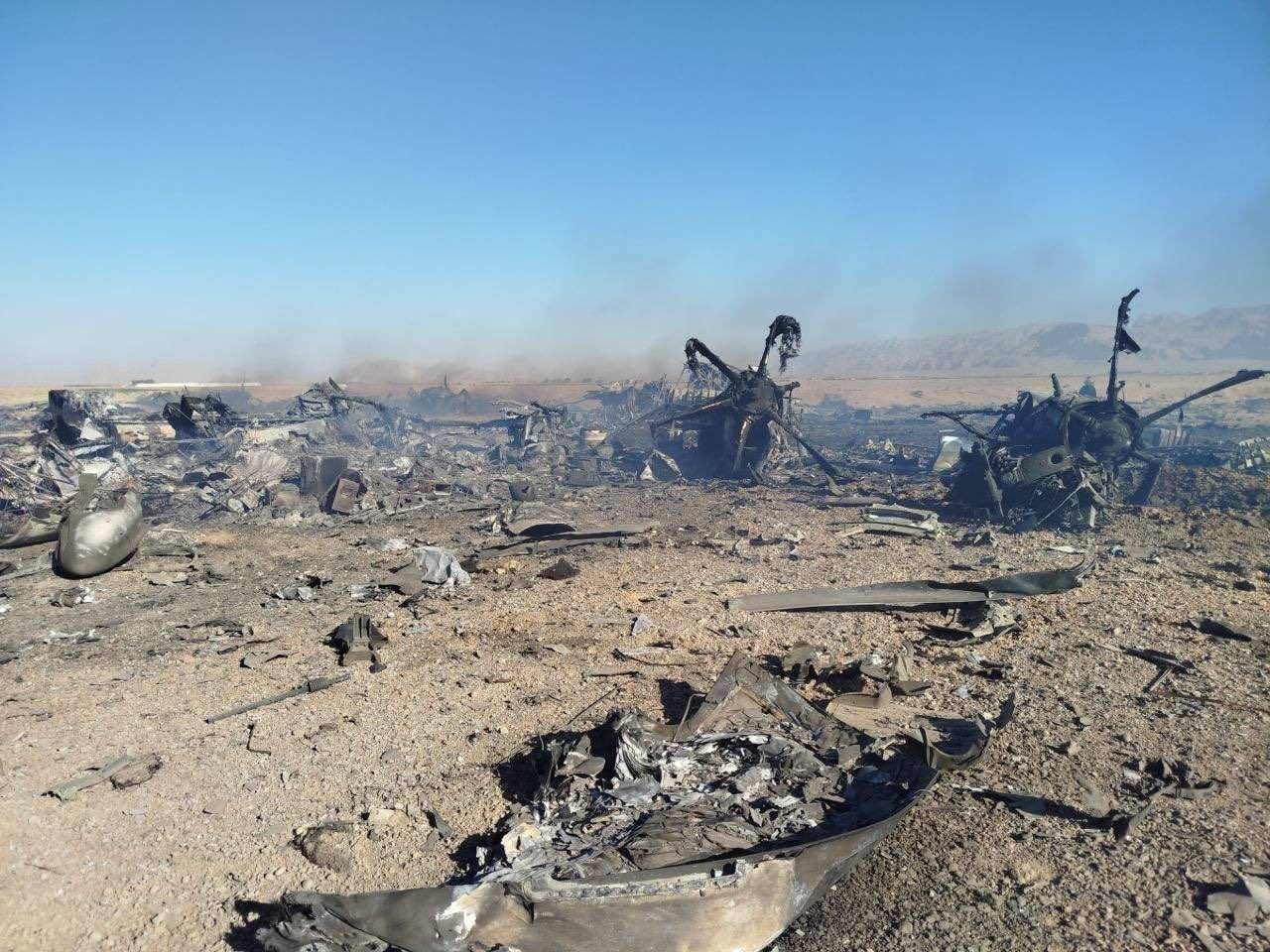
Therefore, it appears considering all these nuances, American special operators decided not to risk evacuating MH-6 Little Birds, simply destroying them on site.
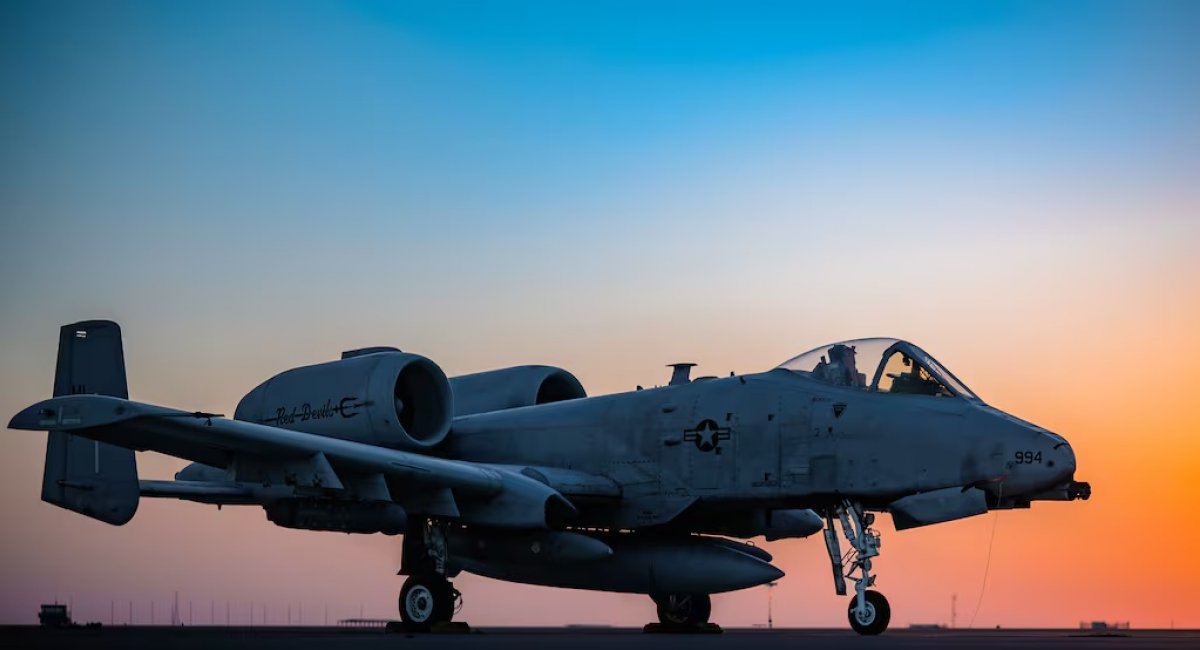
However, these were not the only U.S. Army losses during this rescue operation. It is known that two UH-60 helicopters were damaged in iran's skies but managed to return to Iraq. Additionally, an A-10 Thunderbolt II attack aircraft was struck over iran, which managed to fly out of iranian territory after which the pilot safely ejected over the Strait of Hormuz.
Read more: Article 5 Doesn't Require Fighting U.S. Could Send Deep Concern Instead of Troops, Stay Within NATO Treaty