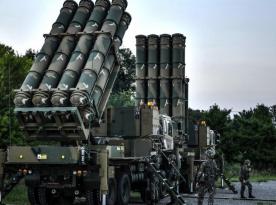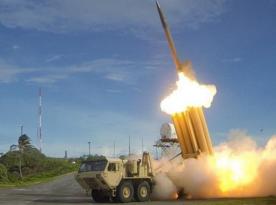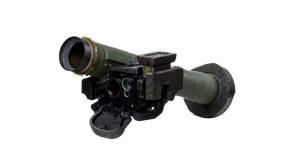
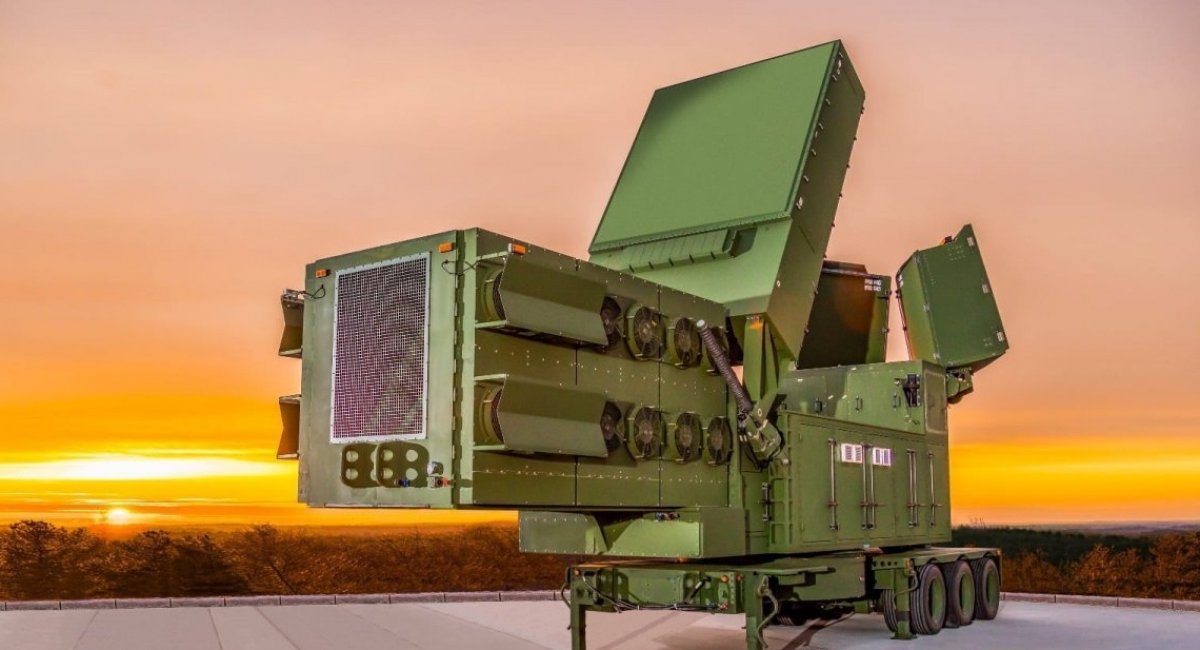
The U.S. Army has allocated $33.8 million to Lockheed Martin to support ground and launch testing of the Lower Tier Air and Missile Defense Sensor (LTAMDS) radar as part of the Patriot SAM system. This means verifying the capability to intercept ballistic and hypersonic missiles such as Iskander-M and Kinzhal.
Work under this contract is expected to conclude on March 31, 2027. This date can be considered the final deadline for completing testing of the new radar as part of the air defense system, though theoretically, everything could be ready earlier.
Read more: Switzerland May Abandon Patriot for SAMP/T, Eurosam Names Delivery Timeline for First Systems
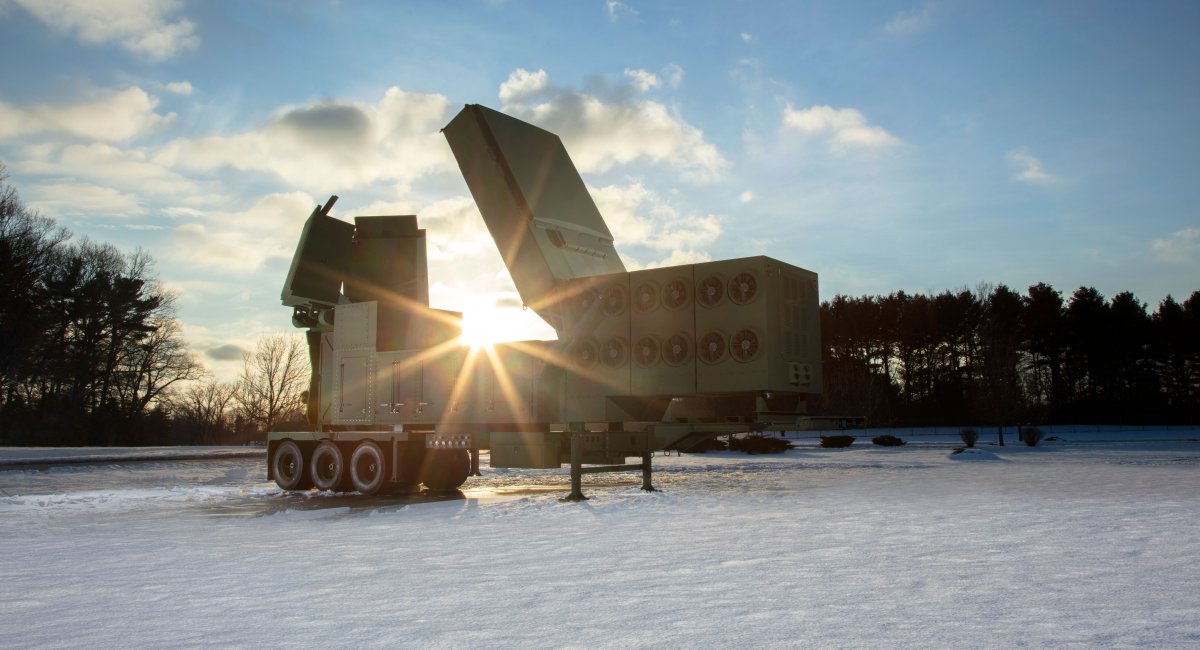
LTAMDS was created to correct one of the Patriot SAM system's biggest shortcomings sector scan coverage. Current AN/MPQ-53 and AN/MPQ-65 radars provide detection and guidance only in a limited sector, allowing missiles to be launched through blind zones.
The new radar now has three radar arrays providing 360-degree coverage simultaneously. This minimizes opportunities for enemy missiles and drones to slip behind air defense systems.
LTAMDS itself is currently undergoing testing to confirm its capabilities under various conditions. For the U.S. Army, now modernizing its own systems, verifying that everything works as intended and is no worse than before is important.
The new radar has entered serial production with planned annual output rates of 12 units per year. There is already a first foreign order from Poland for its Patriots, with antenna manufacturing also being localized there.
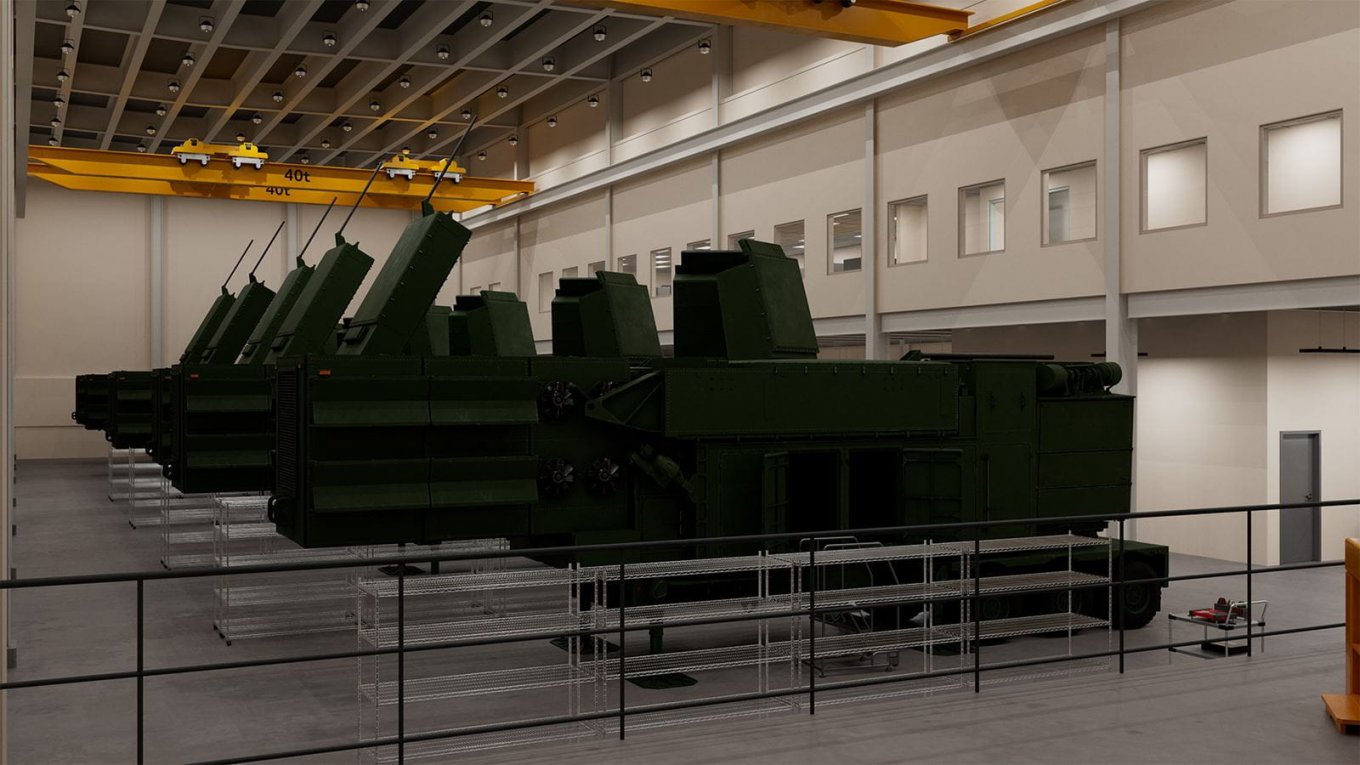
However, manufacturer Raytheon already reports numerous expressions of interest from many other clients. Accordingly, production volumes are planned to immediately increase to 18 units annually, a 50% increase.
LTAMDS production is currently secured through 2030, for which the U.S. will gradually allocate $1.025 billion. This should effectively become the standard radar for future Patriot deliveries, though this will certainly raise the price per SAM system.
Read more: Borrowing From Ukraine, U.S. Army Trains to Shield Advancing Armor With Drone-Deployed Smoke