


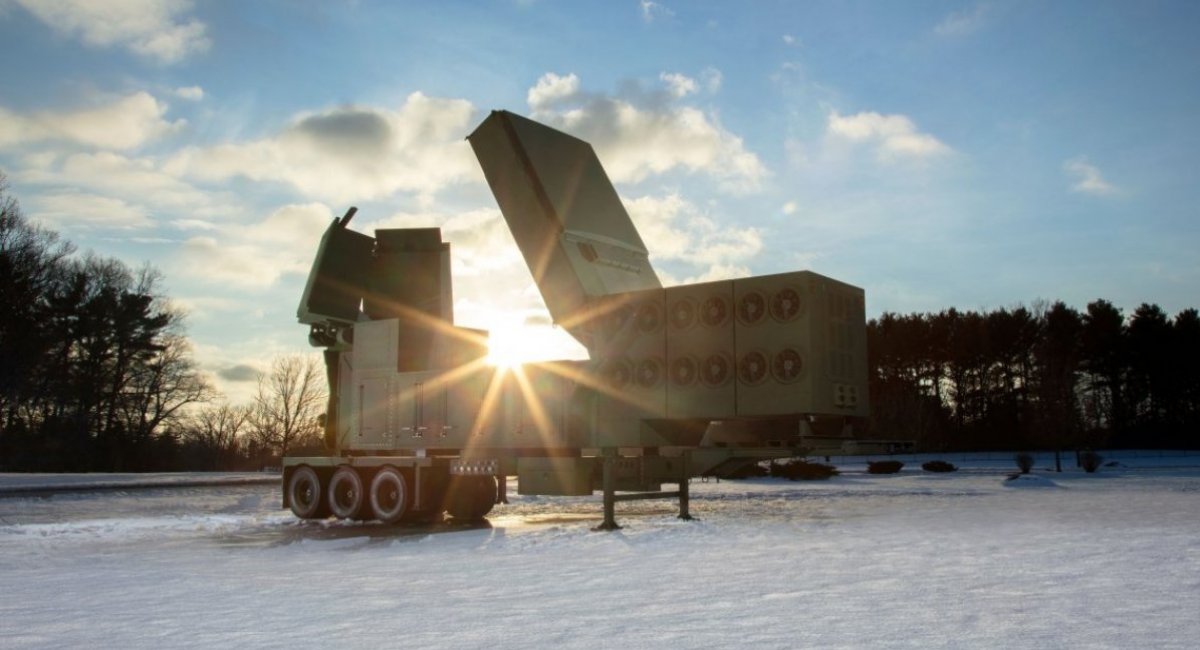
The United States has allocated $1.025 billion for the production of the new Lower Tier Air and Missile Defense Sensor (LTAMDS) radar, a key upgrade intended to address one of the most critical weaknesses of the Patriot air and missile defense system. The radar is designed to significantly improve Patriot system's effectiveness against modern ballistic threats, including russia's Iskander-M missiles.
According to details released by the Pentagon, the funding will support LTAMDS production through the end of March 2030. However, only about $255 million will be provided upfront from the FY2026 defense budget, with the remaining funds expected to be allocated gradually in subsequent years. This phased financing reflects both the scale of the program and long-term U.S. planning for air and missile defense modernization.
Read more: Safran Invests €70 Million to Scale Production of M88 Engine Components for Rafale Fighter
The contract will be executed by Raytheon, with production centered at the company's facility in Andover, Massachusetts. This site is responsible for manufacturing Raytheon's radar systems, including its most advanced sensor technologies, making it a logical hub for LTAMDS serial production.
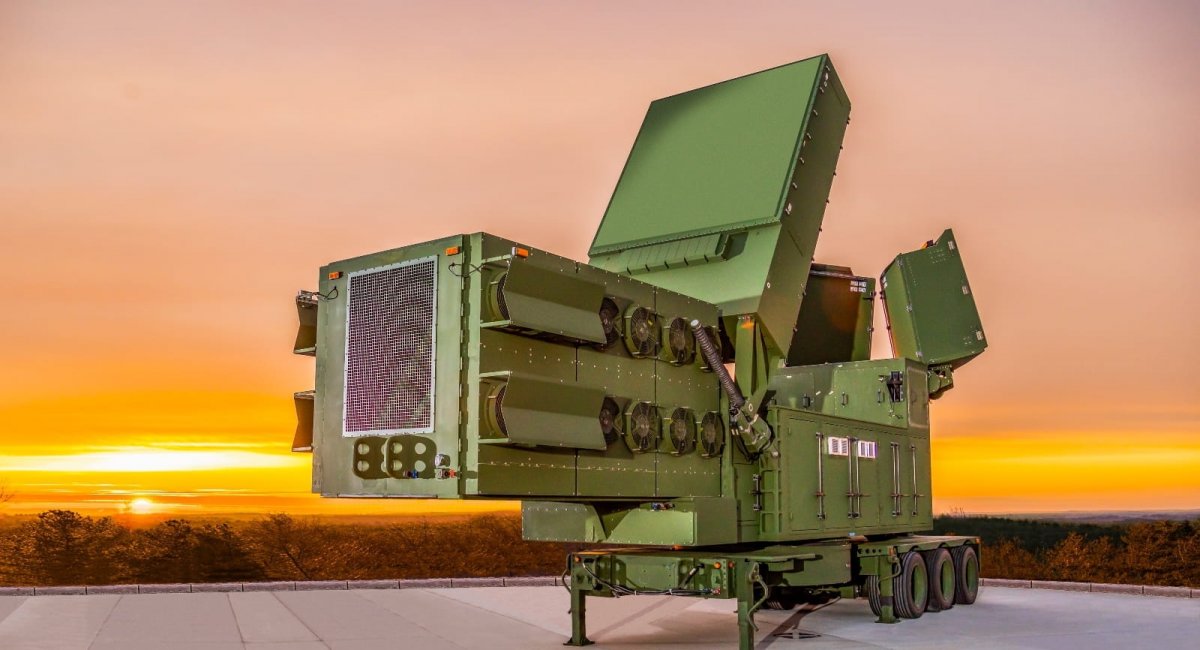
One of the longstanding vulnerabilities of Patriot system lies in the sector-limited coverage of its legacy AN/MPQ-53 and AN/MPQ-65 radars. Their fixed field of view creates so-called blind zones, which adversaries can exploit when planning missile attack profiles. Russian forces, in particular, have demonstrated the ability to tailor ballistic missile launches to exploit these coverage gaps.
LTAMDS radar is designed to resolve this issue by providing full 360-degree coverage. In addition to the main radar array, the system incorporates two auxiliary side arrays, eliminating blind spots and improving the ability to detect, track, and engage complex threats approaching from multiple directions. This architecture is specifically intended to counter advanced ballistic missiles that maneuver or approach from unexpected vectors.
The radar has only recently completed key testing phases and entered the early stage of serial production. Initial production rates are planned at 12 units per year, but Raytheon intends to increase output to 18 annually in response to strong international demand. This reflects a broader trend of allies seeking to reinforce air and missile defense capabilities amid a deteriorating global security environment.
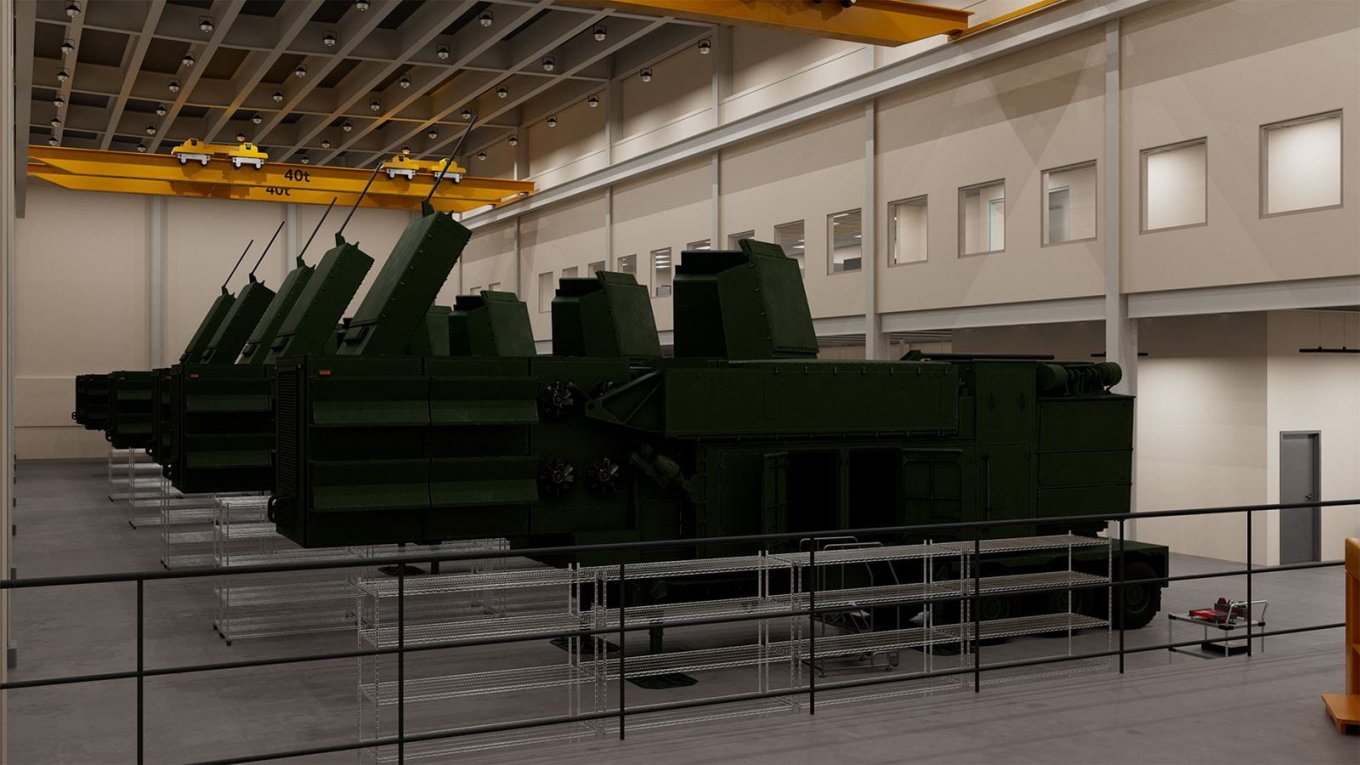
Poland became the first international customer for LTAMDS system, acquiring the radar as part of its new Patriot air defense systems. Notably, the program also includes localization of antenna production in Poland, aligning with Raytheon's broader strategy to expand manufacturing capacity and involve partner nations in the supply chain.
Overall, the LTAMDS program highlights the surging global demand for advanced air defense solutions. Alongside systems such as IRIS-T SLM and SLS, radar manufacturers are racing to scale production. Companies like Germany's Hensoldt and France's Thales are also expanding capacity, underscoring that sensors and radars are becoming just as critical, and just as strained, as interceptor missiles themselves in modern air defense architectures.
Read more: Germany Rejects €600M EW System As Irrelevant After Learning From Ukraine's Drone War