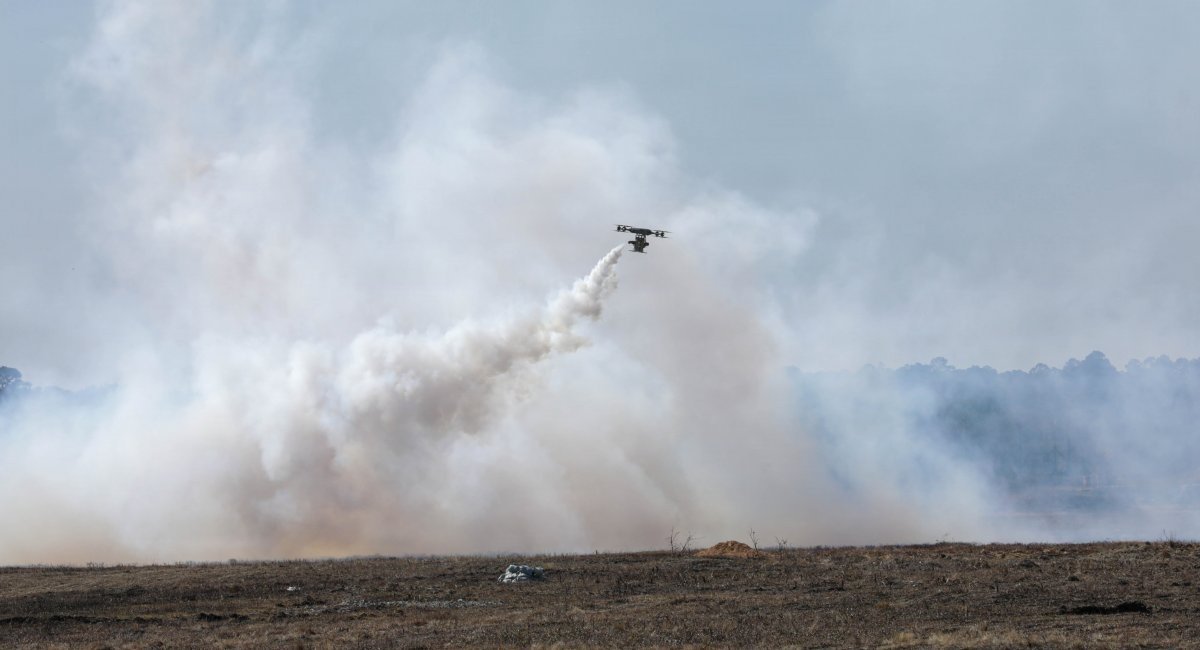
The exercises, dubbed Spartan Focus 2026, included extensive multi-week maneuvers at Fort Stewart, Georgia. One of the most notable elements was the deployment of drones carrying compact smoke-screen systems.
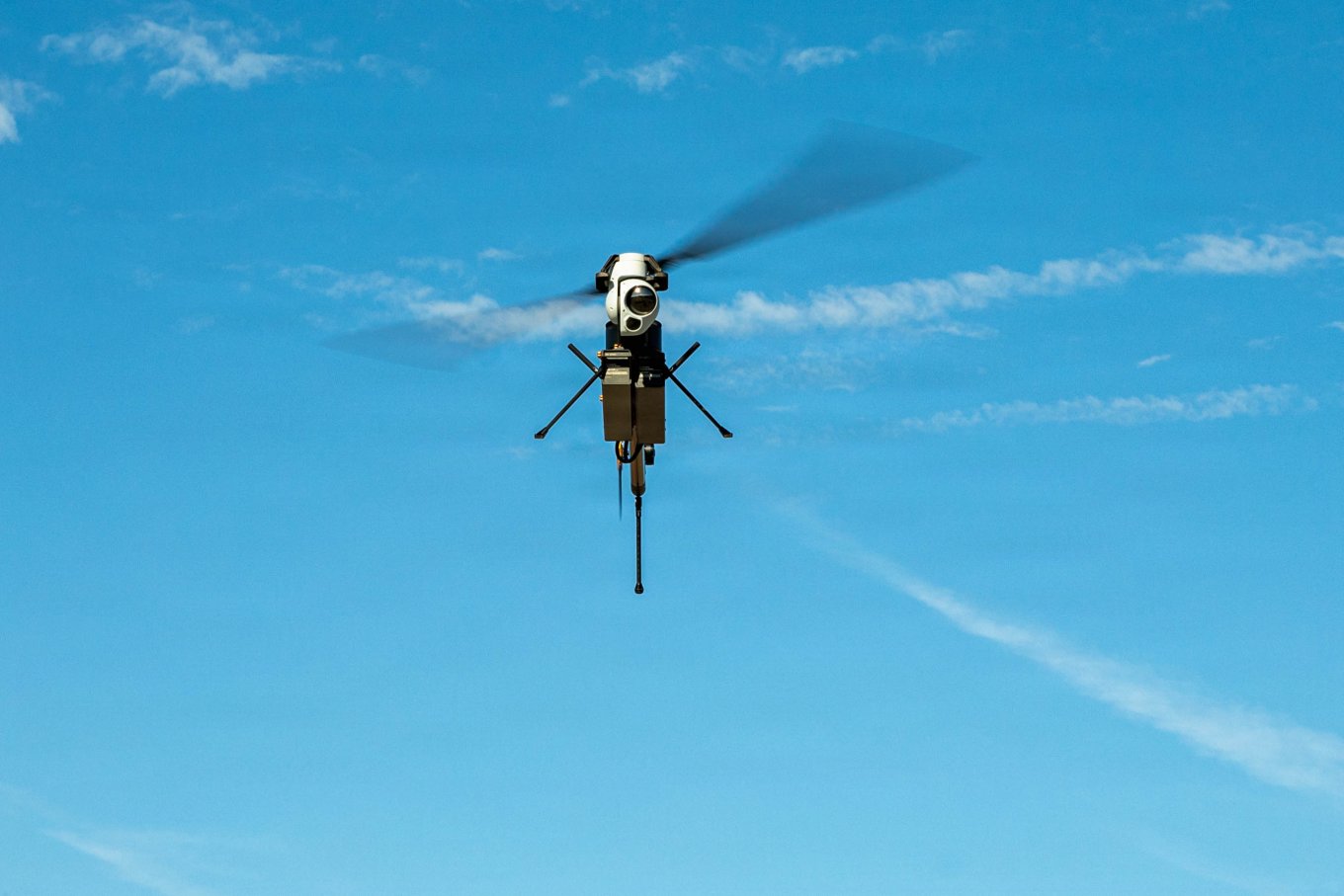
Based on published photographs, these were heavy eight-rotor drones fitted with compact smoke-generation modules resembling the M75 Screening Obscuration Module produced by the U.S. company L3Harris.
Read more: Six Weeks from Concept to Flight: Quantum Systems and Airbus Unveil RAT Jet Drone
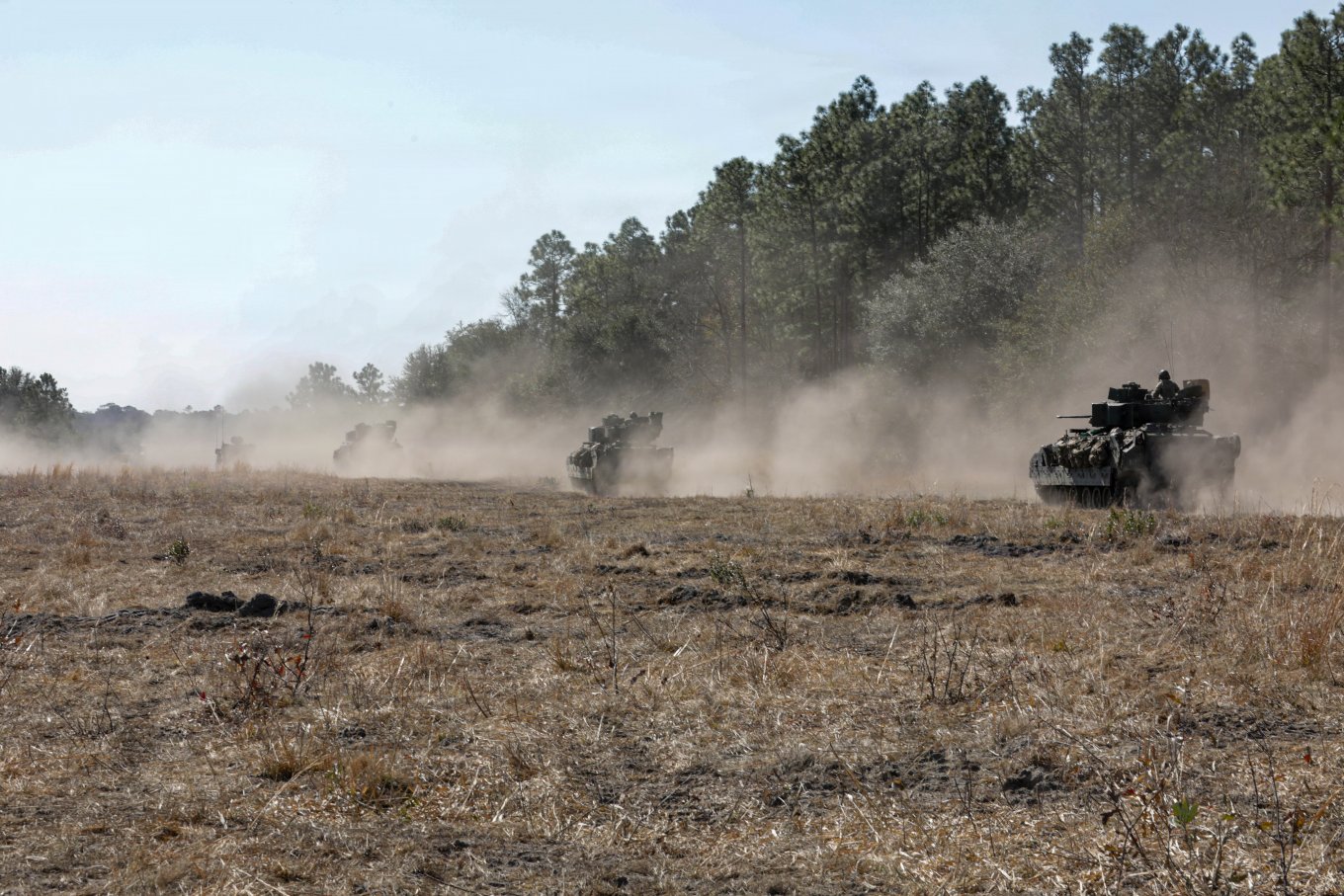
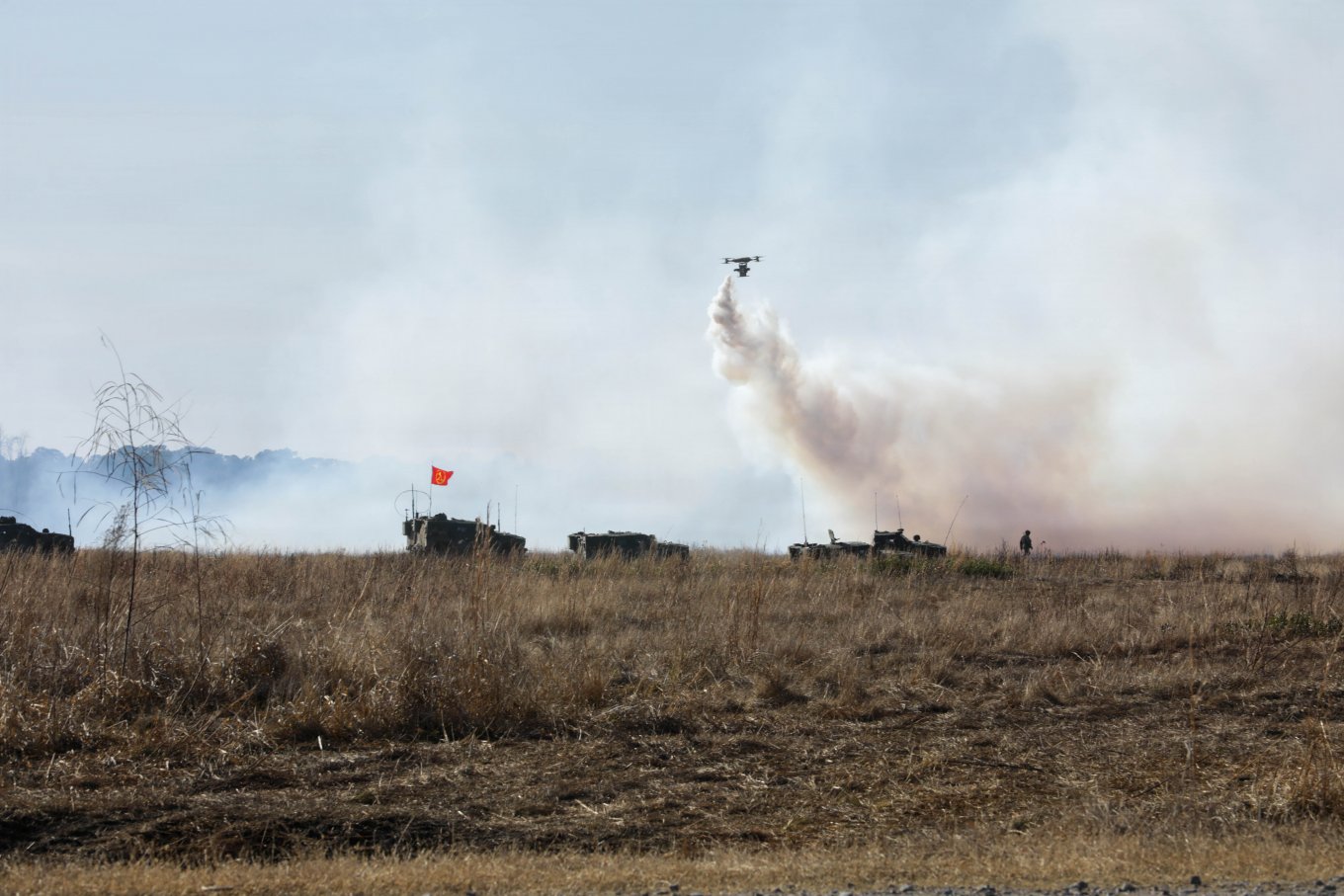
The concept envisions such heavy drones accompanying armored vehicle columns, likely during assault operations. Flying ahead of the formation, they deploy smoke screens over dangerous sections of the route.
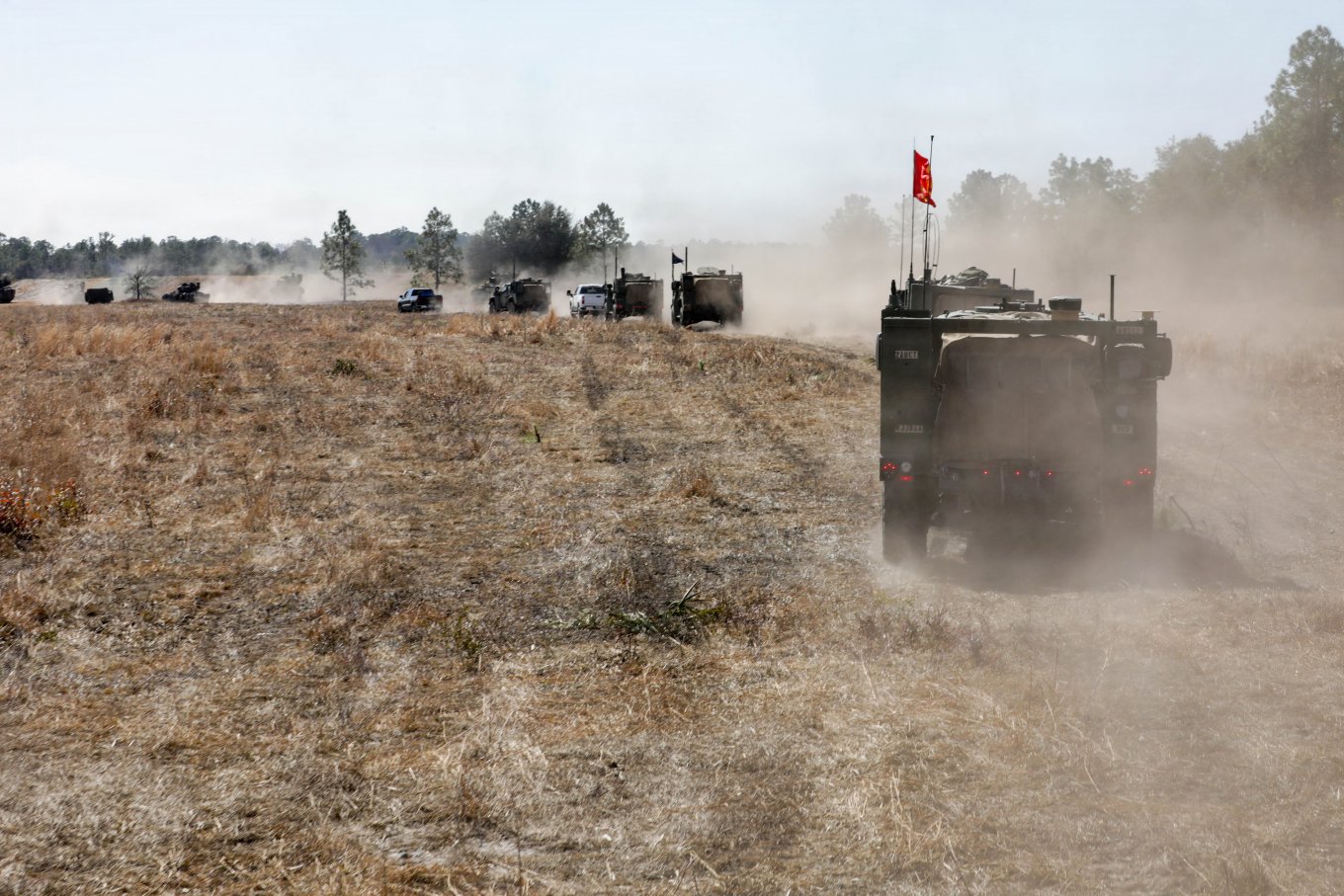
Images from the exercises show large U.S. vehicle columns, including various MRAPs, pickup trucks, and M2A4 Bradley IFVs, advancing along designated routes.
The accompanying UAVs generate smoke screens over exposed stretches where the column could come under fire from enemy positions. They maintain the obscuration until all vehicles have safely passed through the danger zone.
Below is a video demonstration of the compact M75 Screening Obscuration Module smoke-screen system. This exact system, or a similar one, was mounted on a drone during the exercises:
Overall, the concept of using drones to deploy smoke screens and shield columns along the most dangerous segments of a route appears practical. If a column is advancing toward an assault objective and the only available approach is covered by enemy anti-tank guided missiles, a smoke screen could help protect the vehicles and allow them to reach their objective more safely. However, such measures would not provide protection against enemy strike drones, which have become one of the primary threats to armored vehicles on today’s battlefield.
The exercises included a much broader range of maneuvers. Various types of unmanned systems were actively employed throughout the drills.
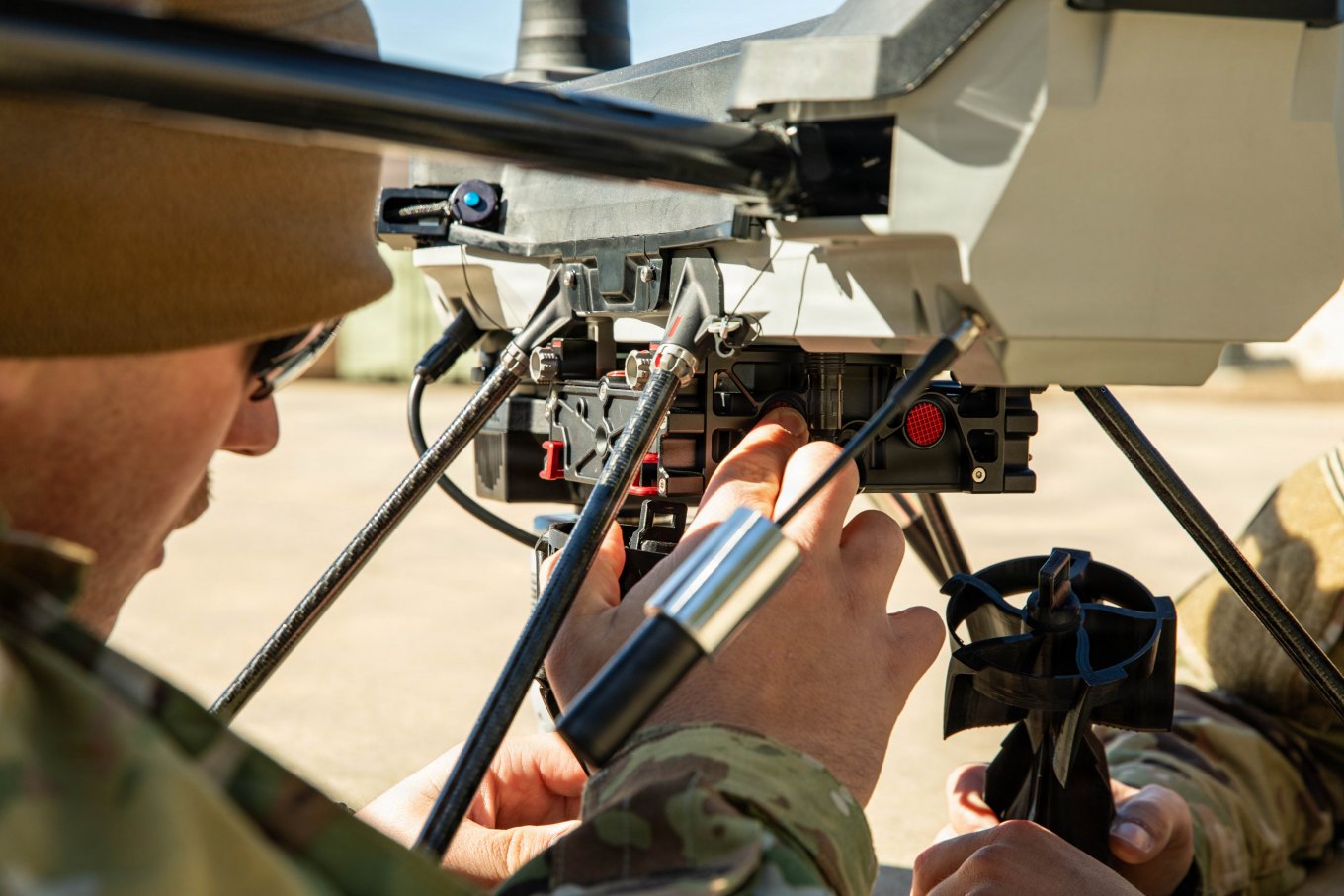
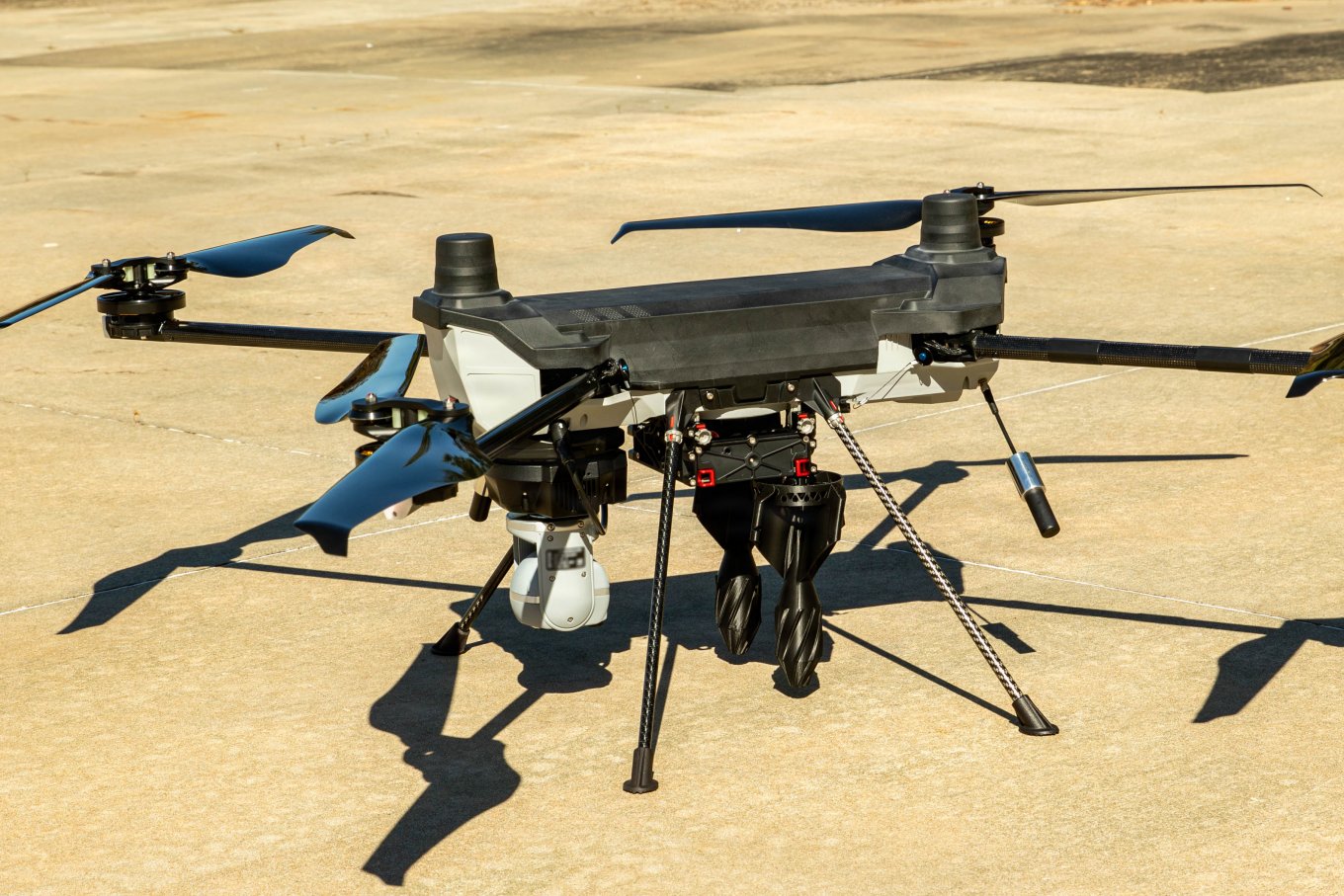
Among them were C100 drones used as heavy bombers, similar in concept to Ukraine’s Vampire, also known as Baba Yaga, carrying 3D-printed munitions.
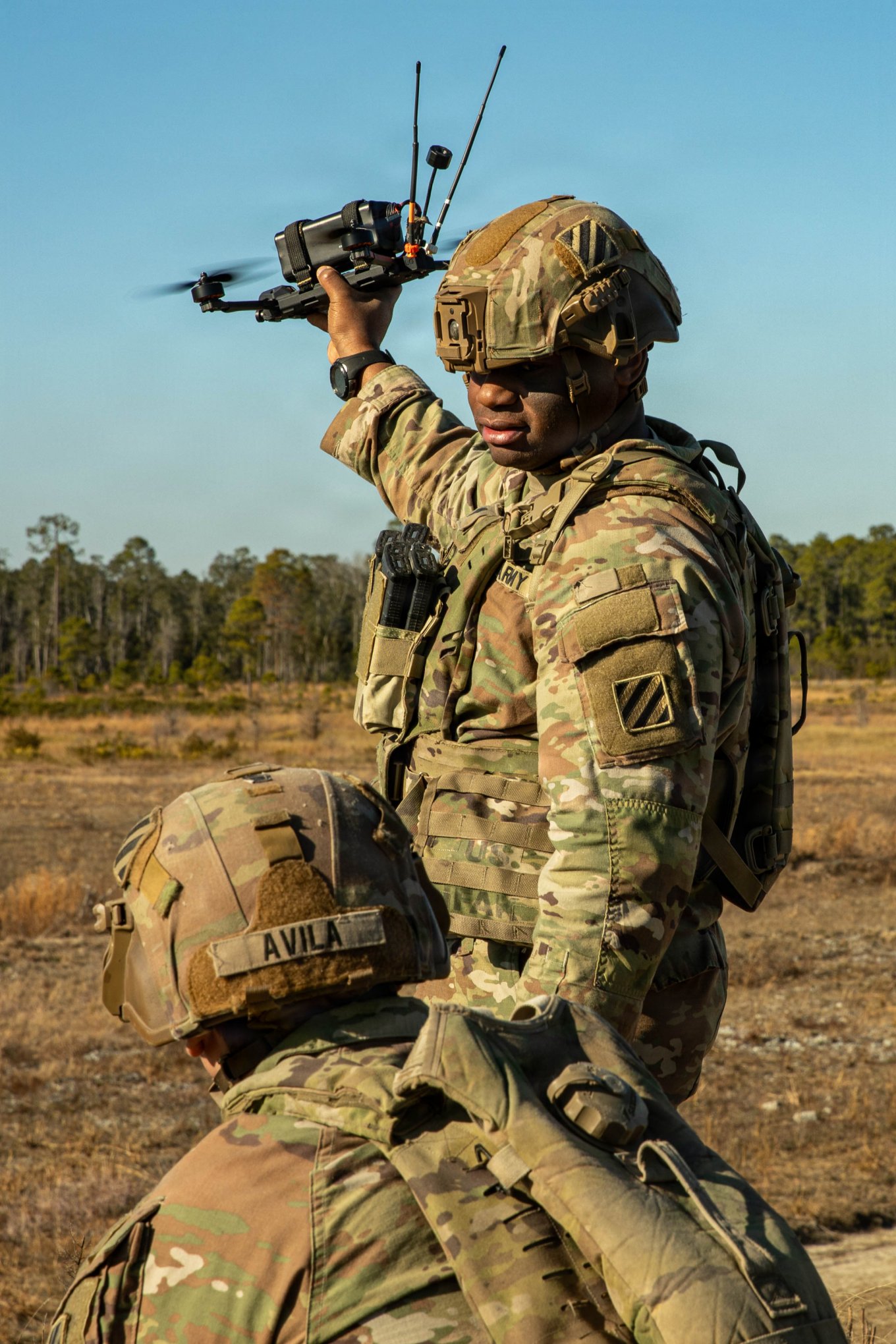
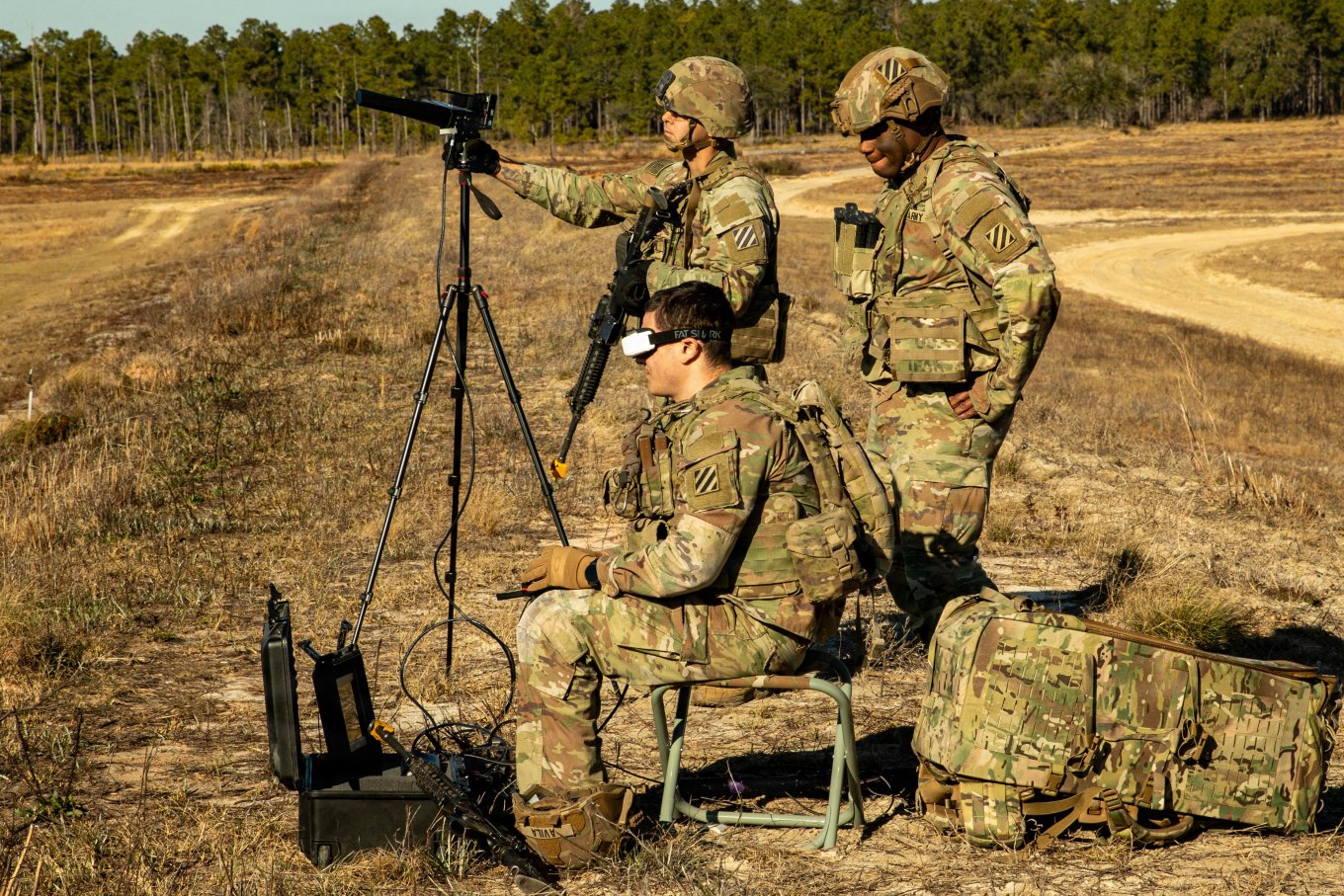
FPV drones were likely employed either in reconnaissance roles or as loitering strike platforms, training for precision attacks.
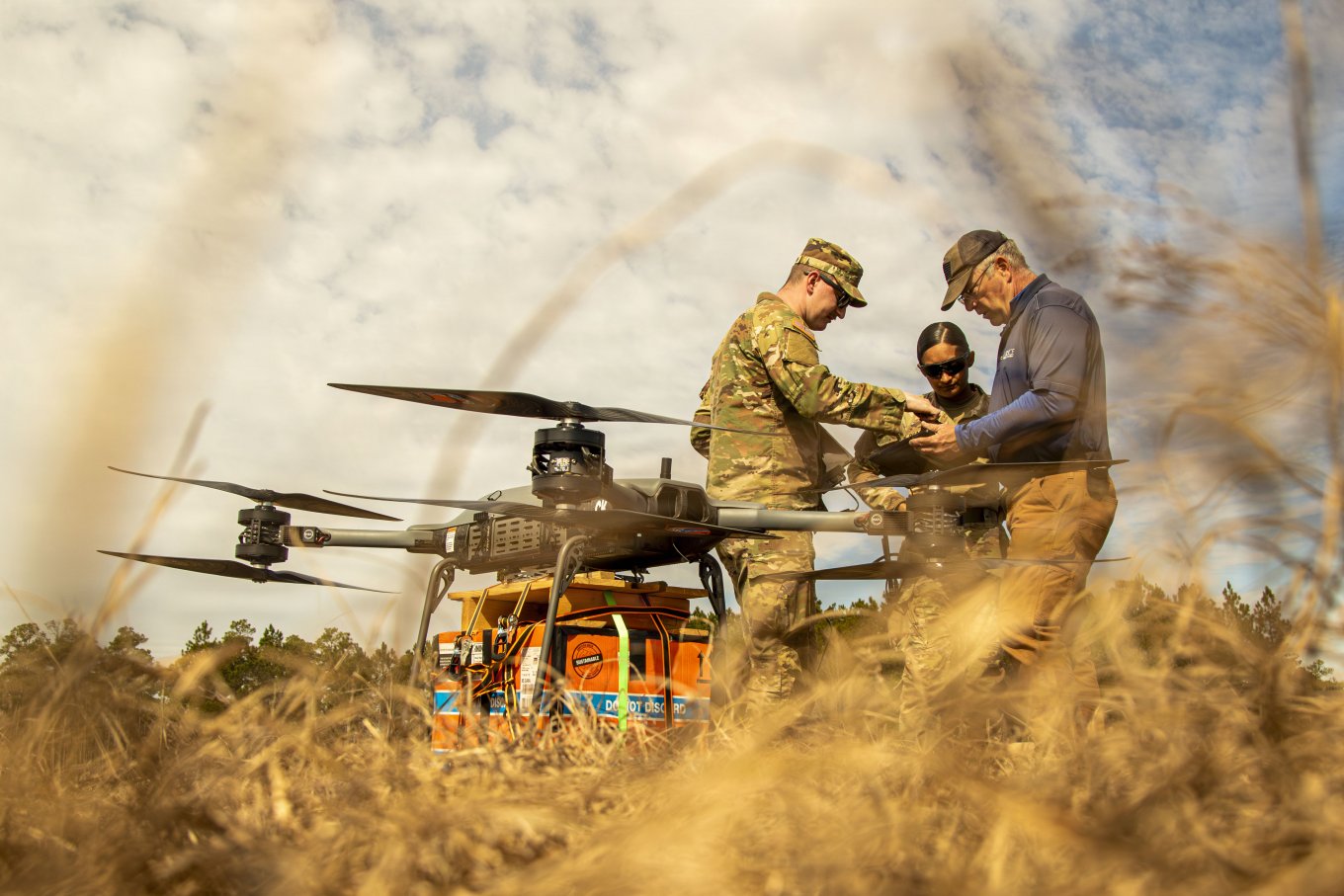
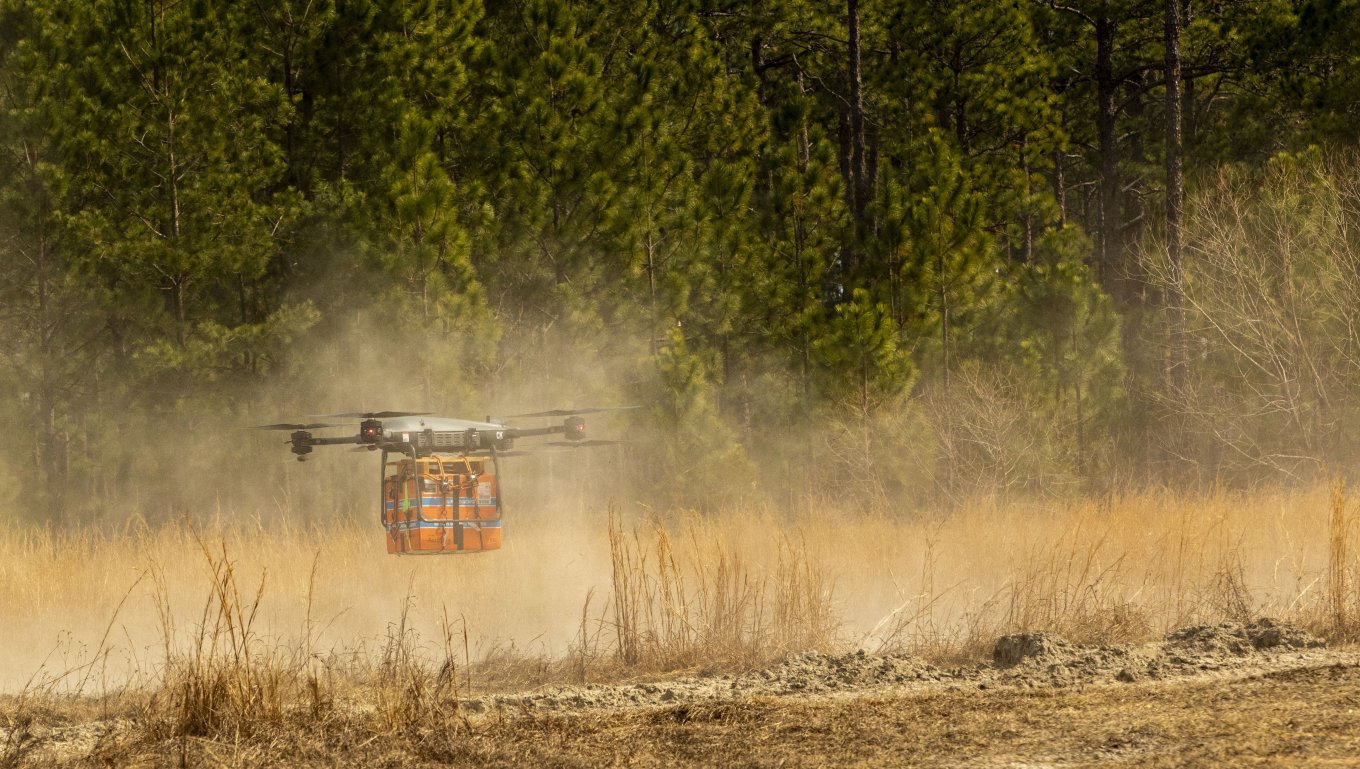
Multipurpose TRV-150 UAVs were used as cargo drones to deliver supplies such as medical kits and ammunition to forward positions.
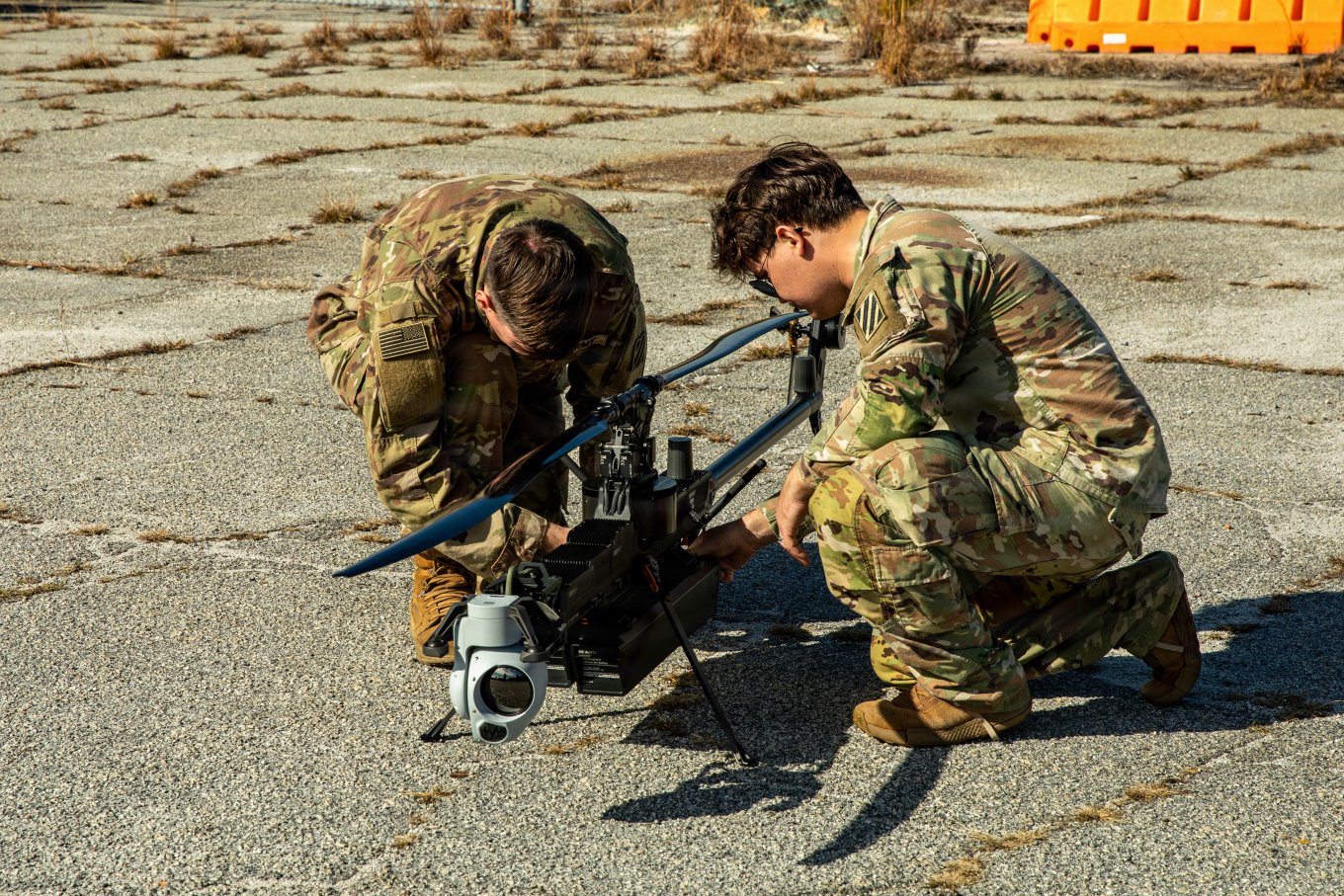
Additionally, Ghost X UAVs were deployed. These platforms can be used for reconnaissance, creating what is often described as a "transparent battlefield," adjusting artillery fire, and conducting strike missions. Notably, Ukraine's Armed Forces reportedly began using these drones as early as 2022.
Read more: U.S. Reveals When Extremely Expensive LGM-35A Sentinel Will Reach Initial Operational Capability