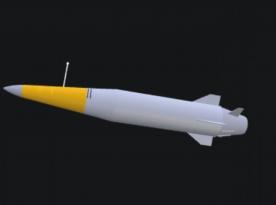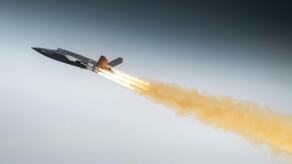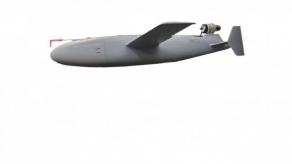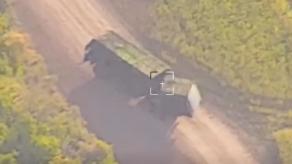



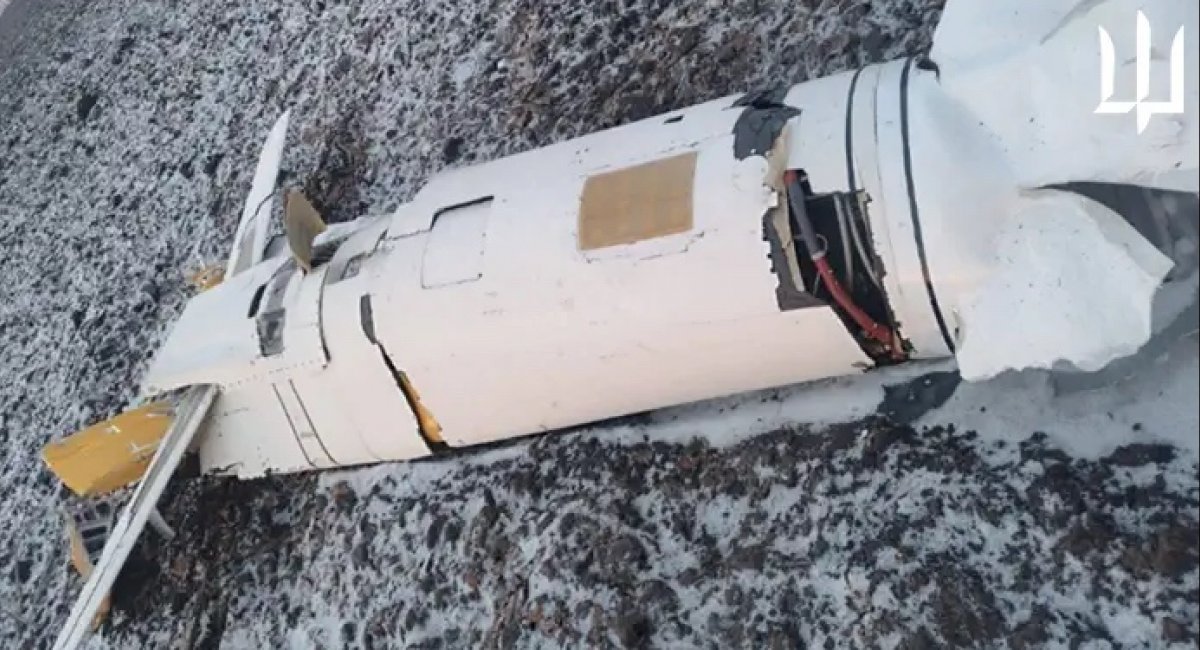
Ukraine's Defense Intelligence has released new technical details on a recently deployed russian cruise missile, designated Izdelie-30. The missile, first observed in combat against Ukraine late last year, features a wingspan of approximately 3 meters, a warhead weighing 800 kilograms, and a range of at least 1,500 kilometers.
The disclosure came from the Defense Intelligence of the Ministry of Defense of Ukraine via the War&Sanctions portal. The agency shared an interactive 3D model of the missile, along with descriptions of its main components and information about 20 industrial enterprises involved in its production.
Read more: South Korea Transforms K21 IFV Into Unmanned K-CEV Engineering Vehicle With AI Weapons and Drone Integration
Analysis of the missile's construction and markings identifies it as a product of Zvezda Experimental Design Bureau, part of the Tactical Missile Armament Corporation. Some of its design solutions are unified with other systems produced by the same developer, reflecting a trend of reusing proven components across multiple missile platforms.
For example, Izdelie-30 missile employs a pneumatic pyrotechnic valve similar to that of Kh-35U missile and an aircraft catapult device akin to AKU-5M system, used in Kh-101, Kh-55, and Kh-555 cruise missiles. These similarities indicate a deliberate integration of standardized technical solutions to streamline production and reduce development costs.
The missile's satellite navigation system is notable for combining products from two separate russian manufacturers. A jamming-resistant satellite signal receiver with Kometa-M12 digital antenna array is produced by VNIIR-Progress, while the computation and reception unit is manufactured by NAVIS Design Bureau and based on NAVIS NR9 receiver. Integration of the two components is achieved using a coupling block from Temp-Avia, known for flight controllers used in guided bombs.

Interestingly, all three navigation system components contain foreign-manufactured elements sourced from the United States, Switzerland, China, and the Netherlands. Meanwhile, the missile's warhead control unit, BUBS-30, is built entirely on russian electronics, centered around a 32-bit ARM-based microcontroller (1986VE1AT) produced by Milandr.
Read more: Fast, Cheap, and Quality: France Proves You Can Only Pick Two With Sub-€1,000 Training Drones