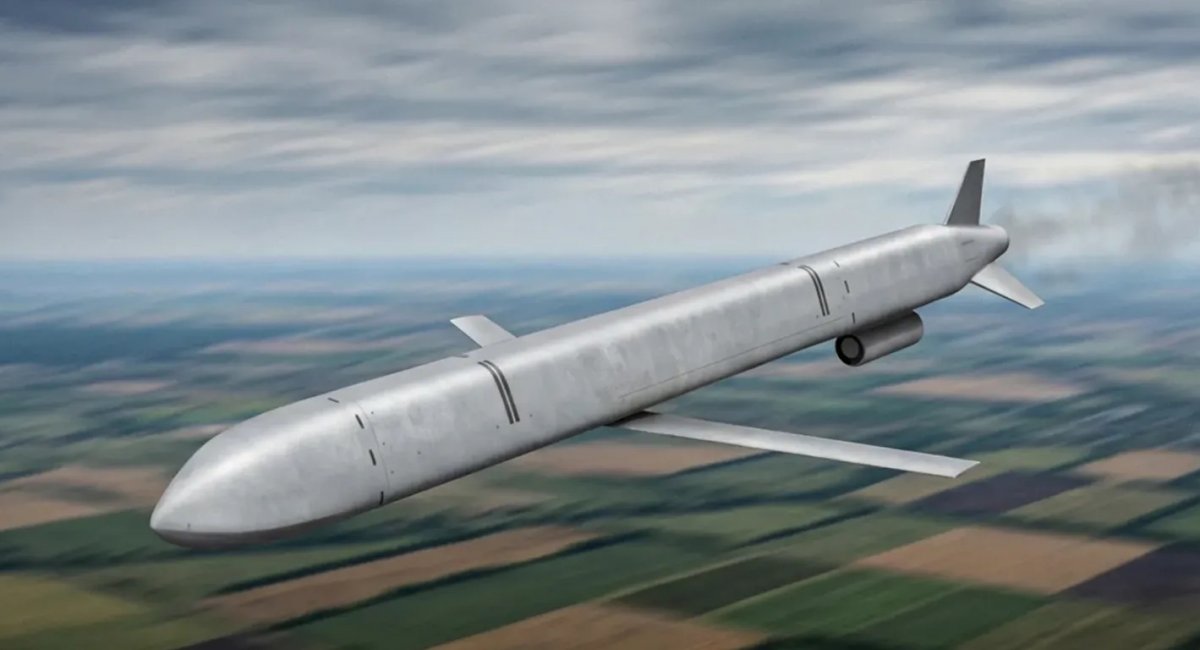
russia has continued upgrading its Kh-101 cruise missile throughout the full-scale war in an effort to increase both its destructive power and survivability against Ukrainian air defenses. However, these modifications have not prevented the majority of the missiles from being intercepted.
Research conducted by experts from the Ministry of Defense of Ukraine on recovered fragments of russian Kh-101 missiles identified four major modernization stages introduced since the beginning of the invasion.
Read more: After Ukraine Hit Kalibr-Carrying Karakurt in Primorsk, russia Commissioned Another Corvette, but Diesel Problems Persist
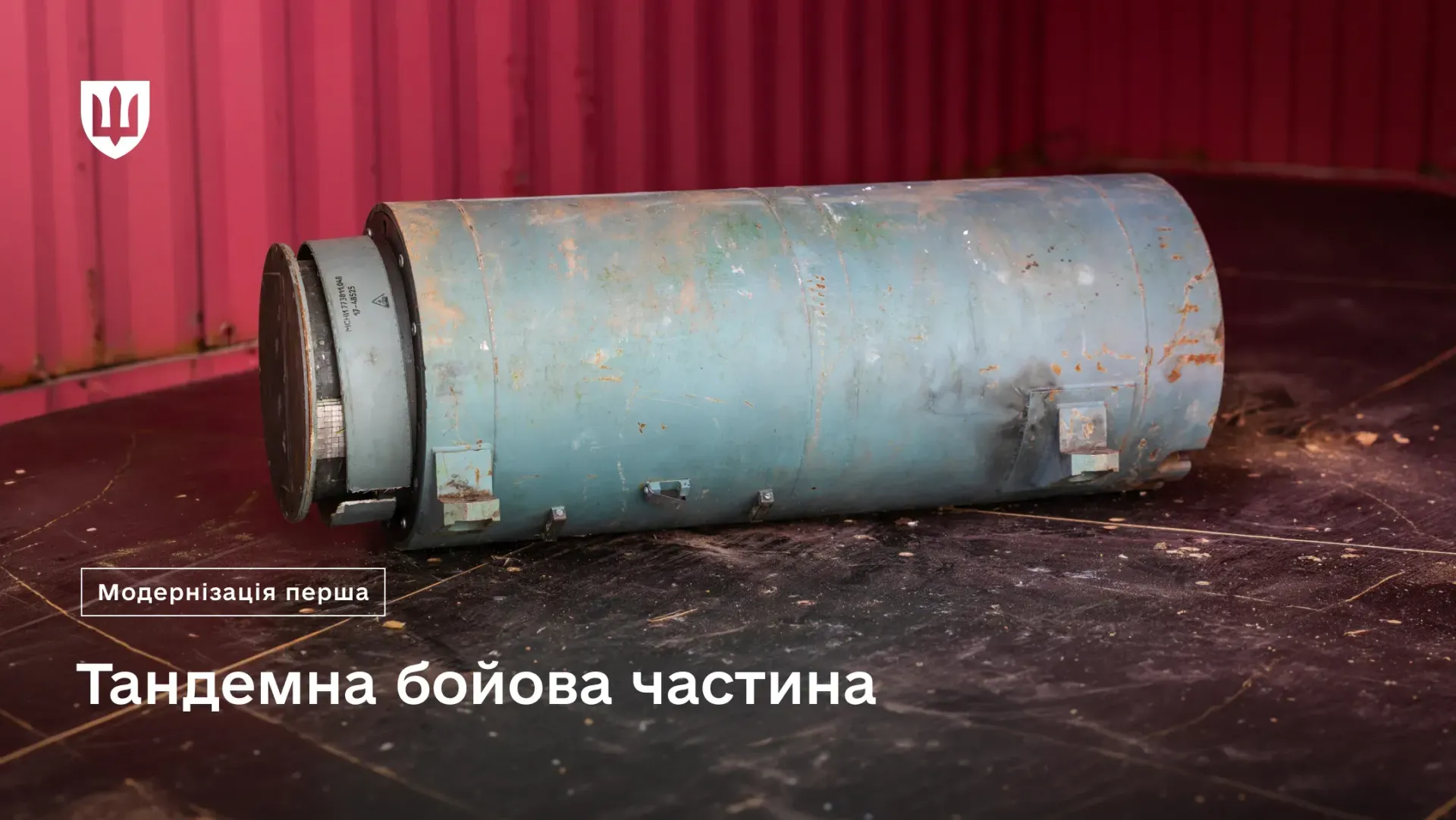
One of the most notable changes was the installation of a tandem warhead designed to increase destructive capability. Such a configuration can significantly amplify the missile's impact against fortified structures and infrastructure targets by combining sequential explosive effects.
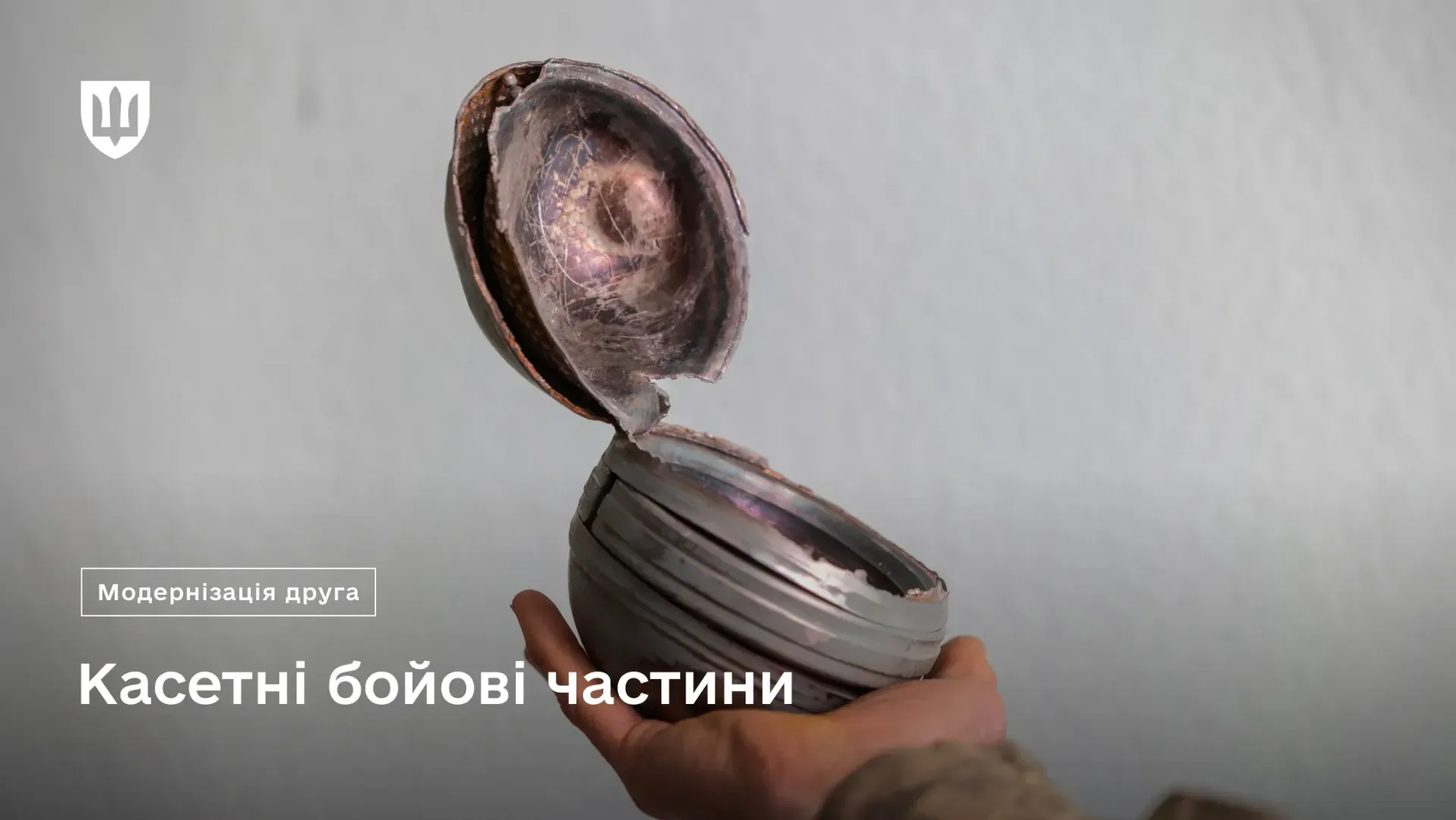
Russian engineers also reportedly introduced a cluster warhead equipped with incendiary elements. This modification was intended primarily to increase damage against civilian infrastructure, potentially spreading fires over wider areas after impact.
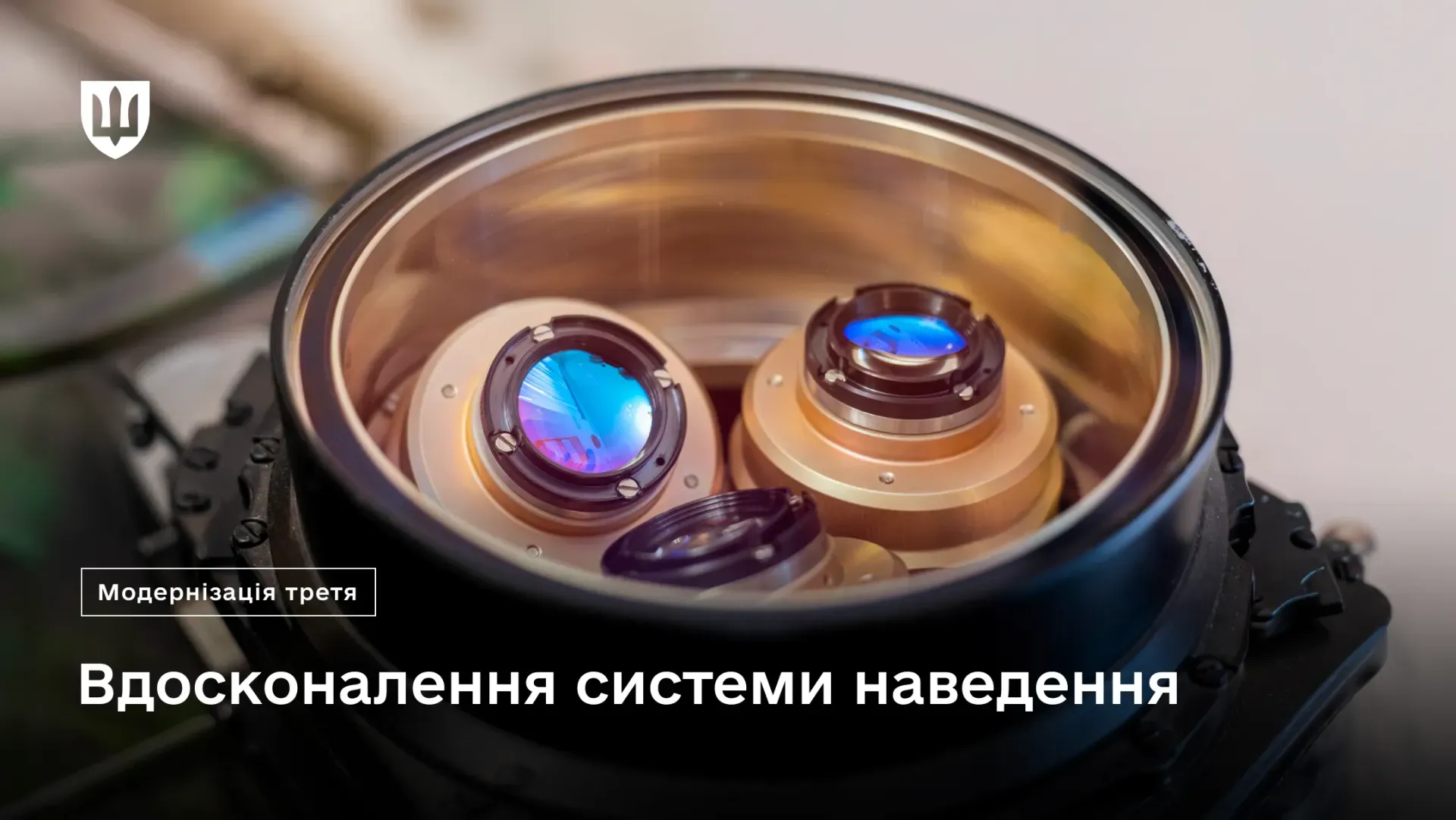
Another important upgrade involved improvements to the missile's guidance system. Although specific technical details were not disclosed, enhanced navigation and targeting systems could help the missile maintain accuracy in contested electronic warfare environments or during low-altitude flight profiles.
In addition, Kh-101 missile reportedly received a new electronic protection suite capable of reacting to radar illumination. According to the report, the system can generate decoy jamming signals and deploy both thermal flares and chaff countermeasures in an attempt to confuse air defense systems.
Despite the modernization efforts, the effectiveness of the country's air defense network has continued to grow. Since the beginning of 2026, Ukrainian forces reportedly intercepted about 88% of launched Kh-101, Kh-55, and Kh-555 cruise missiles, highlighting the continuing ability of Ukrainian air defenses to counter even upgraded russian long-range weapons.
As Defense Express previously reported, Greek authorities discovered a suspected Ukrainian Magura naval drone near Lefkada that investigators say was configured for a kamikaze-style attack.
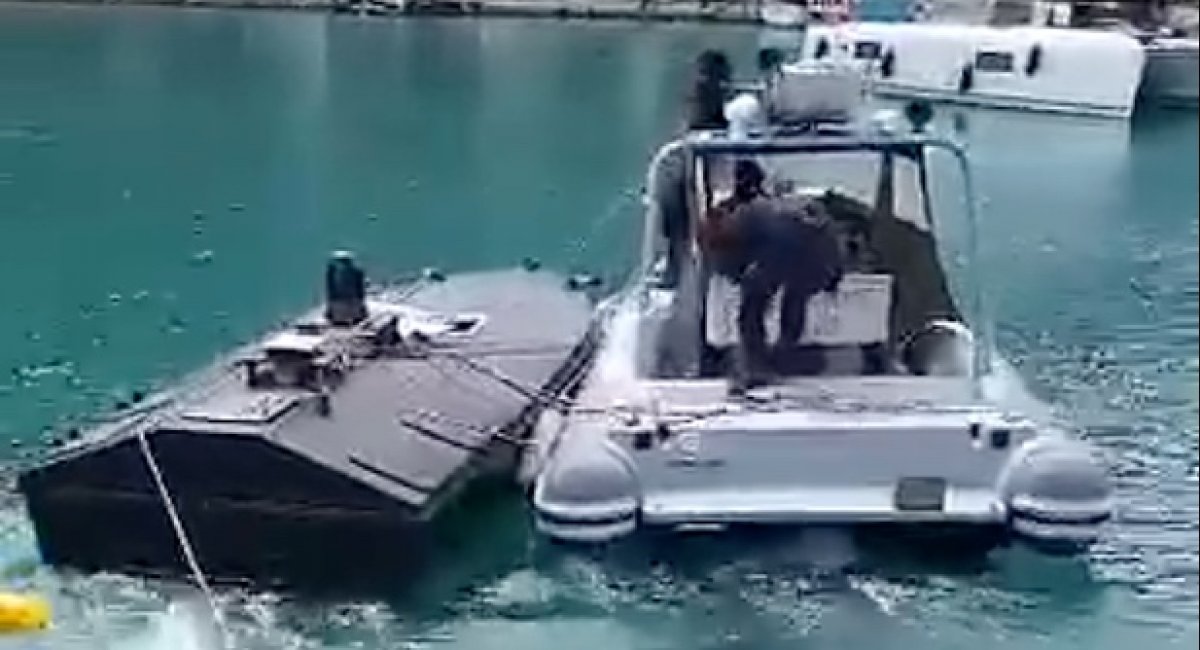
Read more: Ukrainian Magura V5 Naval Drone Found near Greece with Explosives and Notes