Ukraine has received the American M110 203mm self-propelled howitzer. It has been delivered to the 52nd Separate Artillery Brigade of the Armed Forces of Ukraine, where it will operate alongside Ukrainian 2S22 Bohdana wheeled self-propelled howitzers and Czech Vampire multiple launch rocket systems.
As for their origin, these American-made 203-mm howitzers most likely arrived in Ukraine from Greece. Reports of a potential sale of 60 such systems through the Czech Republic emerged in October 2025, with each unit priced at €520,000.
Read more: How Often russian Fuel Trains Go Up in Flames from Ukrainian Drones — and What It Tells Us
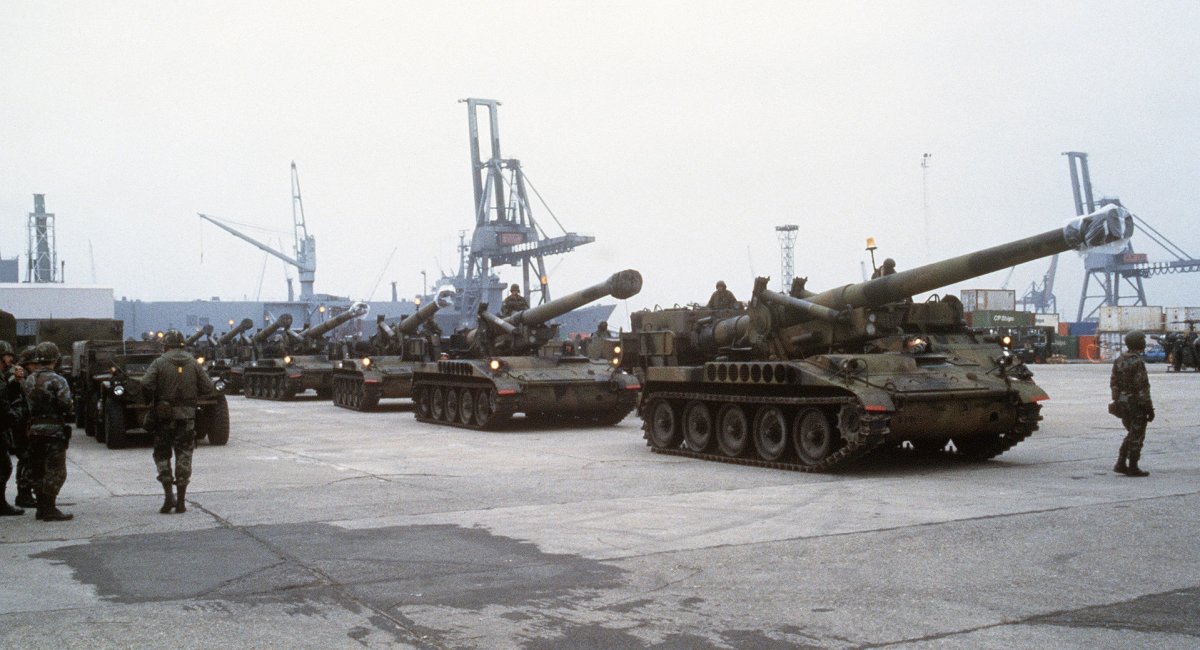
Meanwhile, the M106 high-explosive shells intended for these vehicles have been supplied to the Ukrainian military since 2023. They have been used with the Soviet-era 203-mm 2S7 Pion self-propelled cannons currently in the Ukrainian Armed Forces' arsenal.
However, despite sharing the same caliber, the M110 has a major drawback: a relatively short range of just 16.8–25 km with conventional shells and up to 30 km with rocket-assisted projectiles. This is not surprising, as its barrel length is 25 calibers compared to 55 in the 2S7. This raises questions about its survivability on a battlefield increasingly dominated by drones.
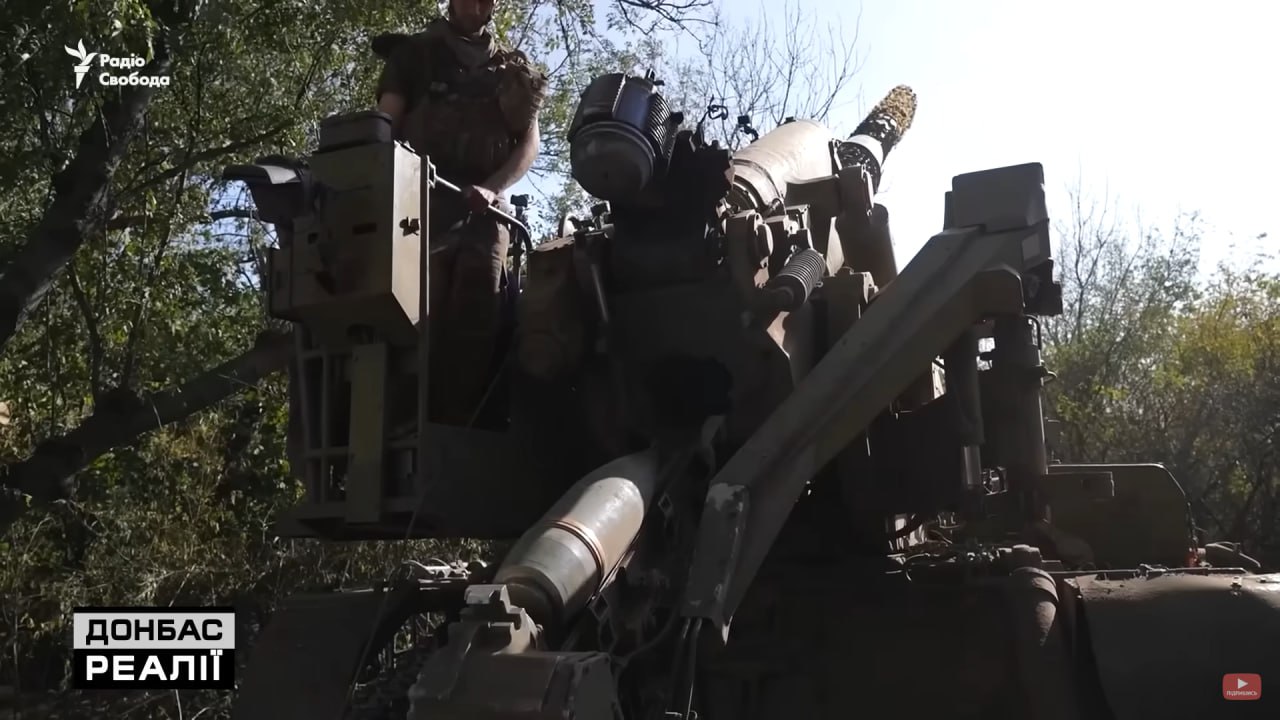
Naturally, artillery is being deployed from protected positions, helping to reduce its exposure to attack drones. It is reported that the 52nd Artillery Brigade is already conducting missions in the Kramatorsk and Kharkiv sectors, suggesting that the American howitzers are likely already in use in combat.
With their considerable destructive power, 203-mm shells would be a powerful addition to Ukraine's 155-mm Bohdana howitzers. Such a move would also ease the burden on the Pion howitzers, which have been pushed well beyond their operational lifespan.
From the Defense Express side, we urges you to join a fundraising for what is already working: One United Fundraiser: Fundraising by the Serhiy Prytula Charity Foundation for interceptor drones.

Read more: Ukrainian T-64BM Bulat Tank Gets Oplot-Derived Transmission, Possibly Indicating New Modernization