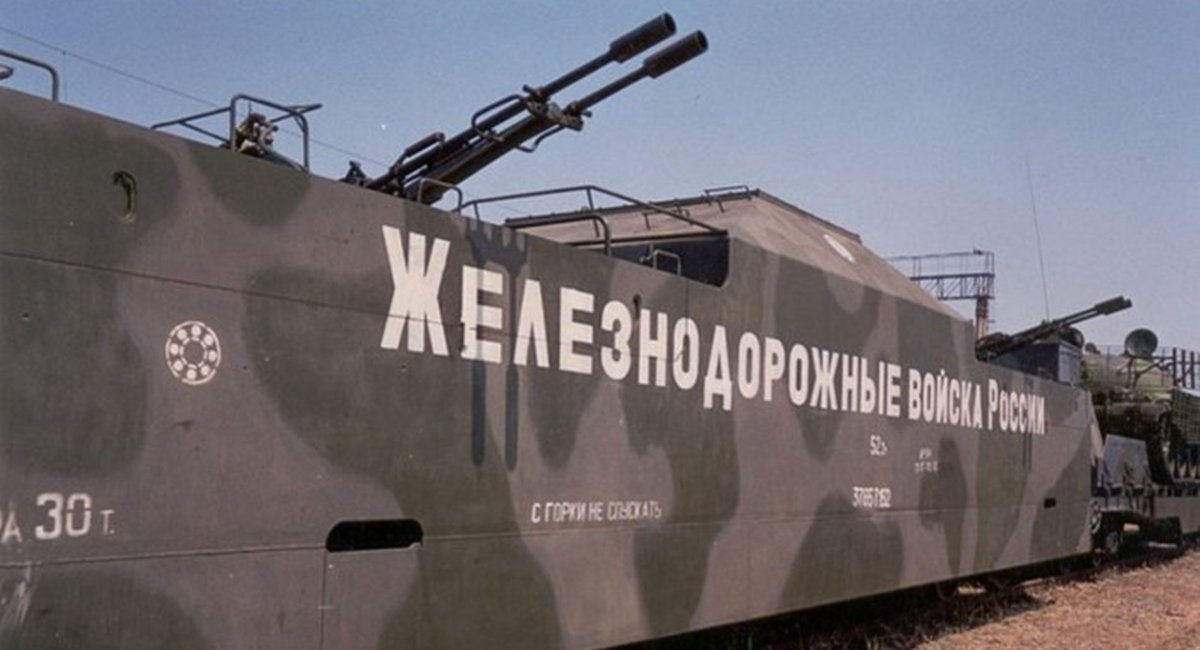
russian long-range drones remain a constant threat to Ukraine’s civilian rail network. However, this is far from a "one-sided game". The Defenders of Ukraine are striking back with increasing precision, targeting russian military rail logistics—from individual locomotives to entire fuel convoys.
One recent example comes from a complex operation conducted by operators of the 413th Separate Regiment "Raid" of Unmanned Systems Forces. In a key southern sector of the front, they identified and destroyed ammunition depots, fuel storage facilities, and even a diesel locomotive that was actively supporting russian logistics. This isn’t an isolated case.
Read more: Ukraine Destroys russian An-72 Aircraft, 4 Orion UAVs, and P-37 Radar in Crimea Strike (Video)
On March 23, 2026, the commander of Ukraine’s Unmanned Systems Forces, Major Robert “Madyar” Brovdi reported a successful strike on a fuel train near Stanytsia Luhanska, Luhansk Oblast. The attack was carried out by the 1st Separate Center of the Unmanned Systems Forces in coordination with the Security Service of Ukraine (SSU).
Earlier, on March 12, another fuel convoy was hit in the temporarily occupied Luhansk region. This strike was executed by the Kairos battalion of the 414th Brigade, known as “Madyar’s Birds.”
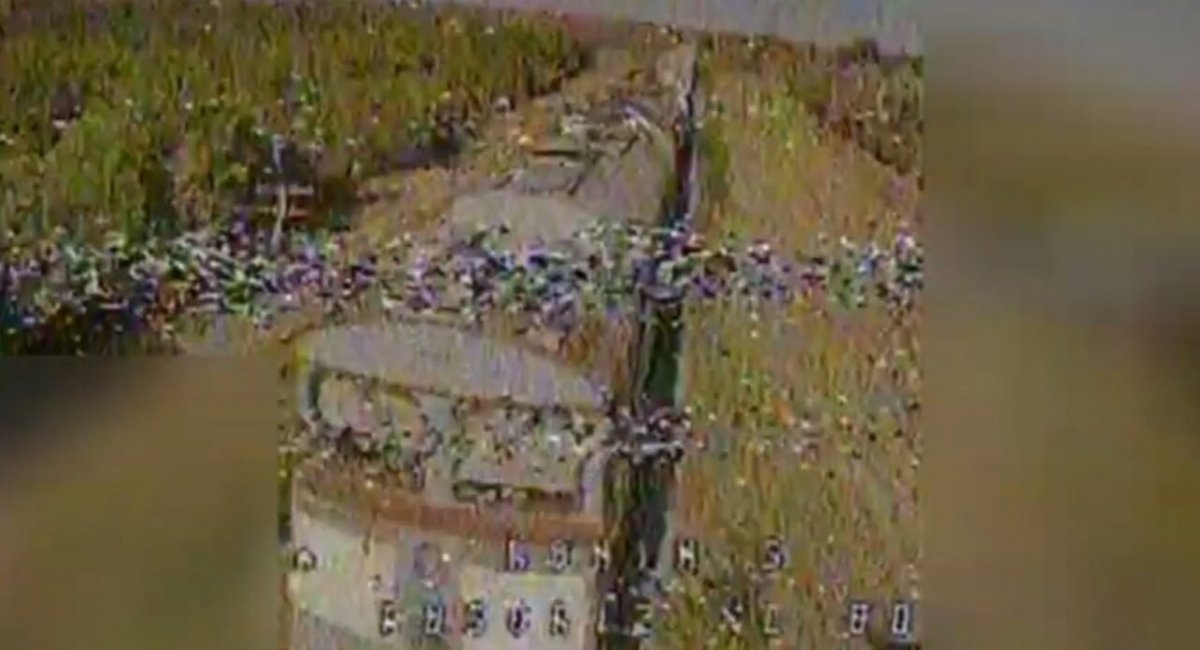
However, Ukraine’s drone campaign against russian rail logistics has a longer history. One of the earliest and most striking episodes occurred in July 2024, when Ukrainian FPV drones hit a 276-ton diesel locomotive hauling a fuel train near temporarily occupied city of Tokmak. What made this attack especially notable was the range — the strike was carried out at the very edge of the drone’s operational limits.
Just a month later, in August 2024, another successful FPV strike hit a russian train in the same area. By April 2025, russian forces were reportedly experimenting with rail-based systems even stranger than armored trains, which were eventually struck by Ukrainian drones.
Taken together, these incidents reveal a clear pattern: russian military rail logistics remain under constant pressure. Fuel trains and locomotives — once considered relatively safe deep in the rear — are now increasingly vulnerable. Ukrainian drones are not only reaching these targets but doing so with increasing frequency.
This also forces russians to adapt. There have already been reports of attempts to equip armored trains with technical vision systems — essentially onboard detection tools — designed to spot incoming Ukrainian drones faster.
The broader lesson is clear: in modern warfare, even heavily fortified rail infrastructure can be targeted. When fuel ignites, it represents more than a tactical setback — it shows the logistics backbone is under direct assault.
Ivan Kyrychevskyi — serviceman of the 413th Separate Regiment “Raid”, of Unmanned Systems Forces, expert at Defense Express
Read more: What russia's "Starlink Alternatives" Look Like on the Battlefield — and How They Are Being Targeted