


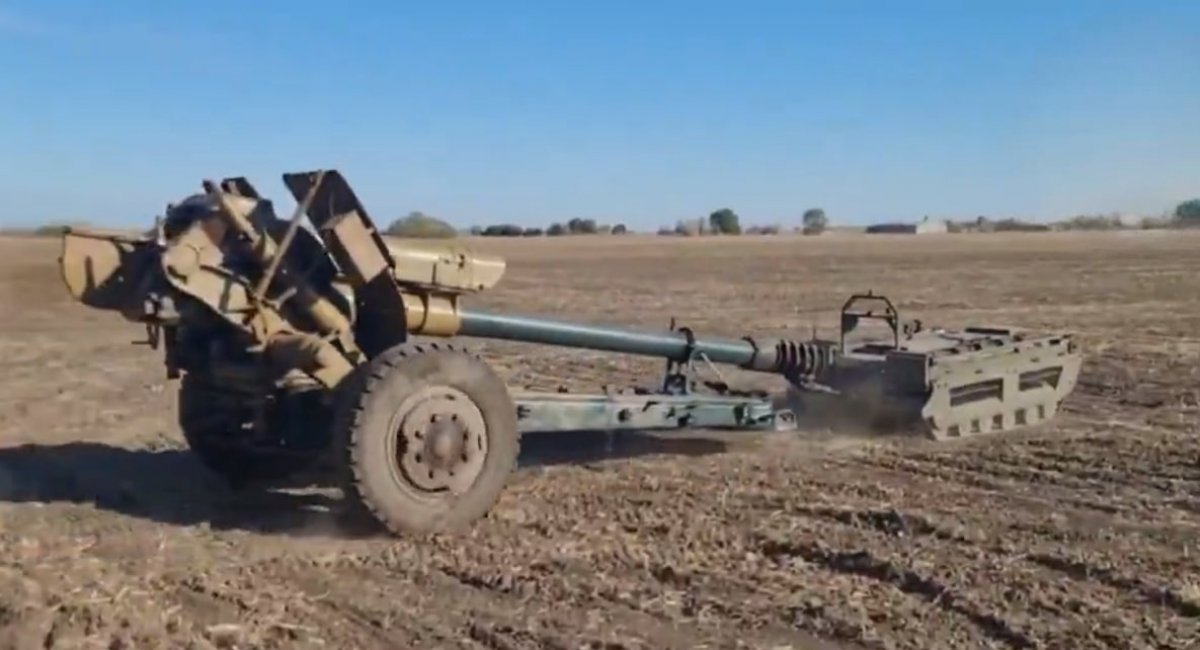
russians have demonstrated that their Courier unmanned ground vehicle is capable of towing a 122-mm D-30 howitzer. This appears to be an interesting transport solution, but in its current configuration, it has some significant drawbacks.
The footage shows that the ground-based tracked robot has no trouble either pulling or pushing the artillery system across the relatively flat ground in the field. At the same time, the speed can be considered typical for such a system.
Read more: Ukrainian SOF Drones Hit Arsenals and Logistics Hubs on russia's Crimea Corridor (Video)
The D-30 weighs 3,290 kg when folded for transport. This suggests that the Courier can easily tow other payloads of similar weight.
When it comes to moving the howitzer using a remote-controlled system, this—like all forms of robotics—helps prevent casualties among personnel. With the widespread use of drones on the battlefield, any tractor-based platform is vulnerable, so moving an artillery position is quite dangerous.
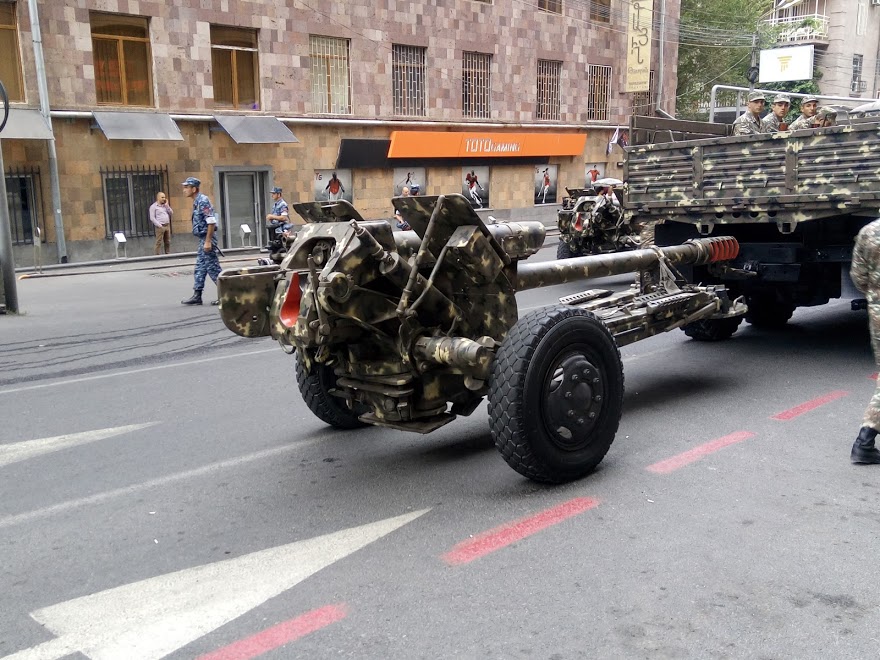
However, the first question that arises regarding such a concept is how well it will perform on uneven terrain and off-road. After all, the rough terrain dominates the front lines. Meanwhile, the artillery system must be transported to a suitable, often concealed position.
The Courier is quite low and significantly smaller than its payload, so the D-30's trails, which secure it to the UGV, sit very close to the ground while in motion. As a result, they can catch on or strike the ground, hindering or even preventing movement entirely.

Another question is how long the robotic system can sustain hauling such a load at low speed. To make the system practical, additional batteries may need to be installed, which could reduce the payload.
Therefore, given the size of the UGV, it makes more sense to continue organizing ammunition deliveries to the front lines. This task must be carried out more frequently along the same routes, which makes the work more dangerous.
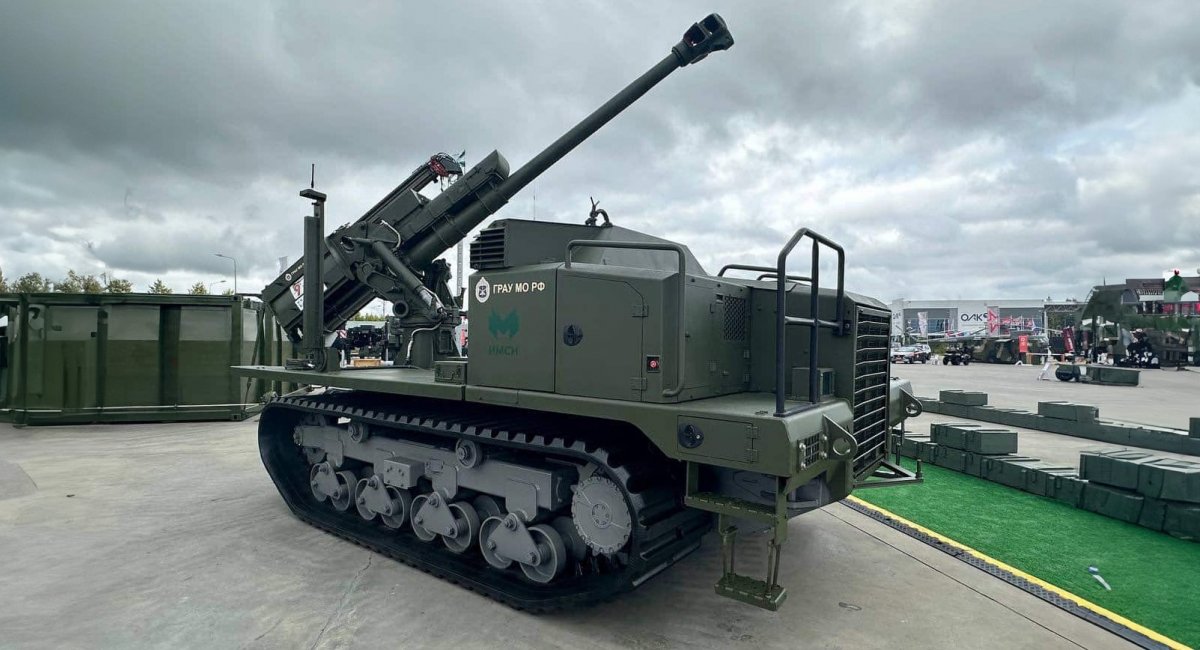
At the same time, using robotic systems to transport 122-mm or 105-mm artillery without endangering personnel shows promise. However, when implementing such a system, issues of mobility must be taken into account. A good example is the russian MTS-15 Klever self-propelled gun, which is essentially a D-30 mounted on an UGV chassis.
russians are actively developing various systems based on the Courier platform. These include an unusual self-propelled mortar, an automatic grenade launcher based on the AGS-17, and even a laser for mine clearance.
Read more: How Ukraine's 225th Regiment Eliminated russian Frankentank in the Huliaipole Direction (Video)