


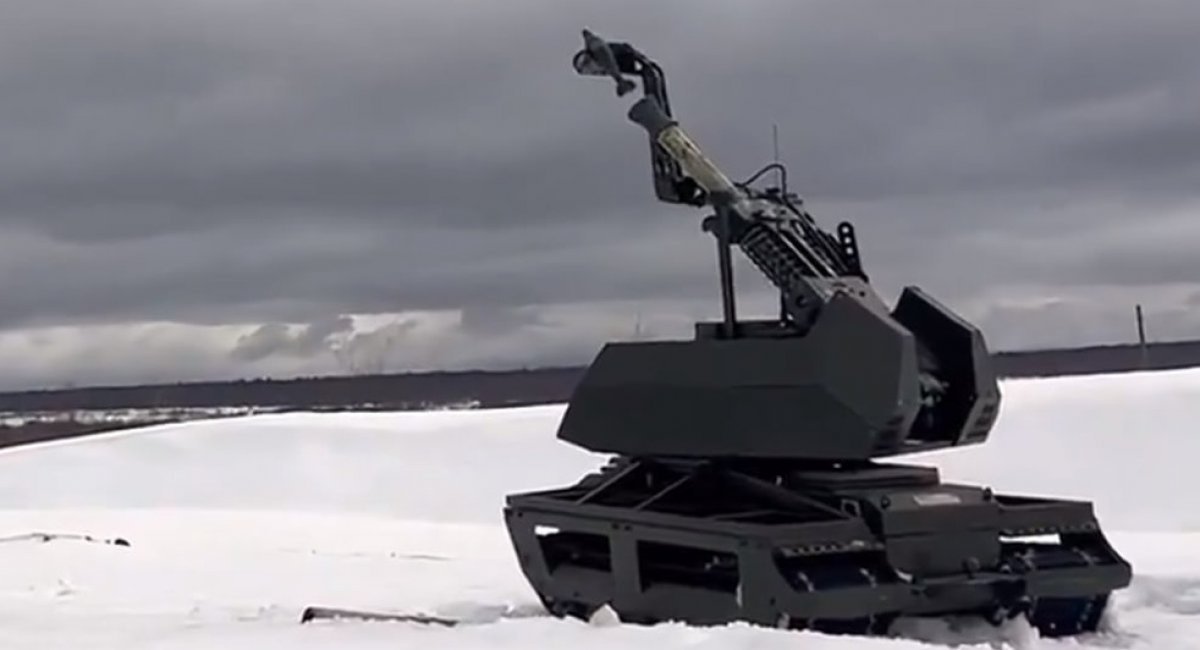
russian forces have tested the Bagulnik-82 unmanned 82mm mortar system, mounted on the Courier unmanned ground vehicle (UGV). The development represents both a step toward battlefield automation and an example of "reinventing the wheel" where established solutions already exist.
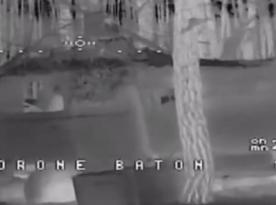
Footage available online shows the mortar firing and then being reloaded by a robotic manipulator arm. The tests appear to have taken place during the winter, given the heavy snow visible in the video.
Read more: russians Upgrade Muravey UGV Into Mobile FPV Drone Launch Platform
Conceptually, the system addresses a key issue: 82mm mortars are short-range weapons, which forces crews into exposed positions in areas dominated by drones. A robotic platform removes personnel from immediate danger while executing fire missions.
This is where a robotic mortar system becomes valuable, as it removes the need for personnel to be present during firing. The crew remains out of danger while the system executes its fire missions.
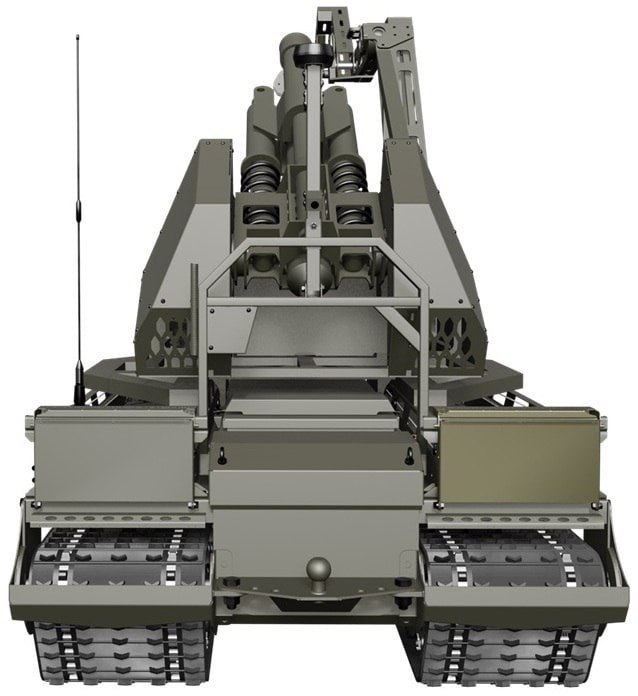
However, the autoloader, the robotic arm that picks up rounds and drops them into the muzzle, introduces complexity. This method replicates human loading but is prone to mechanical failures.
This approach immediately raises questions about its practicality and overall reliability. The solution is highly complex and prone to breaking down quickly. Furthermore, these movements increase the risk of the system tipping over, a vulnerability already common among UGVs.
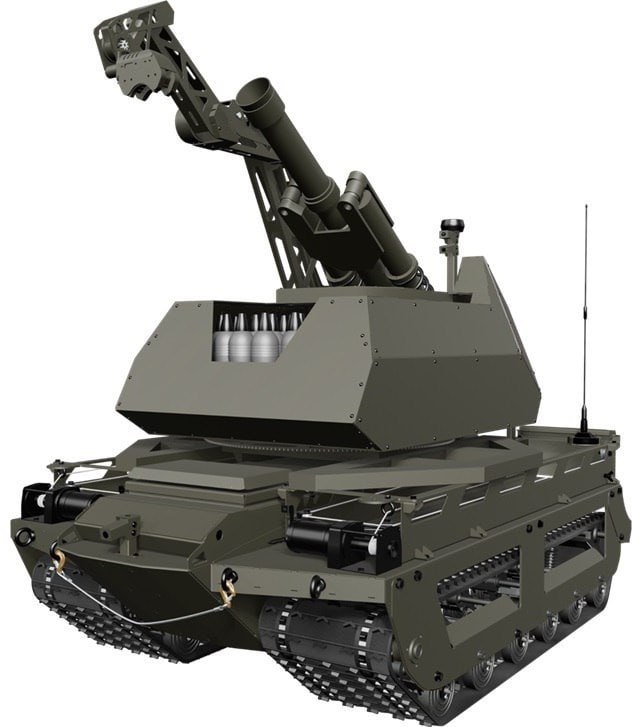
A breech-loading mortar would be a much more logical choice for a robotic platform. A prime example is the Soviet-era 2B9 Vasilek automatic mortar, which uses a four-round cassette magazine. This design simplifies ammunition feeding using a reliable mechanism proven over decades.
Interestingly, the system shown in the video is actually a Vasilek, which allows for muzzle loading. This design choice may have been made because the dimensions of the Courier UGV base did not permit a breech-loading configuration.
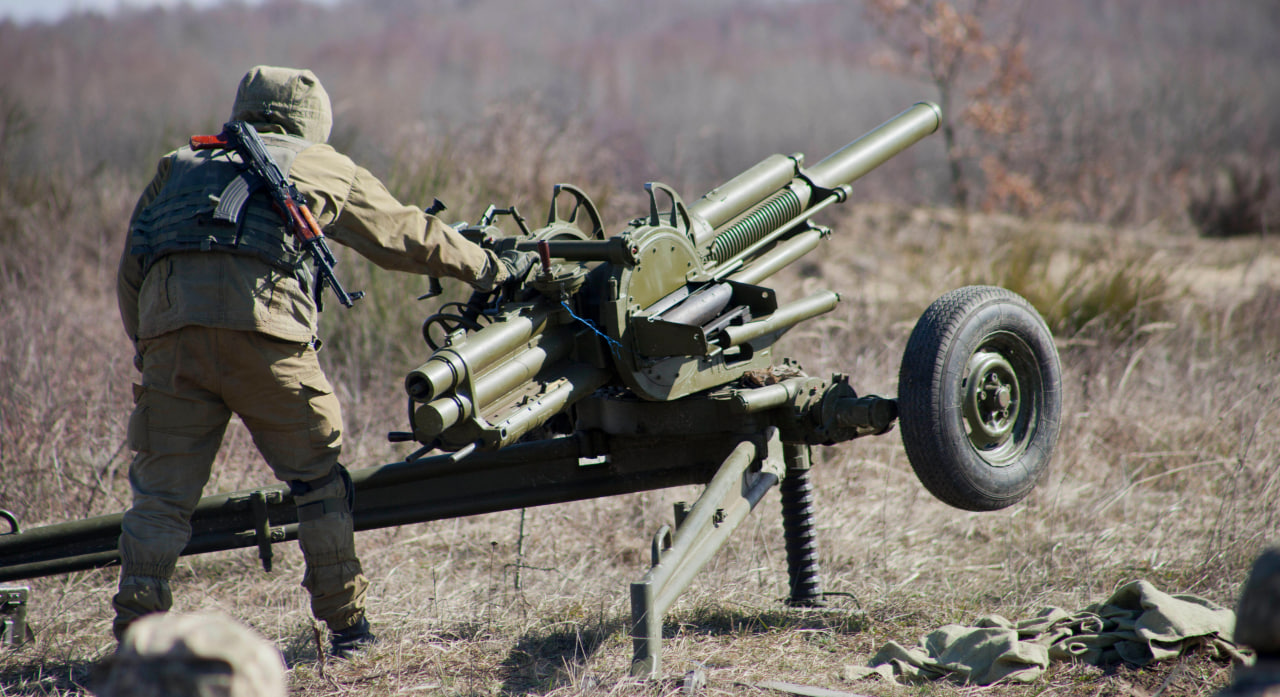
Another potential explanation is that the Vasilek's four-round cassette severely limits sustained fire. Therefore, adding a robotic arm and a box of mortar rounds may have been easier to implement than attempting to expand the 2B9's magazine capacity.
Regarding other drawbacks, disguising a UGV is more difficult than camouflaging a standard mortar. As a result, it is likely to quickly become a target for enemy drones and, at the very least, be disabled. However, this argument can be countered by the fact that losing a machine is preferable to losing human lives.
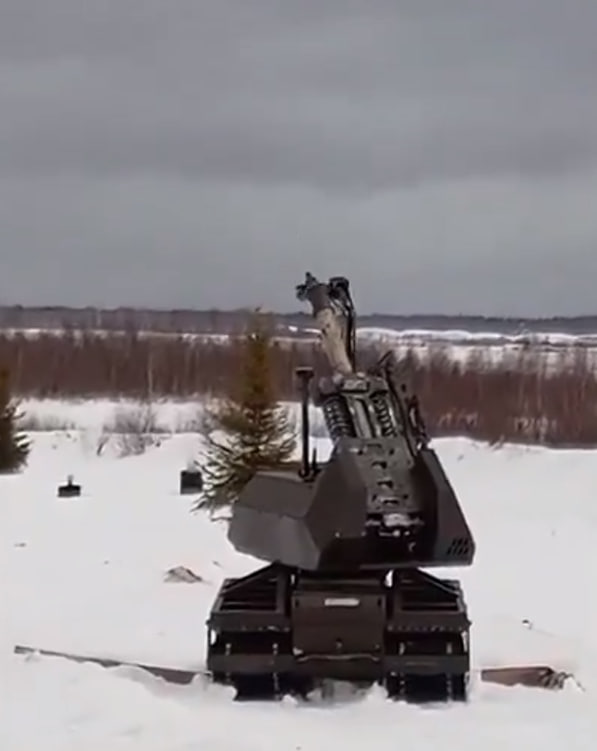
Overall, the concept of using robots to return drone-vulnerable weapons to the battlefield holds potential. Similar approaches have been examined for anti-tank guided missile (ATGM) systems like the Stugna-P. However, the russian mortar development demonstrates that such projects must be approached with practicality in mind.
Read more: UGVs in Ukrainian Service: How They Overcome Kill Zone and Change Rules of War