


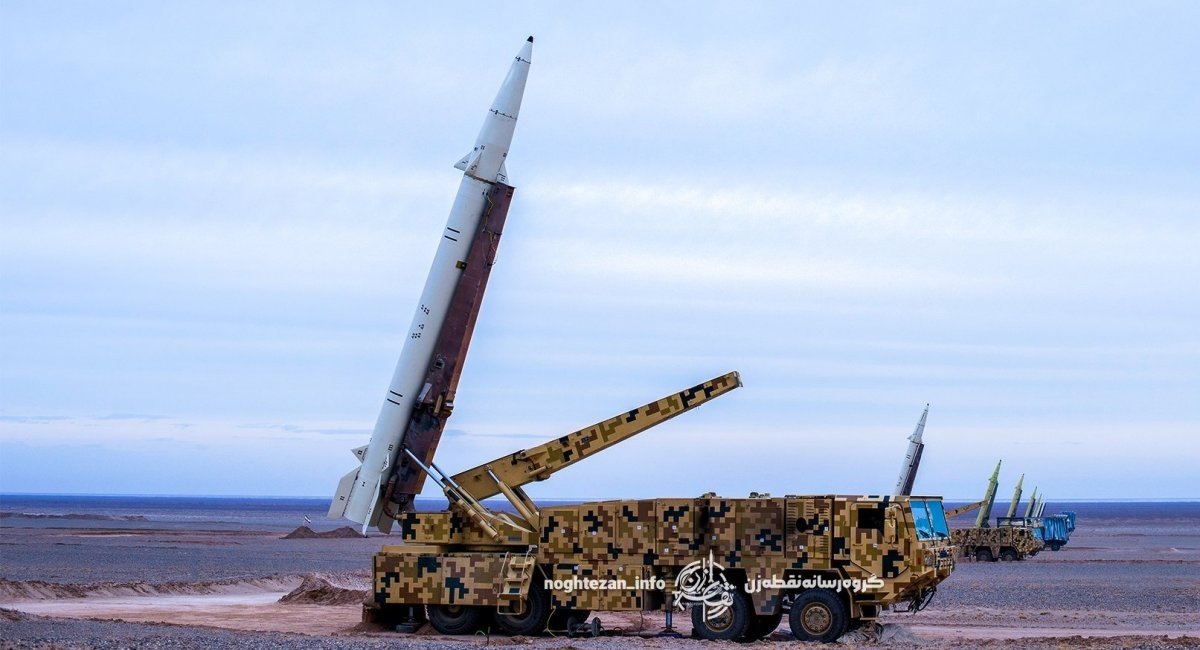
Videos showing the interception of Iranian ballistic missiles, which Tehran continues to use to strike countries in the Persian Gulf, suggest that they may have been upgraded by russian specialists.
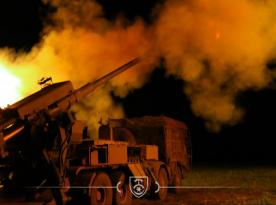
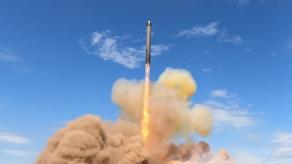
A video recently filmed in Qatar shows that approximately 15 Patriot missiles were deployed to counter the attack. Meanwhile, there were only three or four successful interceptions of Iranian ballistic missiles, with explosions clearly visible in the air rather than the missiles self-destructing. Moreover, the interception of one ballistic missile occured at a fairly low altitude.
Read more: Mystery Drone Strikes U 2 Aircraft Hangar in Cyprus — UK Says It Was Not Launched from Iran
If the calculations are correct, using up to five interceptors per ballistic missile exceeds the maximum standard usage even for the most complex targets, while the standard norm is two. There are also videos showing Patriot missiles missing their targets, especially in Bahrain.
A similar situation occurred in Qatar when the U.S. Al-Udeid airbase was attacked on the night of February 28. Even though three Patriot missiles were launched, the Iranian ballistic missile was not intercepted. At the same time, no footage shows any attempt to overcome missile defenses, such as through decoys or active maneuvering, which would require extensive upgrades or entirely new ballistic missiles.
Nevertheless, Iranian missiles continue to breach the missile defense system, or require a substantially higher number of interceptors. At the same time, this situation is common among Patriot operators, indicating that the level of crew training should not be doubted.
At the same time, in 2025, there were reports that russia had upgraded some of its Iskander ballistic missiles, enhancing their ability to penetrate the Patriot air defense system. According to available information, the changes do not concern the missile itself, but its trajectory, taking into account the Patriot system and MSE missiles—effectively selecting settings to counter the specific threat.
The russian federation could have shared the algorithms for these settings with Iran as part of their military cooperation. Moreover, given the numerous reports that Iran has transferred Fateh‑110 and Zolfaghar ballistic missiles to russia, but with no evidence of their use against Ukraine, it cannot be ruled out that these were limited batches intended for russian specialists to assess their capabilities and analyze potential improvements.
At present, this remains only a hypothesis regarding the possibility of such cooperation between Iran and russia, including direct assistance and the transfer of missile technology from Moscow to Tehran. However, this could explain the systematic pattern, and if confirmed, it should be noted that this information might have been passed on to North Korea by russia.
Read more: UK Defense Intelligence: Ukrainian Counter-Drone Experience Helps Shape UK Air Defense Operations in the Middle East