


Deployment of the new European anti-aircraft missile, which should be cheap and mass-produced, being created under the LEAP (Low-Cost Effectors and Autonomous Platforms) program, is planned in quite aggressive mode.
It has already been decided that the missile will first be adopted with minimal capabilities, then its characteristics will gradually be brought to desired levels in stages.
Read more: UK Defense Intelligence: RAF Typhoon and F-35B Jets Fly 300+ Hours Over Jordan, Qatar and UAE, Shoot Down Drones as Defense Secretary Visits PJHQ
This was reported by the UK Ministry of Defence in response to a parliamentary inquiry, which UK Defence Journal noted. The British defense department also announced that the project has now entered the proposal selection stage submitted by European companies. Who specifically and with what projects is participating in competitive selection currently remains secret.
Defense Express notes that overall the set pace for developing an anti-aircraft missile within the LEAP program appears quite positive. Especially since this involves an international European project launched by Britain, France, Germany, Italy and Poland. At the same time, the program's official start was announced only February 20 this year.
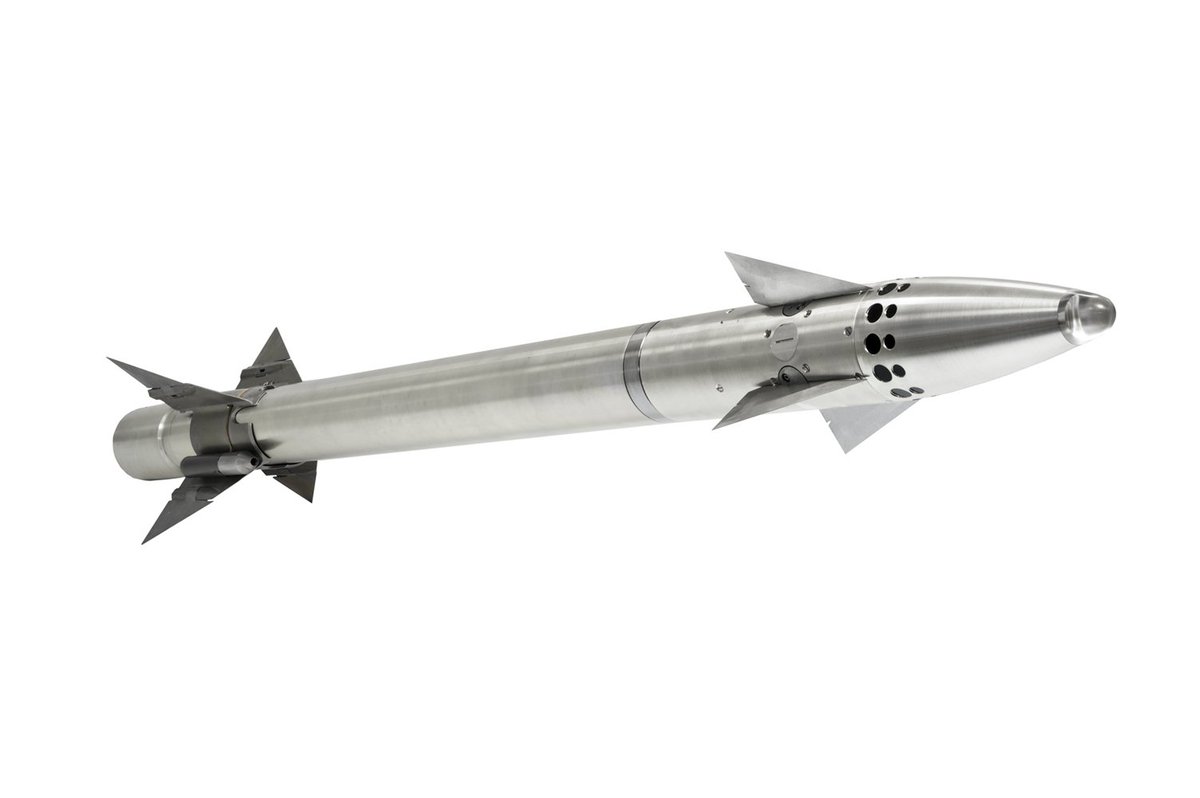
In other words, proposal gathering lasted less than a month. The start of deploying the program's result an inexpensive air defense system that should use anti-aircraft drones and/or missiles is scheduled for 2027. At the same time, there are currently no specifics regarding even the air defense system class, for example range, only that it should counter drones and missiles, with munitions being affordable.
However, given everything, this involves creating a short-range or limited-range SAM system with range up to 10, maximum 20 km. Ultimately, creating a medium-range system, let alone creating an anti-missile asset, would require significantly longer timeframes. They are already pressing, as the decision to deploy already at the minimal necessary capabilities stage precisely enables saving the most important thing — time.
The essence of such a decision is to launch serial production as early as possible, with understanding that the first version of this anti-aircraft missile will not be perfect. However, while it is being produced, the task of establishing production and forming stable supply chains will be solved. When the updated version is ready, production lines will be hot.
Despite the optimistic nature of the LEAP situation, the shadow of other joint European defense projects adds certain skepticism.
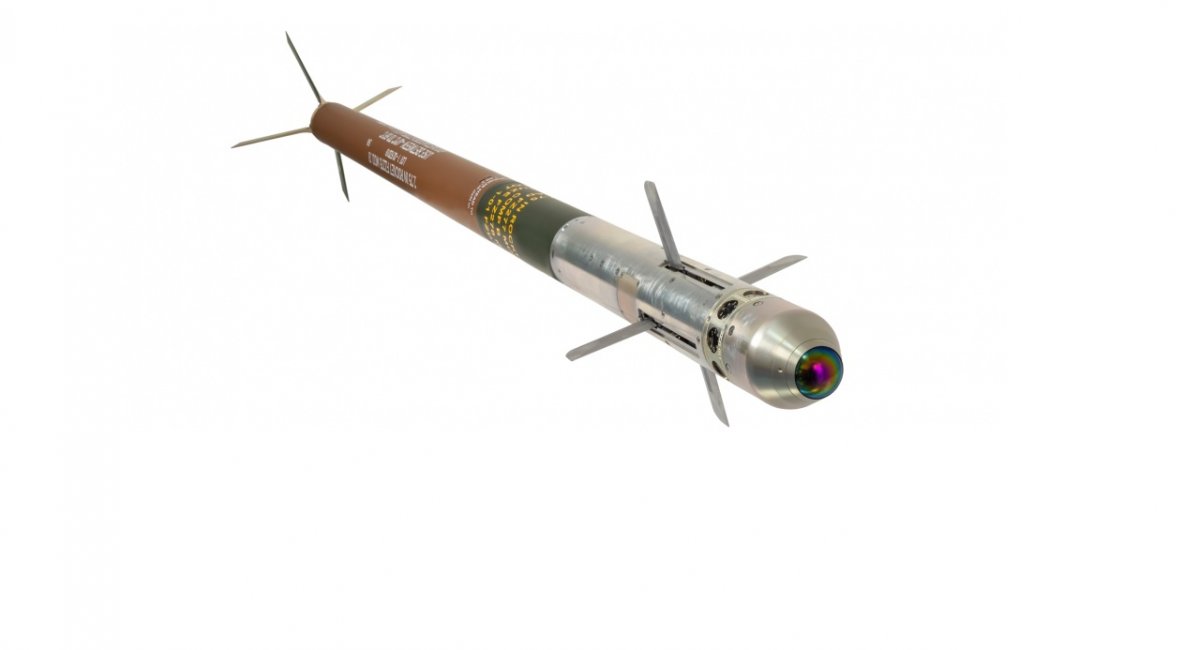
If in the collapse of FCAS fighter and EMBT tank development, one can search for political motives and industrial competition between France and Germany, then the quite LEAP-similar ELSA program for creating unified long-range missile weapons turned into a parade of national missile programs without any scandals.
Therefore, at initial stages, when Britain, France, Germany, Italy and Poland may hope to see products from specifically their companies in the role of future LEAP anti-aircraft missile, enthusiasm may be significantly greater than when a winner is ultimately selected.
Read more: U.S. Took 6.5 Months to Mass 540,000 Troops for 1991 Iraq War, iran Ground Invasion Would Need Similar Timeline