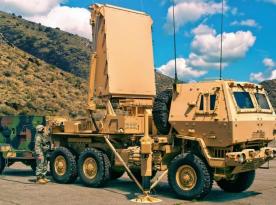
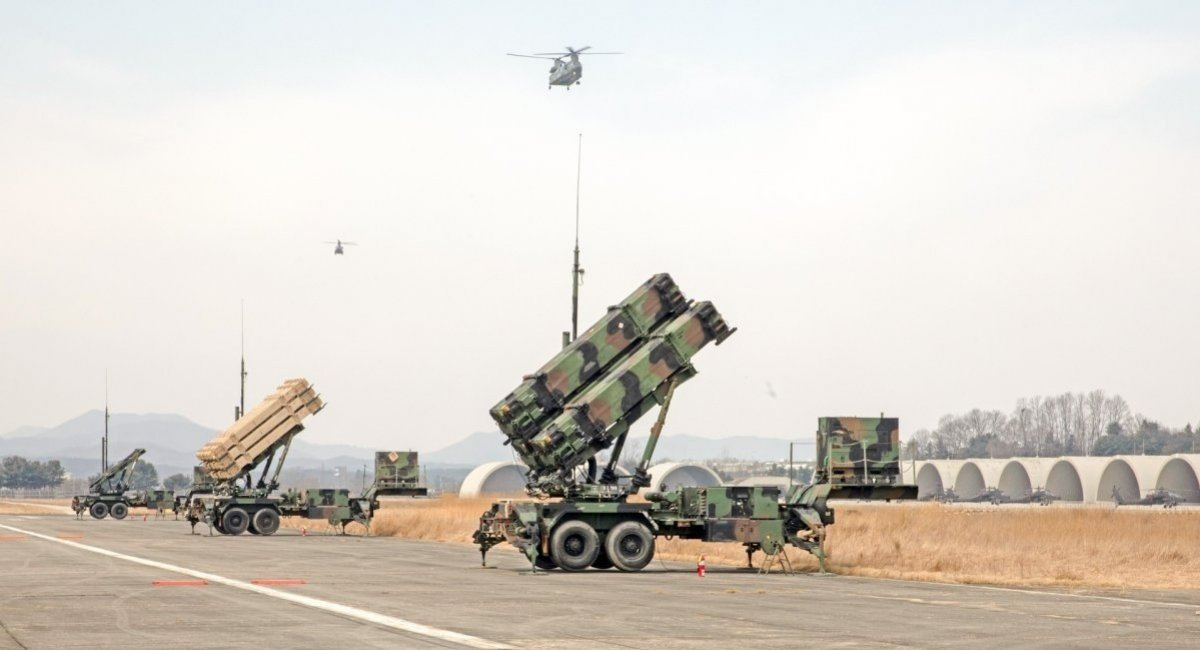
Footage has appeared online showing the United States Forces Korea (USFK) dismantling and transporting its THAAD missile defense system and Patriot anti-aircraft missile systems, apparently for redeployment to the Middle East.
In total, the U.S. has one THAAD missile defense battery in South Korea, as well as 8-10 Patriot air defense batteries. With THAAD and part of its Patriot air defense systems pulled back, South Korea is left largely unprotected.
Read more: Europe's LEAP Anti-Drone Missile Targets 2027 Deployment With Aggressive "Build First, Perfect Later" Strategy
The exact number of Patriot air defense systems planned for redeployment to the Middle East is currently unknown. However, in the summer of 2025, prior to Operation Midnight Hammer, the U.S. redeployed at least two Patriot batteries for several months. It is likely that the current number is the same or greater.
It should be noted that the redeployment at that time occurred after a preliminary agreement with South Korea and well before the operation. Now, it is happening nearly two weeks after the operation began and without any agreement with Seoul.
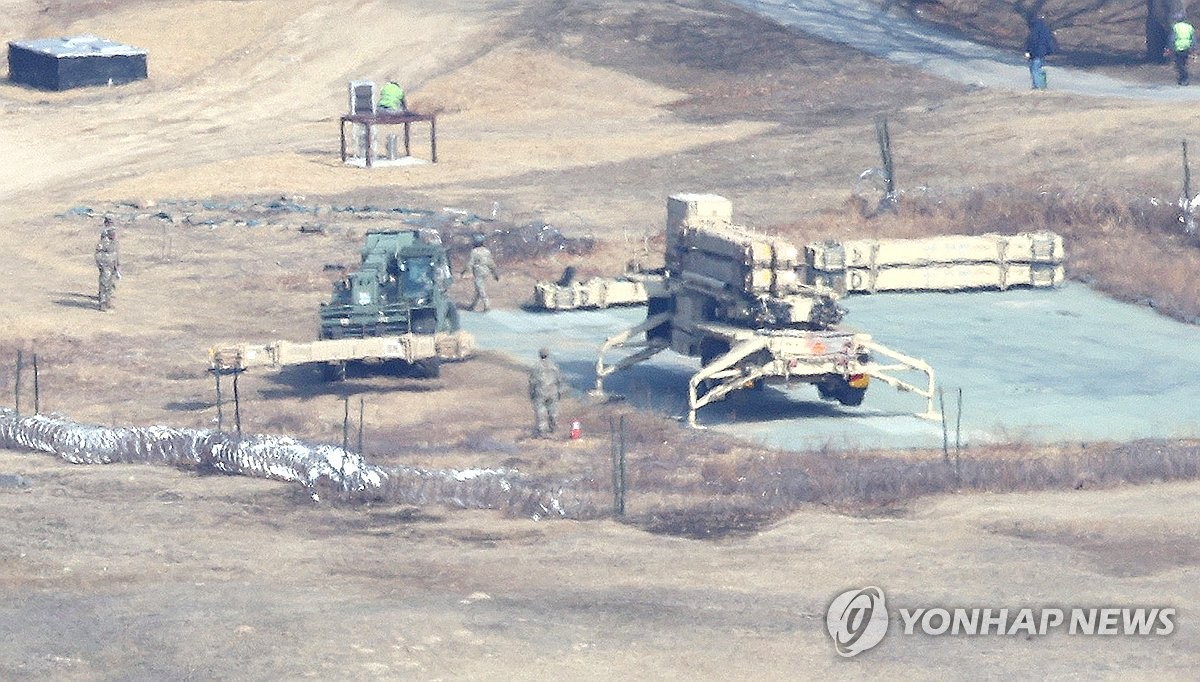
South Korea's government is not enthusiastic about the decision, and politicians, including the prime minister, have publicly opposed it. Such a redeployment seriously undermines South Korea's air and missile defenses, providing a clear advantage to North Korea and Kim Jong Un.
However, South Korea is not entirely defenseless. It has eight Patriot air defense batteries, as well as domestic systems like the KM-SAM—which is based on the russian S-400—and these have recently performed well in the Middle East. South Korea also maintains a strong fleet, including ships with Aegis combat systems and SM-3 missiles capable of exoatmospheric ballistic missile interception.
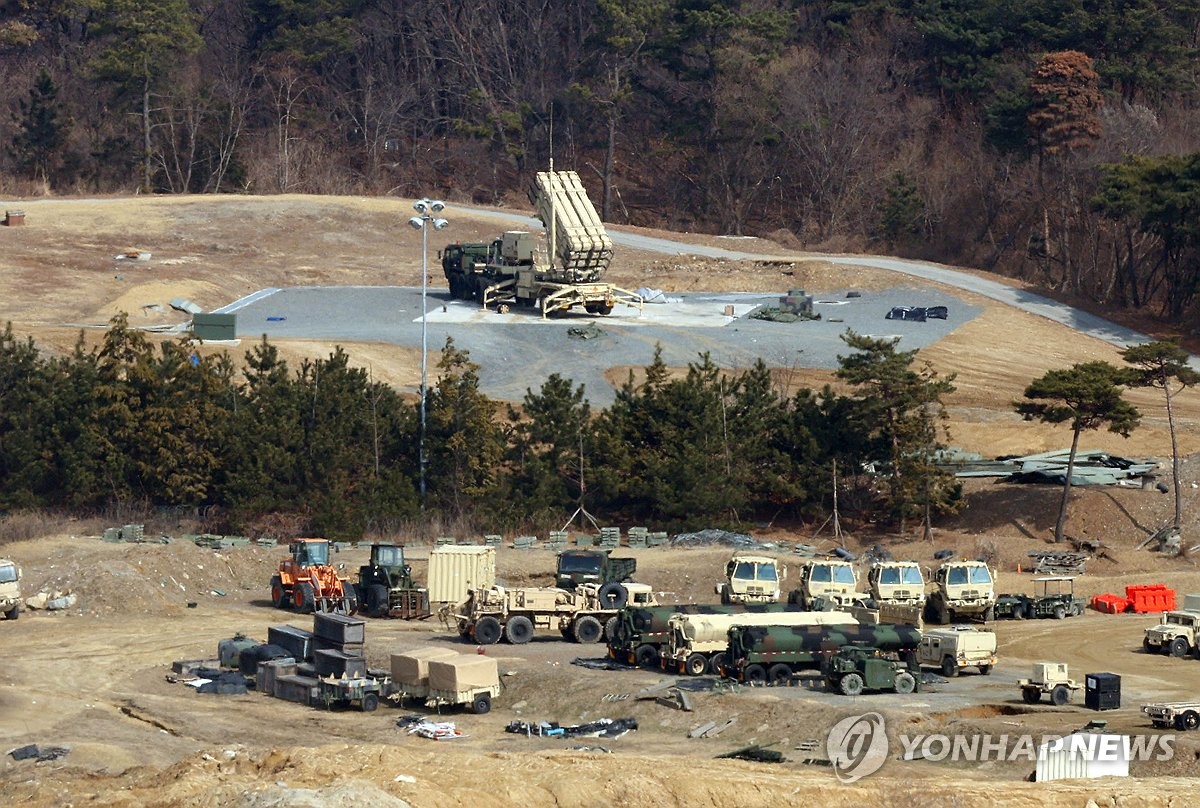
However, this clearly shows that the Americans significantly underestimated Iran's missile and drone capabilities when planning Operation Epic Fury. If they had fully understood these threats, they would likely have redeployed these systems to the Middle East in advance.
In the case of THAAD, the U.S. has encountered significant challenges in the Middle East regarding its AN/TPY-2 radars. Four of these radars have been destroyed, two of which were American-operated. Nevertheless, the entire system, along with all its launchers, is being withdrawn from South Korea.
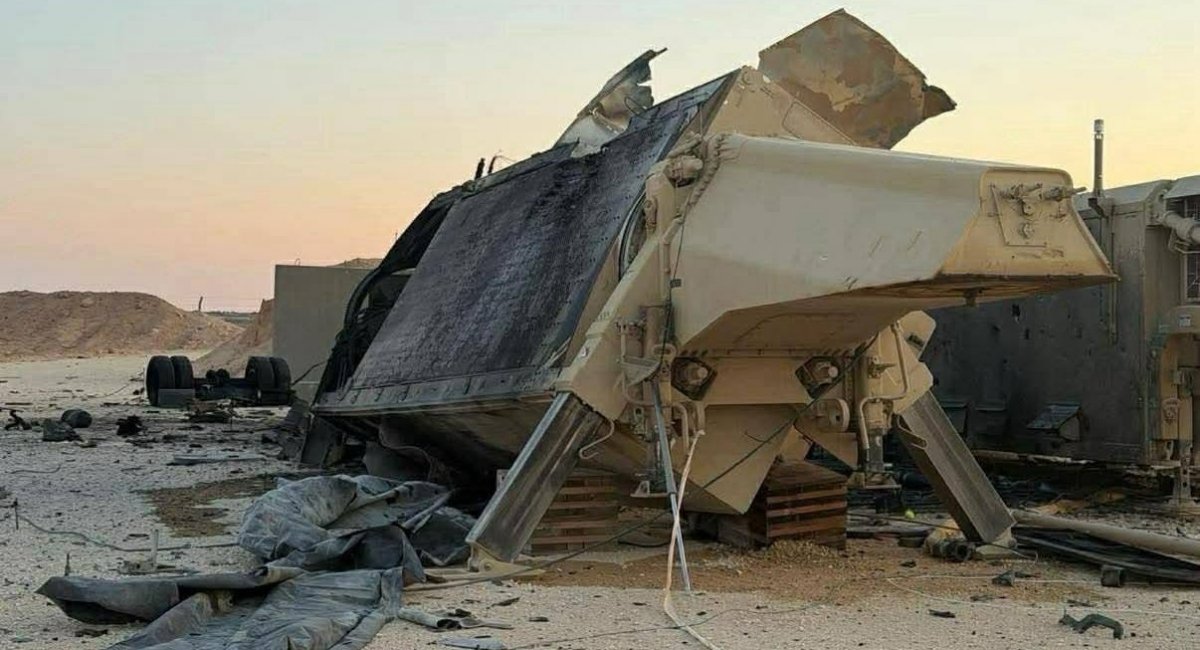
It is important to note that if the U.S. cannot provide protection for the redeployed THAAD and Patriot systems, they may become targets. This would leave South Korea without these systems for an extended period, until they can be replaced or returned from the United States. However, the current administration is unlikely to approve such a redeployment.
Read more: Indonesia Purchases a Single $100 Million russian-Indian BrahMos Battery, Financed by a Foreign Loan