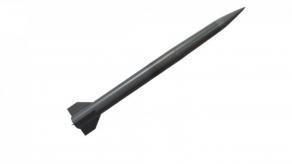
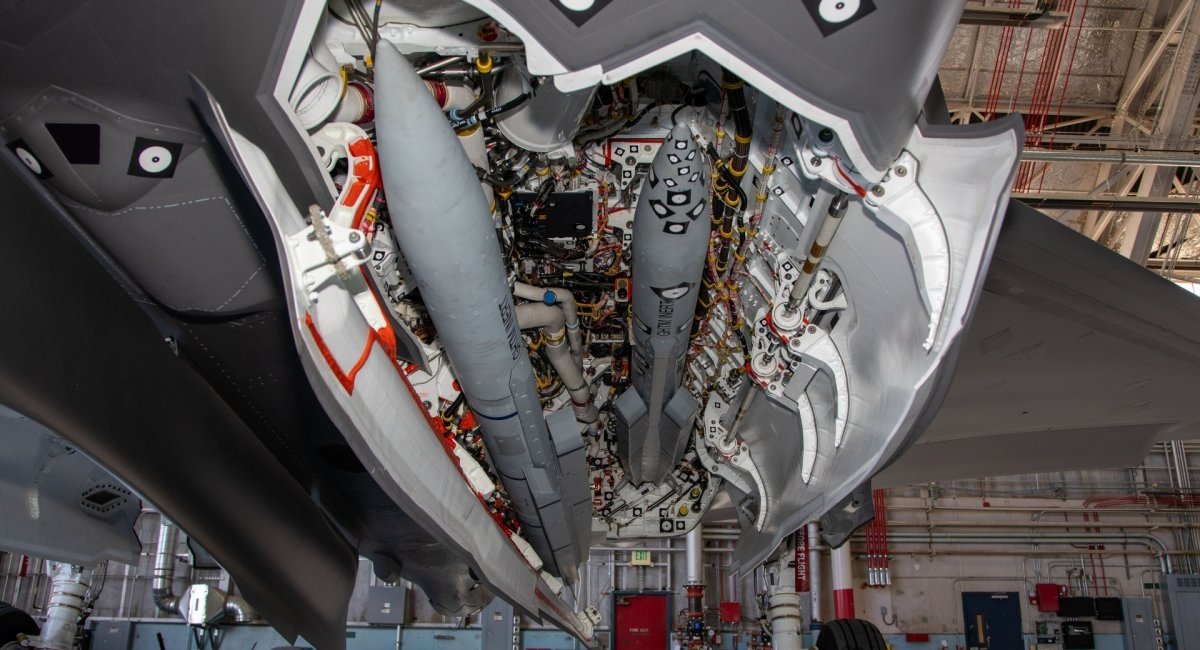
The European long-range Meteor air-to-air missile has completed ground integration on the F-35A fighter jet. This demonstrates that these weapons can be employed safely, without harming the aircraft or affecting its stealth.
The next stage will be flight tests, scheduled to begin after the completion of final ground tests. It may seem that this stage has already been carried out.
Read more: Ukraine Reveals Supply Chain Behind russia's Iskander-M Ballistic Missiles
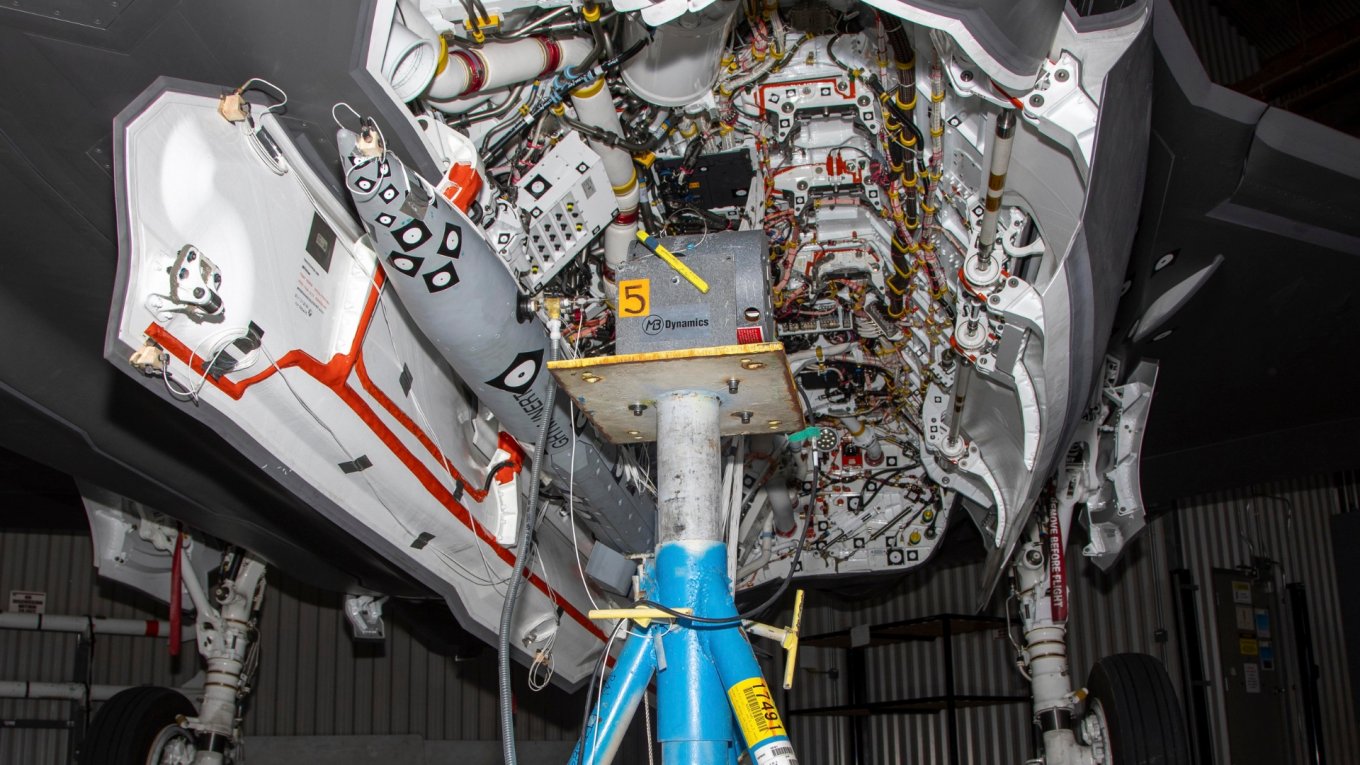
In fact, in-flight testing of the Meteor missile has already been carried out on the F-35B short takeoff and vertical landing variant. Moreover, it was carried out as part of a related program to integrate this missile, led by the United Kingdom.
At the same time, the corresponding work for the conventional F-35A is being financed by Italy. Both countries will benefit from the programs, as they will operate both fighter variants.
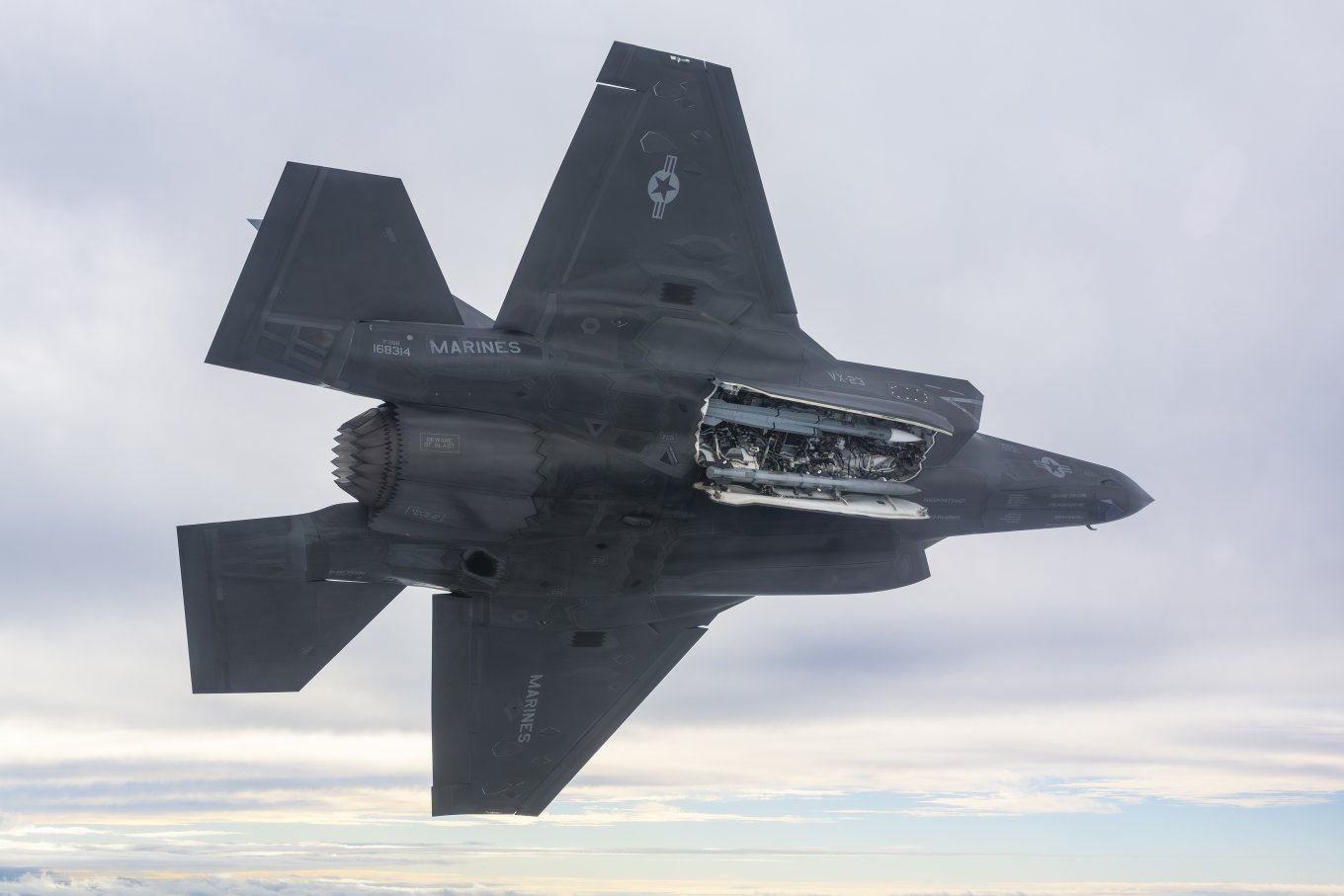
The ability to use Meteor missiles is important not only for standardizing the armament of the current aircraft fleet. It is an important capability for extending the range of airstrikes to 200 km or more, whereas F-35s are currently limited to carrying short-range AIM-9 and medium-range AIM-120 missiles.
However, the UK has already estimated that integration will not be completed until the 2030s. Delays in modifying Block 4 fighters, partly due to issues with TR-3 software, played a significant role in this.
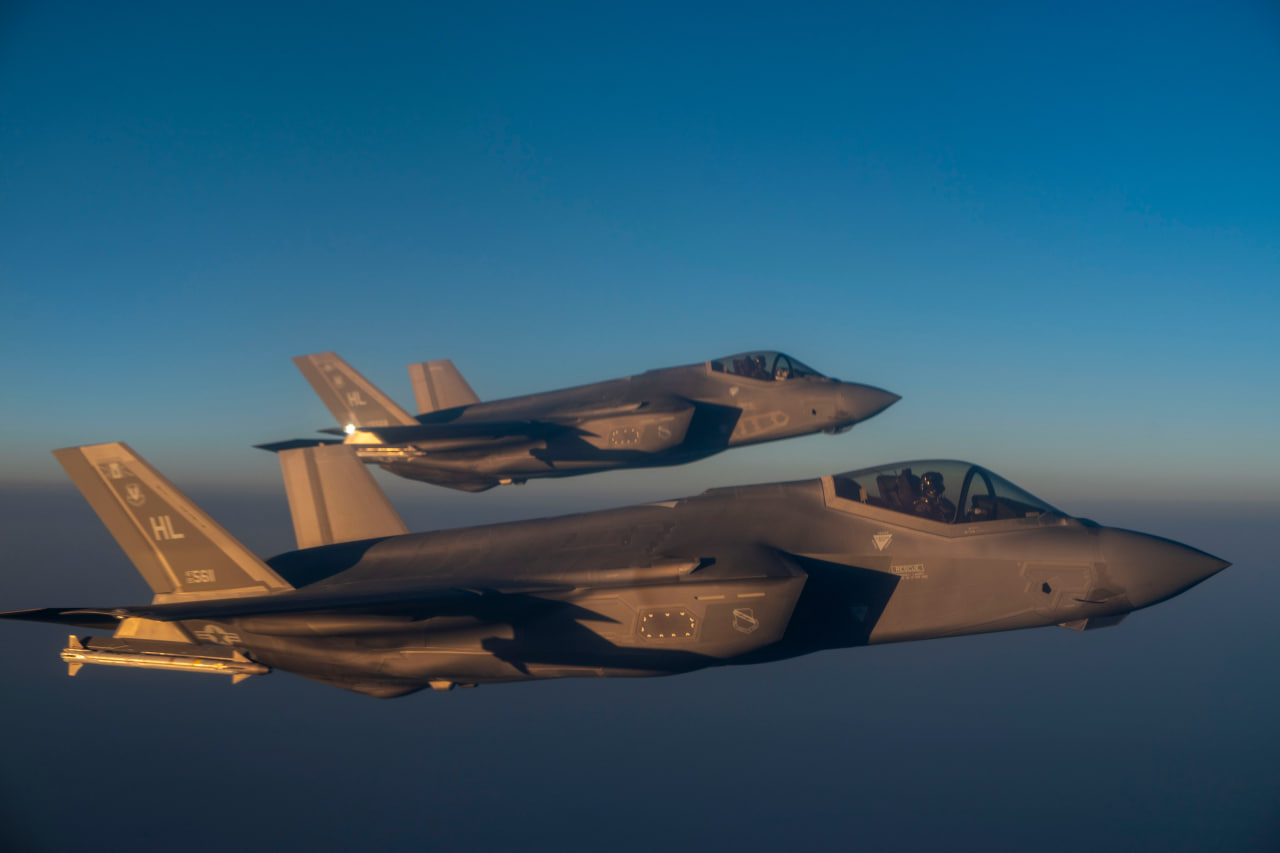
This also affected the U.S., where the number of new F-35 capabilities has been reduced. It will now focus on the main capabilities to avoid further delays.
Currently, the Americans are working on their own Meteor analogues—the AIM-260 and SM-6 (AIM174B) integration. However, in the near future, Italy and the UK's F-35s will remain without long-range weapons, which seriously limits aircraft carrier strike groups.
Read more: How Ukraine Fooled russia Displayed Fake Missile in UAE While Secretly Buying Every AI-25 Engine on Market