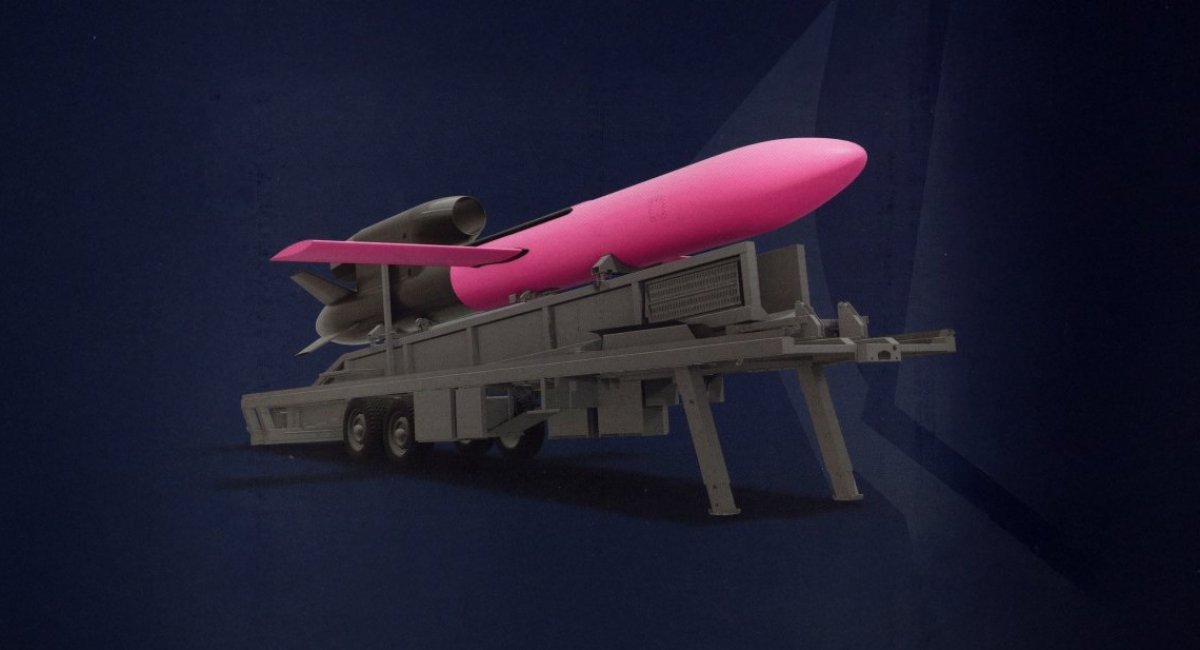
First demonstration of the FP-5 Flamingo cruise missile from Fire Point in Ukraine took place in August this year, but in the world half a year earlier, during the IDEX-2025 exhibition in the UAE, in February. At the same time, a missile mockup was displayed at the stand of international company Milanion Group, which has headquarters in the UAE and has a British division.
And why this happened was answered at the Fire Point press conference to a question from Defense Express by chief designer and company co-owner Denys Shtilerman.
Read more: UK Defense Intelligence: New Strategy Targets Temporarily Occupied Ukrainian Regions
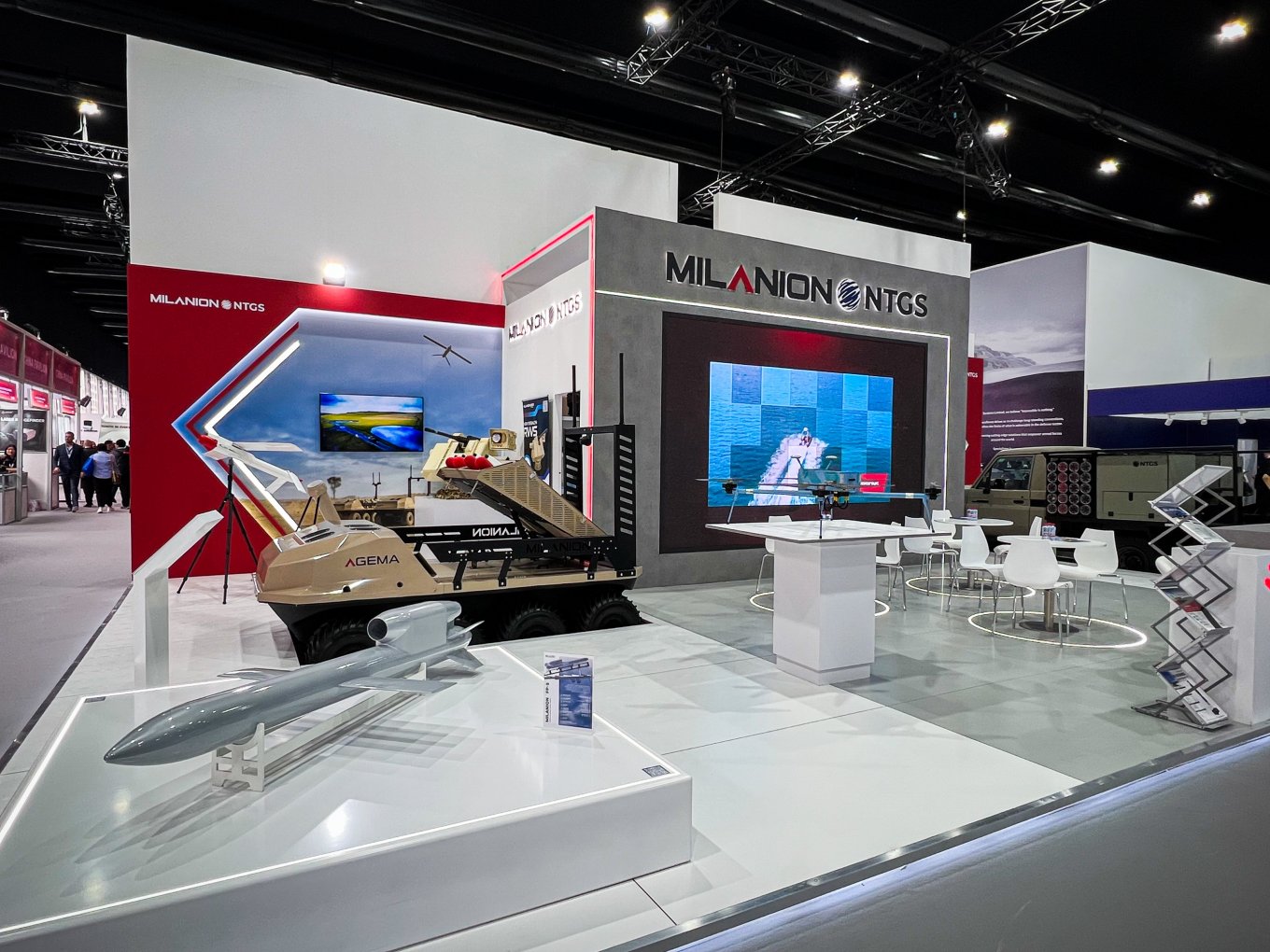
This was our special operation, which was supposed to distract the russians from mass purchases of old AI-25 and AI-25TL aircraft engines that we were conducting abroad. So that they would think this purchase was being conducted in the interests of this company.
We asked through friends to give us a stand, placed a mockup there. And thus the mass procurement of AI-25 and AI-25TL engines did not cause any suspicion among the russians. When they realized, we had already collected everything that was on the market, Denys Shtilerman said.
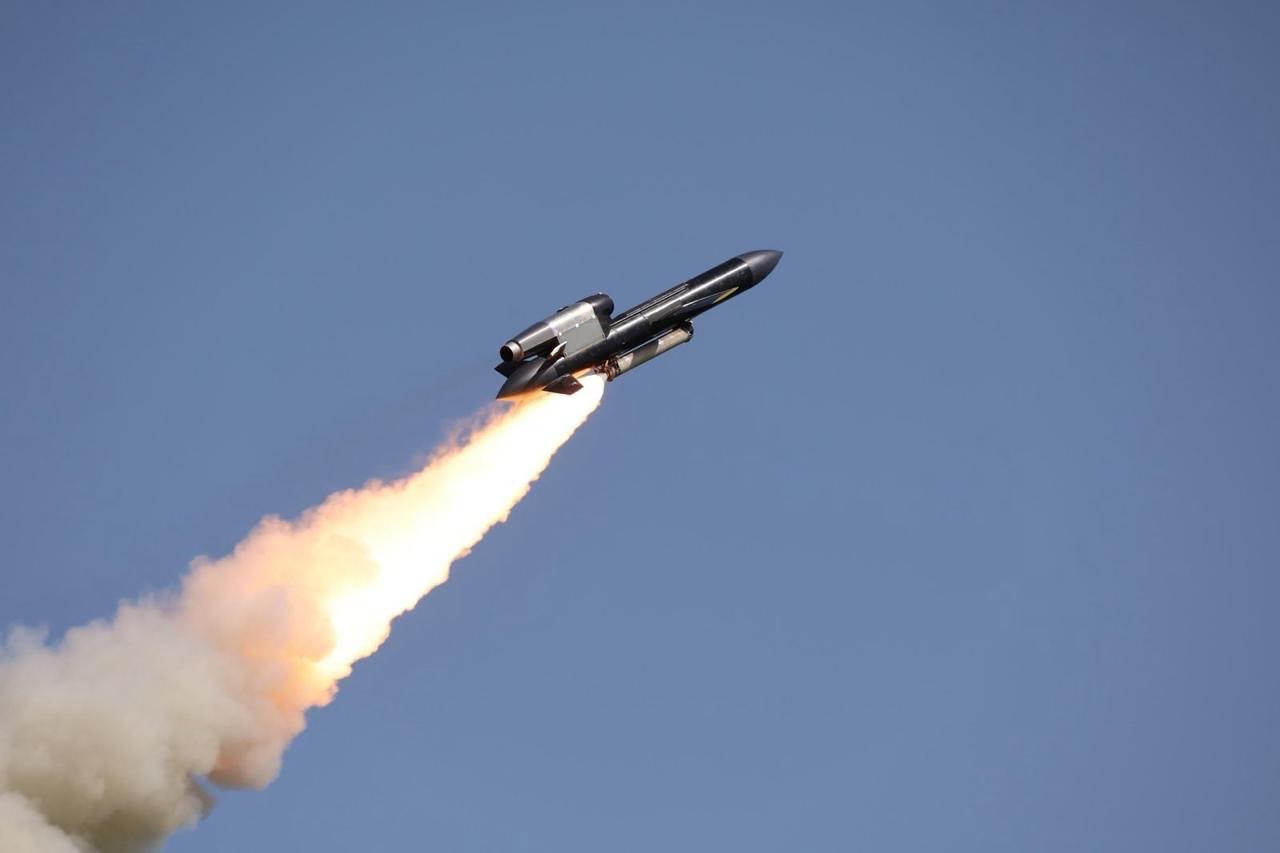
Thus, Fire Point also completely confirmed the assumption about the engine type that Defense Express made immediately after the public demonstration of real photos of this missile. In particular, it was then assumed that FP-5 Flamingo uses used engines from training aircraft.
In particular, AI-25 is used on the Czech L-39 Albatros and the number of such used engines with already exhausted life in the world and in Ukraine itself is quite significant.And they can quite be repaired to work for at least 4 hours for a single one-way flight, which is exactly how long FP-5 Flamingo can fly.
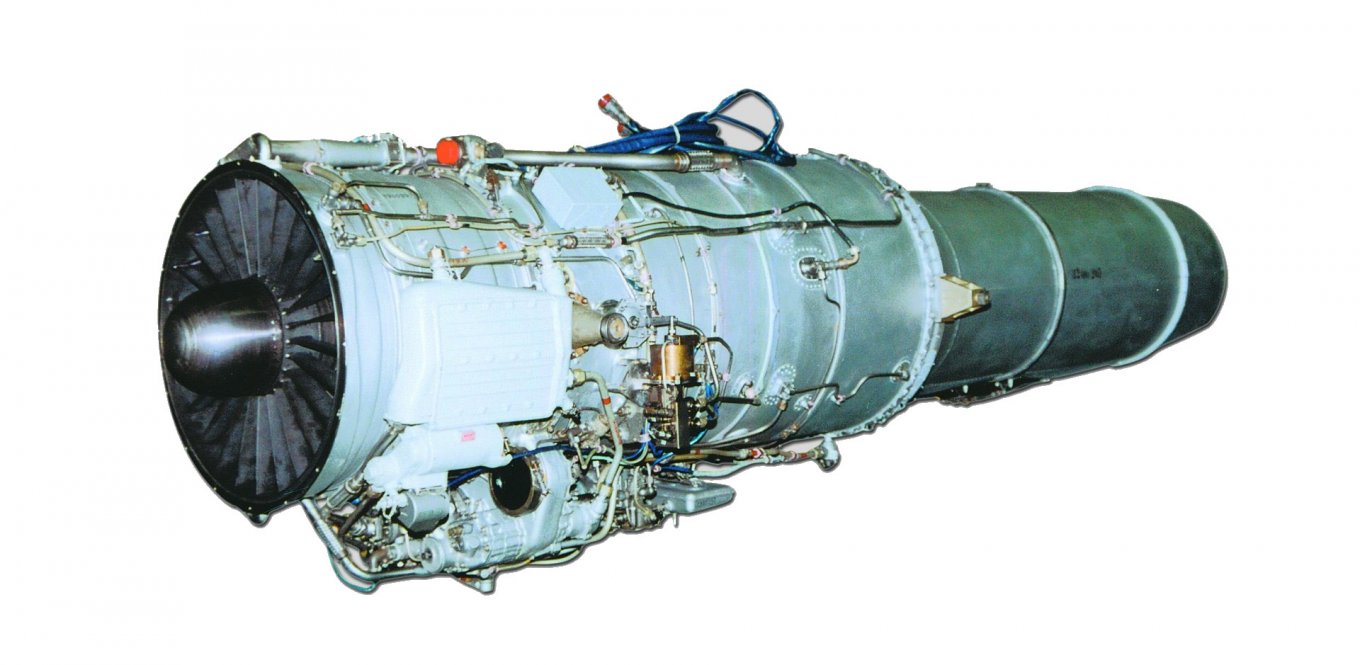
It should be noted that AI-25TL has a thrust of 16.87 kN with a specific fuel consumption of 58.6 kN*h, meaning at full thrust for a 4-hour flight, this missile's fuel supply needs to be up to about 3,950 kg. Considering the stated warhead weight of FP-5 Flamingo at 1,050 kg, it turns out that the missile itself (without fuel and warhead) should weigh only about 1,000 kg, of which 350 kg accounts for the engine itself.
And thus approximately 650 kg is the weight of the airframe and internal equipment, which is a very low figure for such a large missile. And it's achieved through active use of composite materials. In particular, as is known, the fuselage, wing and control surfaces of Flamingo are made of fiberglass. And besides reducing radar signature, this allows precisely to reduce weight.
It should be noted that it was also explained why missile-drones exist in Ukraine and soon there will even be ballistic drones.
Read more: Sweden Orders Stealth Cruise Missile Built from Scratch in Just 18 Months for $15.8 Million