


Ukraine has been actively offering support to the United States and countries in the Middle East to help counter Iranian attacks. In particular, Kyiv has proposed electronic warfare systems and interceptor drones. However, Trump has repeatedly stated that assistance from Ukraine would be the last option he would consider.
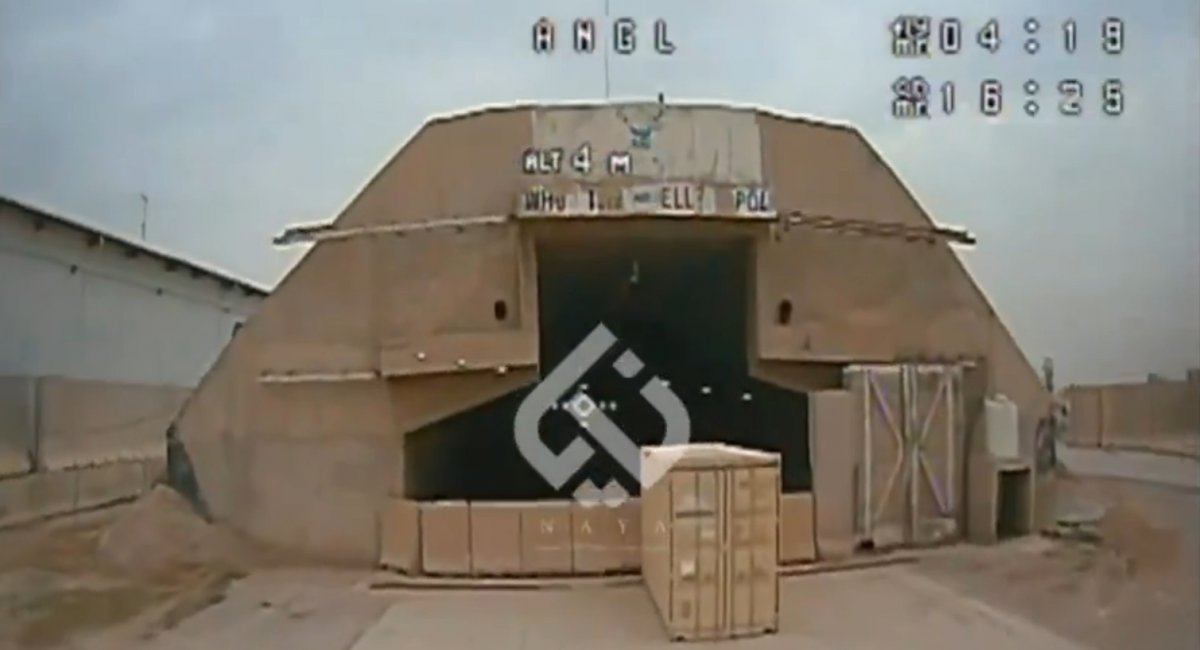
Several videos have now appeared online showing FPV drones belonging to the Iran-backed Islamic Resistance in Iraq flying over the U.S. Camp Victory at Baghdad International Airport.
Read more: Satellite Images of UAE Air Base Reveal Possible Heavy Losses After Iranian Attacks
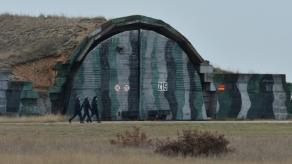
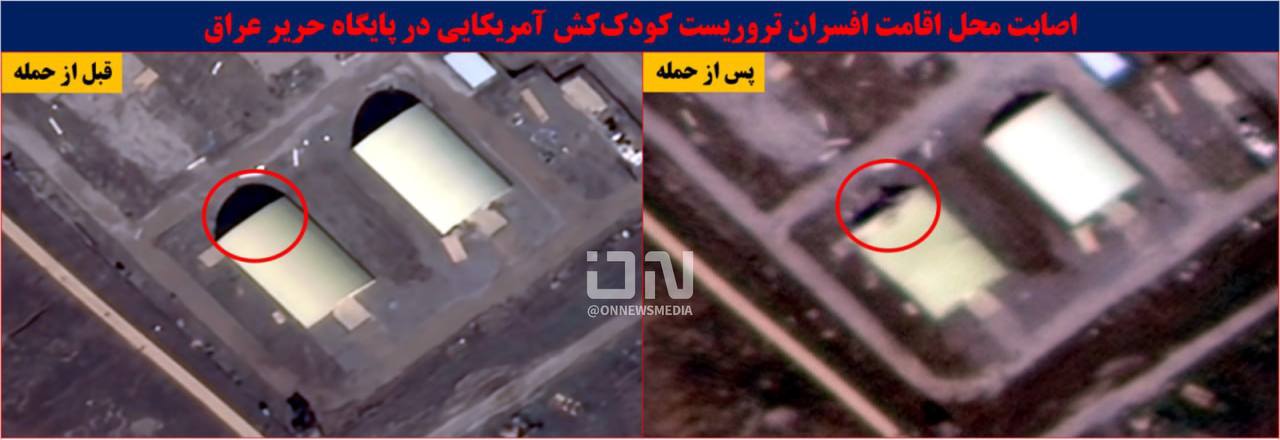
The FPV drones reportedly remained over the base for several minutes before striking hangars. However, it is unlikely that these hits caused significant damage to equipment inside, and it is unclear whether any assets were present in the hangars at the time of the attack.
Another video shows an FPV drone, launched by pro-Iranian militias, striking an aircraft shelter at 33°15'51.91"N, 44°12'46.56"E within the U.S. Victory Base Complex at Baghdad International Airport. https://t.co/LlqUZ1aqmz pic.twitter.com/xjayAdMhql— Egypt's Intel Observer (@EGYOSINT) March 15, 2026
Based on the footage, the strike likely involved FPV drones controlled via a radio link. The stable and relatively clear video feed suggests that the drones were launched close to the base and that the operators were located nearby.
The interface visible in the video, which the militants did not attempt to conceal, shows that the drone had been in the air for only a few minutes before the strike. This indicates that the launch site was likely located just a few hundred meters from the base.
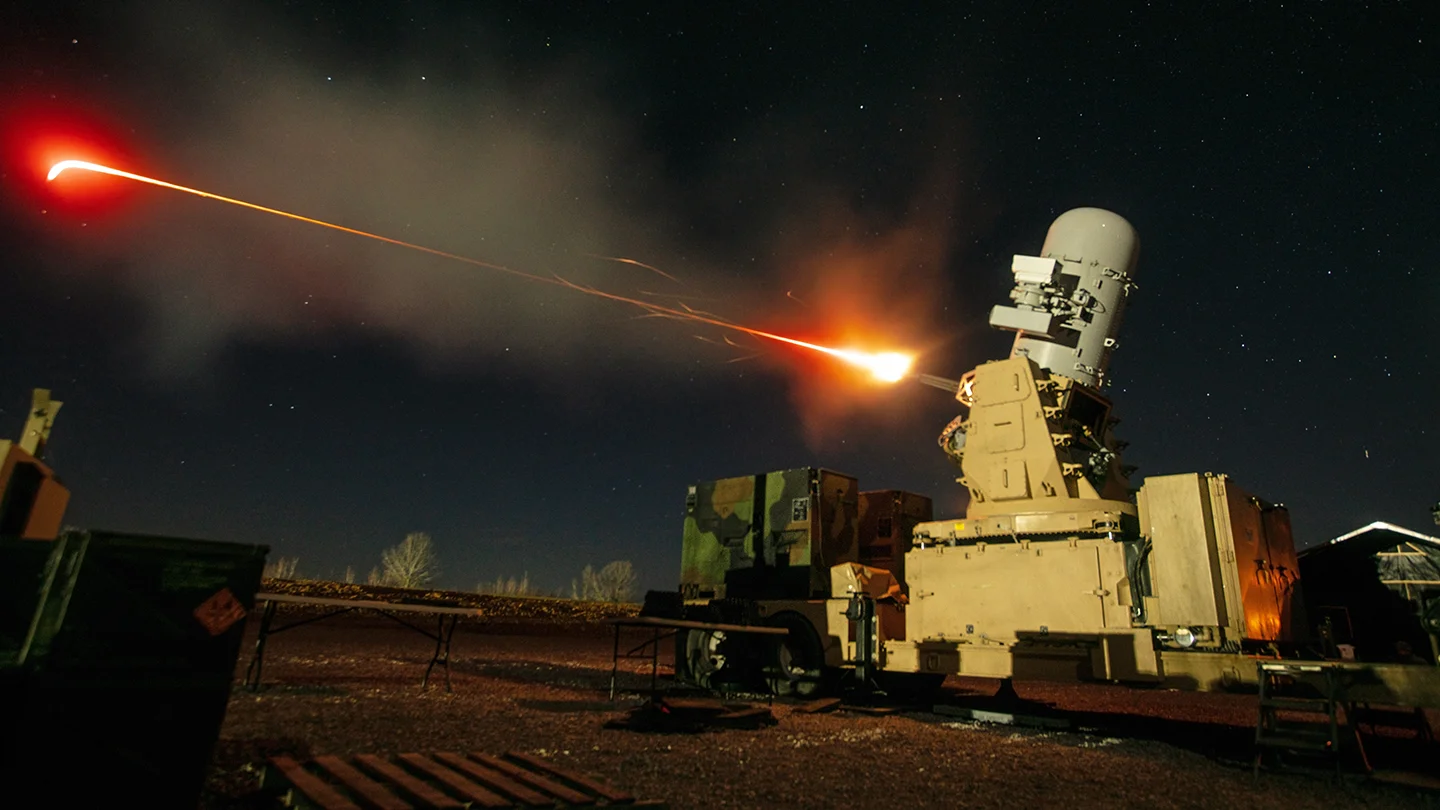
If the drones indeed used radio-link control rather than fiber-optic guidance, this could indicate the absence of electronic warfare systems at the air base. Given the size and importance of the facility, it would normally be expected to have a layered air defense system including the Patriot air defense system, the C-RAM air defense system, and other protective measures.
Ukraine has extensive experience countering not only Shahed drones but also FPV drones. Kyiv could potentially supply combat-proven electronic warfare systems to help protect American military bases and other critical infrastructure.
However, as noted earlier, Trump has shown little interest in accepting such assistance and has repeatedly stated that the United States has already defeated Iran. At the same time, he has dismissed evidence of Iranian cooperation with russia, despite the discovery of russian-made Shahed drone debris after Iranian strikes.
It is widely assumed that russia may have helped Iran develop FPV drone capabilities and establish their production in exchange for other types of weapons.
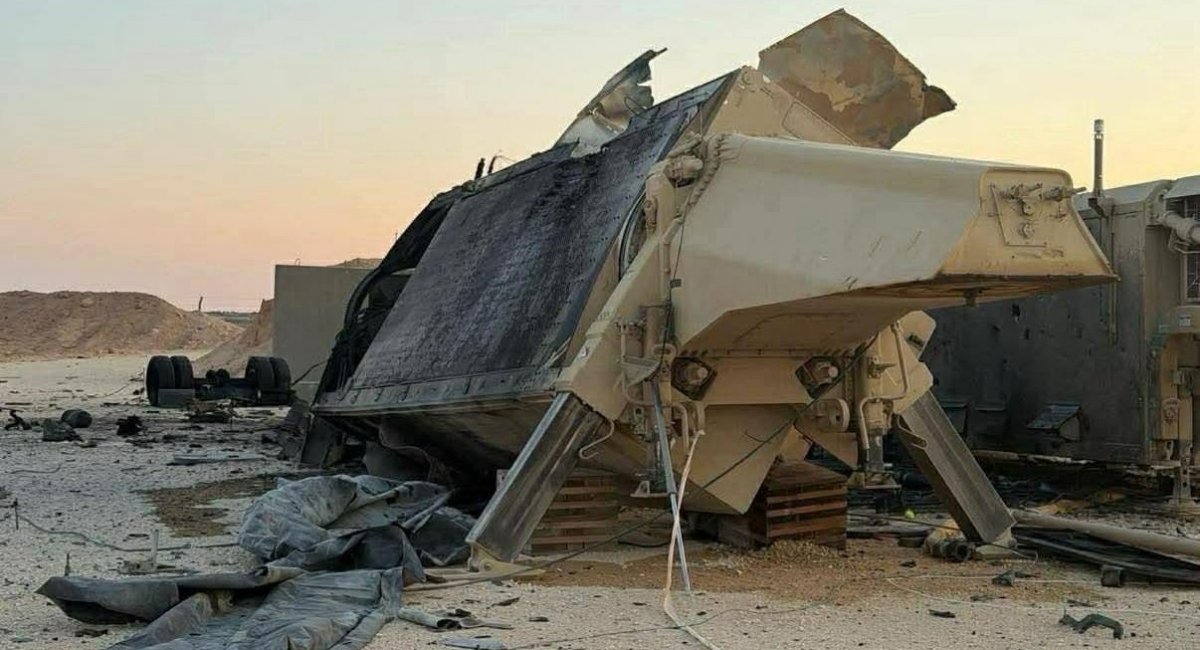
It should also be recalled that Iran may already have destroyed up to four extremely valuable and rare AN/TPY-2 radar systems, which are critical components of the THAAD missile defense system. In addition, newly released satellite imagery of an air base in the United Arab Emirates provides an opportunity to assess the scale of damage, reportedly amounting to billions of dollars, caused by Iranian drone strikes.
Read more: Did Iran Destroy Two AN/TPY-2 Radars for THAAD System? If So, It's a Total Fiasco