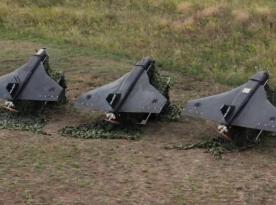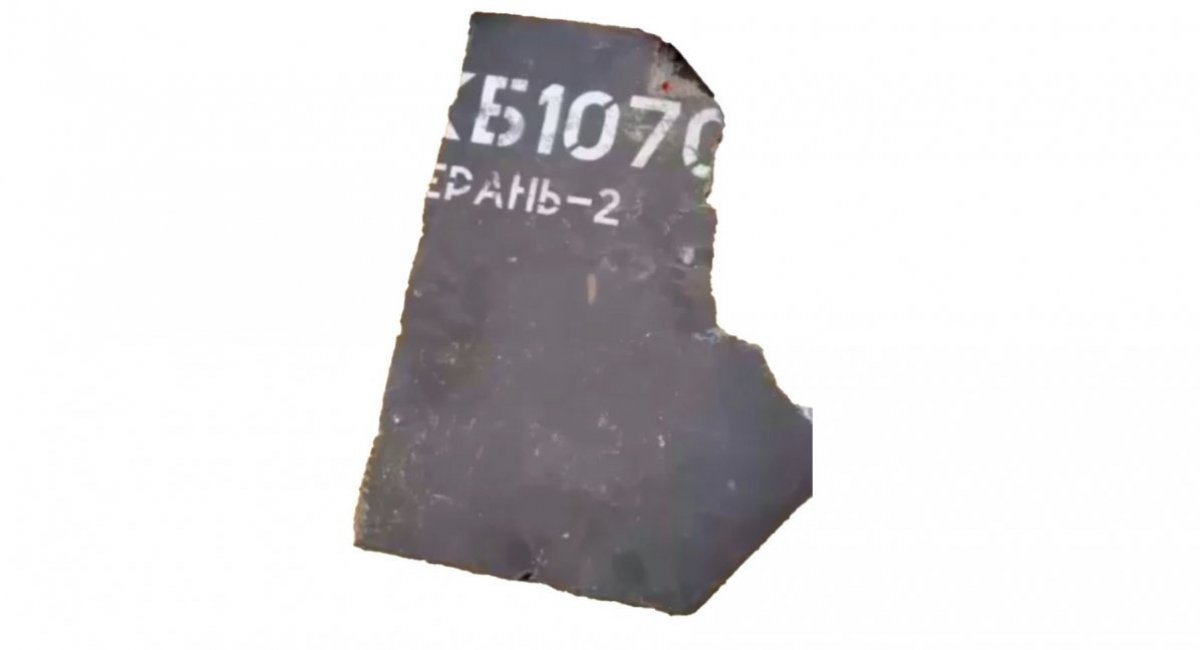
The long-range Geran-2 drone, a russian-produced licensed copy of the Iranian Shahed-136, was most likely used by Iran itself in a strike against the United Arab Emirates.
This conclusion is based on a video published by a russian émigré and filmed near the port of Jebel Ali. The footage was highlighted by the outlet RBC.
Read more: Which Key Chinese Components New russian Jet-Powered Geran-5 Strike UAV Cannot Operate Without
At present, all indications suggest the video was indeed shot in a UAE port, as evidenced by the distinctive soil and a recognizable building in the background. However, caution is necessary. A recently circulated video allegedly showing a Kometa-M antenna discovered in Cyprus after Iranian drone strikes later proved to be false and may have been deliberately planted. Therefore, additional confirmation is required before drawing firm conclusions.
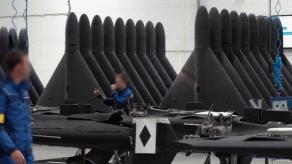
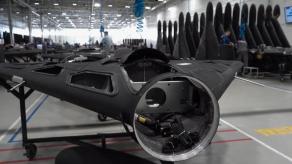
Based on the available footage, Defense Express can analyze the partially visible serial number on the Geran-2: KB 1070… The letters KB indicate that the drone was assembled at the Kupol plant in Izhevsk rather than at the Alabuga production facilities in Tatarstan, whose products carry the markings Ы and Ъ.
Drones from this production batch are equipped with the jam-resistant Kometa-M communications system. They are also characterized by the near-total absence of Iranian components, most of which have been replaced by Chinese parts. In addition, they differ in manufacturing and assembly technologies.
Regarding the numerical sequence, serial numbers at the Izhevsk plant are aligned along the edge. In this case, the winglet appears damaged, which explains why the full number is not visible. As of early March 2026, serial numbers of Geran-2 drones produced in Izhevsk have exceeded 30,000. A number in the 10,70X range corresponds to production levels of spring–summer 2024.
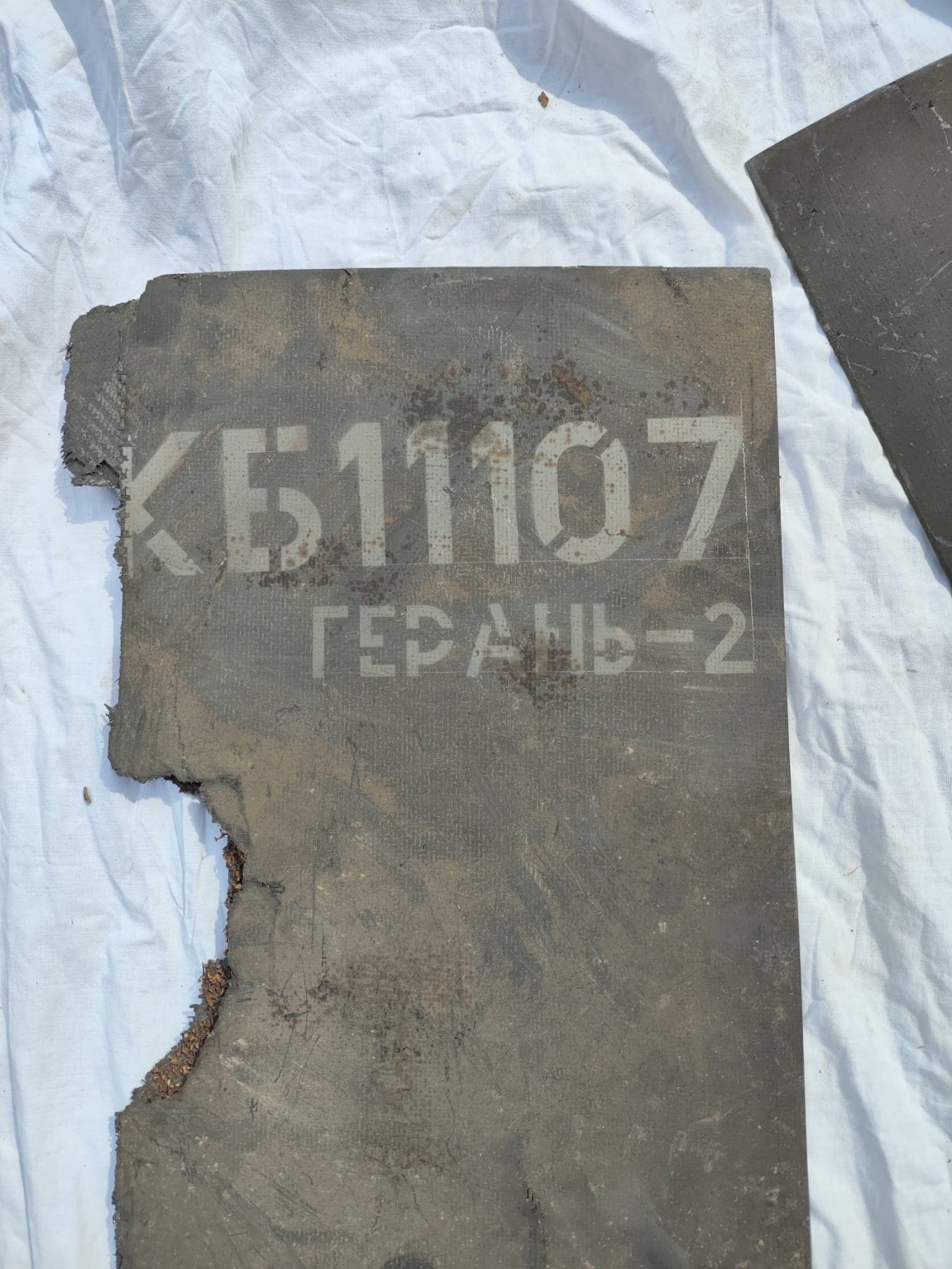
If the video is authentic, the question of how and when this long-range drone ended up in Iran becomes particularly interesting. Since 2022, Iran has supplied original Shahed-136 drones to russia, reportedly receiving cash payments of approximately $193,000 per unit.
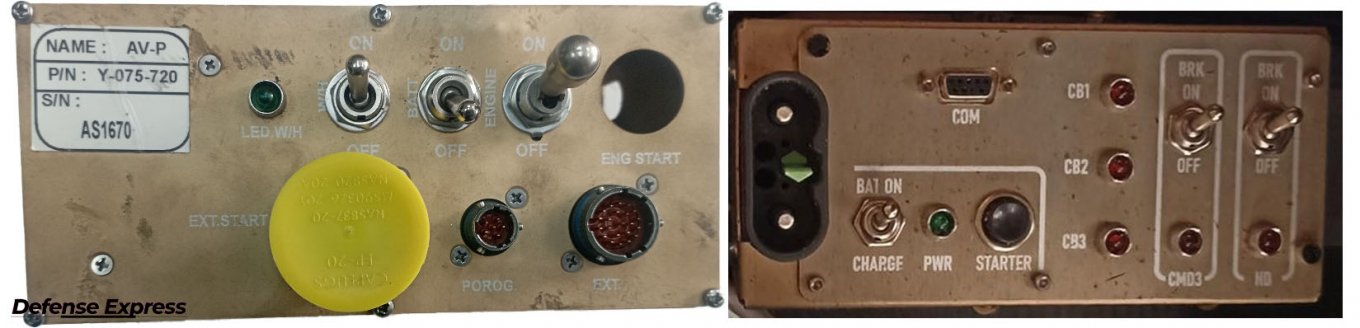
It is possible that this drone was transferred as a demonstration model. However, in that case it would be unlikely to have been used operationally. Geran-2 drones produced in Izhevsk differ in onboard electronics and even feature different flight mission programming ports compared to their Iranian counterparts.
Another plausible scenario is that russia supplied its own Geran-2 drones equipped with Kometa-M antennas containing a limited number of CRPA elements. These variants have already proven less effective against Ukraine. They may have been stored in russia and later transferred to Iran, possibly to replenish strategic stockpiles after Israeli strikes in 2025 or ahead of anticipated U.S. attacks as part of Operation Epic Fury.
Read more: Qatar Joins Strikes on Iran, Saudi Arabia Expected to Follow: How This Could Accelerate Conflict