


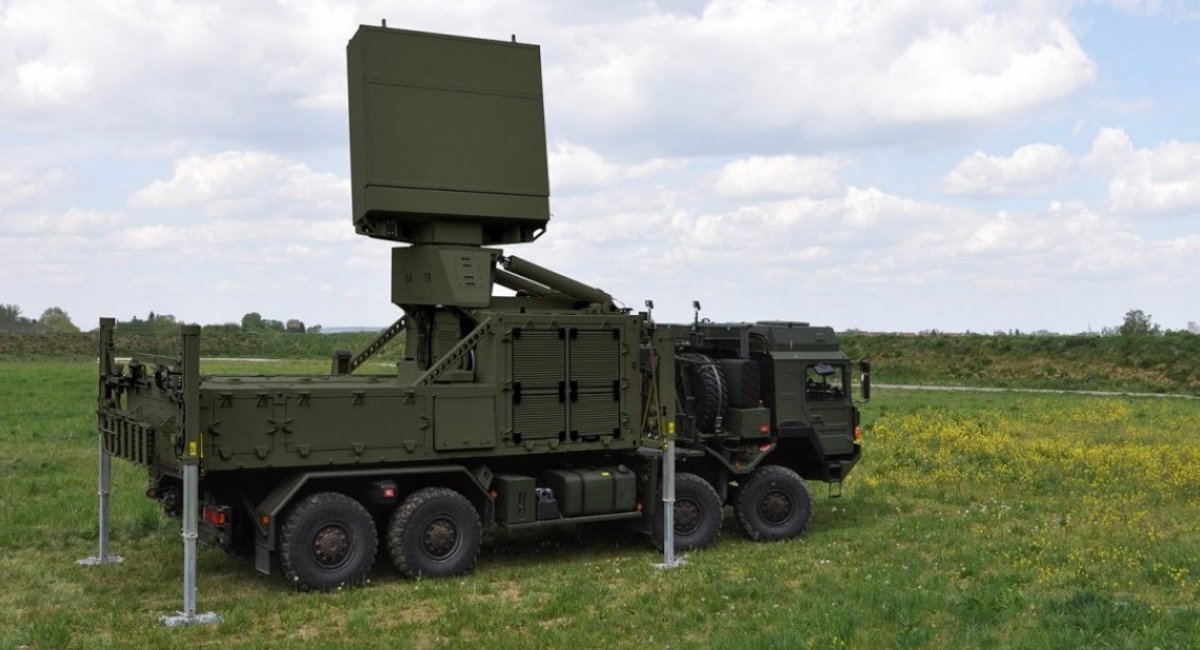
Ukraine is gaining the ability to independently service, repair, and rapidly restore TRML-4D radars — thanks to the upcoming opening of a local service center by their German manufacturer, Hensoldt.
Beyond maintenance, the company is also establishing an innovation hub designed to bridge frontline experience with industrial implementation. The goal is to capture and act on real-world user feedback faster than any remote support arrangement could allow.
Read more: iran vs russia: One Month, Six Countries, Numbers That Put War on Ukraine in Perspective
Hensoldt plans to consolidate training programs and structured maintenance workflows under one roof. Company representatives have stressed that a local office is essential for coordination and ensuring equipment remains operational when it matters most.
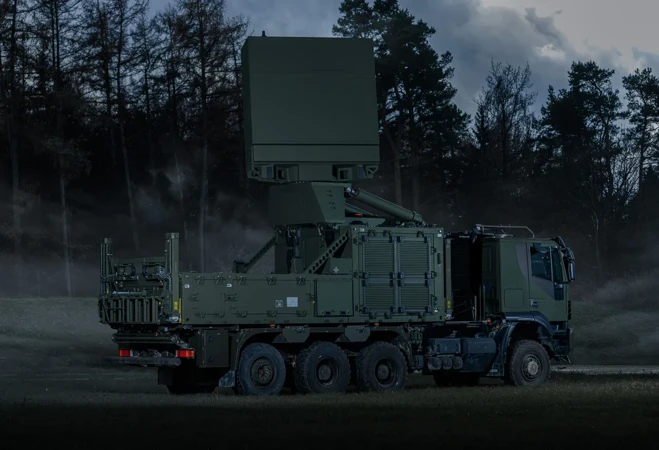
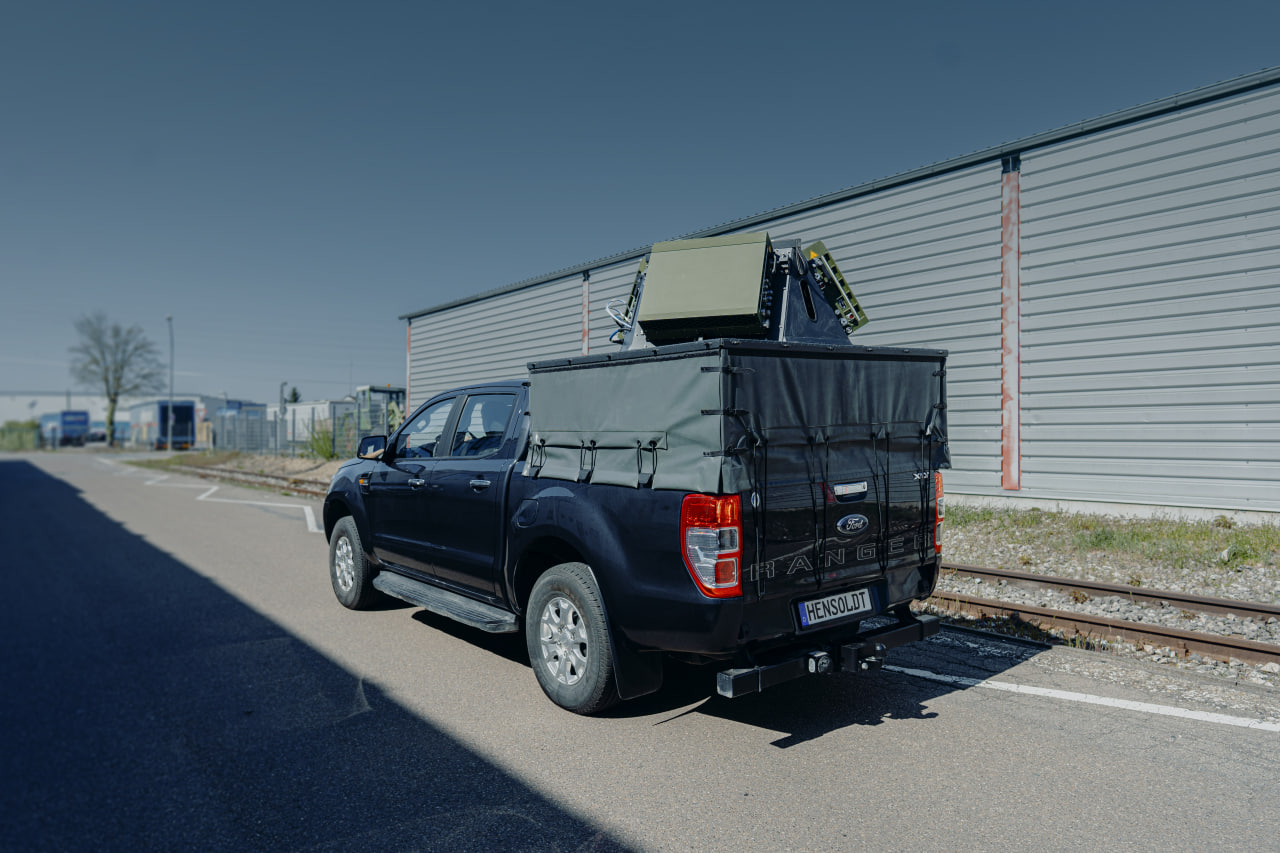
The firm's best-known product in Ukraine is the TRML-4D radar, supplied both as part of the Iris-T SLM air defense system and as a standalone unit. The Spexer 2000 Mk 3— primarily paired with the Skyranger 30 counter-drone cannon but capable of operating independently — has also been referenced in Ukrainian service.
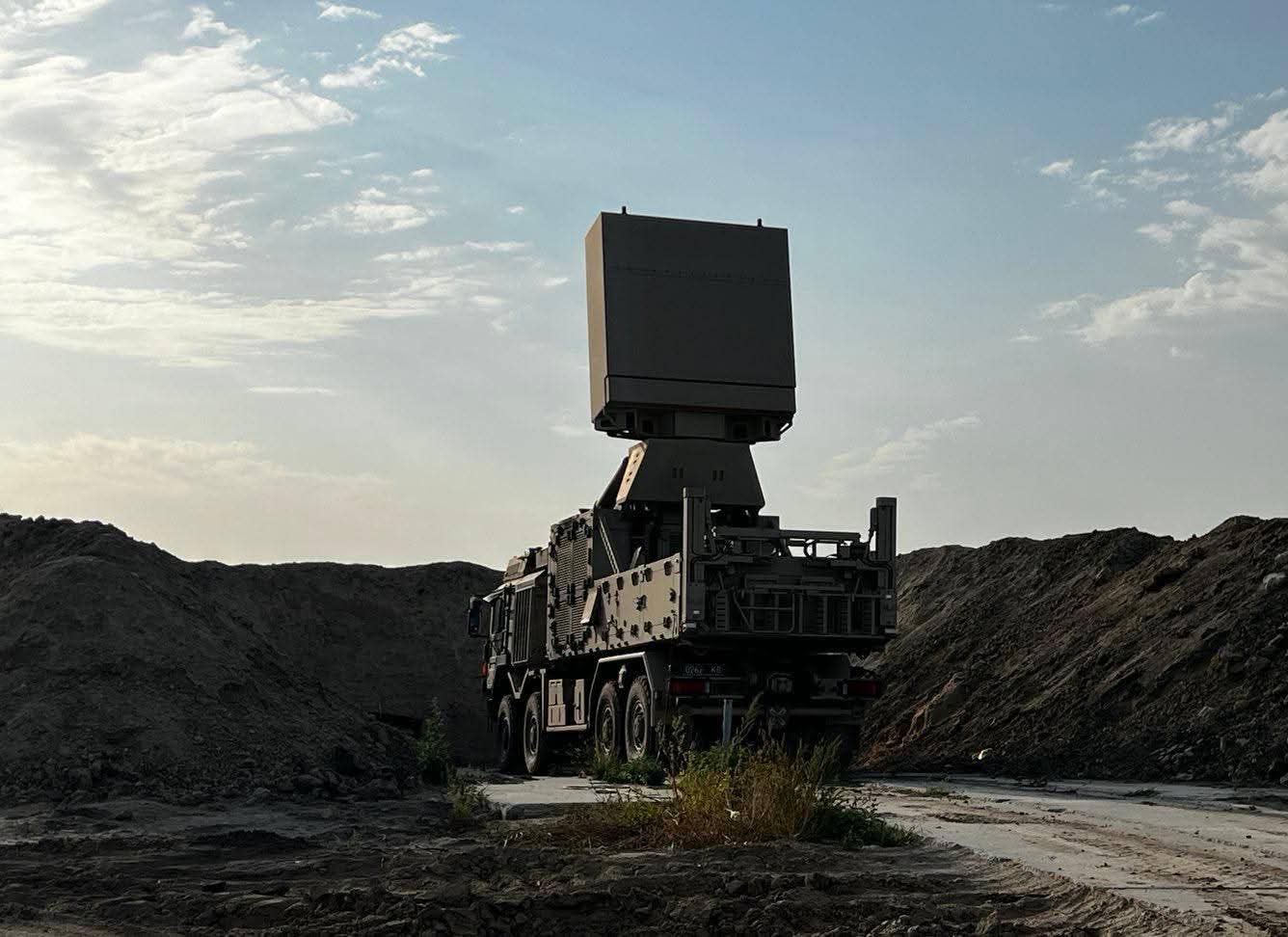
The ability to service these radars domestically carries clear operational benefits. Turnaround times shrink, downtime is reduced, and equipment no longer needs to travel abroad for inspection and repair. Equally important, it gives Ukraine's defense forces a meaningful degree of self-sufficiency — support for critical systems no longer depends entirely on facilities outside the country. That matters especially because Ukrainian forces are among the largest operators of the TRML-4D globally.
On the innovation side, a local development presence means battlefield feedback can be turned into product improvements far more quickly. Ukrainian operators have accumulated combat experience that no other customer can match — and Hensoldt is clearly looking to put that knowledge to work at scale.
The move comes as Hensoldt pursues an aggressive production ramp-up, targeting output of 1,000 radars per year by 2027. To support that goal, the company has signed a long-term agreement for the supply of 900,000 semiconductor components.
Read more: Japan Deploys 1,600 km Tomahawk Missiles to Counter russia and China