


Month has passed since the United States launched Operation Epic Fury and Israel launched Operation Lion's Roar in the early hours of February 28.
As of March 30, across the UAE, Kuwait, Bahrain, Saudi Arabia, Qatar (as of March 1), and Jordan (as of the evening of February 28), iran had employed at least 3,767 drones, 25 cruise missiles, and 1,055 ballistic missiles.
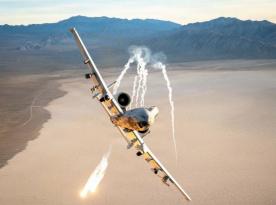
Read more: Built to Be Retired, Deployed to Win: A-10 Thunderbolts Head for iran
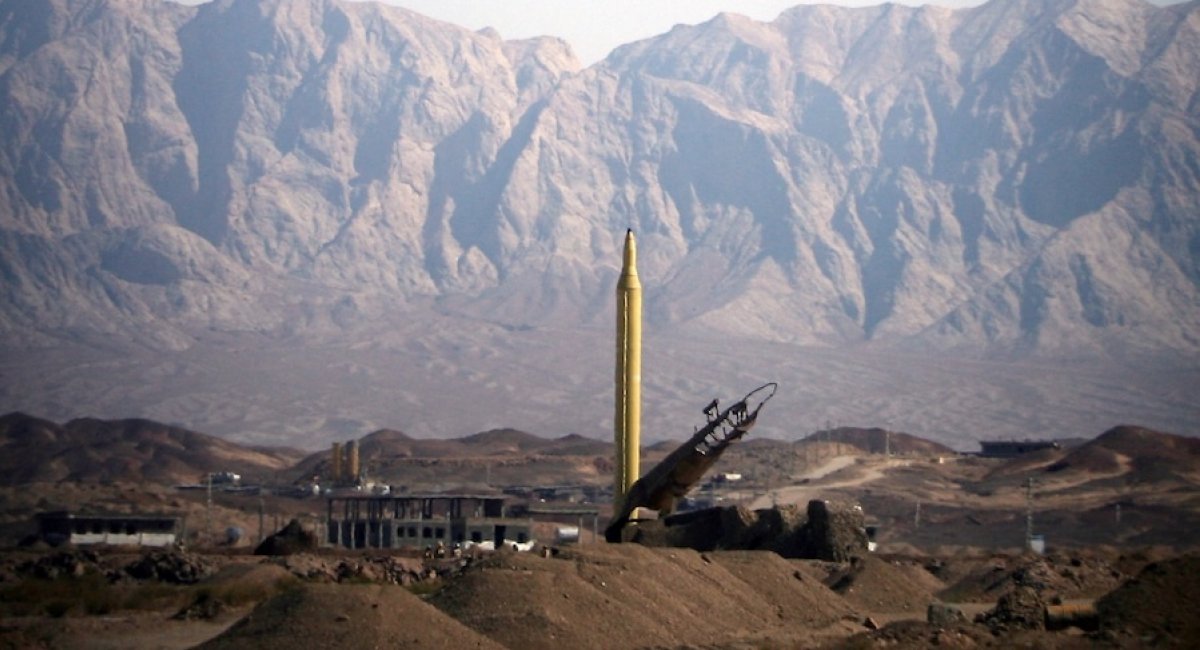
That is already a substantial figure and in reality considerably higher, since it excludes Israel entirely. But having those numbers in hand, it is worth comparing them against what russian forces fired at Ukraine over that same period: February 28 through March 30.
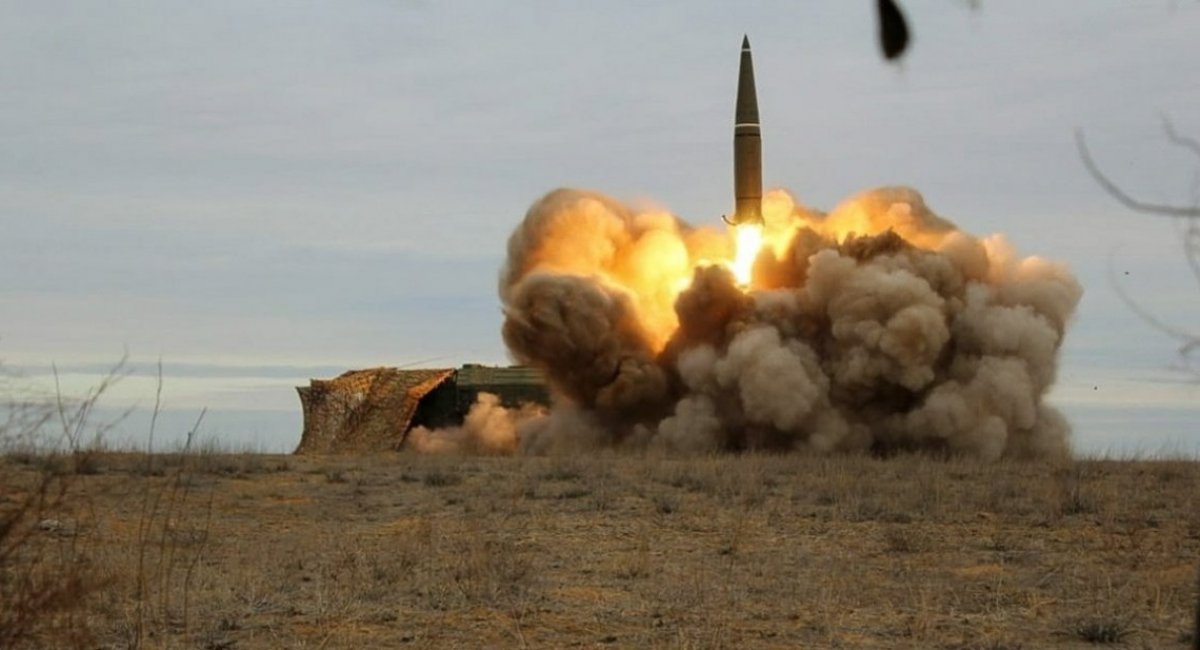
According to Ukrainian Air Force reporting, russia employed during that window: 40 ballistic missiles (Iskander-M and S-300/S-400), 5 hypersonic missiles (Kh-47M2 Kinzhal and 3M22 Zircon), 86 cruise missiles (Kh-101, Iskander-K), 8 other guided missiles (Kh-59/69/31), and 6,278 drones.
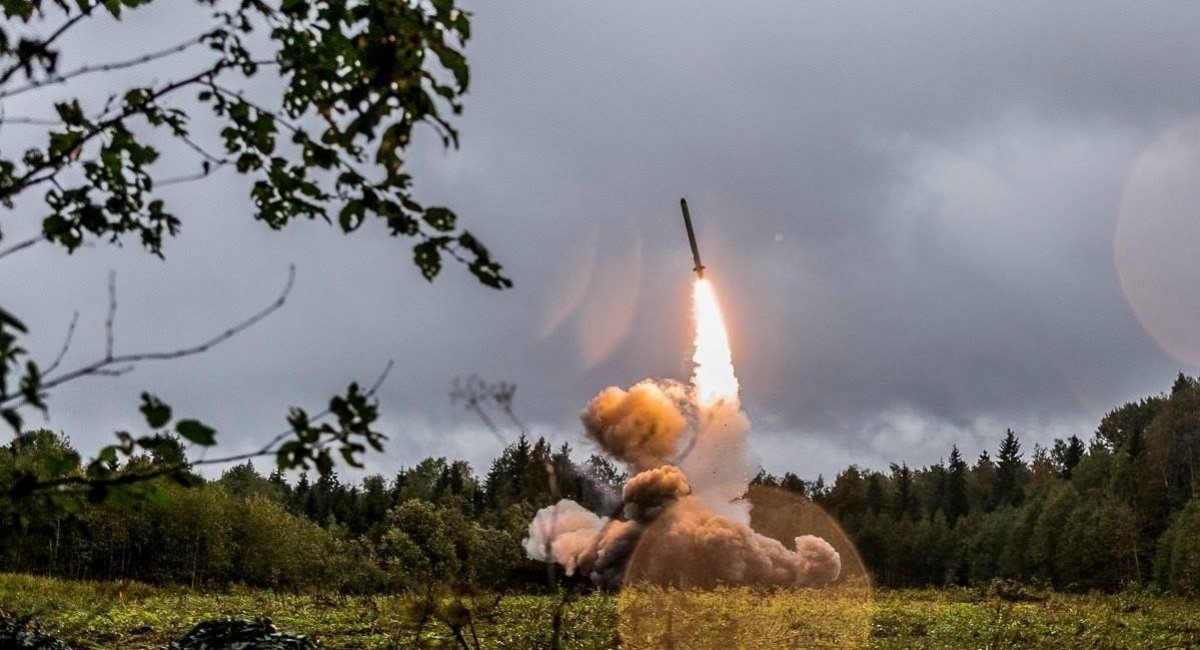
The numbers tell a striking story. russia fired 3.4 times more cruise missiles at Ukraine than iran launched at six countries combined. The drone disparity runs in the same direction russia outpaced iran by a factor of 1.6.
Where iran holds a commanding lead, however, is ballistic missiles firing 26.3 times more than russia did over the same period. That said, russian cruise and ballistic missiles are considerably more technically sophisticated than their iranian counterparts, making interception significantly harder.
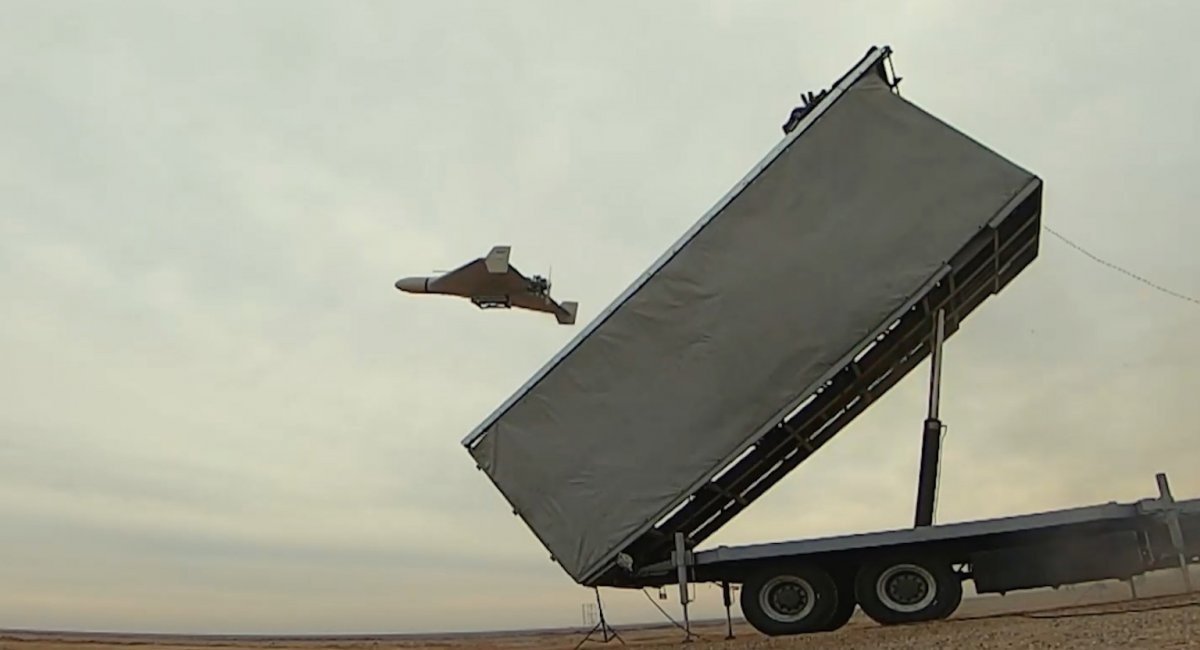
On hypersonic and other guided munitions: iran has employed these categories as well, but defense ministries across the Middle East have not published disaggregated figures, making a direct comparison currently impossible.
It is also worth noting that the bulk of iran's drone and missile launches were concentrated in the opening days of the conflict. The tempo has since dropped sharply and is now running at several dozen ballistic missiles and drones per day, a decline driven by munitions depletion and the attrition of launch platforms.
russia, by contrast, maintains a steady drumbeat of roughly 100–150 drones per day against Ukraine, with mass strikes — typically occurring about once a week, pushing that figure as high as 500 aircraft in a single night.
It is precisely that four years of unrelenting consistency that has given Ukrainian forces a unique and hard-won expertise in countering this threat, along with the tools to match. That experience will almost certainly prove valuable to Middle Eastern countries,and others, now confronting the same problem for the first time.
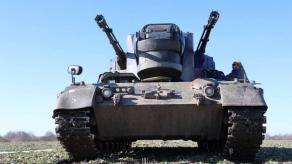
Read more: Rheinmetall to Produce Up to 400 Skyranger and Skynex Systems Annually to Counter Shahed Drones in Ukraine and Europe