


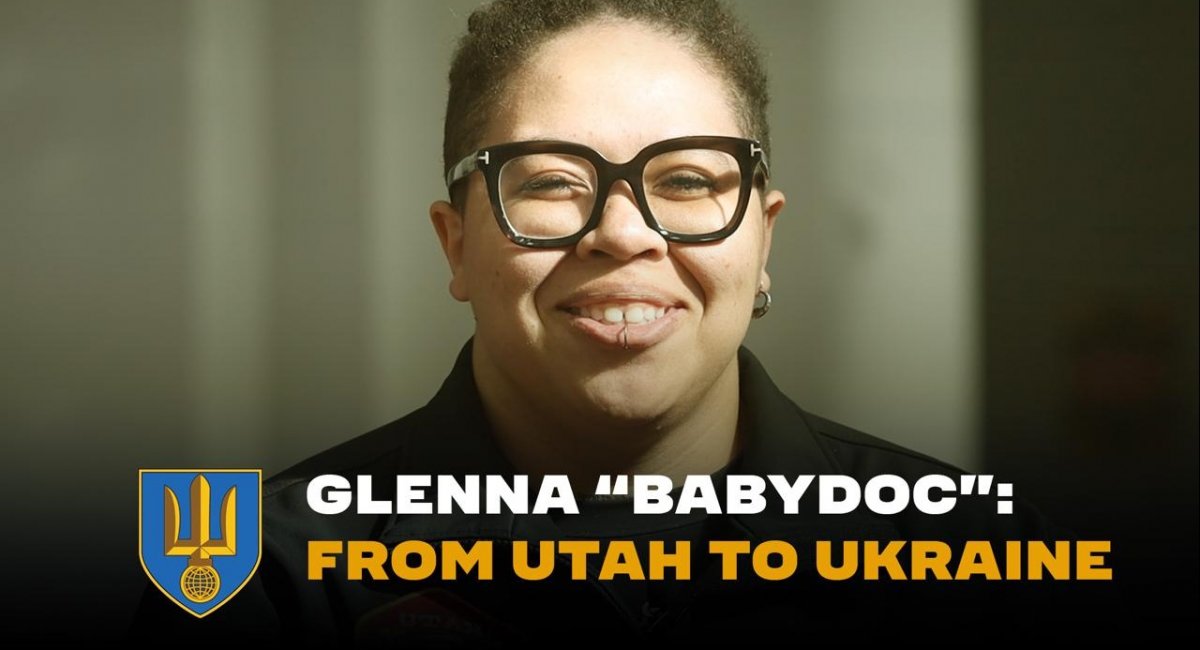
Glenna Manchego, known by her call sign "BabyDoc," is an American frontline medic who arrived in Ukraine just weeks after the russian full-scale invasion began. The Utah native possessed a unique blend of medical and military training — skills she knew could save lives on the ground. Watching the initial onslaught on the news from across the Atlantic, she couldn't stay indifferent.
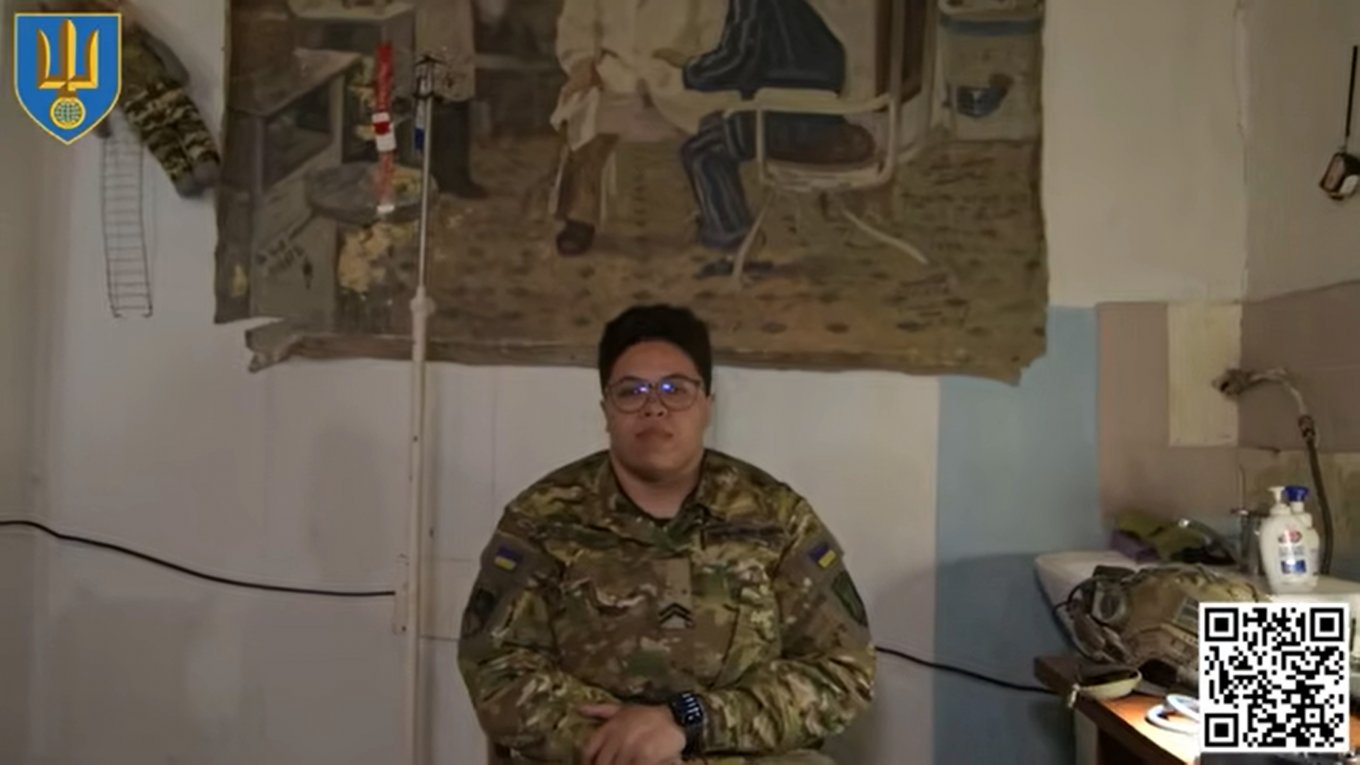
Driven by a deep sense of purpose, she bypassed the safety of civilian life in the United States, packed her bags, and headed straight toward the conflict to offer her skills where they were needed most. Glenna’s decision to volunteer was immediate:
Read more: International Legion for the Defense of Ukraine Stands Shoulder to Shoulder with Ukrainians
“When I first saw the news of the full-scale invasion, I knew I could do more than just sit back, donate money, or reshare a post. I decided to send my resume to the Ukrainian consulate in California with a simple message: I want to volunteer.
To be honest, I didn't think I would actually get accepted. But two weeks later, an email arrived from them: “Yes, you can come. This is where you fly to. This is where you cross the border.”
Four years after making that pivotal choice, Glenna remains in Ukraine. In her own words, she has completely fallen in love with the Ukrainian people, their culture, and the country itself:
“I love Kyiv. It's probably my favorite city so far. And one of the most beautiful cities I've ever seen. There's always something to do, new people to meet, and beautiful places to explore. The city has an energy that's hard to describe until you've experienced it yourself.”
However, when she first arrived in Ukraine, she was actually quite surprised. For about her first year here, she never really got a sense of what civilian life in Ukraine was like:
“I was stationed in Kharkiv, and at that time there were very few people in the city. The streets were often empty, and daily life felt completely different from what it would have been in peacetime.”
But as the years passed, she started to see another side of Ukraine:
“You begin to get a better picture of what life here is normally like beyond the war. In a way, that's been very comforting. It reminds me of home in the United States.
Ukrainians are incredibly welcoming, and people are very open to foreigners. More broadly, Ukrainian cities have come to hold a very special place in my heart. They've shown me not only the resilience of this country, but also its warmth, culture, and humanity.”
Later, she moved to the Second International Legion for the Defence of Ukraine, which was much more integrated. She worked side-by-side with Ukrainians across infantry, medical, and various other roles. For Glenna, working alongside Ukrainians has been incredibly inspiring:
“As foreign volunteers, people come here with different motivations. For some, it can be for financial reasons. For others, it is a genuine desire to help.
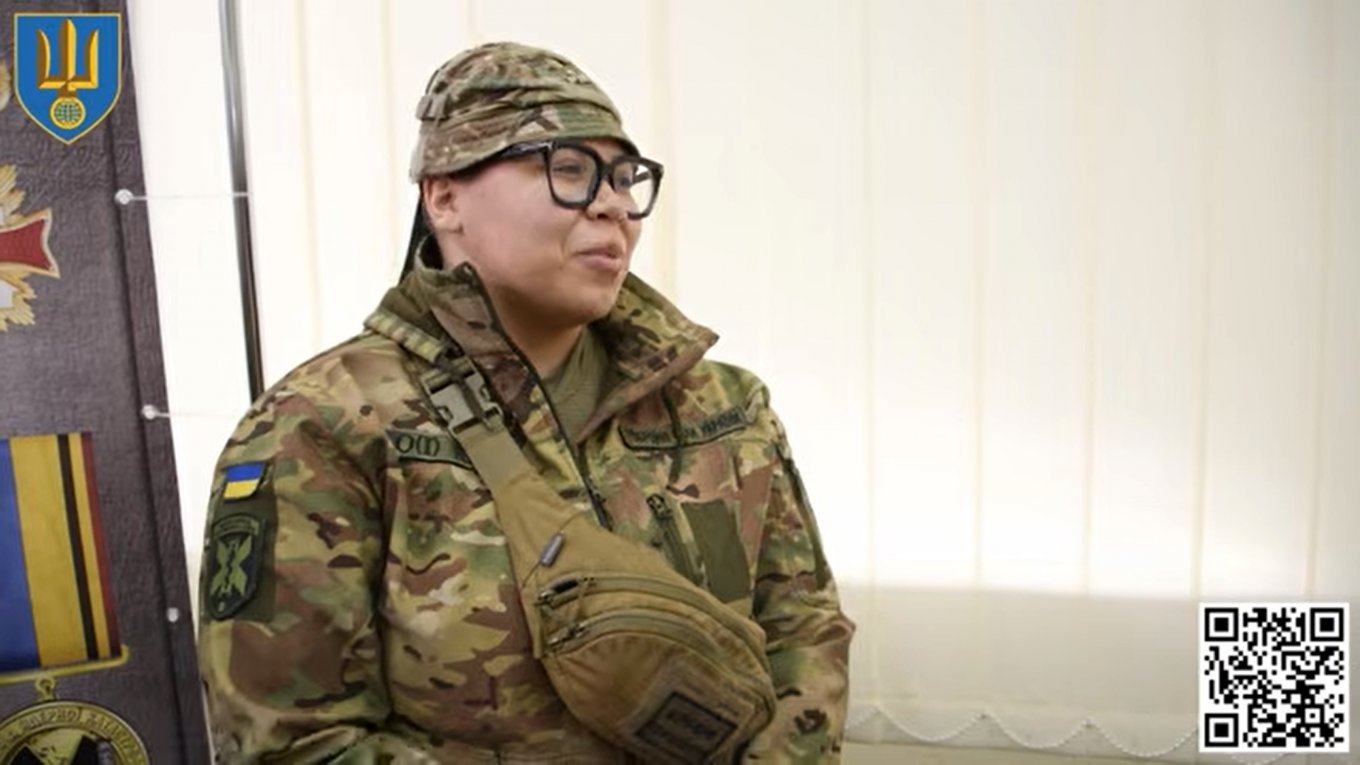
For Ukrainians, however, the motivation is very clear. It is to defend their homeland, protect their families, and preserve their identity as Ukrainians.
Being in their presence and working alongside them has a strong impact. It boosts morale and constantly reinforces perspective. It reminds you of the purpose of being here and helps clarify what you are contributing to and why it matters.
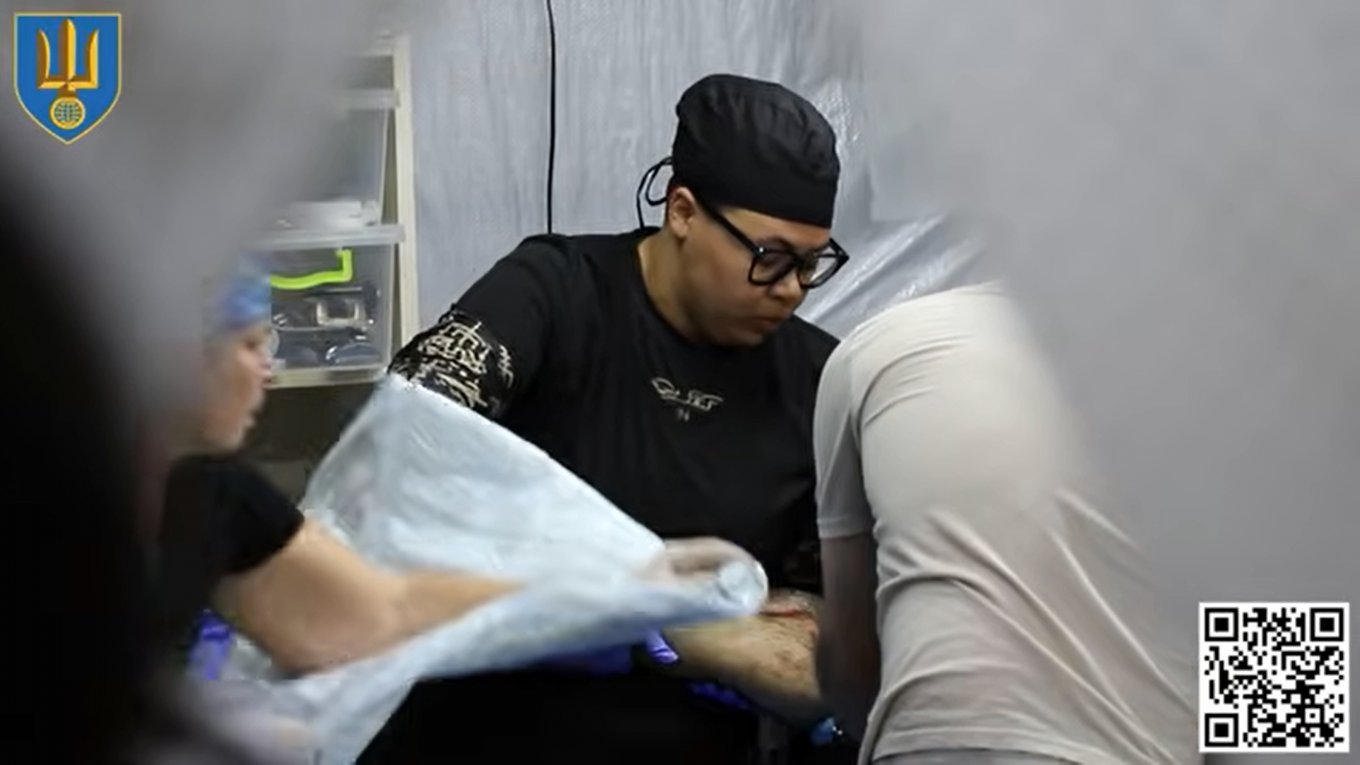
As a nurse here in Ukraine, Glenna typically works at stabilization points and assists with evacuations. She believes the hardest part of her work is the mental toll:
“The most straining part of this job is the psychological weight of seeing your friends, brothers, and sisters in such extreme pain and injury while desperately trying to save them. Sometimes, despite your best efforts, you aren't able to help them, or they pass away in your care.”
The psychological weight of the job requires more than just medical skill; it demands immense emotional resilience. This profound sense of empathy is rooted in a core lesson from her early days of preparation:
“I vividly remember something our instructor told us during medic training that has stuck with me to this day:
"You're showing up on somebody's worst day to be their best friend."
When you're in this position, it is incredibly hard not to be an empath — to deeply feel for your patient and carry the weight of what that casualty is going through.”
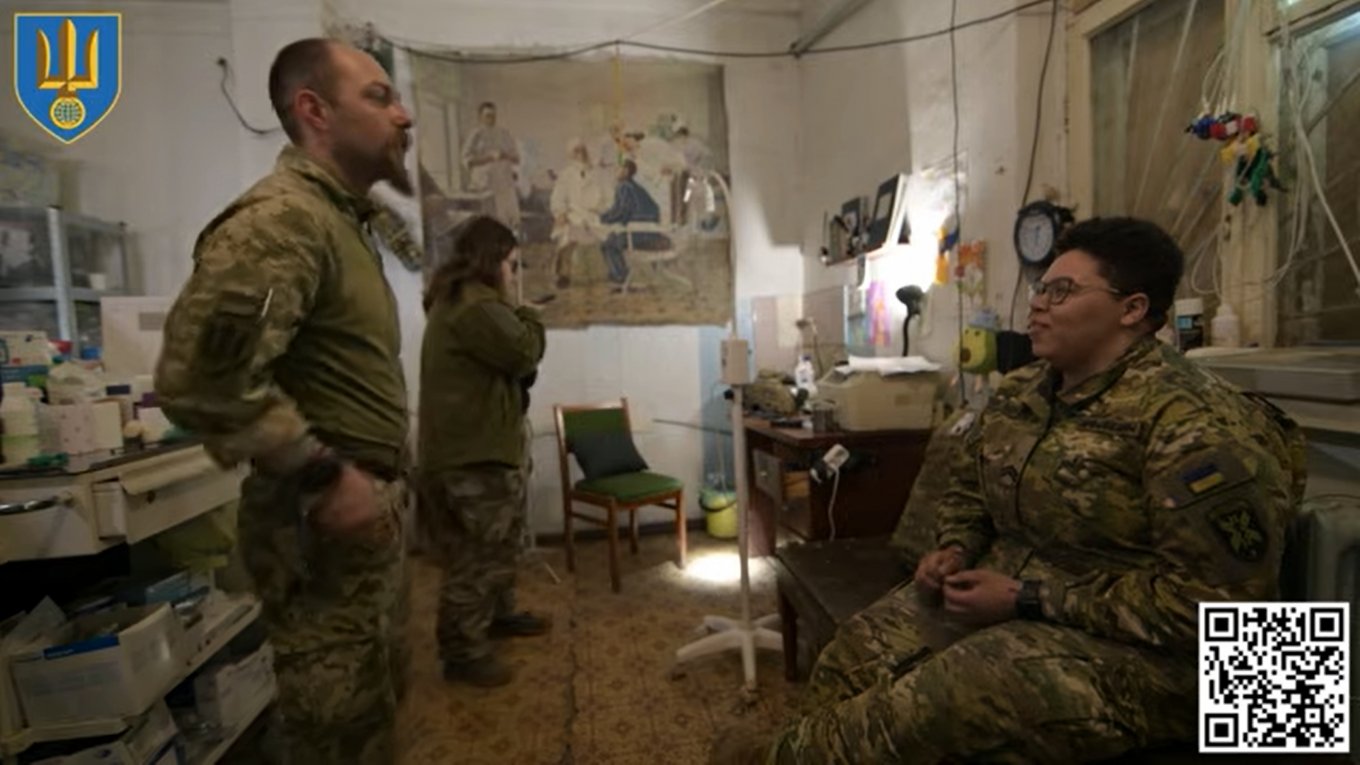
The language barrier has also been another serious hardship, particularly in high-stress medical and tactical environments. When seconds count, communication needs to be seamless, making the struggle to understand and be understood a constant, exhausting obstacle on the front lines:
“Learning a new language with a completely different alphabet as an adult is not easy. It doesn’t make me angry, but it does frustrate me sometimes. Still, I know I’m in Ukraine, and I should learn Ukrainian, so I’m trying.”
However, there are many ways to adapt and overcome the challenge. Particularly as a soldier, one must always be prepared to improvise:
“When I was involved in an assault unit, our operating language was English. But at the same time, we learned small words and commands in Ukrainian to make communication faster and to get quick, clear responses when it matters most.
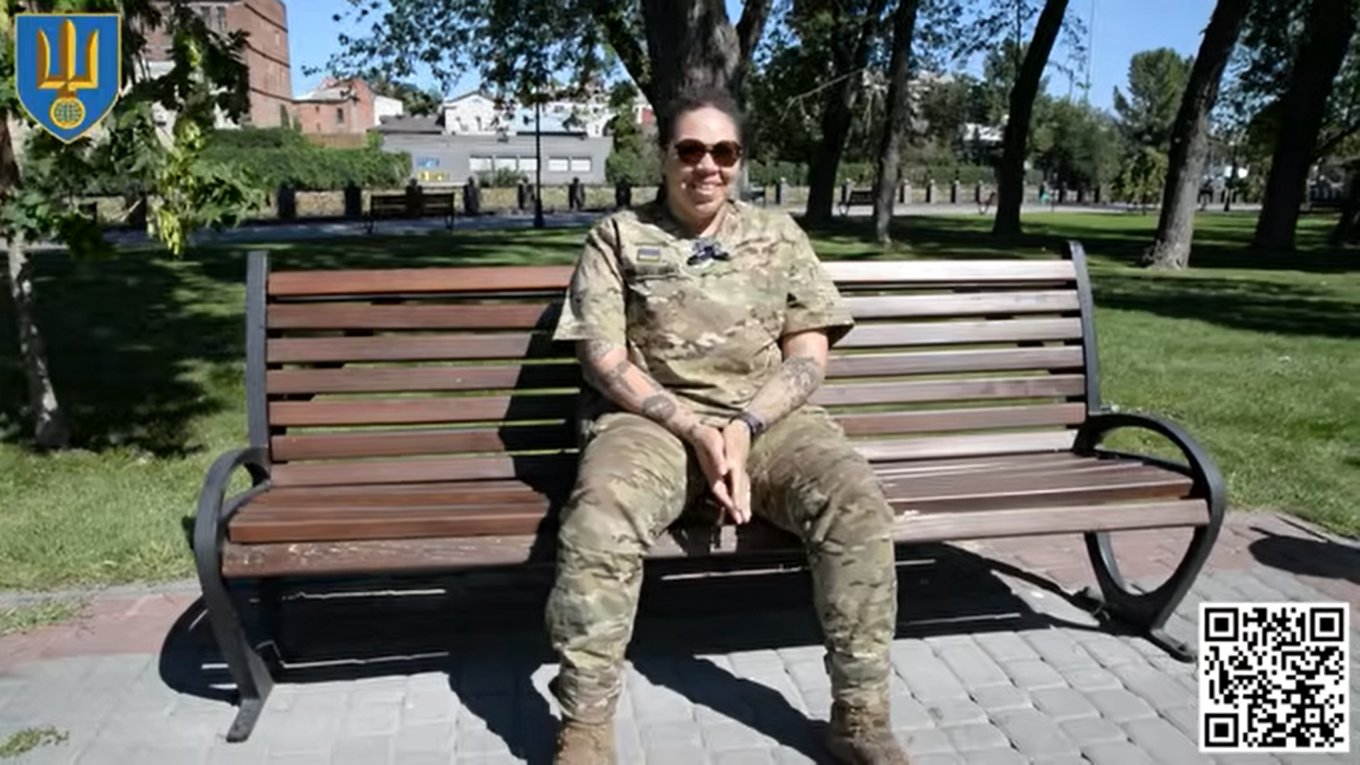
In less intense situations, communication becomes easier. Here, both technology and basic non-verbal communication skills help:
“Google Translate helps a lot, especially because you can use it offline. Or sometimes it’s just hand signals.
It’s also a bit easier in medical situations, because medical terminology and medication names are often very similar across languages, so that helps.”
The work Glenna does is demanding in every sense of the word. Long hours, constant exposure to human suffering, and the ever-present risk of danger take a heavy toll both physically and emotionally. Like many service members, she has had to find ways to protect herself from burnout and maintain a sense of normality amid the realities of war:
“I call it a work-life balance. On your days off, when you're not in the trenches, at the medical point, or out on evacuations, and you're back at your safe house or apartment where you're supposed to be resting, you start to appreciate the simple things in life. Things like doing the dishes, doing the laundry — ordinary routines that remind you of life before the war.
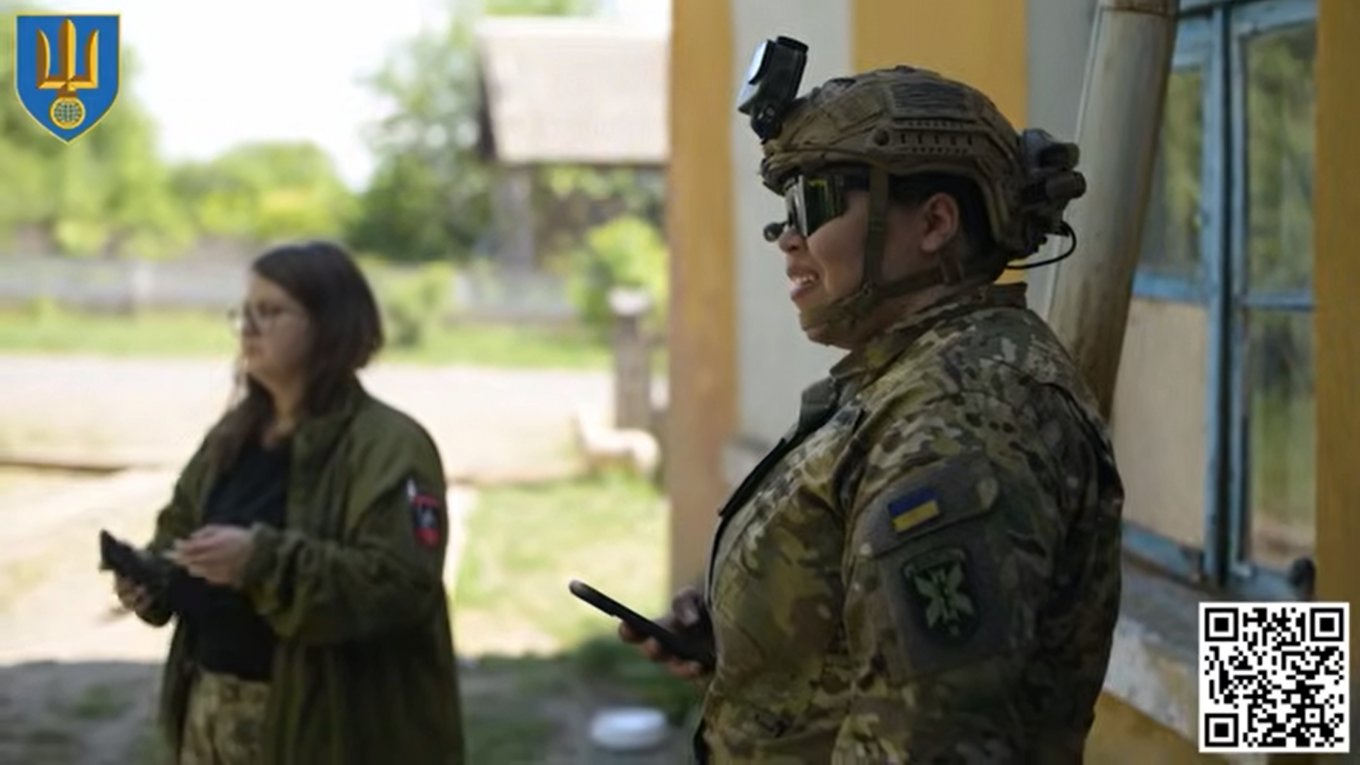
You find yourself enjoying the kinds of things you'd do back home: going for a walk, walking your dog, meeting friends, visiting a museum, or – I don't condone drinking – but going to the bar.
For me, that's what keeps me sane. And from what others around me have said, it's what helps keep them grounded too.”
For Glenna, Ukraine's fight has become deeply personal. She does not see her involvement as a temporary chapter but as a long-term commitment.
Determined to continue defending Ukraine's freedom, she also hopes to one day become a part of the Ukrainian nation she has chosen to stand beside. This commitment comes with a clear understanding of the sacrifices being made every day by both Ukrainians and foreign volunteers:
"Thank you for what you're doing. You're not only defending your home; you're showing the entire world what Ukraine is.
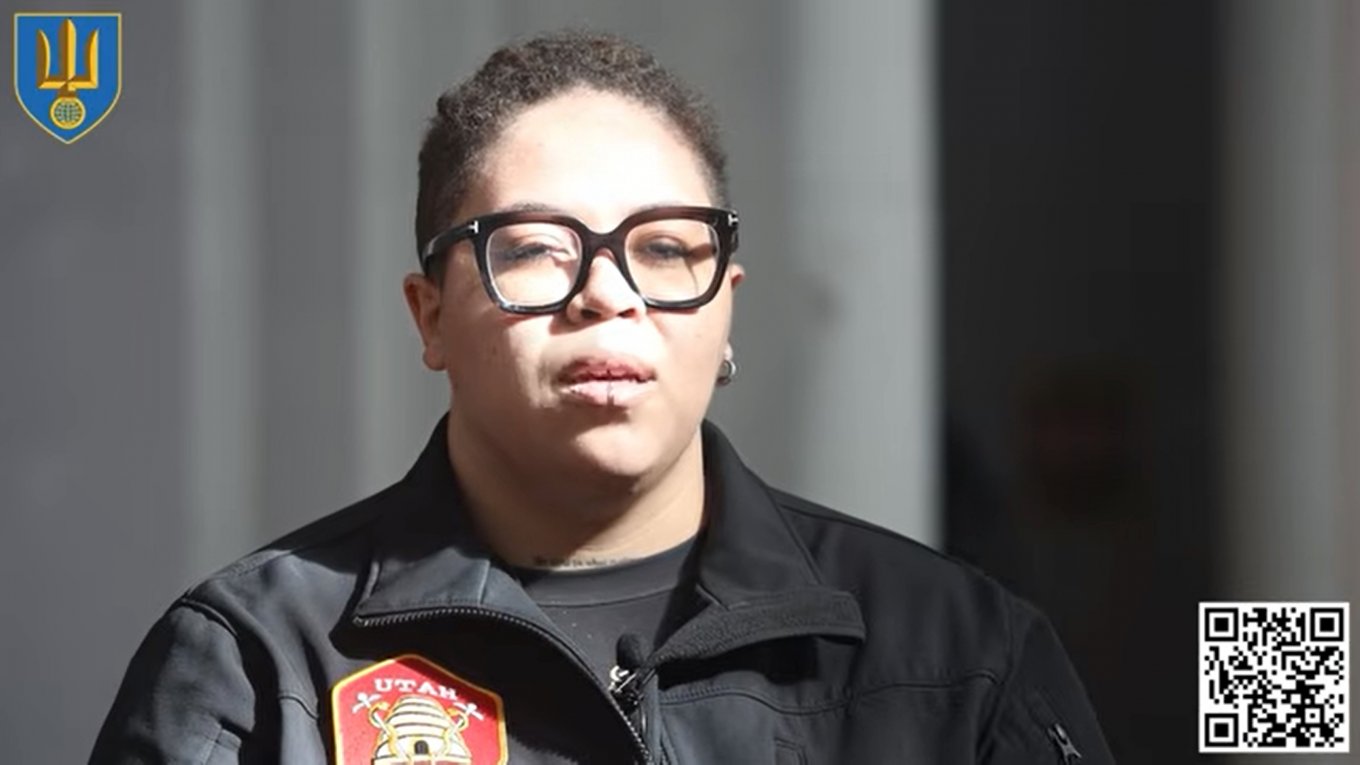
You're inspiring an entire generation—and people across the globe—to stand up for who they are, for what they believe in, and for the place they call home.
It's truly inspiring. You're truly holding the front line of democracy, of the free world, and of the future."
As for her own future, Glenna sees it optimistically and already has a few options to start from. Once the war ends, she is determined to make Ukraine her permanent home, viewing it not just as a temporary mission, but as the place where her next chapter belongs:
“My plan after the war is to live here in Ukraine and return to university — or maybe open up a bar, it's 50-50 right now.
That’s my plan for the future.”
Learn more about foreign volunteers in the Armed Forces of Ukraine and join on the official website.
Text: Dmytro Tolkachov
Video, photos: Volodymyr Patola
Editing: Oleksandr Bekker
Read more: Medical Service Officer of Ukraine's International Legion Vladyslava Says Of Doing Impossible for Lives of One’s Own