


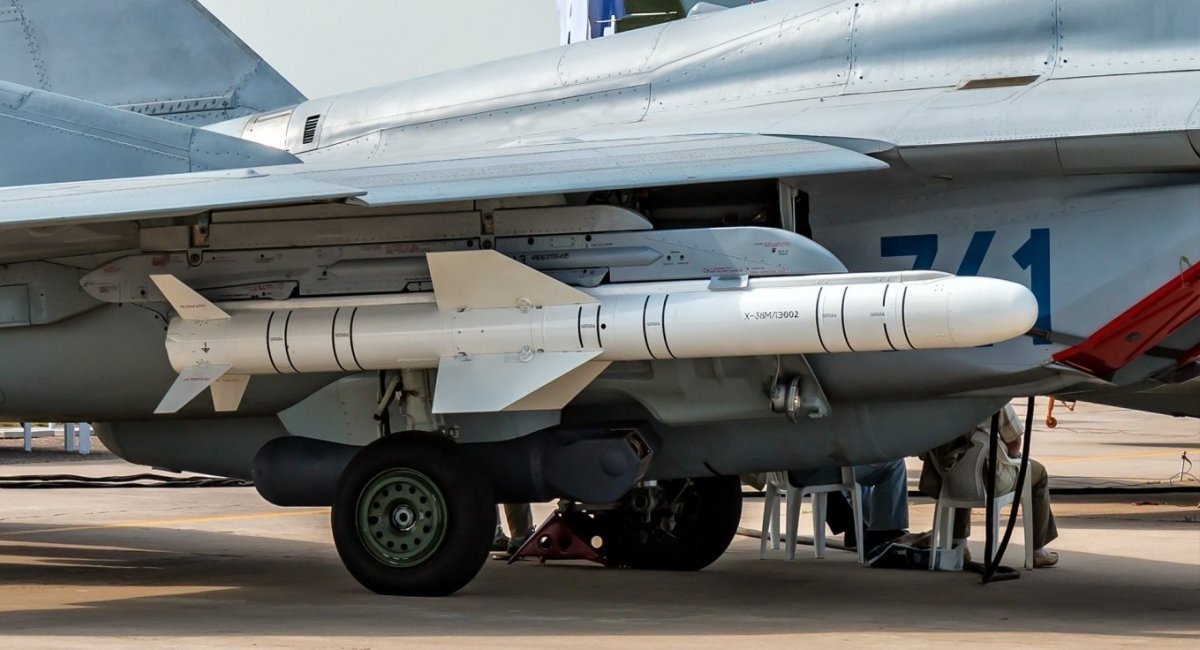
Reports have resurfaced in both Western and russian social media claiming that russia may supply Iran with 327 guided air-launched missiles. The package allegedly includes 123 R-73 short-range air-to-air missiles, 42 R-77 medium-range air-to-air missiles, 120 Kh-38 air-to-surface missiles, and 42 missiles from the Kh-31 family, including anti-radiation and anti-ship variants.
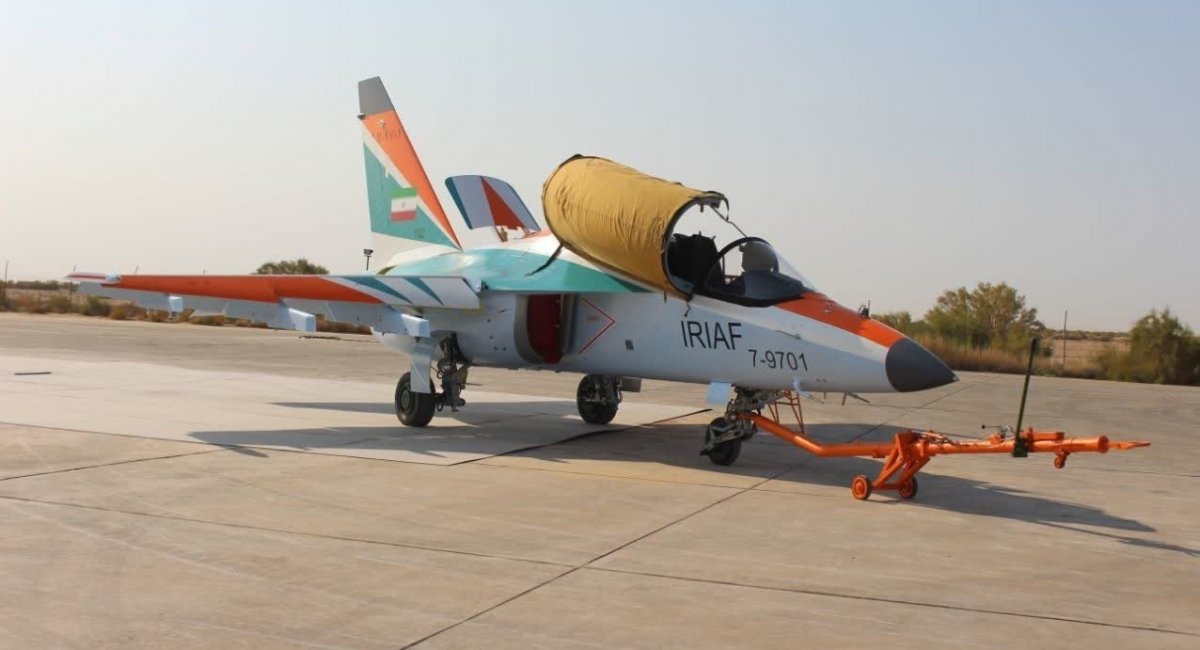
These weapons can be carried by the Su-35S fighter, while the R-73 can also be employed by the Yak-130 combat trainer aircraft. The original source behind the current discussion is a report published by United24 in April 2026.
Read more: How Long russia Prepared Latest RS-28 Sarmat Launch and Why Its Deployment Drags On
To better understand the significance of these reports, it is worth briefly reviewing the capabilities of the missiles in question:
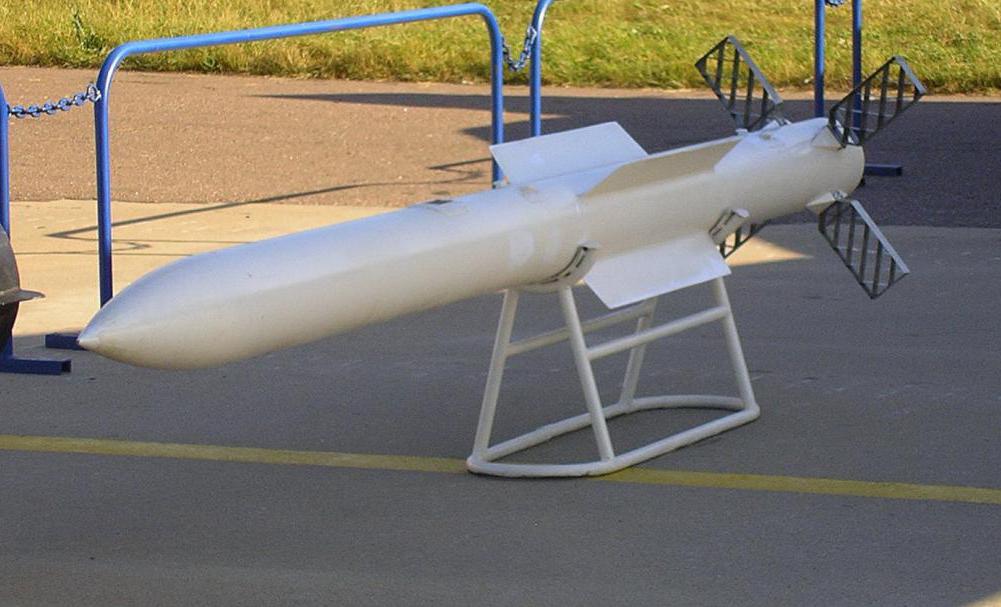
- R-77 — an air-to-air missile with an active radar seeker and a maximum launch range of up to 110 km;
- R-73 — a short-range infrared-guided air-to-air missile with an engagement range of up to 20 km in the forward hemisphere;
- Kh-38 — a modular air-to-surface missile with a launch range of up to 40 km, available with laser guidance, imaging infrared seekers, or combined guidance systems depending on the variant;
- Kh-31 — depending on the version and launch profile, can engage targets at distances ranging from approximately 110 km to 250 km.
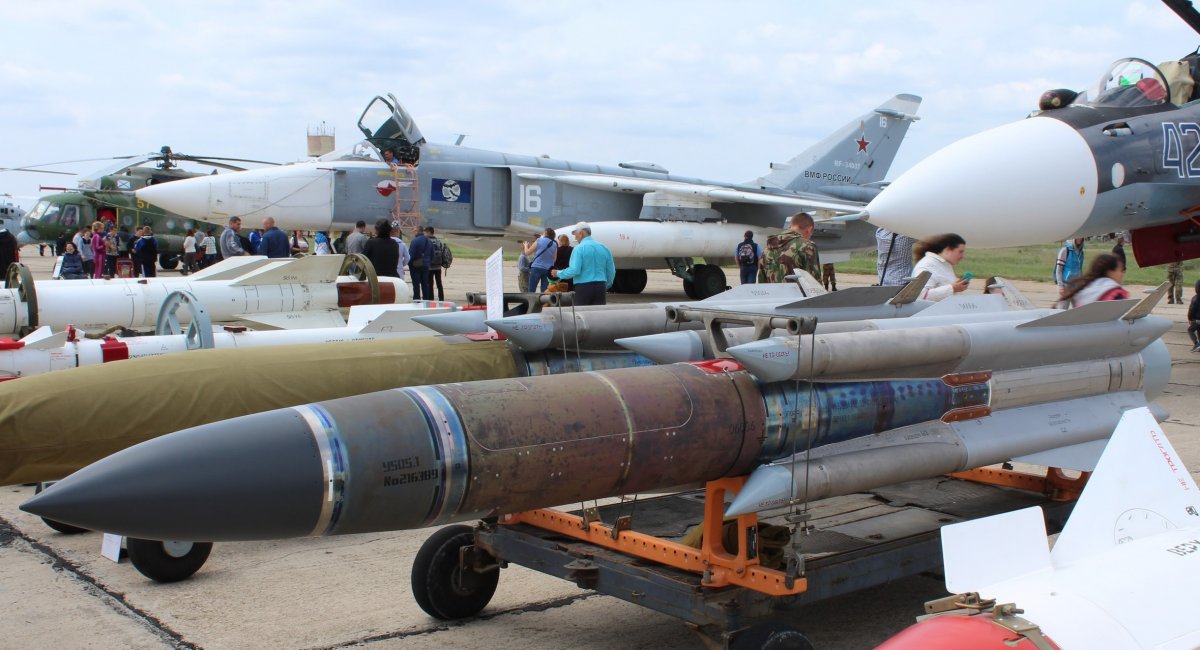
Another important detail is that the United24 report was based on leaked internal documents from russian defense-industry enterprises. These documents reportedly concerned orders for the production of components associated with the missile types listed above.
In some of the leaked files, Iran is mentioned directly. In others, it reportedly appears under the designation K10, a code that the russian Ministry of Defense has traditionally used when referring to its counterparts in Tehran. The documents indicate that deliveries of these missiles to Iran are expected to be completed by 2027. However, the current status of the alleged contracts remains unknown.
Reliable information on the number of Su-35S and Yak-130 aircraft currently operated by Iran is also limited. Reports indicate that the first Yak-130s were delivered to the Iranian Air Force in September 2023. Separately, claims emerged in March 2026 that one of these aircraft had shot down an Israeli F-35 over Tehran.
As for the Su-35S, reports about deliveries to Iran first appeared in April 2023. Later, in October 2025, leaked information suggested that russia could deliver as many as 48 aircraft of this type to Iran by 2028.
Regardless of how many Su-35S and Yak-130 aircraft Iran currently possesses or may eventually receive, a total stock of 327 missiles appears insufficient to fully equip all existing and projected aircraft. The Su-35S alone features 12 external hardpoints for weapons.
For that reason, one possible interpretation is that russia may be preparing to repeat a pattern previously seen with Armenia. Yerevan received advanced Su-30SM fighters before the 2020 Nagorno-Karabakh War, but those aircraft reportedly could not be employed effectively because they lacked a sufficient stock of compatible air-launched weapons.
Ivan Kyrychevskiy, serviceman of the 413th Raid Regiment of the Unmanned Systems Forces of Ukraine and weapons expert at Defense Express.
Read more: Izdelie 180 / K-77M / R-77M: What We Know About russia’s New Long-Range Missile