


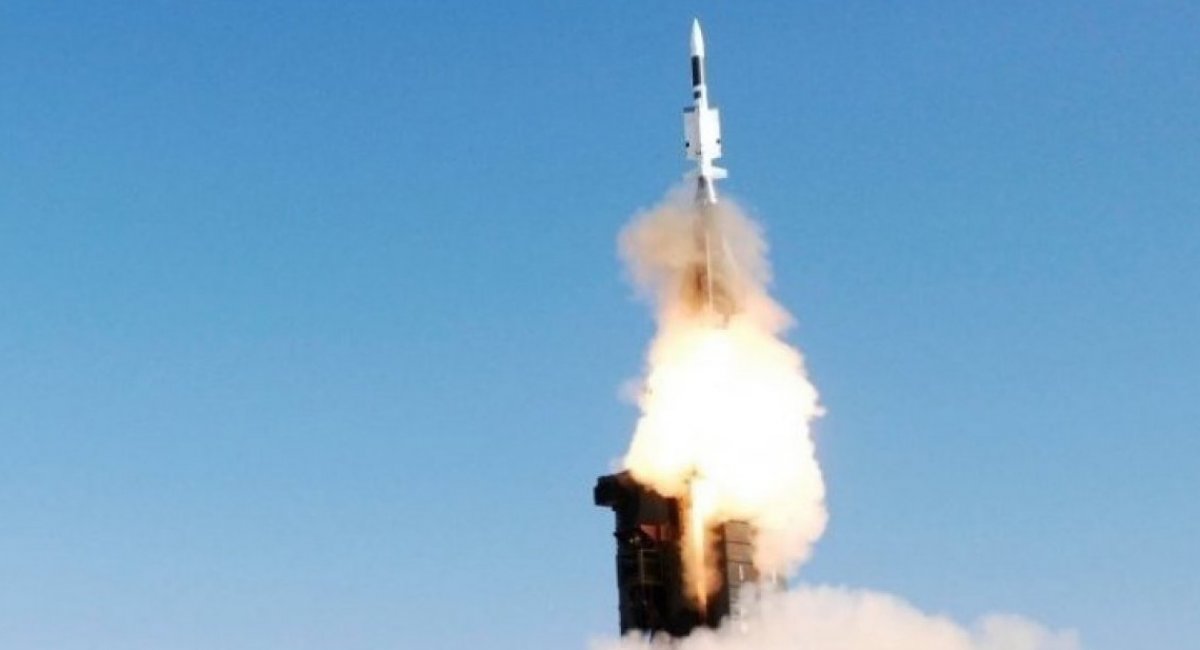
European Defence Fund (EDF) will allocate €1 billion in 2026 for financing various developments. And special attention here is paid to air defense and missile defense assets that should counter hypersonic weapons, such as russian Kinzhal and Tsirkon.
Also, among mentioned projects are main battle tanks, maritime drones, MLRS and technologies for next-generation fighters. This should strengthen cooperation between EU countries and reduce dependence on foreign products.
Read more: APKWS Gains Popularity as a Counter-Drone Weapon Thanks to Ukraine, but the UK Has Other Uses in Mind
Overall, half of the fund's budget will go to developing core defense capabilities. And a quarter of it to future technologies, such as quantum-protected networks, artificial intelligence and swarms of robots and drones.
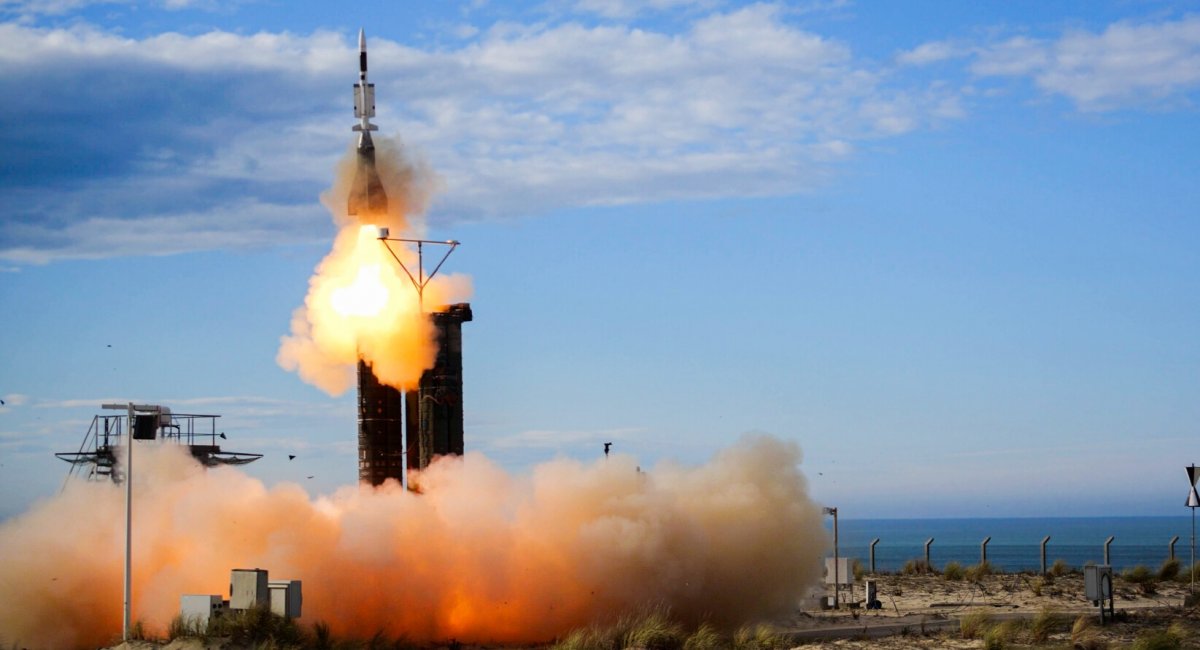
Looking in more detail, €168 million for means of countering hypersonic weapons and endoatmospheric interceptors. This is not surprising considering russias huge missile arsenal of tactical and strategic significance.
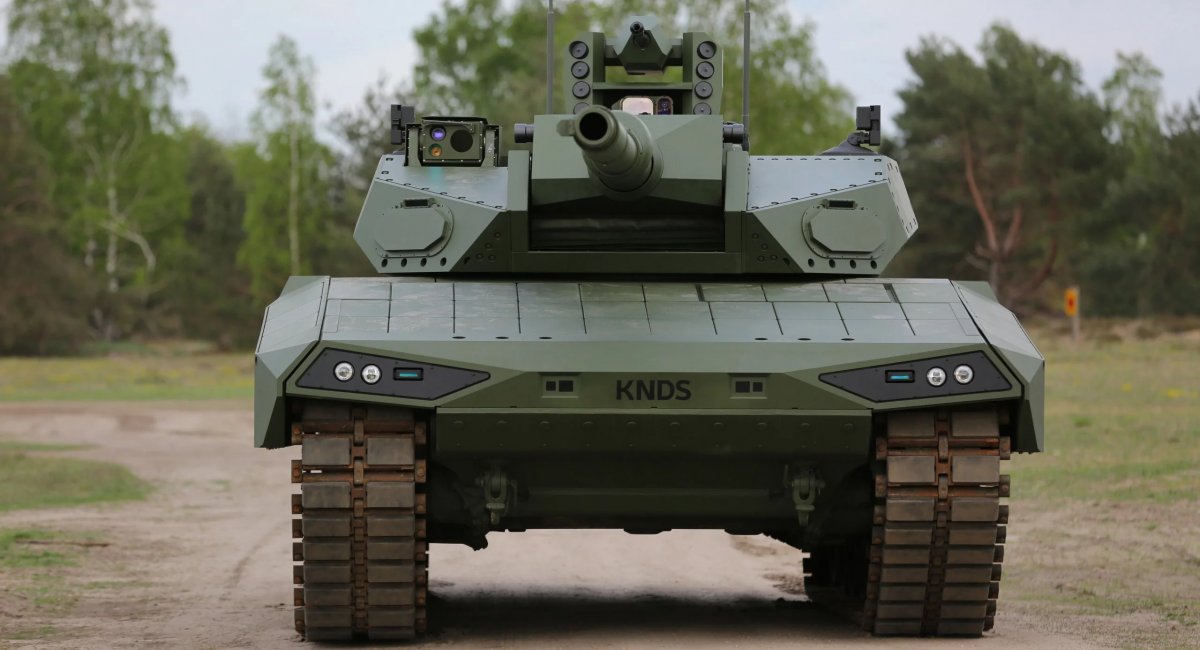
At the same time, another €125 million will go to a new main battle tank and related technologies. This should go to replace aging fleets of European armies, and the start this year of a corresponding project led by Germany.
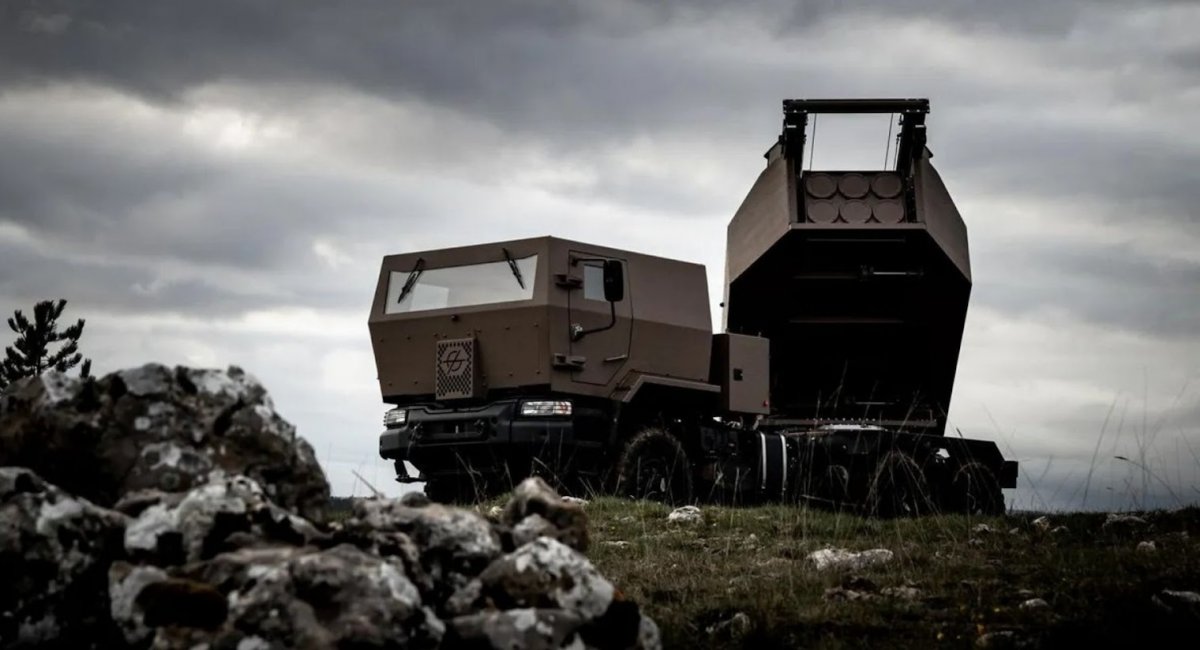
Interestingly, €25 million will go to MLRS development, which is a very sensitive topic for European countries. Currently the region has no domestic serial systems, so while France is doing something, the niche is occupied by either American M270 with M142 HIMARS, or South Korean K239 Chunmoo, or even Israeli PULS.
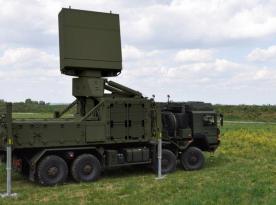
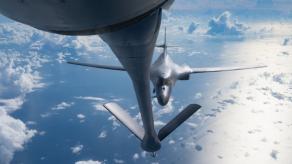
Also among projects are EW assets with artificial intelligence, over-the-horizon radars for tracking hypersonic vehicles, turbofan engine with 25-35 kN power for unmanned fighters and automatic air refueling. All this received funding from €20 to €30 million.
Overall, we see that the EU is trying to support not only procurement of already available weapons, as through the SAFE program, but also development of new ones. Starting from 2021, the EDR fund has invested €4 billion in various directions and it seems this amount will only grow annually.
Read more: UK Defense Intelligence Explains Unmanned Warfare Reaches New Depths in the Black Sea