While the absolute majority sees the only key consequence of the war against iran as blocking oil and gas exports from the Persian Gulf, there exists another and possibly even bigger problem.
About 20% of the world's oil and gas exports pass through the Strait of Hormuz, as well as 41% of sulfur exports. While everyone talks about oil transit, such a seemingly insignificant thing as sulfur was noticed in a publication by the Modern War Institute of the U.S. Military Academy at West Point.
Read more: After 300 Launchers and 66% of Factories Destroyed, Last Third of iranian Missiles Hardest to Eliminate
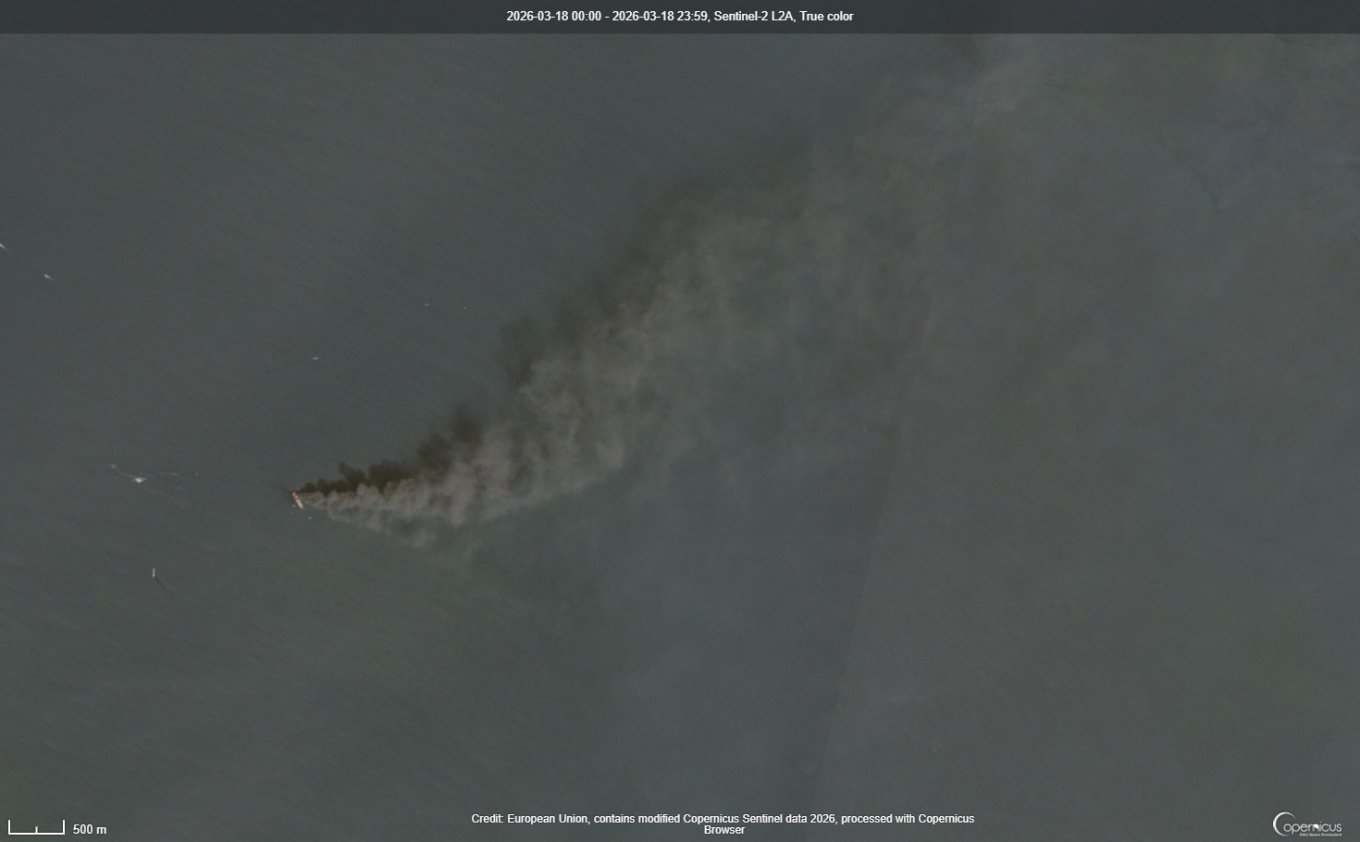
The publication explains that the expected sulfur shortage won't receive attention until it happens and it turns out there are no alternatives. Although prices for it have already risen 30-50% since the start of strikes on iran.
Among a brief description of where exactly sulfur is currently used in production only in the defense-industrial complex these are truly key positions. They actually cover not only weapons production, but much broader spheres of life and the global economy. However, it's easier for now to focus only on sulfur use in the defense industry. Sulfuric acid is necessary for purifying copper ore and obtaining copper itself using SX/EW technology, which is currently used to produce 16% of all copper. Copper, in turn, means wires and electric motors.
In addition, nickel, zinc, as well as cobalt are enriched using SX/EW technology with sulfuric acid. Cobalt means lithium-ion batteries.
Sulfuric acid is the main method for etching printed circuit boards for microelectronics. Microelectronics now is not only about computers, it's about any weapon slightly more complex than a cartridge.
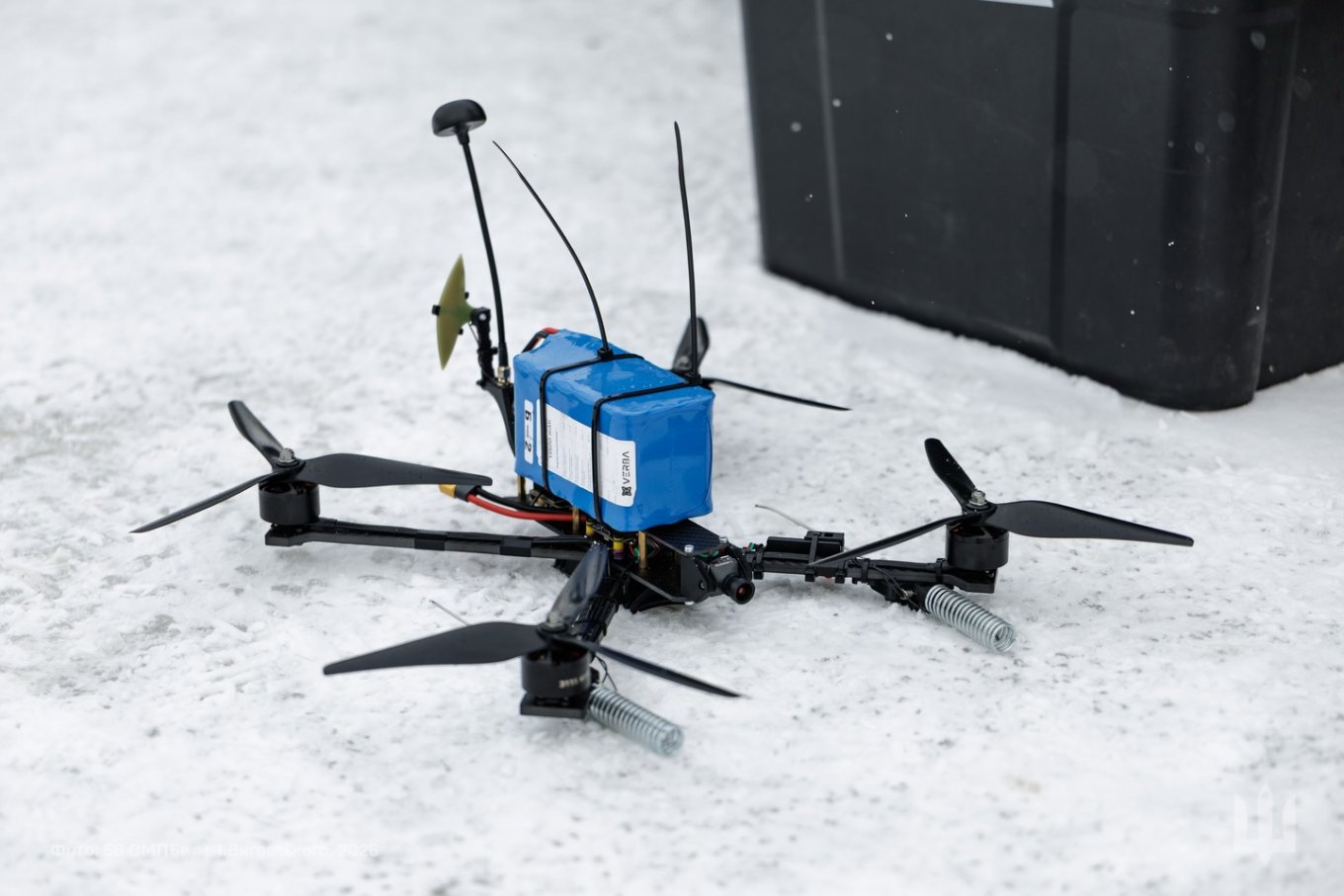
However, Defense Express emphasizes that the main thing for Ukraine is drones, which are mass-produced precisely from these components. Their effectiveness directly depends on their quantity, which can only be ensured with low prices. Although globally this is really about virtually all types of weapons.
The main problem with sulfur is that few people produce it specifically. It's a byproduct during processing of sour natural gas and crude oil. Also during smelting of sulfide ores, copper, as well as zinc. In other words, it’s impossible to simply take and increase production of precisely this component.
Weapons manufacturers discover they cannot artificially increase sulfuric acid production as market conditions tighten, while policymakers realize that increasing budget allocations doesn't lead to production growth when the necessary reagent is limited. As a result, we see today's reality: the defense-industrial base is tied to conditions it cannot control, while armed forces discover their combat capability is limited by invisible industrial rules, the publication emphasizes.
Read more: Javelin Countered russian Armor, and Demand for This ATGM Grows Even in Era of Drones