


The assessment was provided by Dmytro "Perun" Filatov, commander of the 1st Separate Assault Regiment named after Dmytro Kotsiubailo, during an interview with Ukraine's public broadcaster Suspilne on June 11.
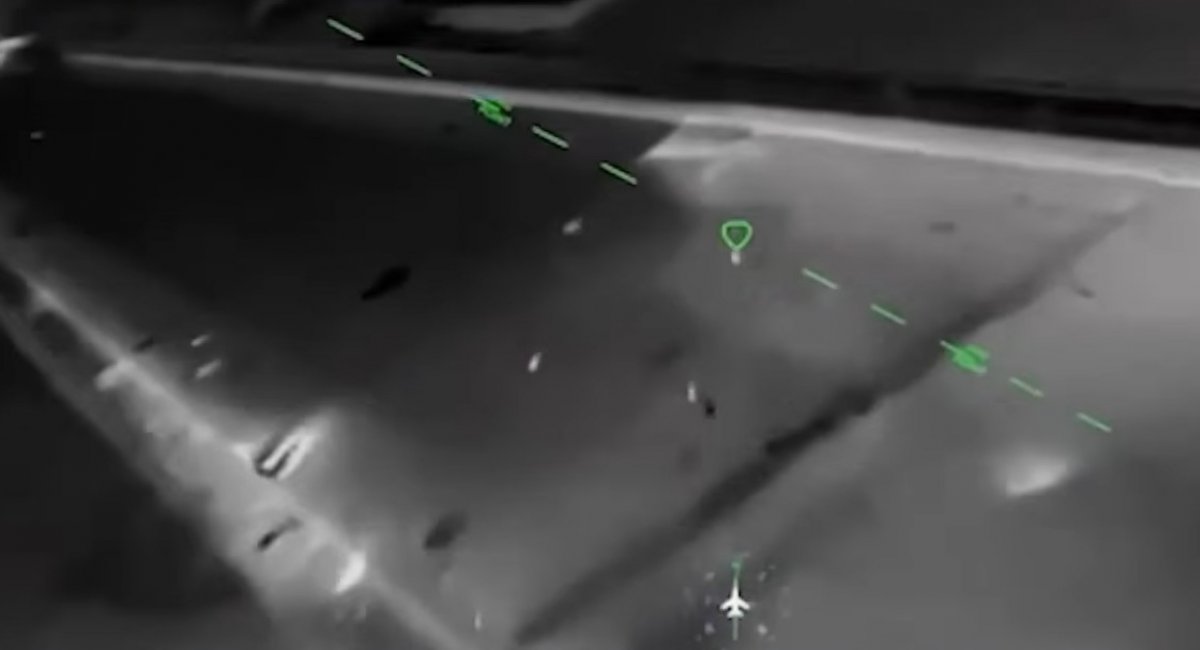
According to Filatov, the bridge suffered critical structural damage and is currently unable to support either civilian or military vehicle traffic.
Read more: What Made FP-5 Flamingo Strike on russia's VNIIR-Progress Plant Successful, How Many Missiles Were Used
The Chonhar crossing has long served as the shortest and most convenient route between occupied Crimea and russian forces operating on the southern front. It has been used extensively to move fuel, ammunition, military equipment, and other supplies from the peninsula into occupied areas of southern Ukraine.
Filatov stated that after the bridge was damaged, russian forces were forced to adjust their logistics network and shift supply movements toward alternative routes, particularly through Armyansk. However, Ukrainian forces had anticipated such a move and were prepared to target the redirected traffic.

"After the Chonhar Bridge was damaged, the enemy concentrated a large number of trucks carrying military supplies on the Armyansk route. During the strike, we hit vehicles transporting fuel and ammunition. There were approximately 50 trucks in the convoy, and some of them were destroyed," Filatov said.
He explained that the operation was enabled by a joint command center established by the 1st Separate Assault Regiment and the 475th Assault Regiment. The initiative, known as the Epicenter of Multi-Domain Operations, integrates intelligence gathering and strike planning across multiple domains.
According to Filatov, cyber intelligence plays a particularly important role in the center's work, allowing Ukrainian forces to gain detailed insight into russian logistics and rapidly identify vulnerable targets.
The commander noted that the strike on the Chonhar Bridge was carried out after intelligence indicated that russian forces intended to move fuel shipments across the crossing.
"Only six hours passed between the decision and the strike. We had already anticipated that the enemy would eventually shift traffic to alternative routes, so operations against the Armyansk corridor were prepared in advance," he said.
Filatov emphasized that attacks on transportation infrastructure generate both immediate and long-term effects. In the short term, they disrupt the delivery of fuel, ammunition, and reinforcements. Over time, they force russia to commit additional manpower, engineering assets, and financial resources to restoring damaged routes and creating new logistics solutions.
He also stressed that the disruption of russian supply lines was the result of a broader campaign rather than a single strike.
According to Filatov, previous Ukrainian attacks on logistics hubs and transportation routes around Mariupol and Berdiansk had already forced russian forces operating on the Huliaipole axis to increasingly rely on supply corridors running through Crimea.
As those routes became more heavily used, they also became more vulnerable to Ukrainian strikes.
Geography of Ukrainian strikes on bridges across the Crimean isthmus over the past week
The first reported strike on the Chonhar Bridge took place on June 7, after which traffic was partially restored under temporary restrictions. However, the bridge was attacked again on June 9, resulting in another suspension of traffic.
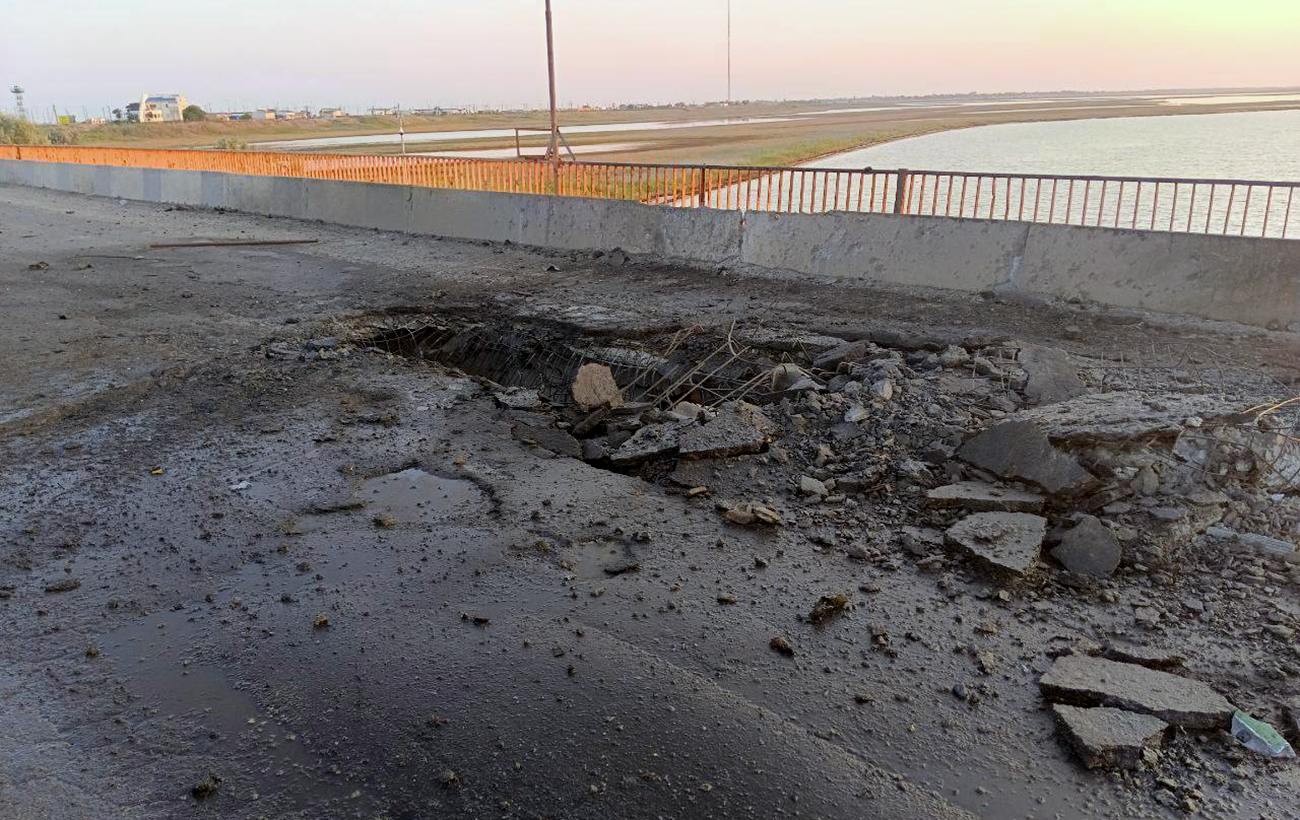
Occupation authorities subsequently advised drivers to use alternative routes through Armyansk and Perekop. On June 10, authorities also closed the bridge connecting Henichesk with the Arabat Spit, marking the second major crossing in the area to be shut down within several days.
Read more: Ukraine's FP-5 Flamingo Strikes Key russian Defense Plant Again, Supplier of Components for Shaheds, Iskanders