


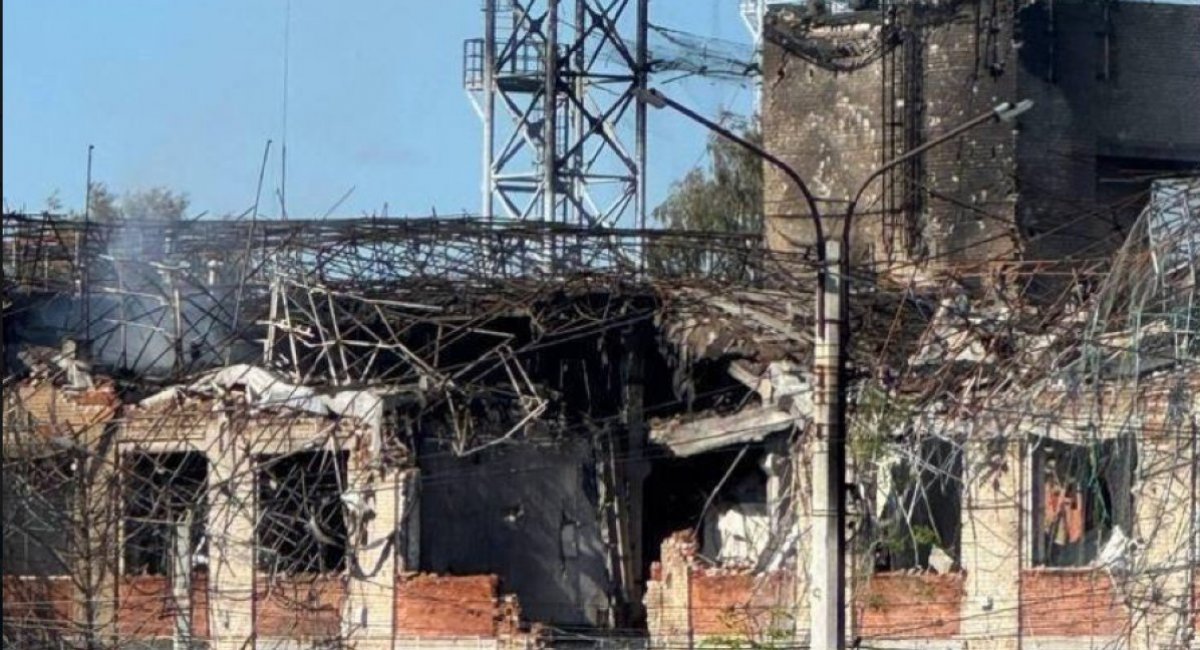
Ukrainian FP-5 Flamingo cruise missiles successfully struck the russian enterprise AO VNIIR-Progress, located roughly 1,000 km from Ukraine's border. The plant plays a critical role in russia's long-range weapons production, manufacturing anti-jamming Kometa satellite navigation antennas.
While the strike results, including damage to the main administrative and production building, were reported earlier, additional russian photos have since emerged, providing a clearer view of the impact site.
Read more: Ukrainian FP-5 Flamingo-Equipped Brigade Identified Following Strike on russian VNIIR-Progress Plant
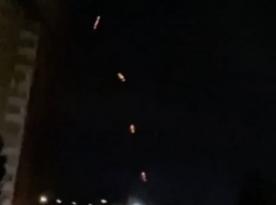
The most interesting element, however, is not the new imagery, but a publicly circulated flight-path visualization of the Flamingo missiles during the attack on the facility in Cheboksary. The reconstruction was produced using open-source data, including reports from russian Telegram channels that tracked missile movement in near real time, and processed with the OCHI AI system. The video was published by the OSINT collective CyberBoroshno.
According to available data, approximately five missiles were used in the strike. Active maneuvering was observed both during the initial phase of flight and on the final approach to the target, although additional course changes along the main route cannot be ruled out.
The visualization indicates that the missiles initially bypassed the city at a distance of roughly 170 km, passing near Ulyanovsk, then continued beyond Cheboksary before turning back toward the target area.
This again highlights a key point: a strike against targets inside russia is not simply a matter of launching a missile. It requires detailed mission planning and intelligence support, including route design aimed at avoiding Russian radar coverage and air-defense systems.
Even under such conditions, interceptions remain possible. According to the visualization, two Flamingo missiles were intercepted on their approach to the Chuvash region, and another was reportedly shot down near Cheboksary itself. Given that at least five missiles were launched, this suggests that one or two may have successfully reached the target.
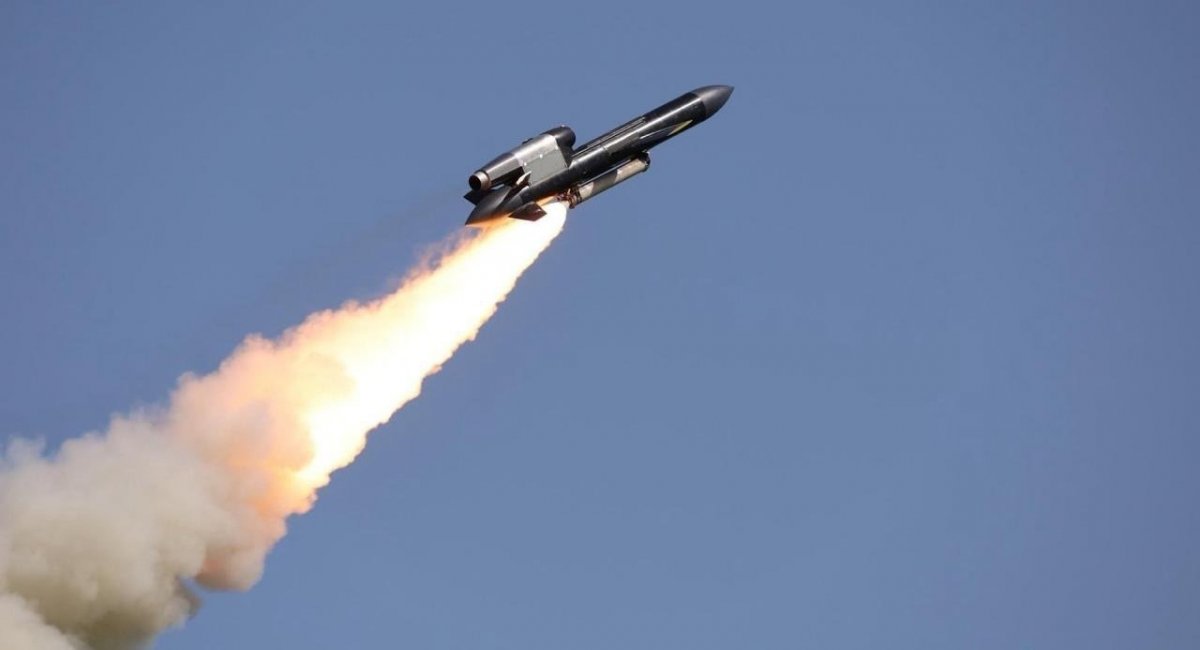
Since the facility was hit, the overall outcome of the strike can be considered successful. For comparison, during a previous attack on the same plant in early May, only one of six missiles reportedly reached the target, which is still within the expected range of cruise missile performance against layered air defenses.
It is also worth noting that, due to extensive maneuvering both during the initial phase and likely along the full route, as well as probable launch locations deep inside Ukrainian-controlled territory, the actual flight distance of the FP-5 Flamingo may have significantly exceeded 1,000 km.
By the same logic, earlier this year we reported that the FP-5 Flamingo may have set a new long-range strike record during the attack on the Votkinsk plant in late February, when the missile potentially covered 1,600–1,650 km or more while actively maneuvering to avoid interception
Read more: Ukraine's FP-5 Flamingo Drives Renault to Develop Chorus Counterpart with Unique Production Twist