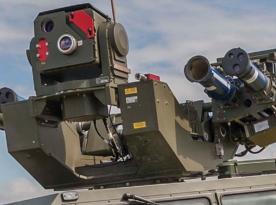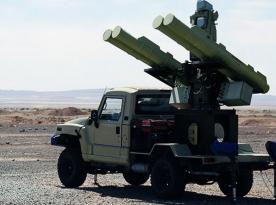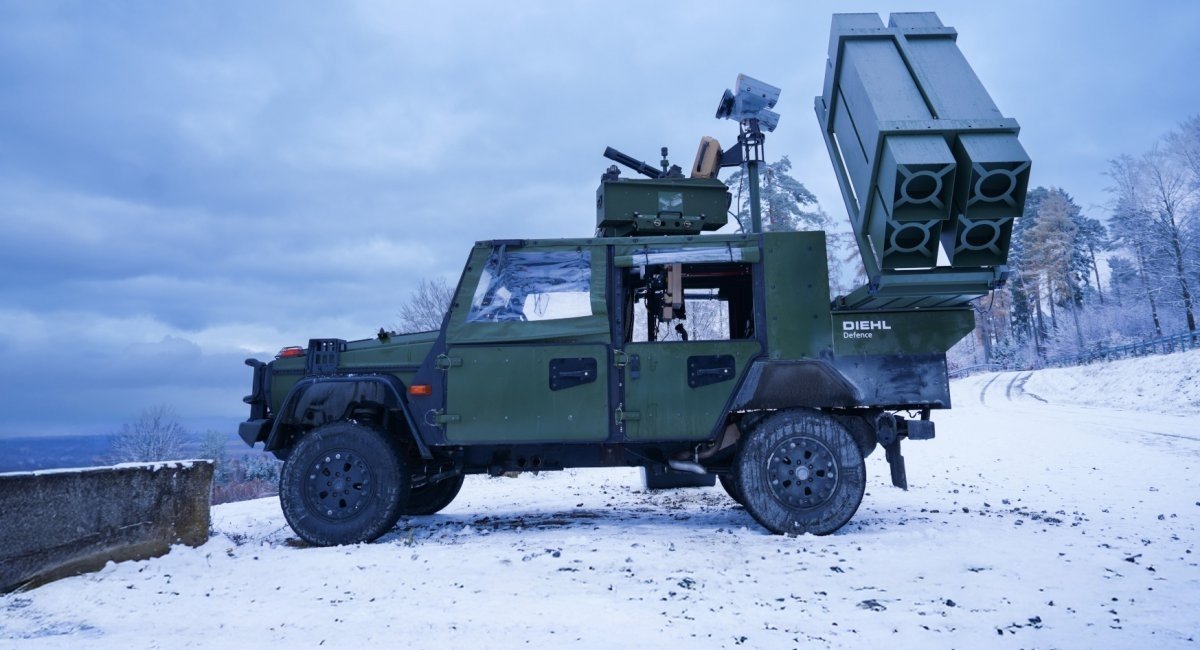
The German defense company Diehl, widely known for its missiles and the IRIS-T air defense systems, has unveiled a new version of its Kinetic Defense Vehicle (KDV) counter-drone system. The platform has undergone a marketing rebranding and is now designated Garmr.
The company presented the system at the Enforce Tac exhibition, which opened on February 23 in Nuremberg.
Read more: Germany Plans Major IRIS-T SLM Expansion: 75 Systems Instead of 50 for NNBs Air Defense Network
"Through the integration of new interceptor types and an AI-supported detection and decision-making architecture, Garmr significantly increases combat effectiveness and sets new standards in mobile counter-UAS defense," the company stated.
The Kinetic Defense Vehicle systems supplied to Ukraine are essentially gun-based counter-drone platforms. They combine the Australian Slinger combat module equipped with an M134 Minigun, the EchoGuard radar from U.S.-based Echodyne, an electro-optical targeting station developed by Diehl, and the lightweight Enok MBB wheeled chassis produced by Mercedes-Benz.
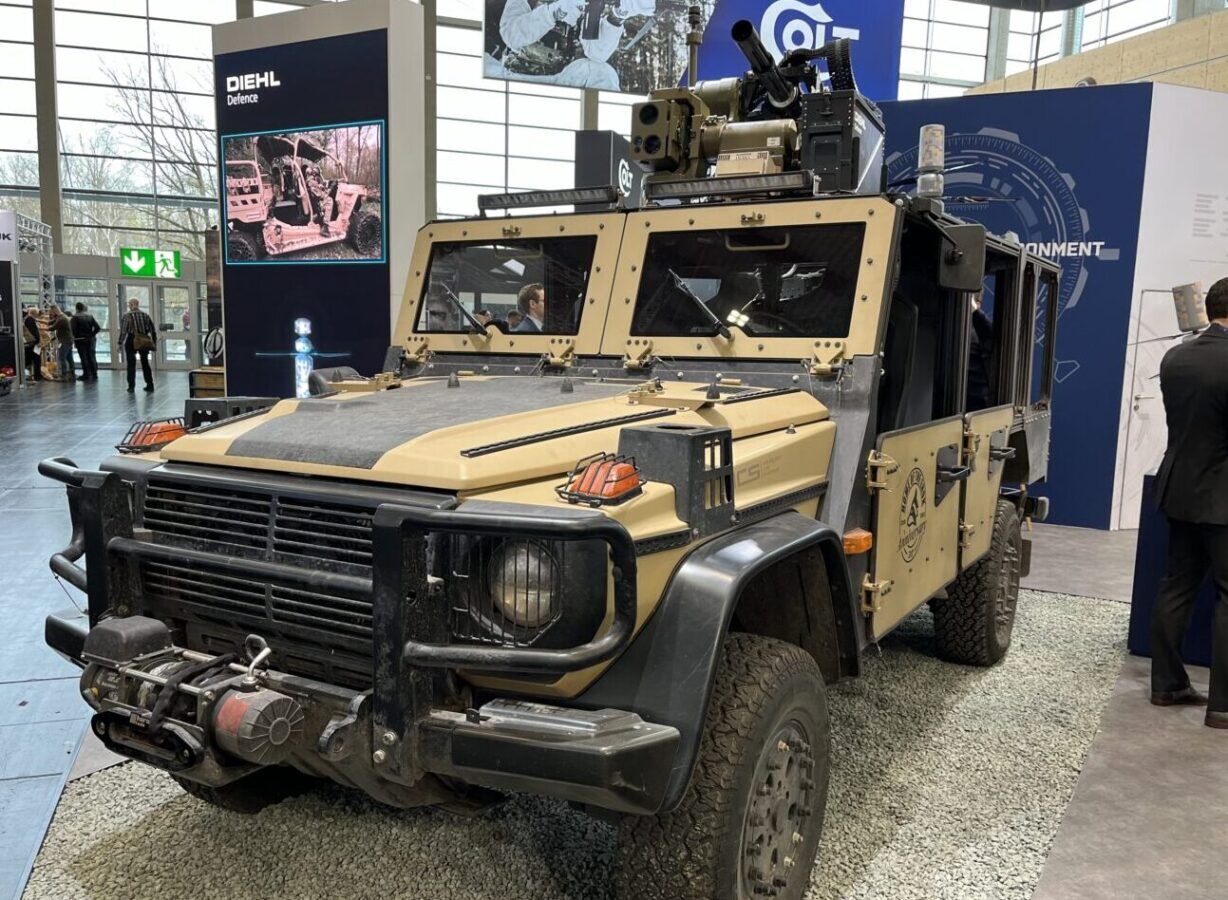
The new configuration adds two interceptor drones.
The first is Diehl's own development, Cicada, whose integration into KDV was announced in November 2025. In this configuration, the system is designated Garmr SRS (Short-Range System), as Cicada has a stated engagement range of up to 5 km.
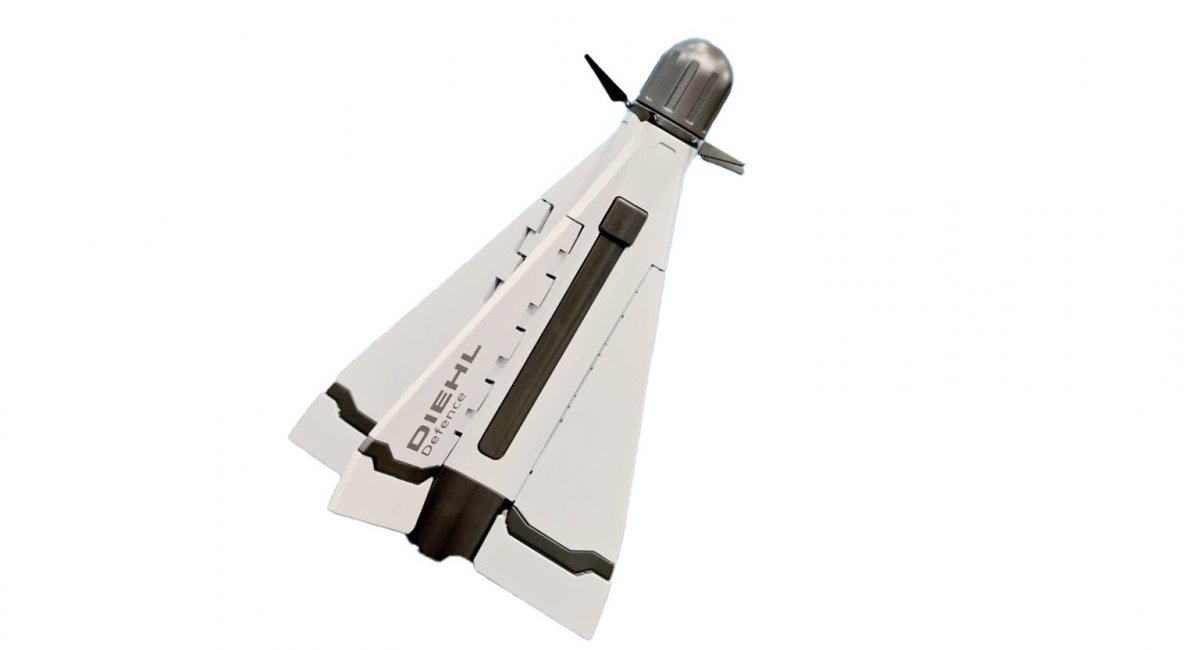
Despite its compact appearance, this interceptor drone can reach speeds of up to 200 km/h and carries either a 0.5 kg warhead or a net payload.
The second interceptor drone, whose name was not officially disclosed by Diehl, was identified by Hartpunkt as the Hornet Block 2 developed by Destinus, which is also known in Ukraine for supplying the Ruta missile-drone in a redesigned version.
When equipped with Hornet Block 2, the system is designated Garmr MRS (Medium-Range System) and is reportedly capable of intercepting drones at distances of up to 70 km, according to published specifications.
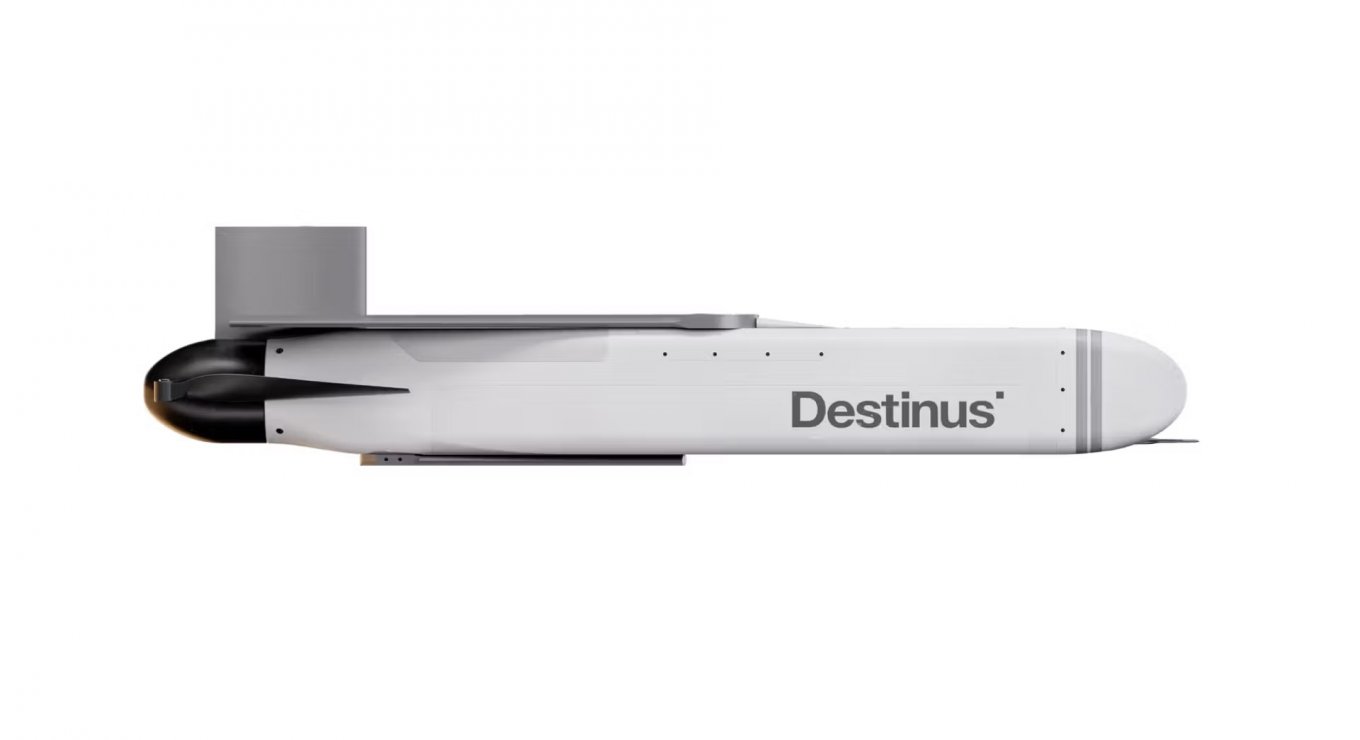
However, in air defense operations, especially against small drones, interceptor range is only part of the equation. Detection, tracking capability, and guidance performance at such distances are decisive factors. Therefore, the 70 km figure should be regarded as a theoretical maximum under ideal conditions rather than a realistic effective engagement range.
A similar degree of caution applies to systems such as the Tridon Mk2 gun-based air defense platform, which advertises a range of up to 12 km. In practice, projectile dispersion and flight time significantly limit effectiveness at extended distances.
This likely explains why Diehl is offering the shorter-range Cicada interceptor in parallel as part of a layered short-range counter-drone solution.
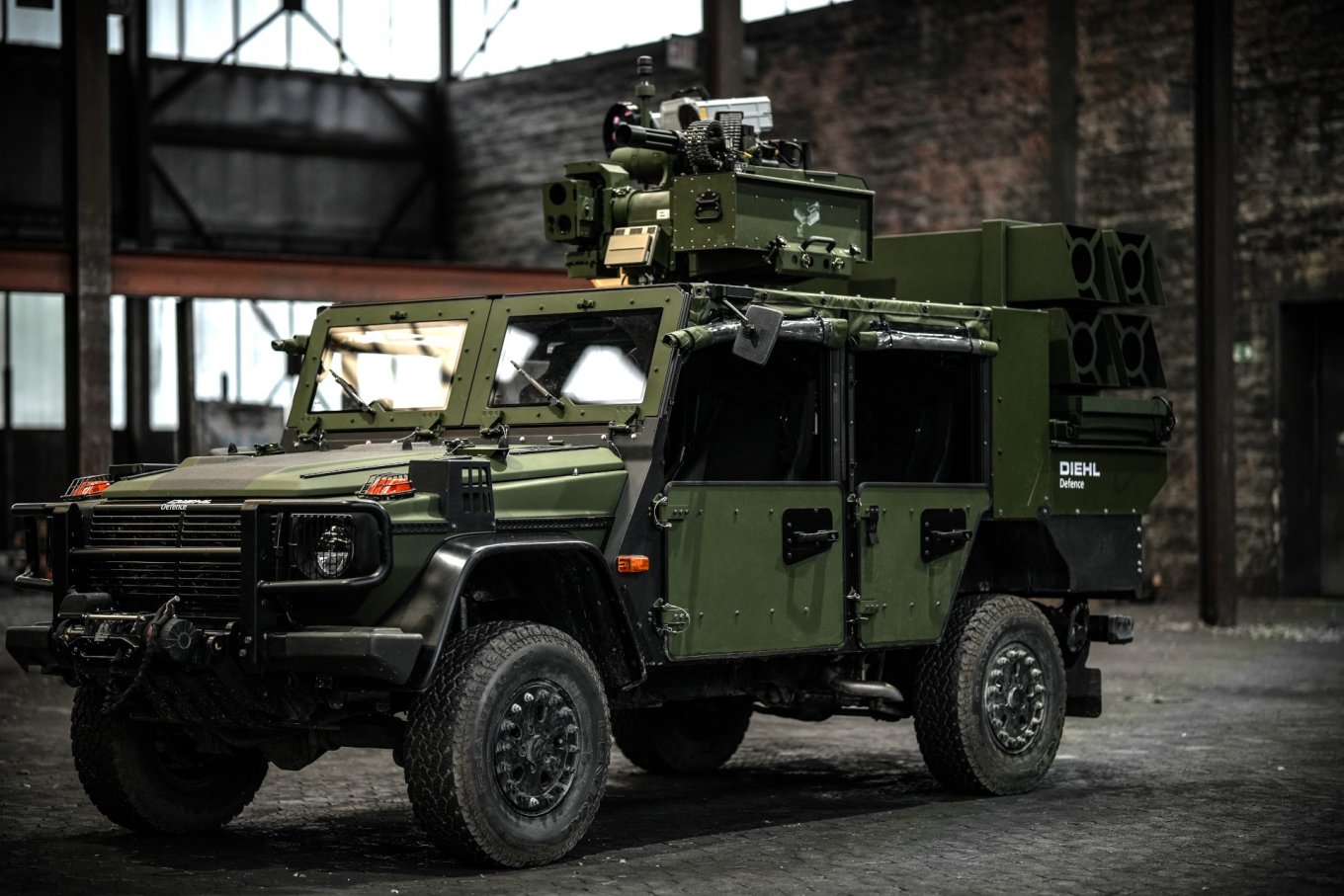
The choice of the name Garmr, referring to the mythical dog guarding the gates of Helheim in Norse mythology, instead of the more technical Kinetic Defense Vehicle designation, suggests strong commercial expectations for the system. It would not be surprising if Diehl seeks combat testing opportunities in Ukraine to obtain the highly valued "combat-proven" label.
Read more: Iris-T Missiles Prove Effective in Ukraine, Leading Germany to Increase Purchases for Its Aircraft and Air Defense Systems