


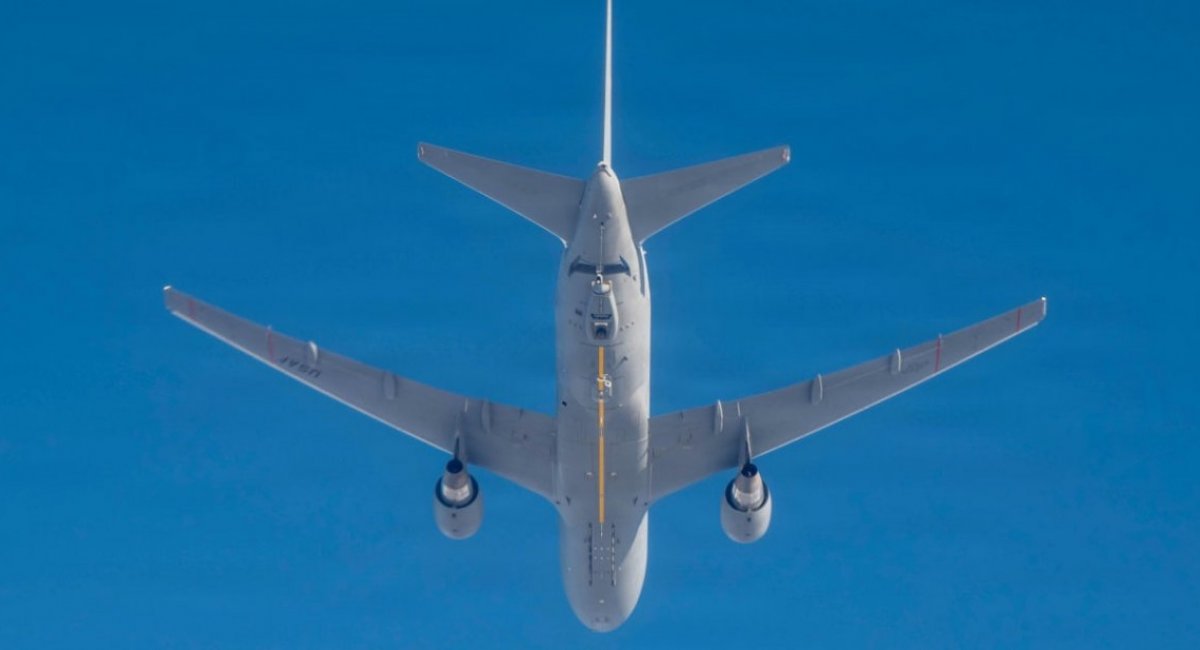
The U.S. Air Force does not intend to give Boeing a new contract for 75 new KC-46A Pegasus tanker aircraft until deficiencies are corrected. This will most likely take several more years.
As Air & Space Forces Magazine reports, Deputy Chief of Staff General John D. Lamontagne informed congressmen about the procurement suspension. He added that by next year, the number of such flying tankers will range from 183 to 188 under the initial contract.
Read more: France Develops Independent HIMARS Alternative as ArianeGroup, Thales Unveil ER GMLRS Analog FLP-T
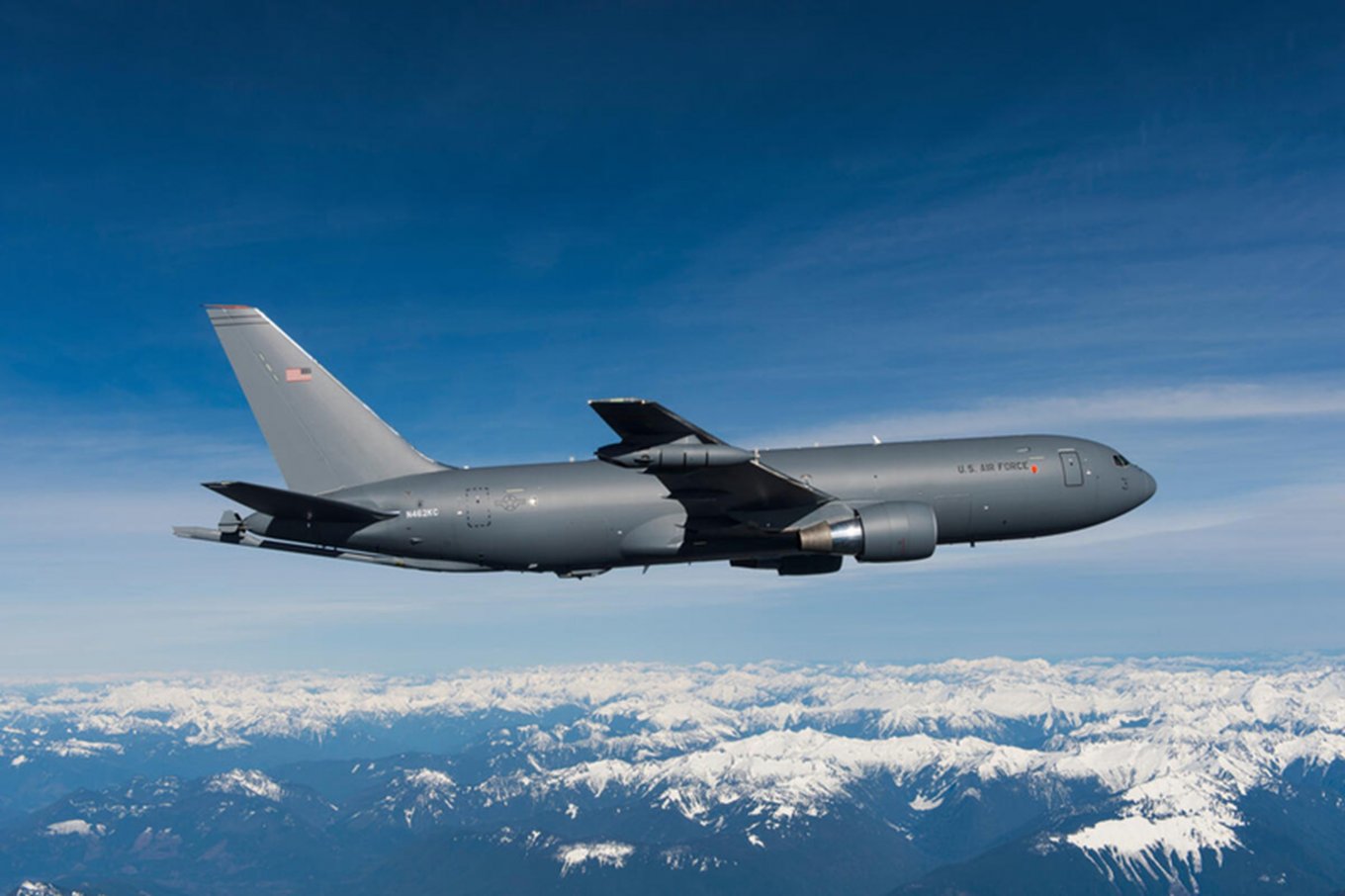
The order for another 75 units was announced in July 2025 and should support KC-46A production as a short-term solution. In parallel, Americans are seeking a full replacement for their 60-year-old KC-135 Stratotanker fleet.
Currently planned, Pegasus production extension should occur somewhere between fiscal years 2028 and 2035, meaning several more years for correcting deficiencies make sense. However, this pressures Boeing, which must now avoid additional delays.
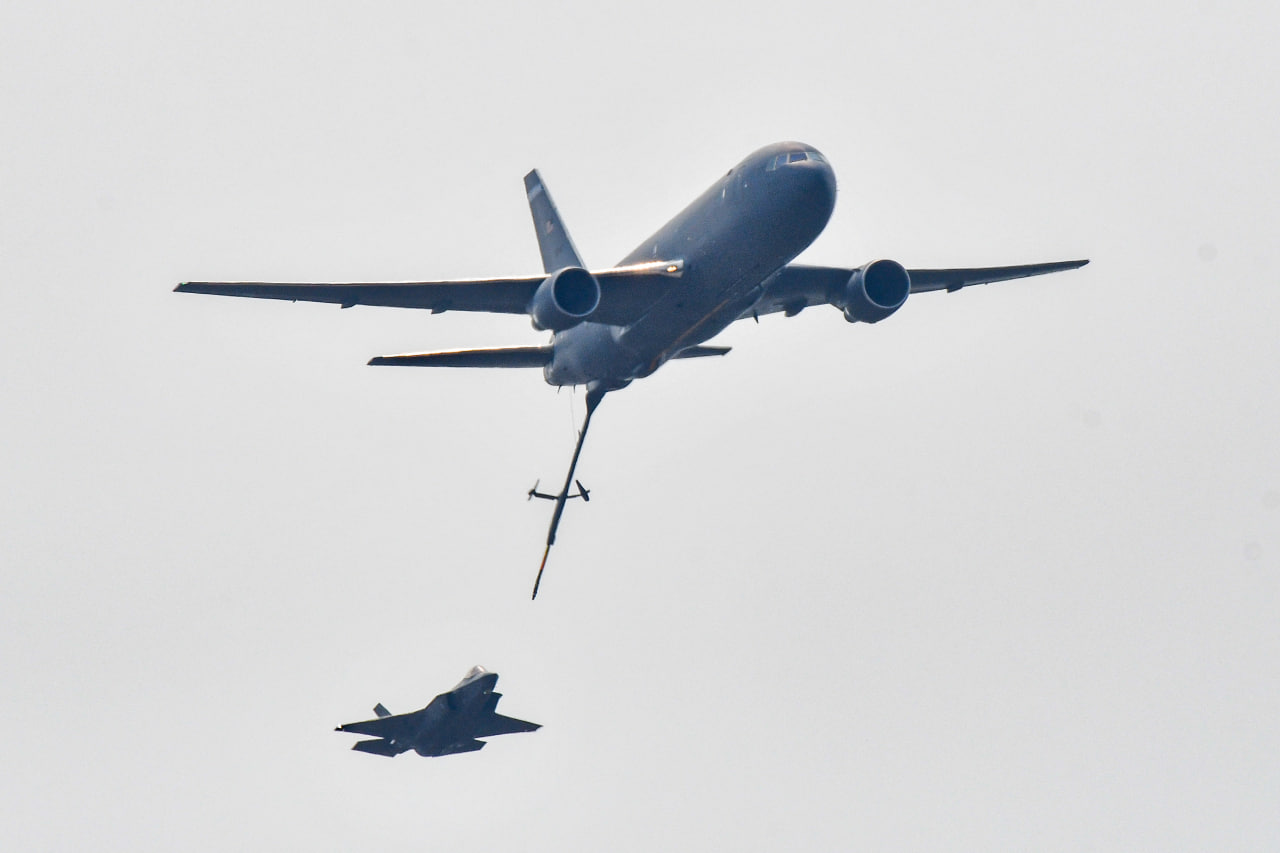
Defense Express recalls that the company recently spoke about possible aircraft price increases in the new contract, having lost over $8 billion on it. However, everything appears such that the opportunity to realize this will only fall in some time.
Boeing currently can only work on improving its tanker aircraft, as the more delays there are, the more funds will be lost. After all, the project is being implemented under a fixed-price contract.
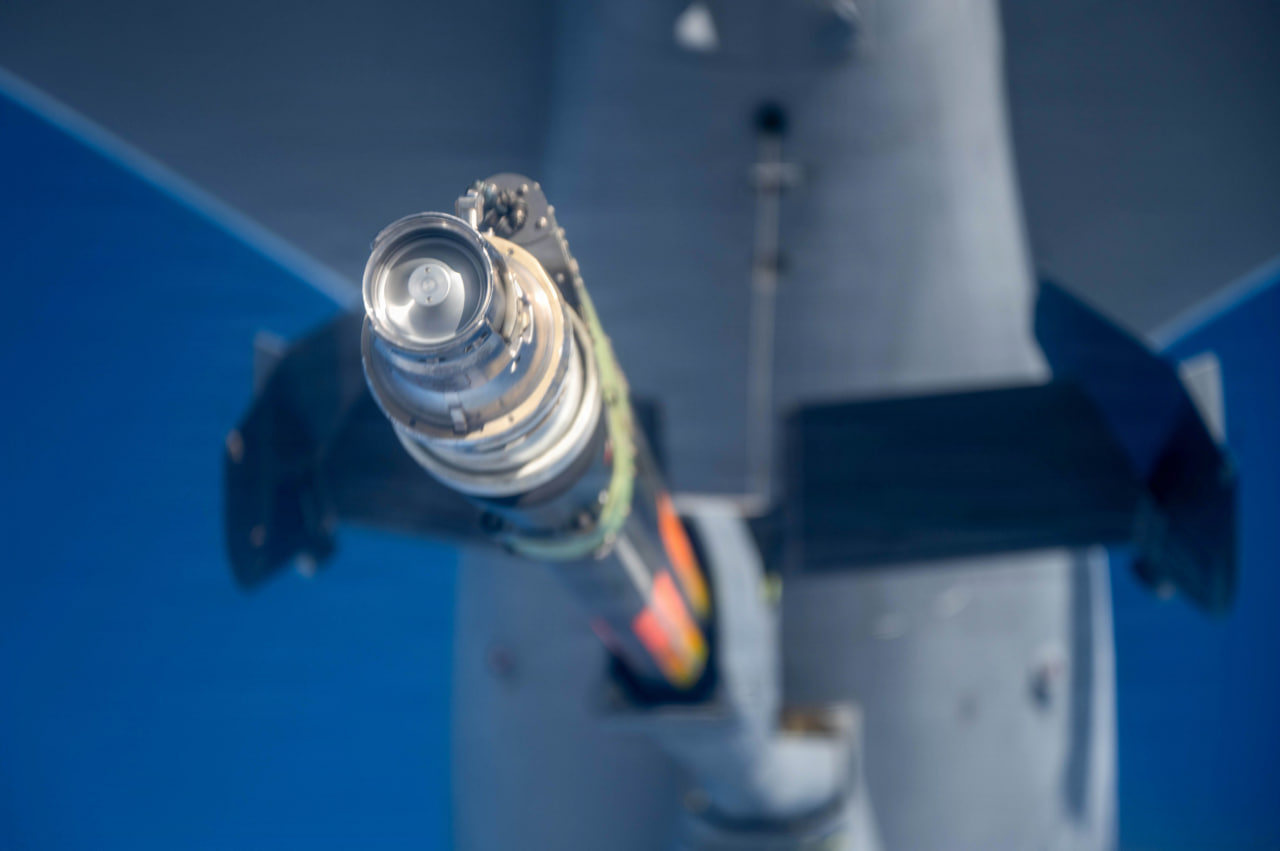
KC-46A is constantly plagued by problems, including low mission capability of only 24%, fuselage cracks, boom refueling deficiencies, and poor visibility in its control system. Replacement for the latter should be introduced into service in summer 2027, two years later than expected.
In 2026, Boeing plans to deliver 19 Pegasus flying tankers to the U.S. at once. At the same time, in 2025 delivery volumes amounted to only 14 aircraft, while overall the company produced 60 new aircraft total.
Read more: Ukrainian Storm Shadow Missiles Strike Kremniy El Microelectronics Plant in Bryansk Linked to Iskander Missile Production