Vadim Badeha, CEO of the russian aircraft holding company PJSC United Aircraft Corporation (UAC), confirmed at the CIPR-2026 conference (Digital Industry of Industrial russia) that development of the new jet trainer is ongoing. He stated that engineers are using a "unified domestic PLM solution for aircraft design based on T-Flex."
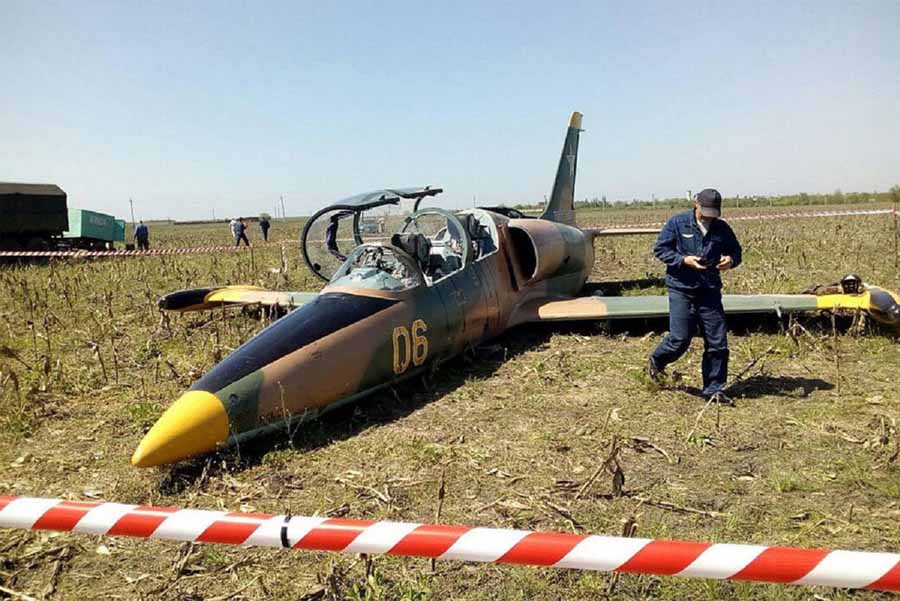
At the same time, russian propaganda outlets have again highlighted problems with the L-39 "flying classroom" fleet, which is reportedly operating at the edge of its service life and is facing issues with ejection seats due to sanctions pressure. The MiG-UTS is being developed as a replacement for these aircraft.
Read more: russian Airstrike on Ukraine Includes Oreshnik, Kinzhal, Zircon, Ballistic, Cruise Missiles and Shahed UAV Swarms
russian sources also admitted that the aircraft still has not progressed beyond the design stage and remains "not in metal." It is still unclear how long it will take to complete prototype construction, flight testing, and transition to serial production.
Official development work on the MiG-UTS began in late 2023, meaning the program has been underway for roughly two and a half years.
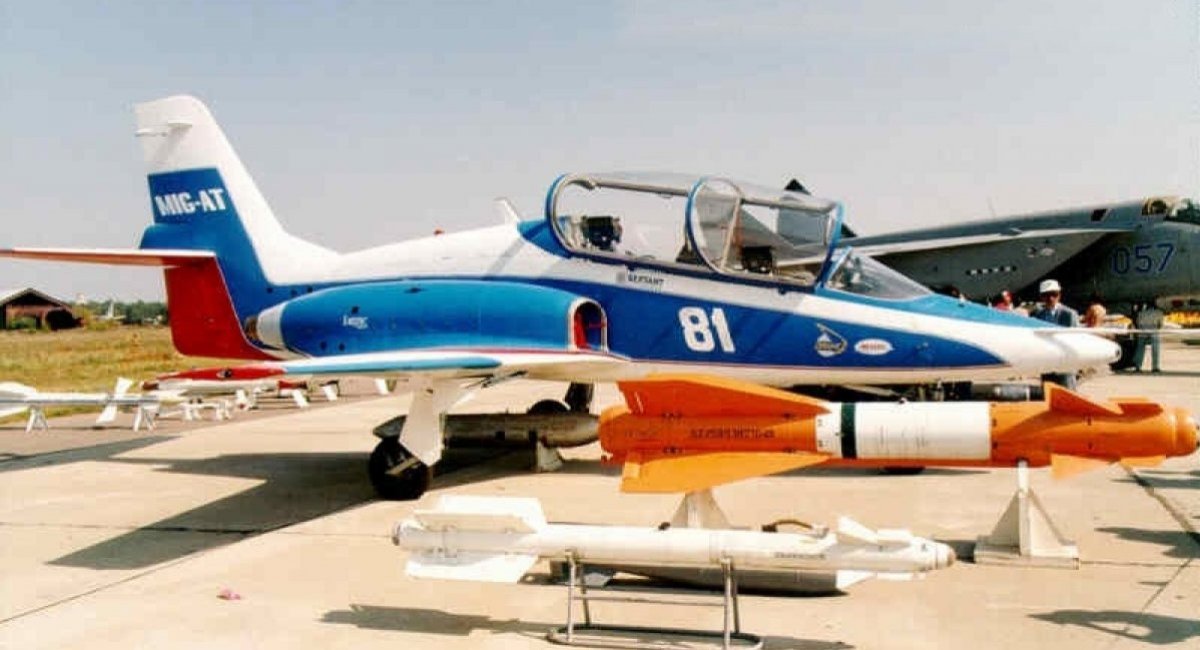
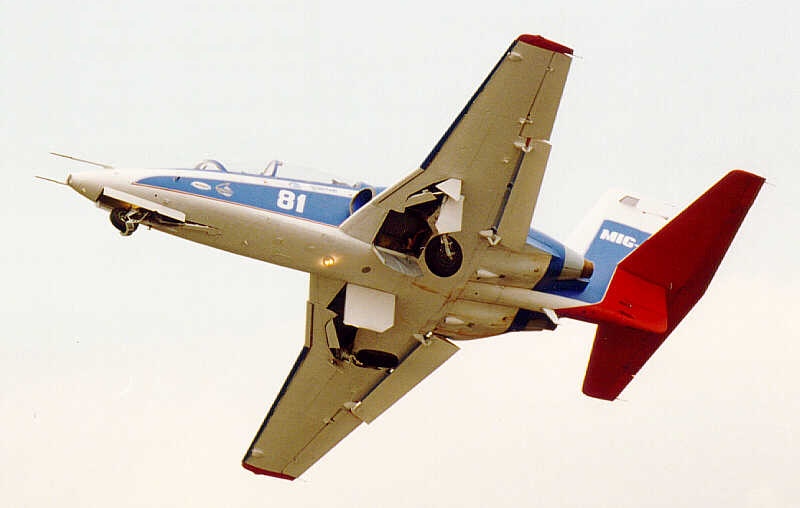
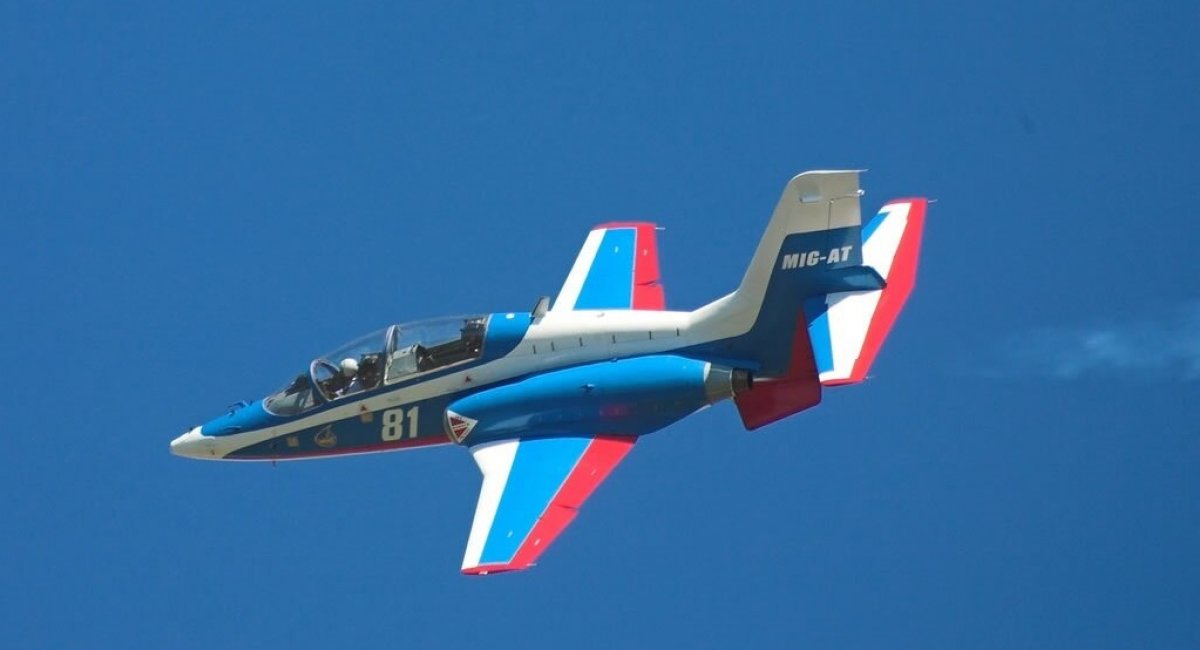
Although presented as a new project, the MiG-UTS is effectively a revival of the earlier MiG-AT trainer, which first flew in 1996. The MiG-AT was originally designed to replace the L-29 and L-39, but ultimately lost out to the Yak-130, which is now itself increasingly described in russia as not fully suitable as a direct L-39 replacement.
After unsuccessful attempts to export the MiG-AT in the 2010s, the program was eventually cancelled. However, russian officials now openly acknowledge that MiG-AT design work is being reused in the MiG-UTS project.
The MiG-AT program had three proposed variants: a basic trainer version with limited unguided weapon capability, the MiG-ATS with support for guided weapons, and the MiG-AS light attack variant.
The MiG-ATS variant had a planned maximum takeoff weight of 4,560 kg, a length of 11.65 m, a wingspan of 10 m, and a height of 4.07 m. It was expected to carry up to 1,000 kg of payload and had a projected service life of 8,750 flight hours.
For comparison, the original MiG-AT was slightly larger and heavier, with a maximum takeoff weight of 5,690 kg, a length of 12.01 m, a wingspan of 10.16 m, and a height of 4.62 m.
The MiG-ATS was planned to be powered by a single AI-222-25 engine, whereas the original MiG-AT used two SNECMA Larzac engines.
Previously, Defense Express reported that russia aims to field three Yak-130M aircraft by the end of the year, raising further questions about how this platform fits into the country’s training aircraft gap.
Read more: Could Oreshnik Have Missed by As Much As 80 km – What Conclusions Can Be Drawn from russia’s Strike on Ukraine with This IRBM