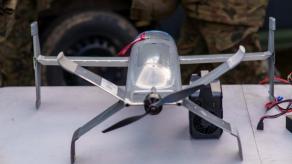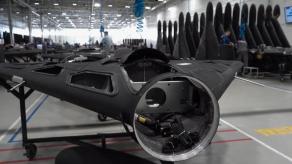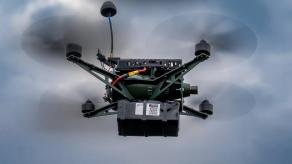



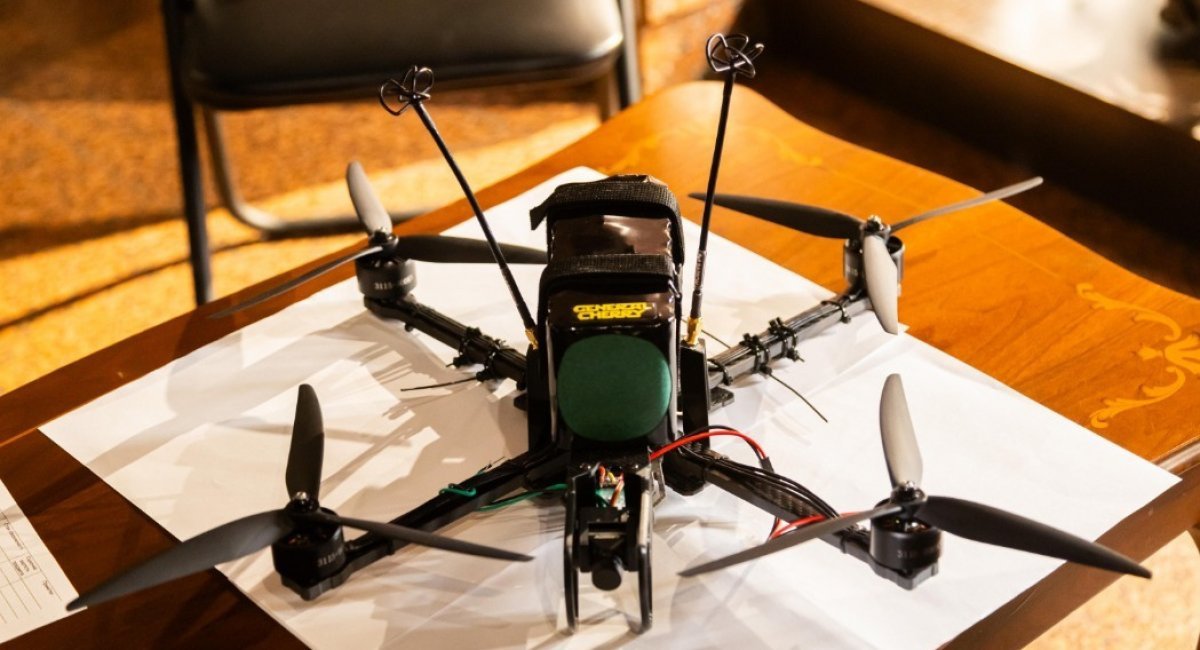
Dependence on Chinese components remains one of the key challenges in drone production. To address this, Ukraine plans to build an underground facility for manufacturing drone components in cooperation with one of Europe's leading producers.
The project involves a partnership between General Cherry, part of NAUDI, and Orqa under the Build on Ukraine program. The goal is to achieve full localization of drone components within Ukraine's domestic industry.
Read more: russian Forces Claim Ukraine Is Using Drones With Graphite Bombs: What These Weapons Are, Why They Matter
At the same time, a joint production initiative will be launched in Croatia, focusing on the development of new drone technologies. This effort is likely aimed not only at Ukraine’s needs but also at supporting the rearmament of NATO countries.
Overall, the project appears mutually beneficial. Ukraine would gain greater independence from imports, particularly from China. While efforts in this direction are already underway, they remain constrained by cost factors and limited industrial capacity.
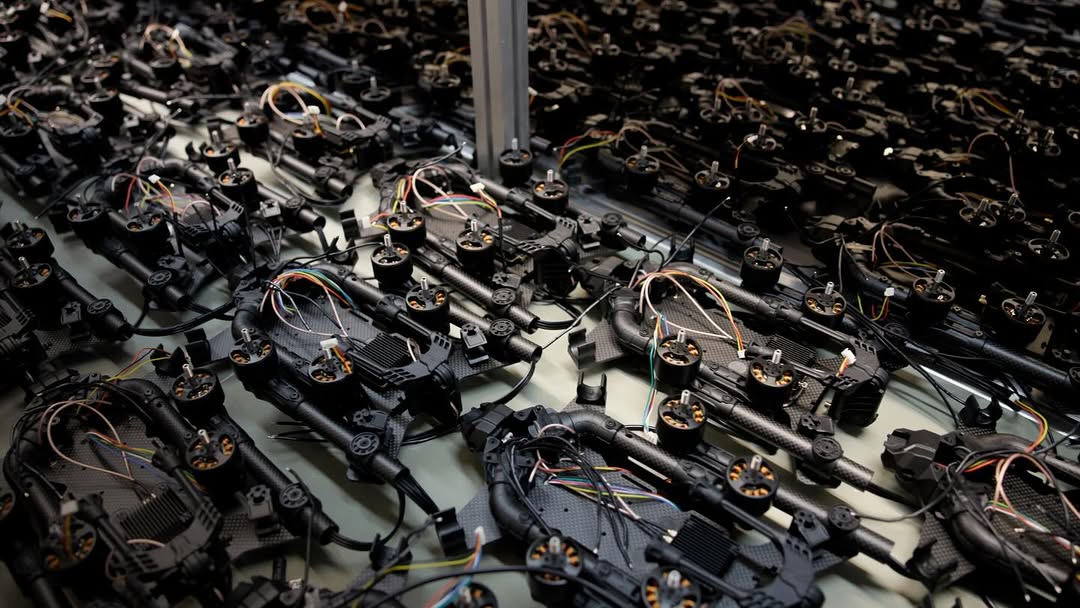
Meanwhile, Orqa is one of Europe's leading players in the sector, not only due to its production scale (reportedly up to 280,000 drones per year) but also because of its focus on eliminating reliance on Chinese components. The company actively seeks global partners and has the expertise required to establish such production capabilities in Ukraine.
From the Ukrainian side, beyond serving as an additional manufacturing base, the partnership offers combat-tested experience and battlefield-proven technologies. These can be adapted to a more independent component base and applied to meet the needs of NATO countries.
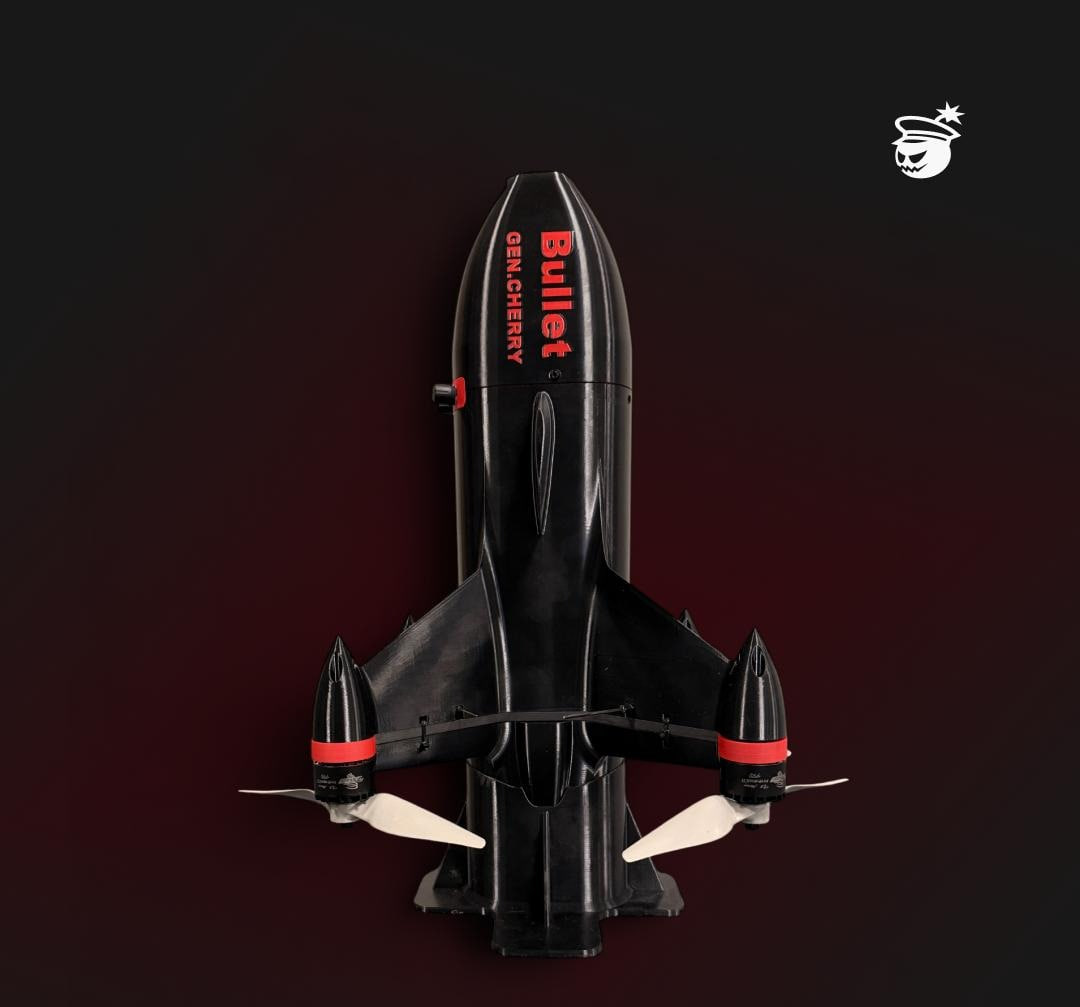
General Cherry is well known in Ukraine for both its strike and air defense FPV drones, which are actively used on the battlefield. Its UAVs have notably been credited with downing a Ka-52 attack helicopter, and its products have even been featured in a Pentagon competition.
It is also worth recalling that in 2026, Ukrainian companies are expected to establish at least ten joint drone production ventures across Europe. As this case demonstrates, such cooperation does not necessarily mean a one-way transfer of technology.
Read more: Ukrainian-German QFI Delivers First Linza 3.0 Bomber Drones Just Months After Launch