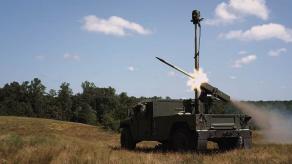



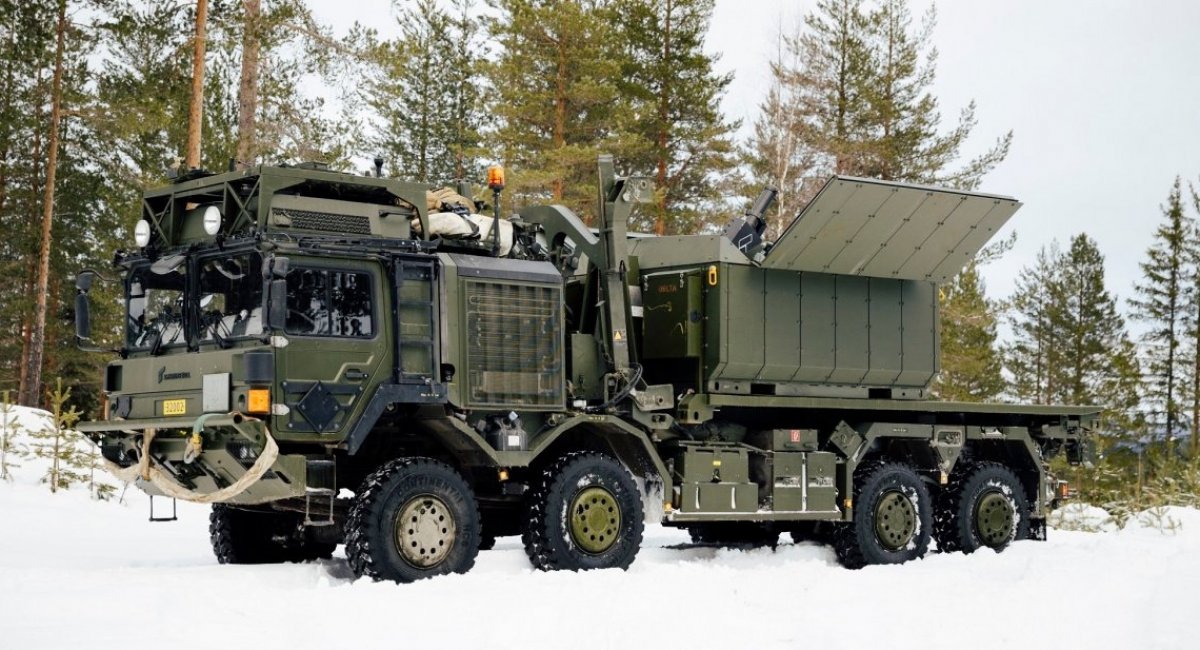
German Rheinmetall has once again presented its 120mm Ragnarok mortar system and a brand new mission module for it. A RMMV HX truck was chosen as the chassis, which has very questionable relevance today due to enormous vulnerability to drones as well as other strike means at the front.
According to the consortium's statement, a live-fire demonstration took place in Rena, Norway. The event was reportedly conducted under adverse weather conditions with very low temperature and high humidity.
Read more: Egypt Starts Building South Korean K9 Howitzers at Factory That Once Made Abrams Tanks
Representatives from Norway, Sweden, Finland, the Netherlands, and Germany observed the proceedings. These countries are most likely the target customers for such a system, plus most of them face relevant issues of operating in harsh northern weather conditions.
Rheinmetall emphasizes that their mortar module allows leaving the position as soon as the last shot has been fired. This supposedly ensures true "shoot-and-scoot" capability.
However, whether the bet on mobility will work when the battlefield is saturated with drones, which significantly reduce the time needed to detect and engage assets at the front, remains questionable.
The chosen chassis already raises questions. The RMMV HX with 8x8 wheel formula has certainly proven itself as a good truck, including during use by Ukrainian military for transport and logistics tasks. However, this is a somewhat different situation.
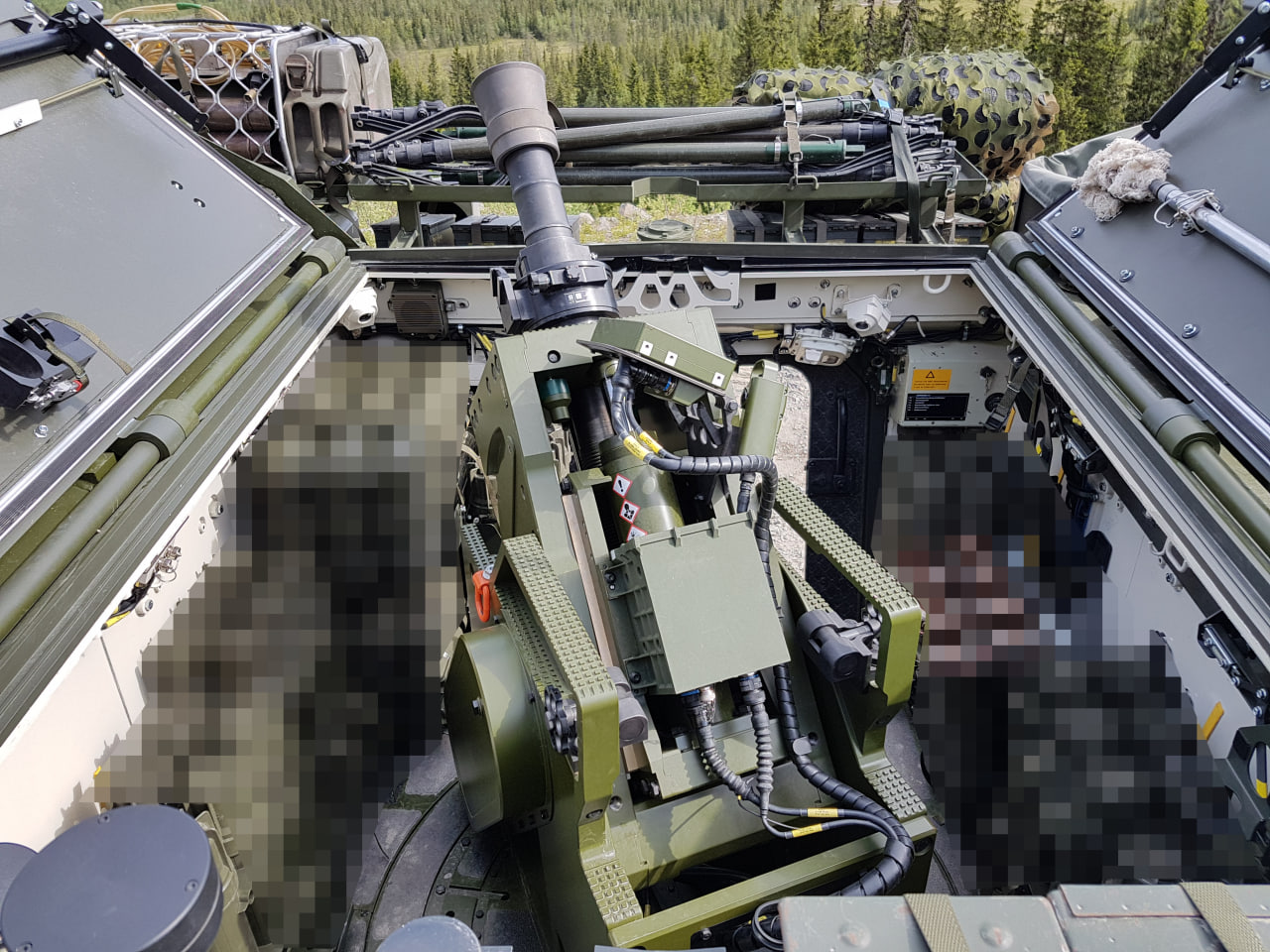
Mortars operate at ranges less than 10 km, meaning they will be within reach of a large number of strike means, including drones that currently dominate the battlefield. Consequently, the truck becomes a large and unwieldy platform with weak protection, making it an easy target.
It's important to note that the Ragnarok mortar system is not automated and requires manual loading. Fire is conducted after opening the module's roof, meaning more personnel are needed per vehicle.
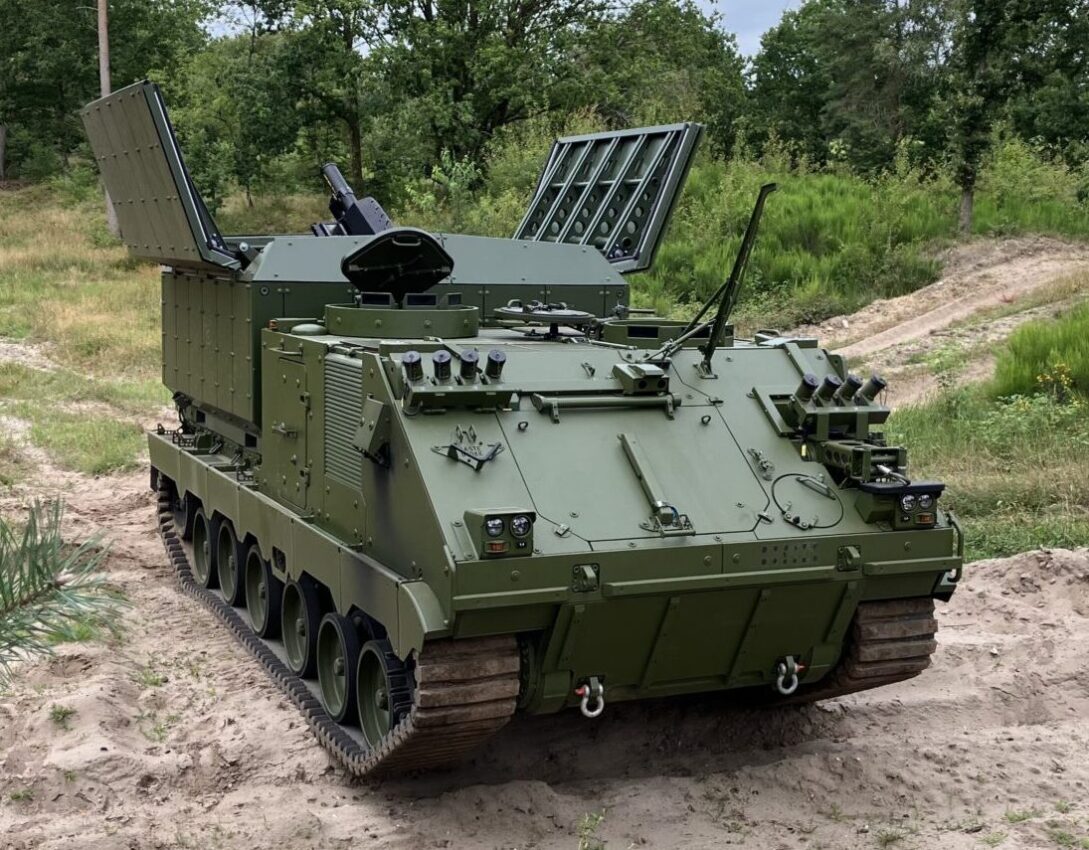
Interestingly, Rheinmetall also showed this module on the tracked ACSV G5 armored vehicle chassis. This makes somewhat more sense due to reduced dimensions and higher mobility compared to wheeled chassis, but still suffers from short range where it can be very easily hit.
Perhaps showing it on the RMMV HX truck chassis was also a demonstration of the possibility to install the mortar system on any platform. A third variant was also presented a trailer for a jeep.
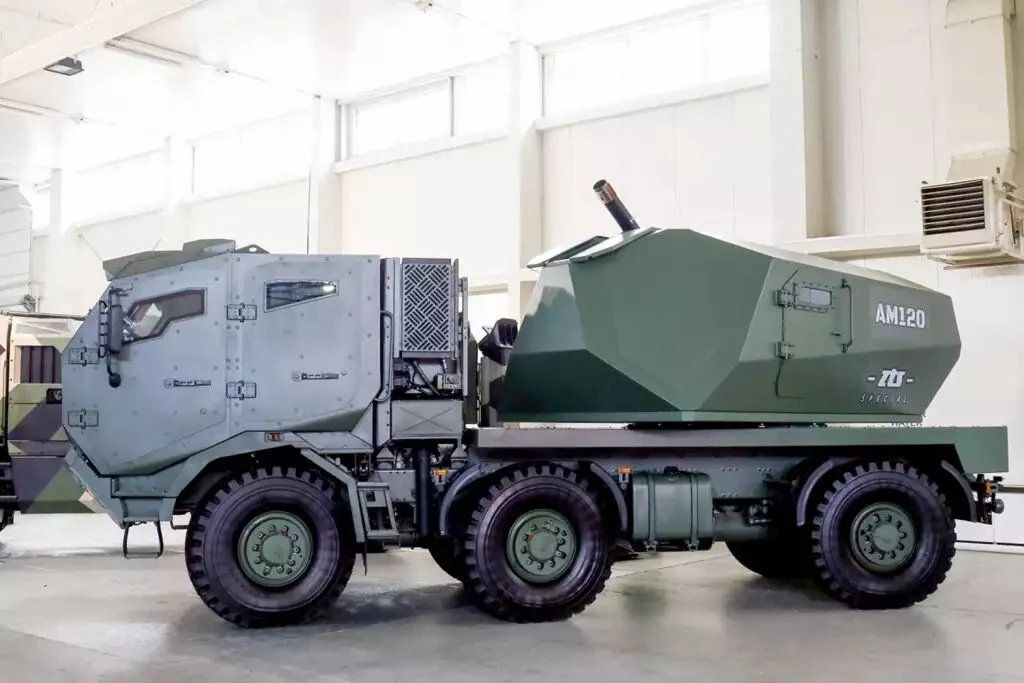
Let's also mention that Azerbaijan will purchase up to 300 20-ton Slovak SAM-120 (or AM120) self-propelled mortars based on Tatra trucks. Although they are automated, their enormous dimensions make them vulnerable to drones, which raises huge questions about their practicality.
It turns out that potentially selling a mortar system on such an automotive chassis to someone is possible. However, most likely, if anyone orders Ragnarok, some armored platform already in service will be used.
Read more: When Iran Bought Three Project 877 Submarines from russia, Why One Was Likely Sunk by ATACMS, How Long They Spent in Repair