


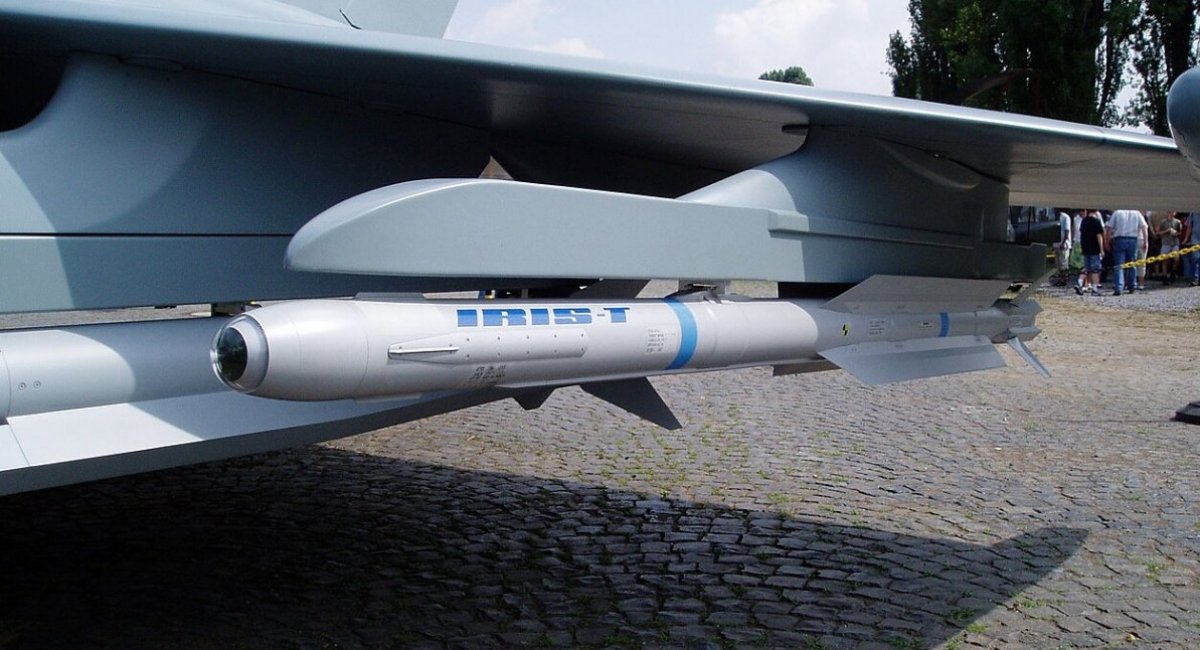
The European BEAST (Boosting European Advanced Systems Technologies) project has officially been launched to develop and procure a new indigenous, ITAR-free short-range air-to-air missile. The program is led by Germany's Diehl Defence, the manufacturer of the IRIS-T missile family, and represents another step toward strengthening Europe's defense-industrial autonomy.
The BEAST consortium won a tender from the European Defence Fund in the summer of 2025 and held its first formal meeting in November the same year. In total, the project brings together 21 partners from 12 EU member states, underscoring its role as a genuinely pan-European effort rather than a nationally driven program.
Read more: Germany Set to Become Europe's EuroPULS Missile Factory
According to Diehl Defence, a core requirement of the future missile is full independence from U.S. export controls, meaning it will be entirely ITAR-free. This objective reflects Europe's growing determination to reduce reliance on non-European technologies, particularly in sensitive weapons systems that could be affected by political or regulatory restrictions.
A major design principle of BEAST missile is modularity, which is intended to enable the rapid and cost-effective development of a full missile family. While the initial focus is on a short-range air-to-air weapon, the same technological base could be adapted for air-to-ground and surface-to-air variants, significantly expanding the operational and market potential of the system.
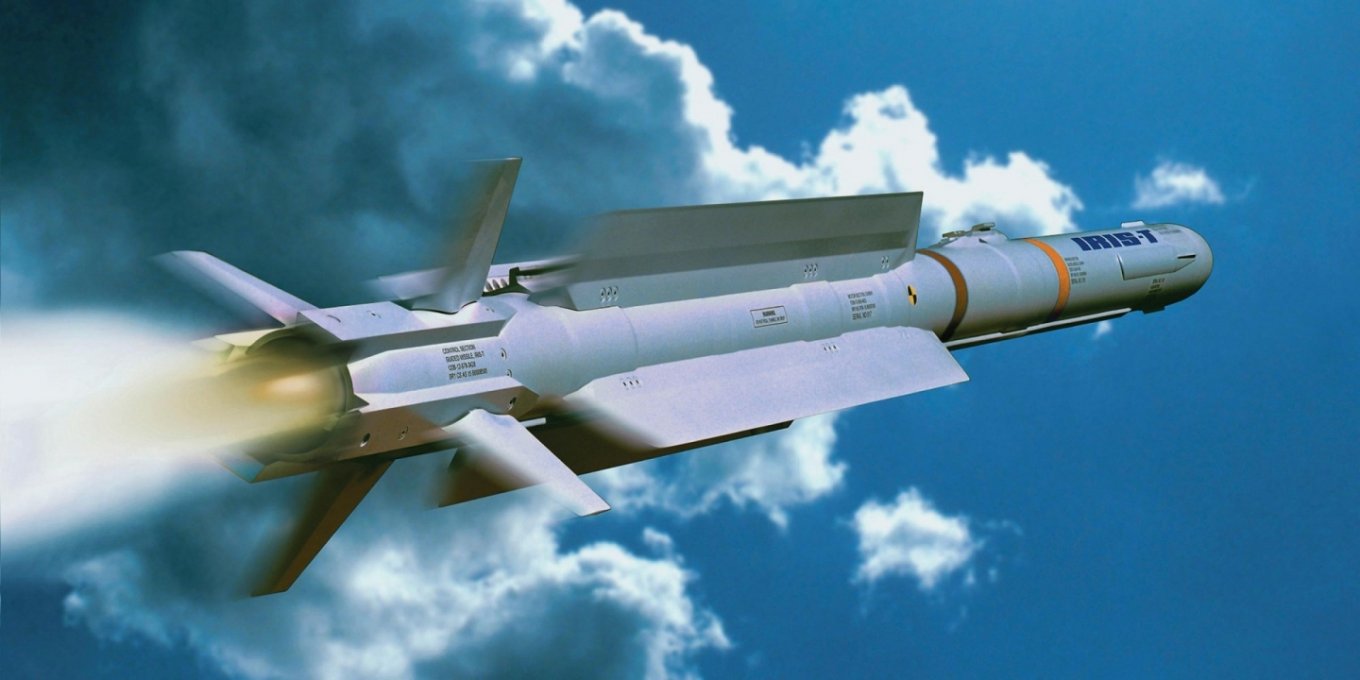
In this respect, the concept closely mirrors the evolution of IRIS-T system itself. Originally developed as a short-range air-to-air missile with limited air-to-ground capability, IRIS-T system has since become the foundation for IRIS-T SLS and SLM surface-to-air missile systems. Production of these air defense systems is currently being ramped up to meet growing demand in Europe.
Despite the existence of European alternatives, many countries continue to procure U.S.-made AIM-9X missile. This is driven by several factors, including high production rates, platform familiarity, NATO standardization, and the widespread use of U.S.-built fighter aircraft such as F-16 and F-35, which are already fully integrated with American weapons.
The missile envisioned under the BEAST project is not expected to enter service before the 2030s. At this stage, the priority is to establish a framework for joint European development and procurement rather than rapid fielding, which explains why increasing production of existing IRIS-T variants remains a logical near-term solution.
More broadly, the BEAST project fits into a wider pattern of EDF-backed defense initiatives. For 2026, the European Defence Fund has earmarked financing for a range of critical programs, including next-generation fighter technologies, hypersonic missile interceptors, new main battle tanks, and a European multiple launch rocket system, highlighting the scale of Europe's ambitions to rebuild and modernize its defense capabilities.
Read more: Britain Wants Aster 30 Missiles in Tomahawk Launchers to Unify New Frigate Arsenal