


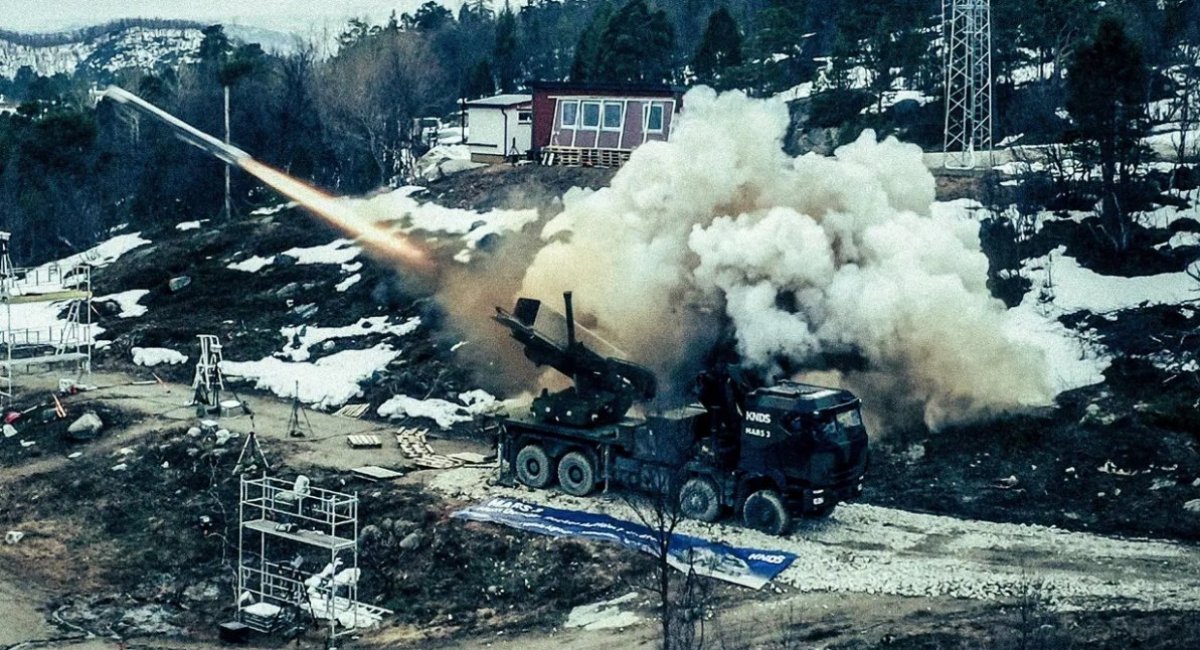
Israel's Elbit Systems is moving to make Germany a central hub for the production of rockets for EuroPULS multiple launch rocket system, signaling a strategic shift toward deeper localization in Europe. The move comes despite the company's recent setbacks in Norway and Spain, where procurement decisions were influenced by political considerations and concerns over supply chains.
According to hartpunkt, Elbit Systems emphasizes that production facilities in Germany are intended to cover the needs of all European operators of EuroPULS system. Beyond the Bundeswehr, this includes Denmark, the Netherlands, and potentially Greece, positioning Germany as a key industrial backbone for the system on the continent.
Read more: russia's Kalashnikov Concern to Unveil Rus-PE Loitering Munition at World Defense Show 2026
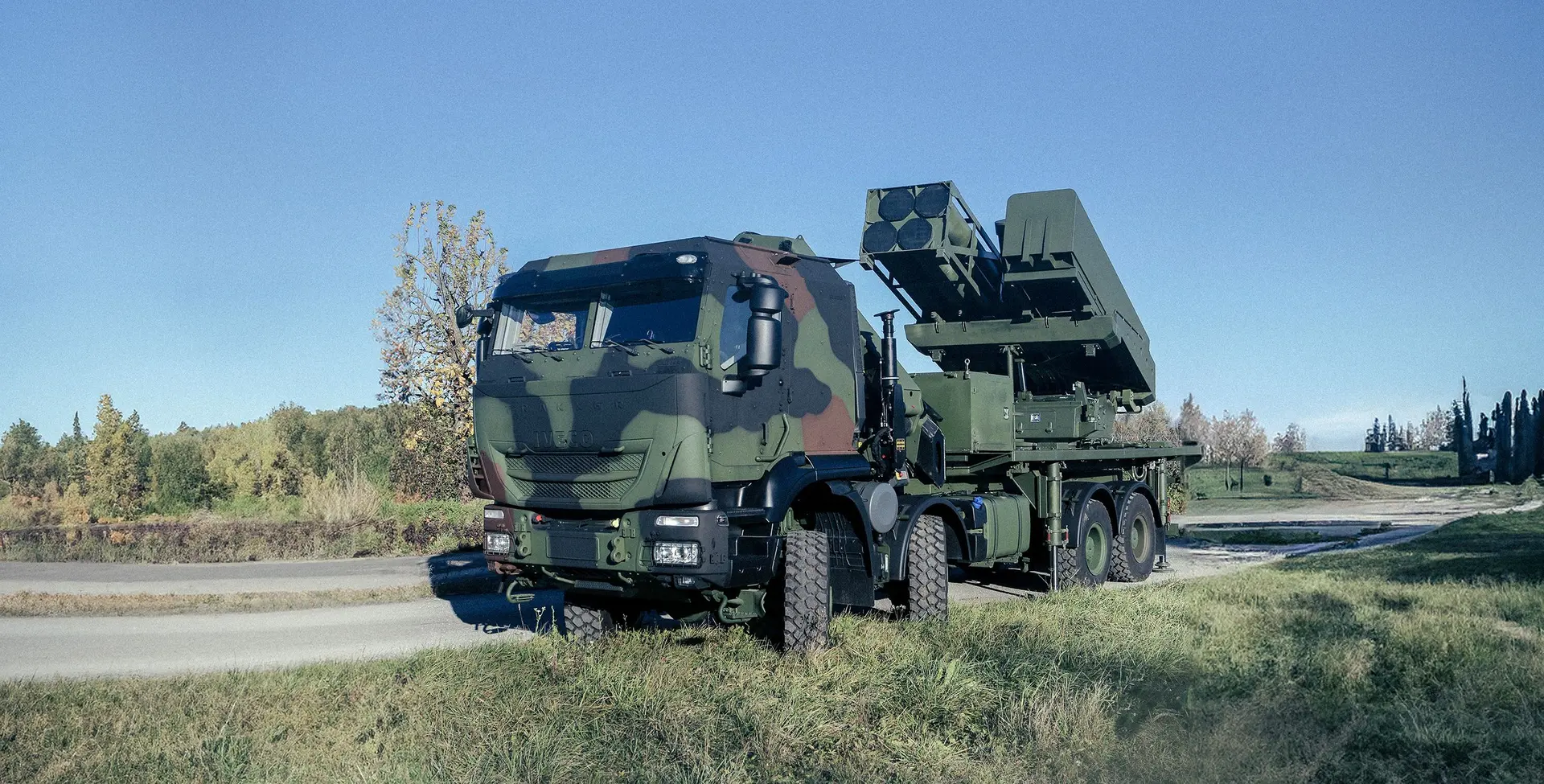
Elbit Systems plans to localize a significant share of manufacturing in Germany while actively involving domestic defense companies. One of the confirmed partners is Diehl Defence, best known for its IRIS-T missile family, which underlines Berlin's interest in anchoring high-value missile production within its own industrial ecosystem.
The company has also mentioned the possible involvement of MBDA Germany and its subsidiary MBDA Bayern Chemie. Bayern Chemie specializes in rocket motors, while MBDA Germany is developing the long-range Joint Fire Support Missile. In the future, this missile could theoretically be integrated into a German-Israeli EuroPULS configuration, further expanding the system's capabilities and appeal.
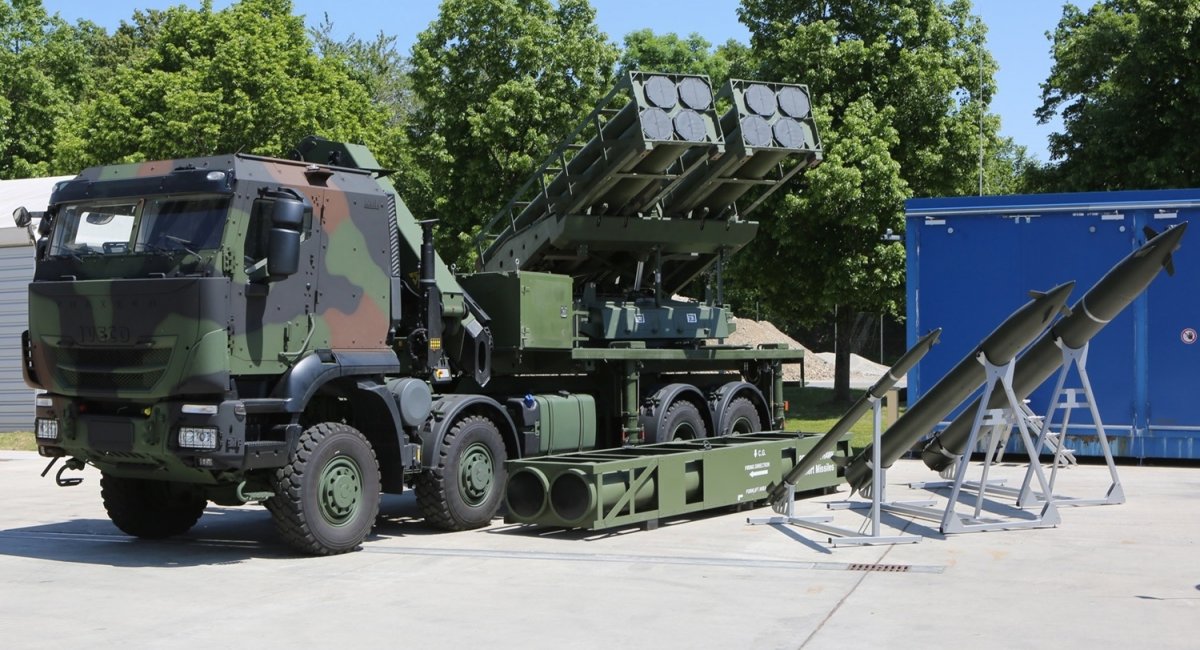
Germany has so far ordered five EuroPULS systems. The launchers are being developed jointly with KNDS and mounted on 8×8 IVECO Trakker trucks. However, these systems still need to undergo testing and certification by the Bundeswehr before entering operational service.
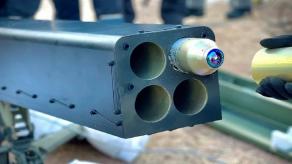
When it comes to ammunition, Germany is expected to produce the full range of munitions domestically. This could include EXTRA missile with a range of up to 150 kilometers, as well as shorter-range rockets equipped with various warheads, such as AT2 anti-tank mine payloads, reflecting a broad operational spectrum.
From a broader market perspective, Elbit Systems appears keen to avoid repeating the experience of losing the Norwegian contract to South Korea's K239 Chunmoo system. One of unit's decisive advantages was the planned establishment of European production in Poland, something EuroPULS has so far lacked but is now effectively addressing through Germany.
At present, Europe does not have an indigenous multiple launch rocket system in serial production, leaving countries to choose between foreign designs such as HIMARS, K239 Chunmoo, and PULS. While France is working on its own alternative and Spain has launched a similar effort, having fully abandoned Israeli weapon systems, Elbit System's German production push may significantly strengthen EuroPULS system's position in the European market.
Read more: How Türkiye Conducted Its First-Ever Successful Tests of Armed Drone Swarm (Video)