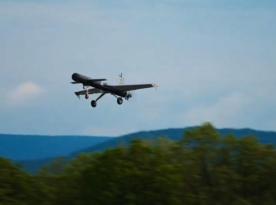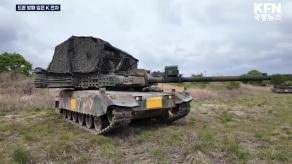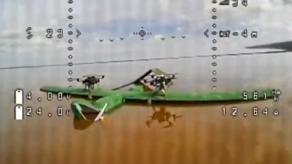
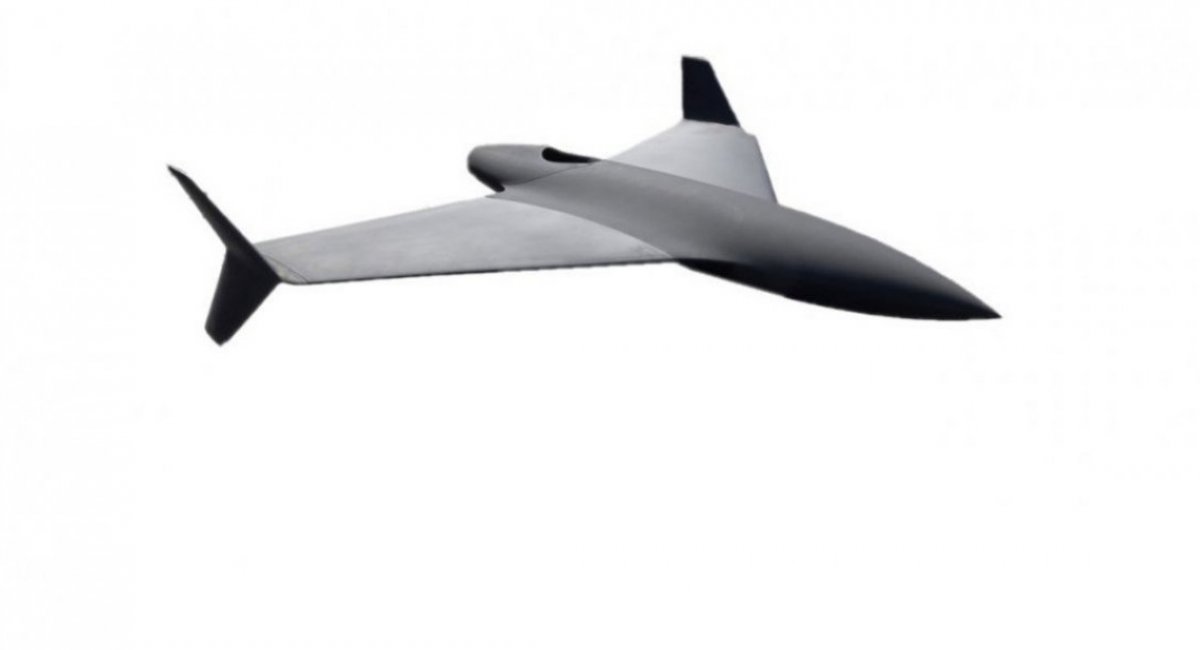
European countries declare conducting several proprietary projects in the rocket and missile armament segment, including German Taurus NEO or MBDA's reactive Shahed analog under One Way Effector designation, for which readiness to produce 1,000 units monthly is stated, given corresponding order.
However, if Europe truly wants to be ready for war with russia, which may occur at the end of the 2020s, it must accelerate implementation of its missile projects and order such weapons not in hundreds but thousands of units. Researcher in missile armament segment Fabian Hoffmann expresses this opinion in his publication for German portal Hartpunkt.
Read more: Ukrainian Drones Strike russian Admiral Makarov Frigate, Sheskharis Terminal, and Grushovaya Base (Video)
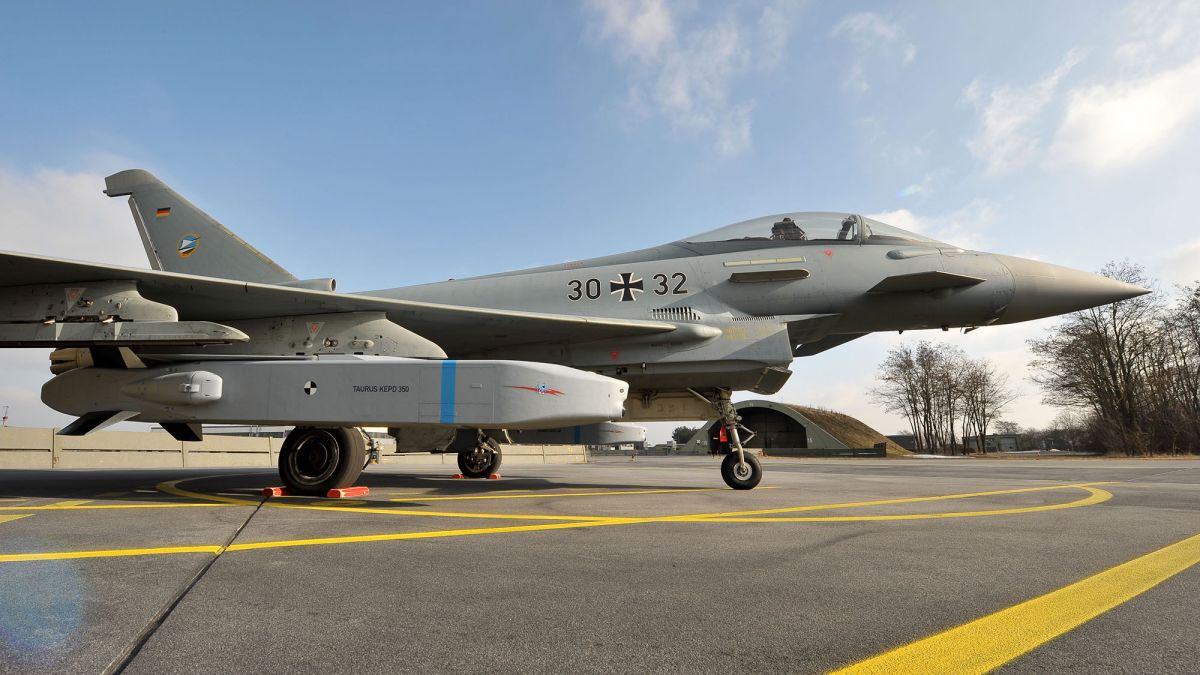
As the researcher outlines in his publication, the necessity of changing European countries' approach to their own long-range weapons projects is dictated by experience from the current U.S. war against iran, where long-range missile expenditure from American arsenals reached insane and previously unseen rates.
Currently, the greatest progress among all European countries in new long-range weapons projects segment is demonstrated by France, which plans to start serial production of the above-mentioned One Way Effector from 2027, with flight range up to 500 kilometers and 40-kilogram warhead. Moreover, the French are working on their Shahed analog under Chorus designation, production of which should occur at Renault automobile plant facilities.
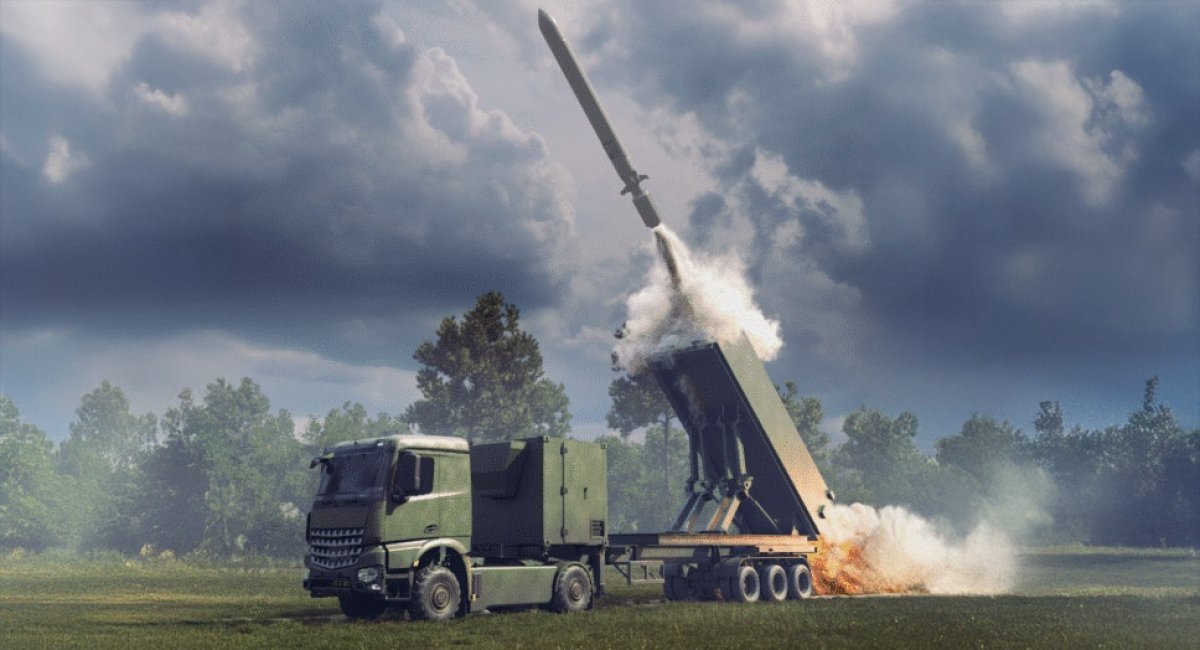
Germany has the Taurus NEO air-based cruise missile production project launch, with volume of 600 units planned. However, delivery start is scheduled only for early 2030s, which looks clearly late for expected timelines of possible russian war against European countries.
However, speaking further about European countries' missile projects, one must use the concept at conceptual stage, because implementation progress is extremely slow.
For example, the pan-European ELSA ground-based cruise missile project has essentially collapsed. The French continue their LCM designation project, but there the first test launch is scheduled for 2028.
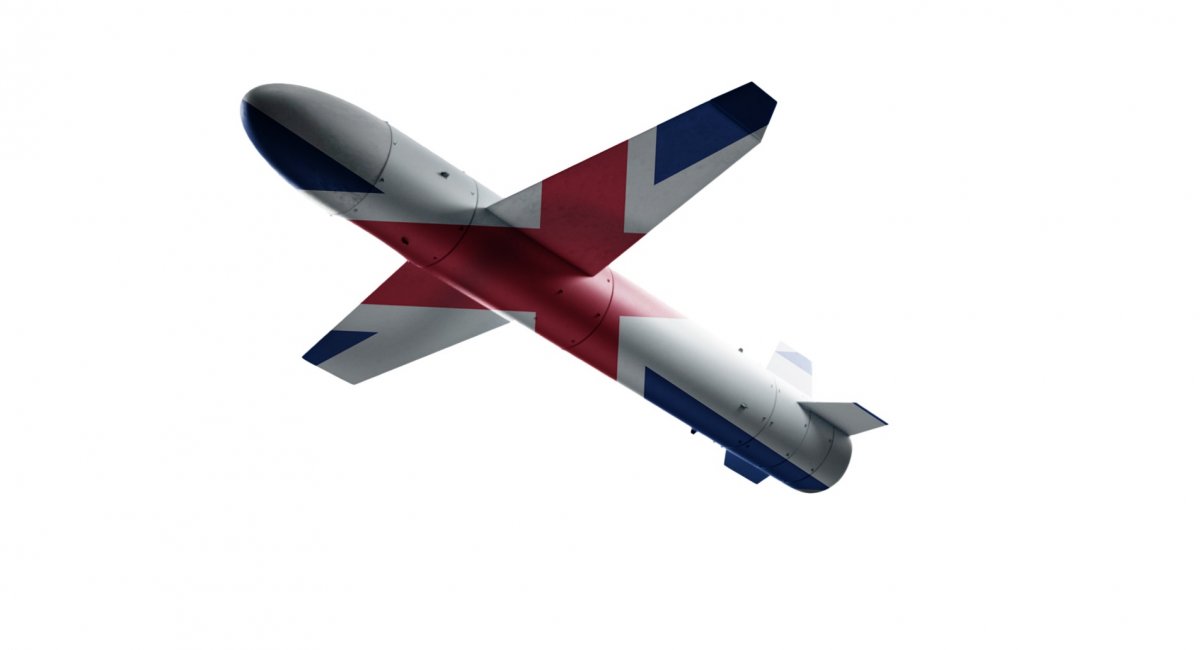
The United Kingdom launched the Brakestop project in 2024 for mass cruise missile production. The first test launch already occurred in December 2025. Those same British are simultaneously conducting the Nightfall project for mass ballistic missile production for Ukraine. However, whether such missiles will be purchased directly for the British army in case of success is an open question.
Part of European countries rely on imported weapons samples to fill gaps in long-range weapons. For example, Baltic countries purchased certain quantities of M142 HIMARS rocket systems, which came with ATACMS operational-tactical missiles in particular.
However, we're talking about extremely small quantities: Latvia, 10 missiles of this type, Lithuania 18 units, Estonia states as many as 200 units, separately Poland 45 units. Baltic countries' ambitions to obtain newest PrSM operational-tactical missiles have not yet received substantive implementation.
Poland and Norway ordered delivery of South Korean K239 Chunmoo. Their armament set includes KTSSM operational-tactical ballistic missiles in particular. France has also considered purchasing such systems.
Overall, a situation emerges where Europe either conducts work on its own long-range weapons segment projects extremely slowly, or prefers to rely on the buy from other countries option. This is actually dangerous against the backdrop of possible approaching large war between russia and the West.
Read more: U.S. Destroys Two MC-130J Commando II, Up to Four MH-6 Helicopters Deep Inside iran After F-15 Pilot Rescue Mission