


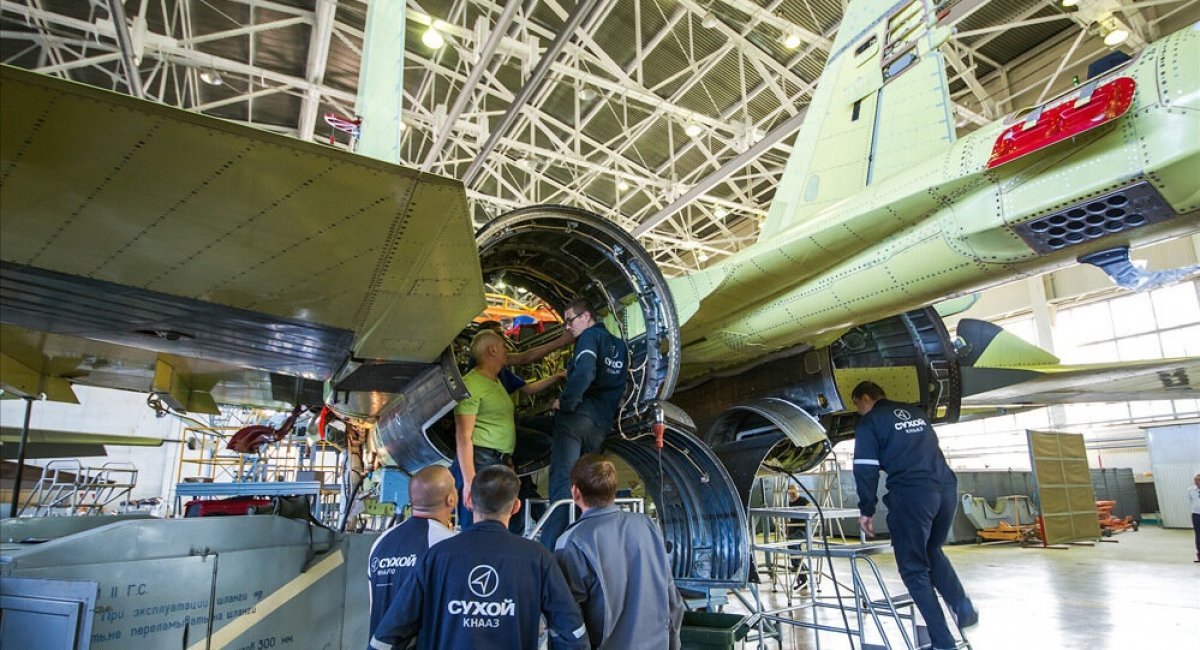
RUSI's in-depth study maps the russian combat-air supply network and highlights weak points not only at final assemblers and prime contractors but also at second- and third-tier suppliers. Overall, the network comprises around 1,300 suppliers.
The report includes an interactive map that shows the locations of the most critical supplier sites, the disruption of which would seriously impede russia's fighter production.
Read more: Inspired by Ukraine, Britain Integrates FPV Drones into Naval Drones
Crucially, RUSI notes that counter-measures need not be limited to sanctions (the remit of Western states); they can also include long-range strikes by Ukrainian forces. The analysis cites a telling example in Belgorod: the Skif-M enterprise.
Skif-M manufactures specialised drills, cutters and other machining tools used to process titanium and other aerospace materials. Its primary customers are Sukhoi factories.
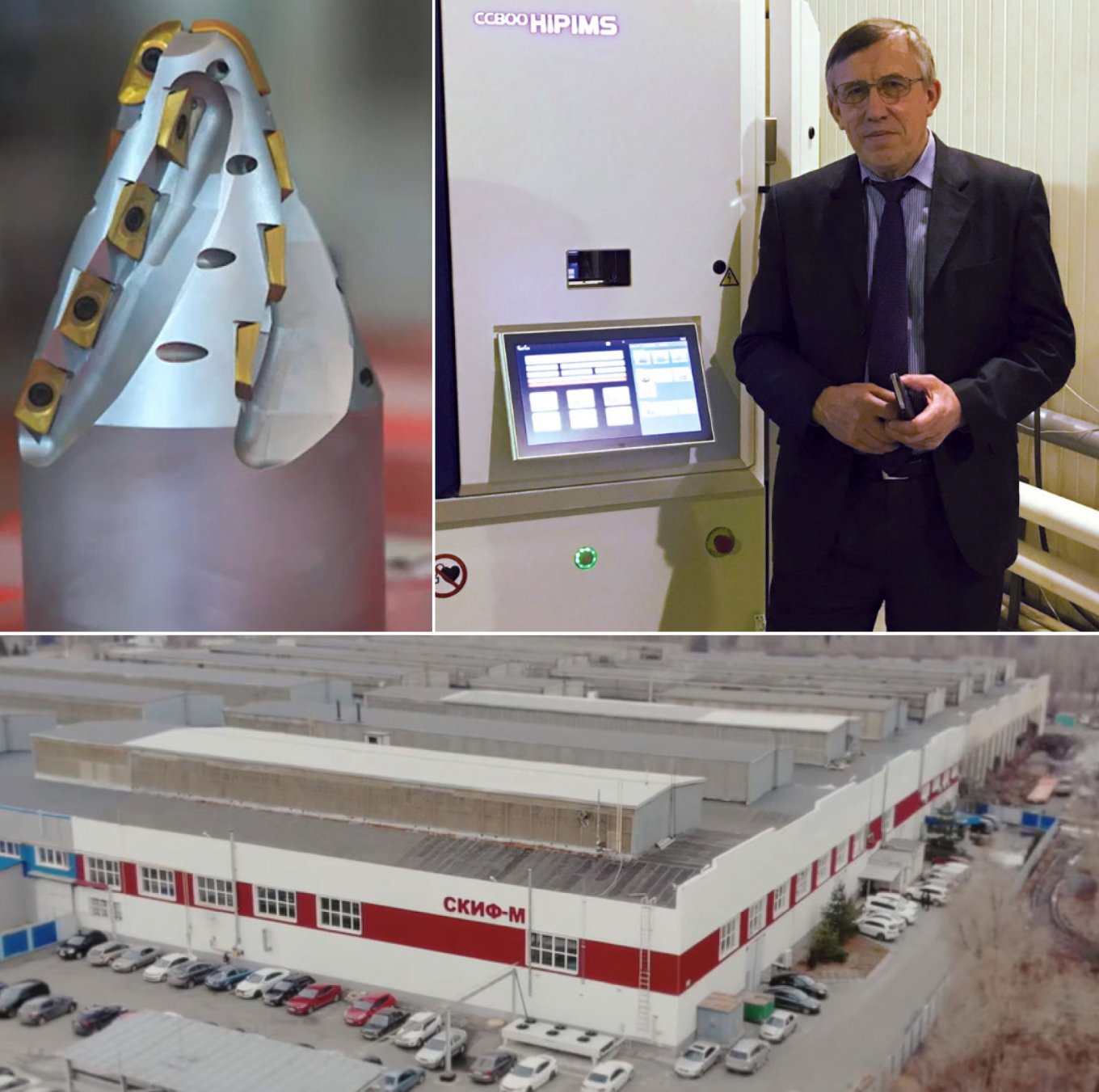
Despite this, the company was not placed on sanctions lists and continued to import Western equipment, for example the CC800 HiPIMS system from German firm Cemecon, which is used to coat tools with titanium boride. Because Skif-M was not sanctioned, it continued importing key components and precision machine tools at a rate of roughly USD 7.6 million per year.
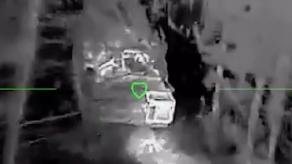
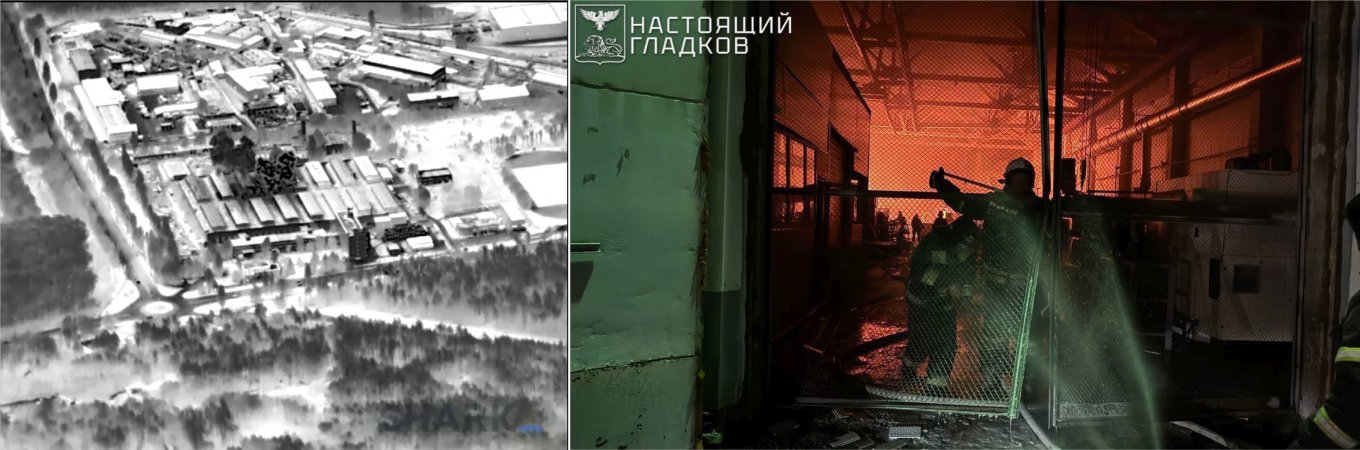
Where sanctions failed, Ukrainian drones reportedly succeeded. At the end of September 2025, Ukrainian Defense Forces reportedly carried out a successful strike on that facility.
RUSI flags other critical suppliers that merit attention, such as OOO Kulon in Saint Petersburg, a producer of ceramic capacitors that imports complete assemblies with relative ease.
The report also emphasises the value of targeting European subsidiaries of russian firms. One example is Ruspolymet GmbH in Düsseldorf, which exports metallurgical equipment and specialised military-grade alloys (such as Inconel 625) to its parent company in russia, sometimes disguised as scrap metal.
For Ukrainian strike planners, the supplier map will be familiar. Sites already struck include Electrodetal in Karachev, Bryansk region (attacked by Neptune missiles), Signal in Stavropol, and Aviaavtomatika in Kursk.
For Ukraine, attacks on such component suppliers remain the only feasible option in many cases, because Sukhoi's main assembly plants are far to the east, in Novosibirsk, Irkutsk and Komsomolsk-on-Amur.
Read more: Ukraine Strikes Key russian Petrochemical and Ammunition Facilities