


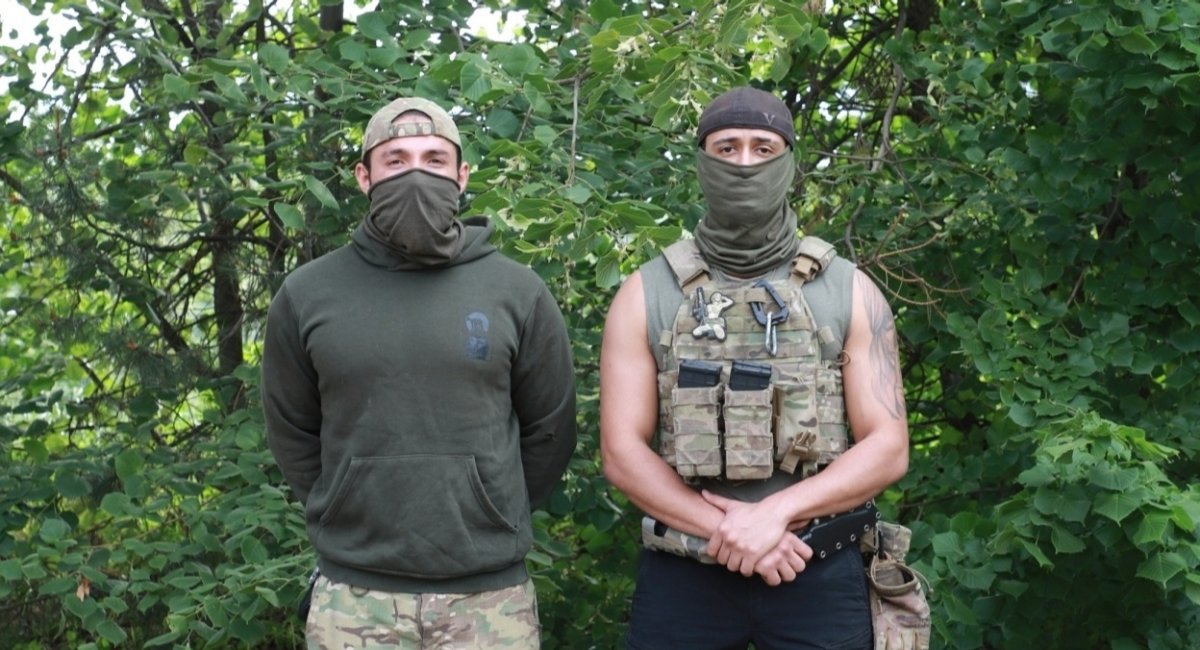
Their warrior-like presence is no coincidence. This is not their first war. Long before Ukraine, they had learned what it means to fight—in jungles, in cities, against enemies that look very different from the ones they face now.
Yet in the ranks of the drone unit of the 3rd International Legion for the Defence of Ukraine, their skills have been reshaped for a war where technology decides everything.
Read more: JEWELER: We Must Keep Fighting — For Those Who Fell
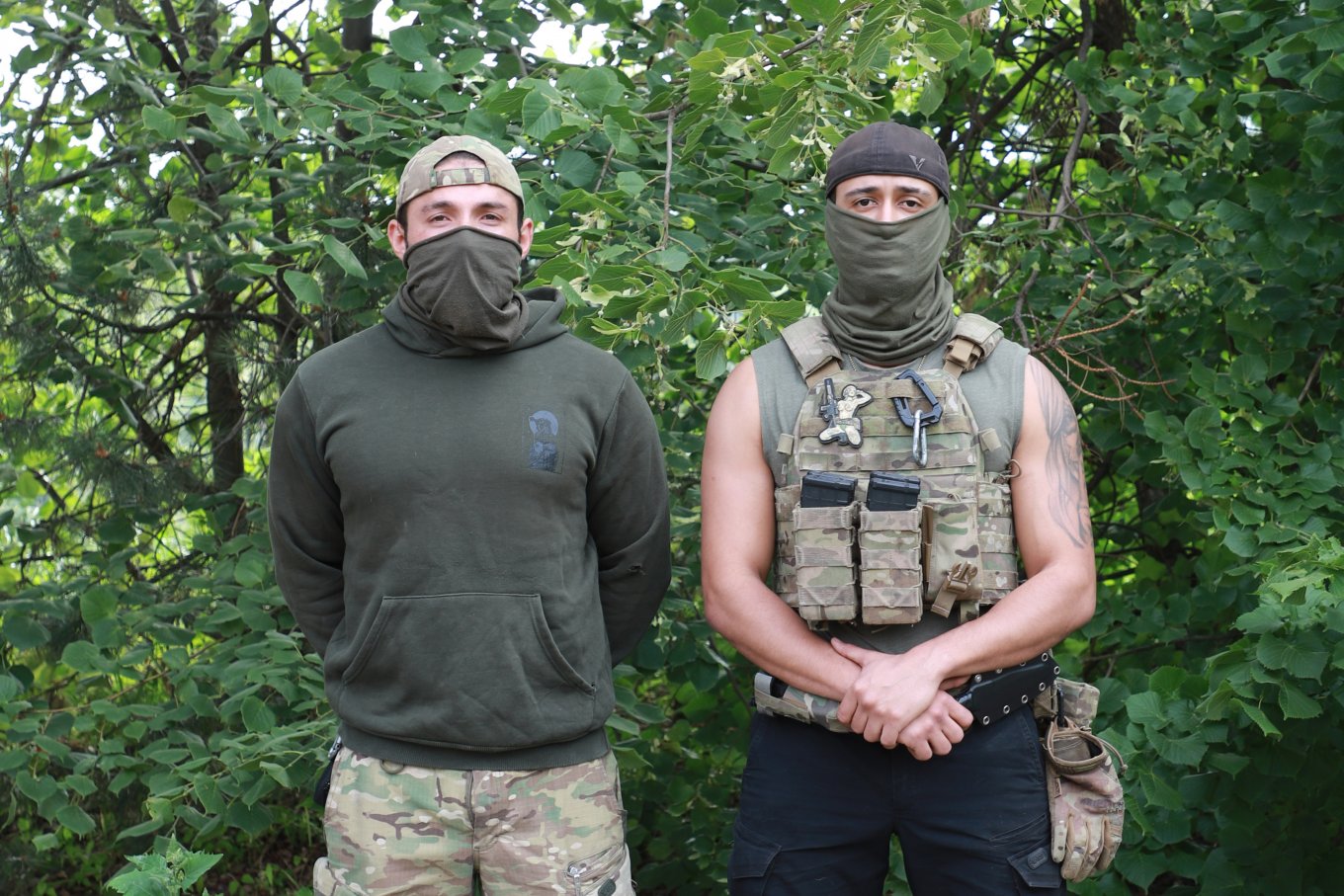
Oscar: I’m 29 years old, and I’ve been in the military for 11 years. After I served in the Brazilian Army, I joined the French Foreign Legion. In Brazil, I served in the Marine Corps. I was trained for combat in urban environments and jungles.
Xedes: I’m 30 years old. I’ve served for about six and a half years in Colombia and Ukraine. In Colombia, combat takes place in mountainous terrain and jungles. I had several specialties: sniper, combat medic, and sapper. Here, I’ve been in Avdiivka, Hlyboke, and Kupiansk.
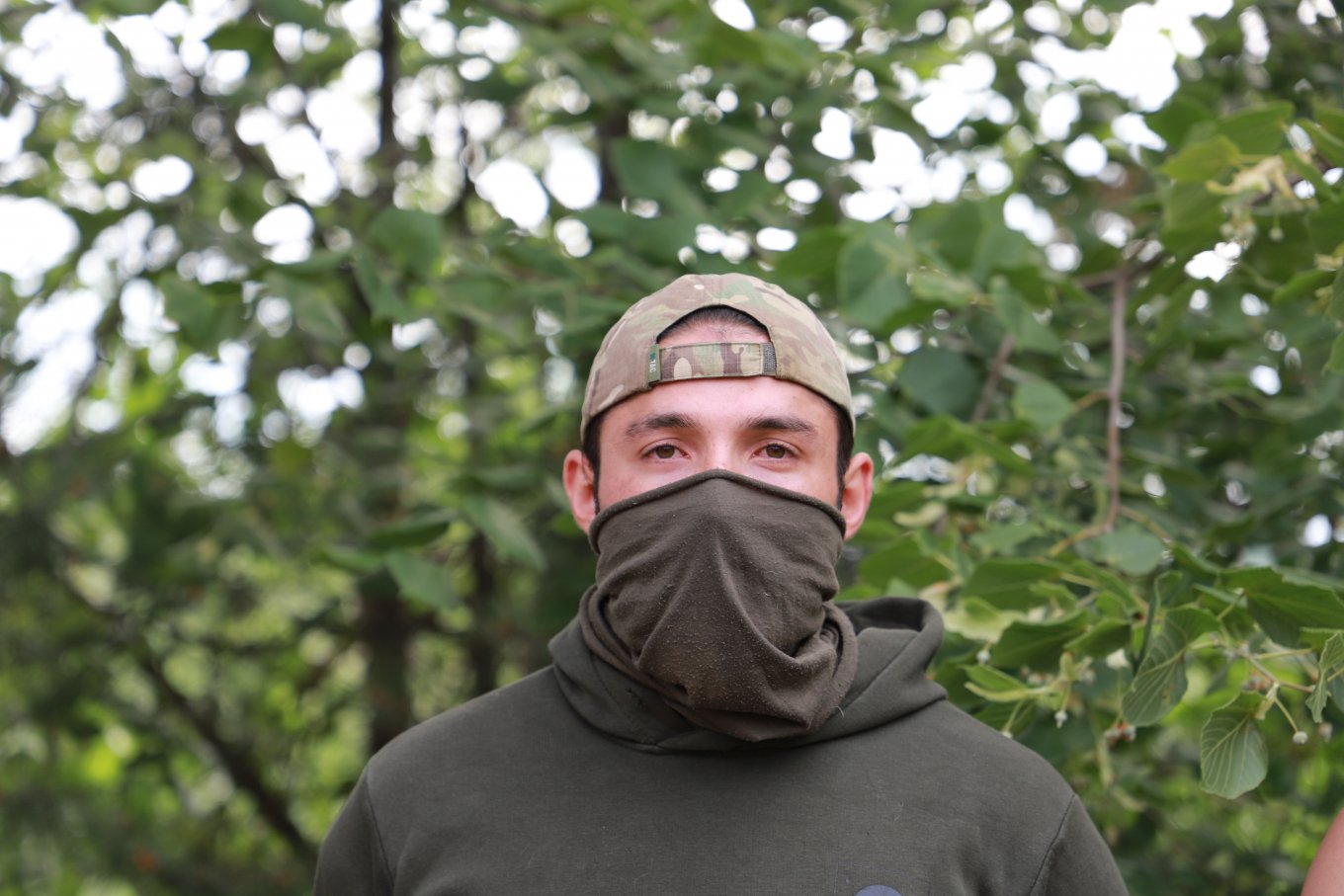
Both Oscar and Xedes acknowledge that the combat they experienced back home bears little resemblance to the war they encountered in Ukraine. There, they dealt with localized threats and irregular warfare. Here, they found themselves in the middle of a full-scale war—where the battlefield is shaped by drones, long-range firepower, and a relentless, industrial pace of fighting.
Xedes: Compared to Colombia, the war in Ukraine has a completely different form. New technologies and drones have a major impact on how battles are fought. The difference is that in Colombia, we fight drug trafficking and terrorism – internal issues of the country. In Ukraine, this is a war against another state, against invaders – and the difference is significant.
Oscar’s path took an additional turn. In the French Foreign Legion, he stood on the other side of experience – as an instructor. His role was to train recruits in basic skills: shooting, taking firing positions, and working with mines. Oscar is sure:that experience has helped him a lot in Ukraine.
Oscar: The biggest difference in this war is the use of drones and other technologies. I had combat experience in Rio de Janeiro and in jungle operations against drug traffickers. In Brazil, we fight drug traffickers, so the training is tailored to that. But here, in the International Legion, we prepare for real combat, for a real war. It’s a bit harder, but that’s how soldiers are trained in any army.
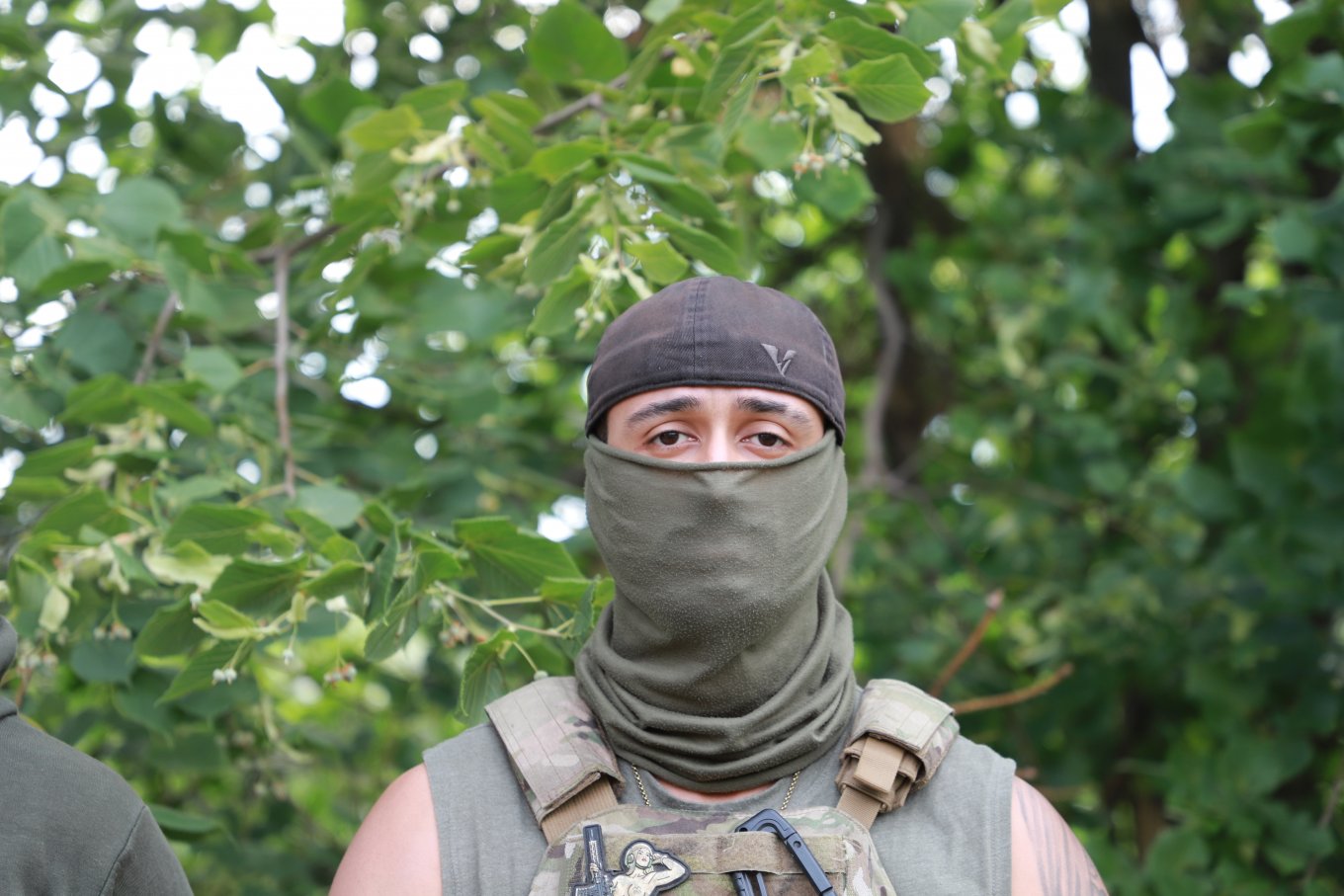
What unites them is more than just their military background. Both carry a genuine urge to help—and a clear sense that evil cannot go unanswered. It must be stopped. That belief is what pushed Xedes to cross the ocean and Oscar – leave The French Foreign Legion behind and step onto the battlefields of the largest war in Europe since the Second World War.
Oscar: The main motivation is to help people. When I was in the French Foreign Legion, I saw how Russians attacked villages and cities, kidnapped children, and raped women. My motivation is to help this country, because Russians are doing evil. So I came here to try to help, even if only a little.
Xedes: The main motivation is to fight for those who cannot defend themselves. All these attacks on civilians – Ukrainian women and children happening every day – fill me with anger. I would never want my family to go through this. That’s why my motivation is to fight for those who cannot fight back.
Learn more about the Legionnaires of the Free World – and how to join the brave – on the official website.
Text: Dmytro Tolkachov
Photo, video: Volodymyr Patola, Oleksandr Los
Editing: Oleksandr Bekker
Read more: Brazilian Volunteer Tells How Ukrainian Armed Forces Resists russian Invaders