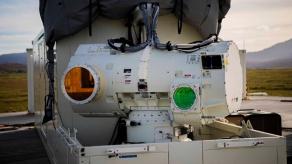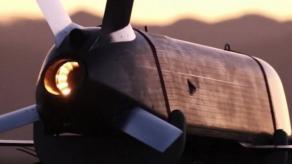




American defense company Lockheed Martin announced a contract under the Foreign Military Sales (FMS) program for the production of IRST21 (Infrared Search and Track) passive infrared detection systems, which will be installed in the podded Legion-ES configuration.
The contract covers the delivery of 55 systems, with a total value estimated at $328.5 million. This corresponds to an approximate unit cost of $5.97 million per IRST21 Legion-ES system.
Read more: What Significant Problem Helped Lockheed Martin Deliver a Record Number of F-35s in 2025
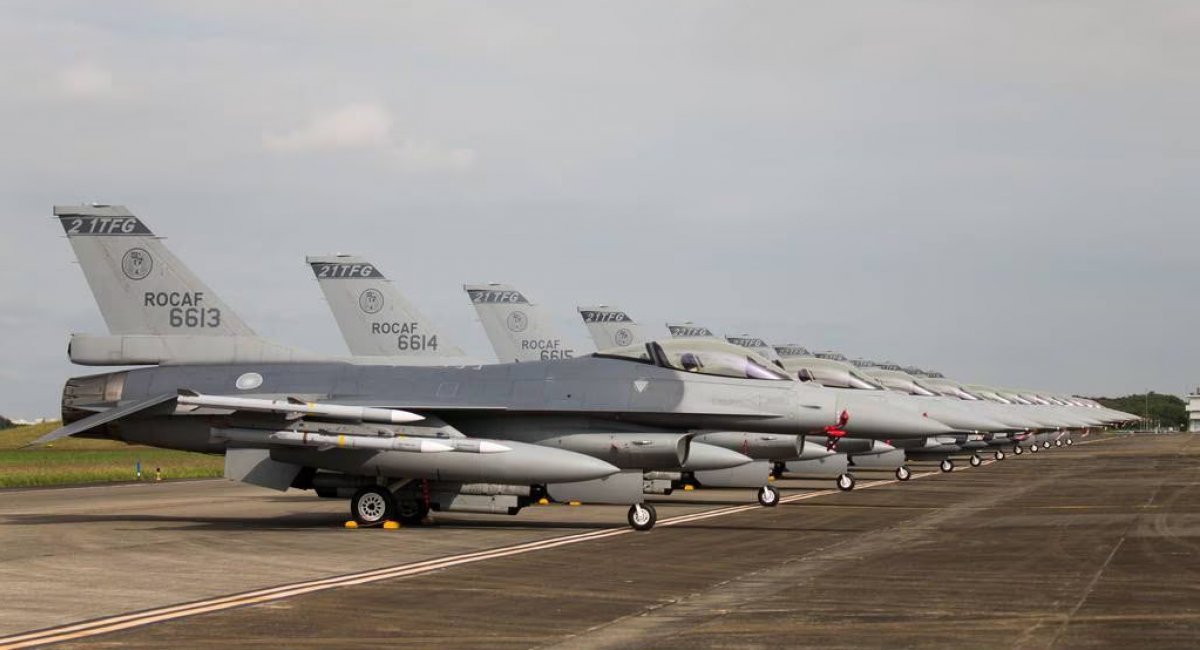
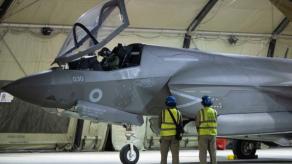
While Taiwan is not the first country to operate the IRST21, it will be the first to receive it in the podded Legion-ES format. Completion of the contract is scheduled for June 30, 2030. These systems are planned for installation on Taiwan's F-16 Block 72 fighters, which were upgraded from Block 20 under a 2012 contract covering 139 aircraft.
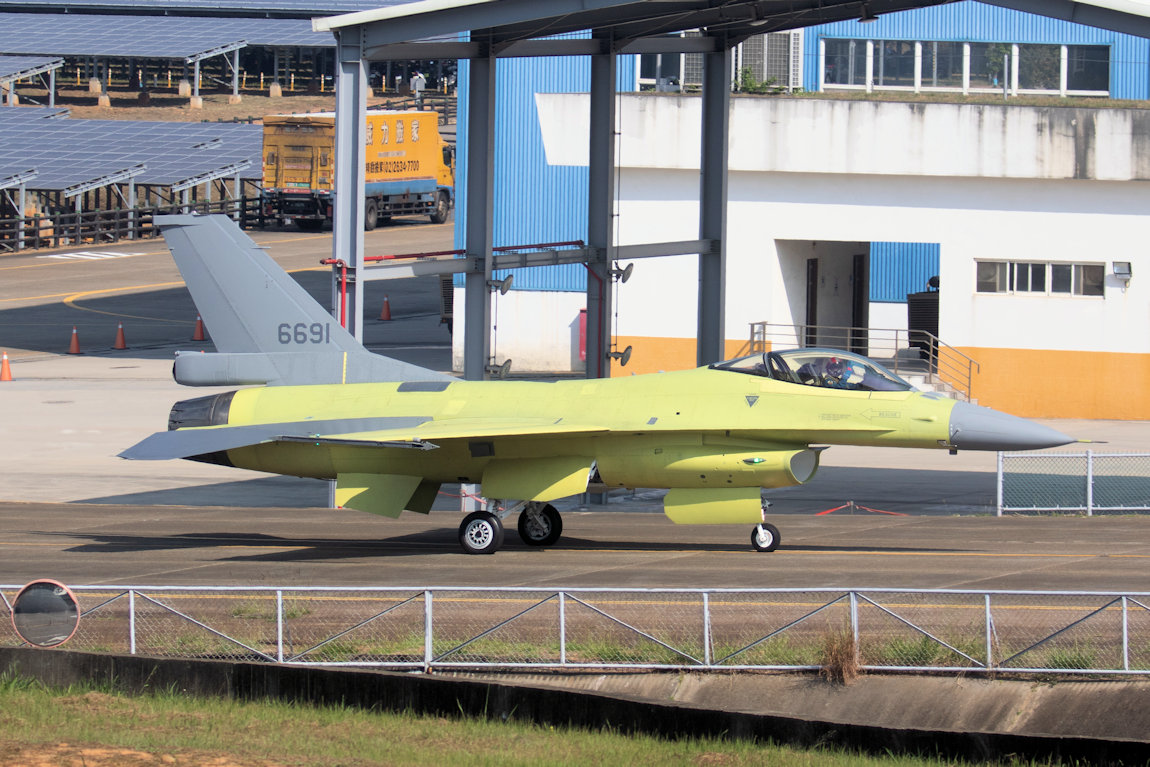
The IRST21 Legion-ES enables F-16s to detect and track even low-observable air targets in passive mode, such as stealth aircraft or UAVs made from radar-transparent materials — all without emitting radar signals. Essentially, it functions as a high-resolution infrared camera.
This capability is valuable not only for detecting air targets while remaining undetected but also in environments where enemy electronic warfare systems could interfere with onboard radar operations.
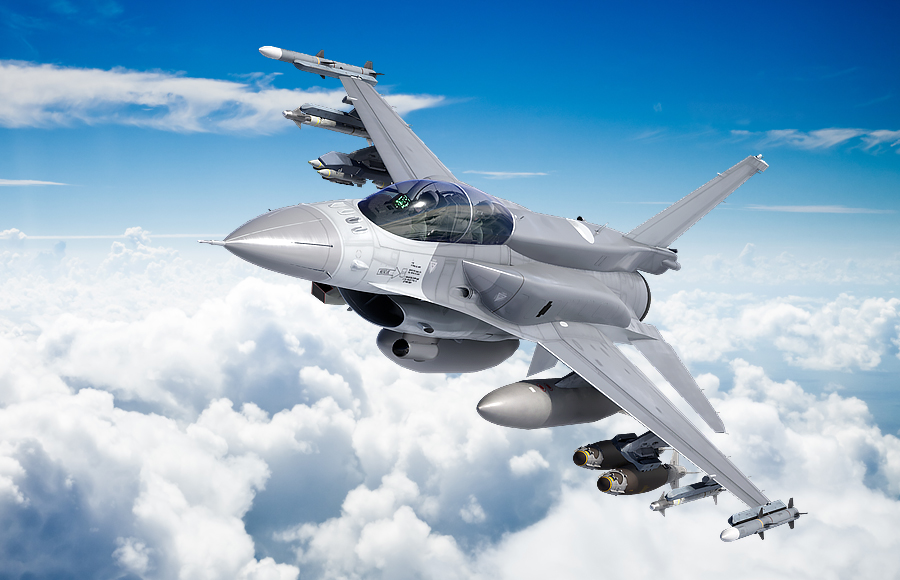
Under normal conditions, the fighter's onboard computer fuses data from both the IRST21 and the onboard radar, producing a clearer battlefield picture for the pilot.
For Taiwan, this is particularly important given China's fleet of stealthy J-20 fighters, numerous UAVs, and extensive electronic warfare assets. Equipping Taiwan's F-16s with IRST21 Legion-ES will significantly enhance their combat effectiveness.
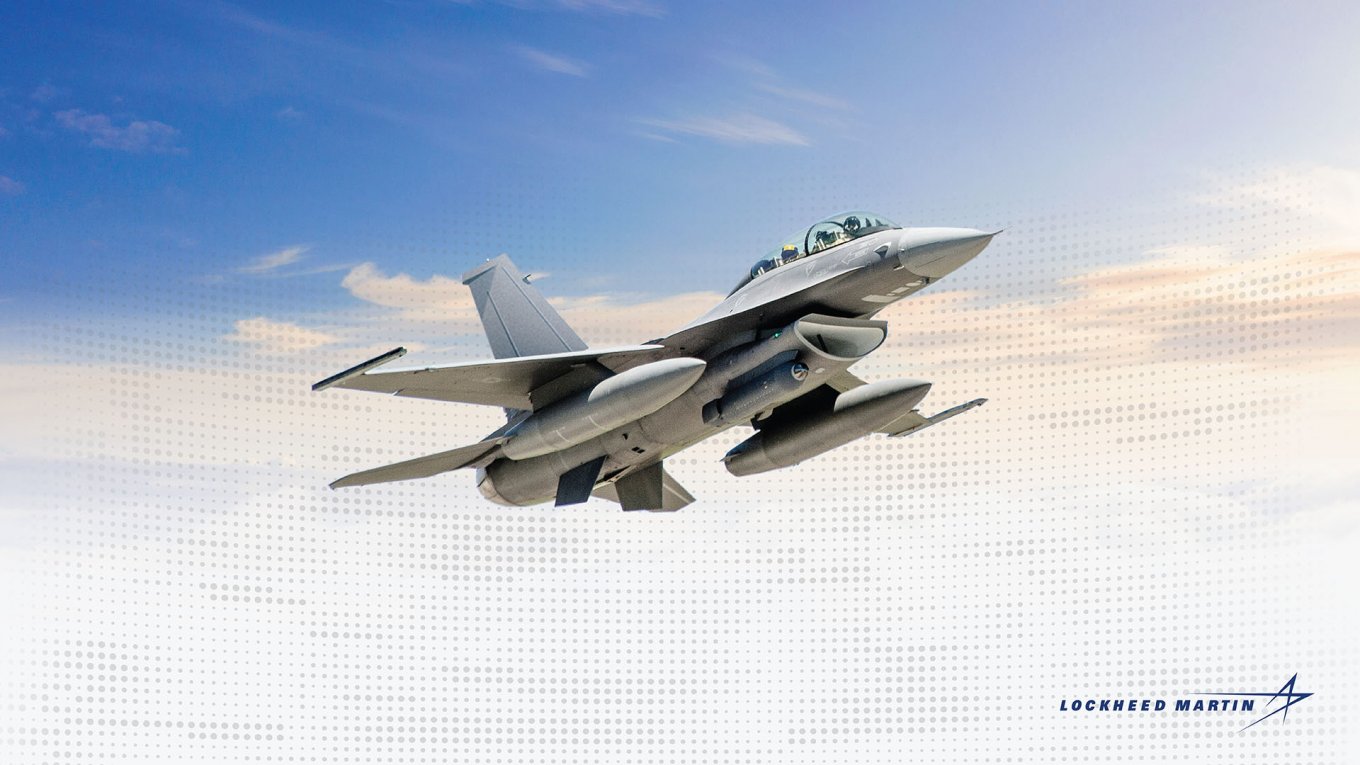
For Ukraine, such systems could also be relevant for future F-16s, especially to counter low-observable drones. However, Ukraine's current F-16 fleet would likely first need upgrades to the latest configurations.
Such modernization would require substantial investment and several years to complete, followed by the delivery of the systems themselves. Therefore, at present, acquiring IRST21 Legion-ES may not be cost-effective for Ukraine, particularly in light of planned purchases of 250 new JAS-39 Gripen and Rafale fighters, which already represent a major financial commitment.
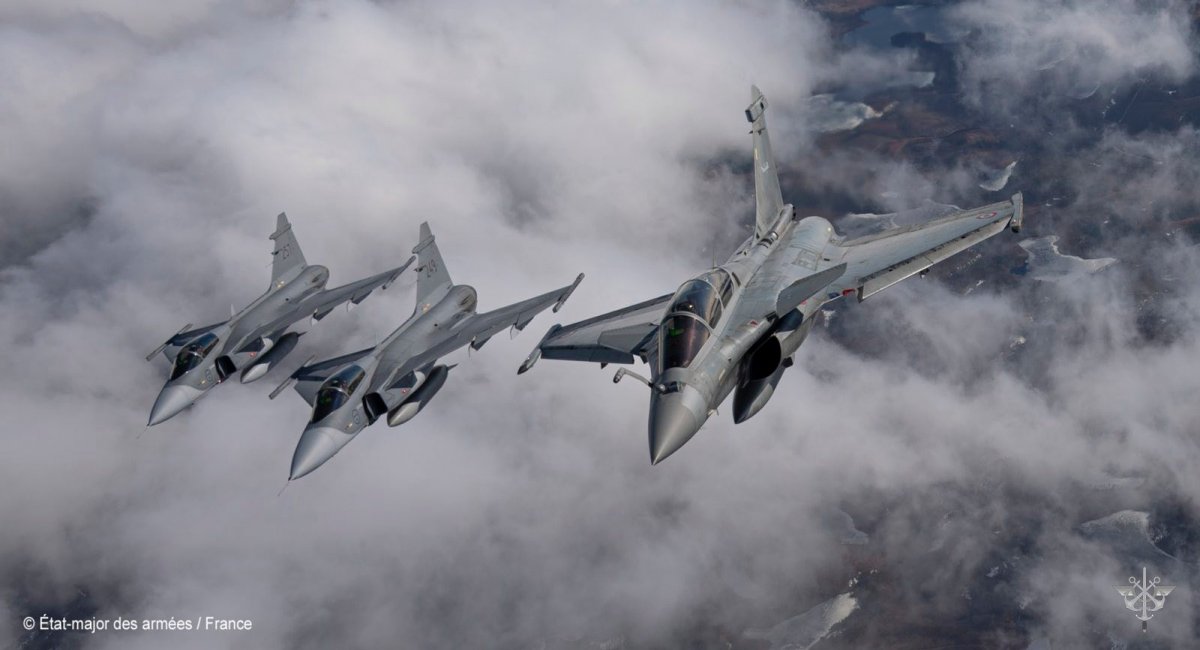
It should be noted that the JAS-39E/F Gripen already features a built-in passive infrared detection system, while the Rafale is equipped with a multispectral optronic targeting system that includes an infrared sensor.
Read more: Lockheed Martin Plans Massive Surge in Patriot PAC-3 MSE Production to 2,000 Missiles a Year