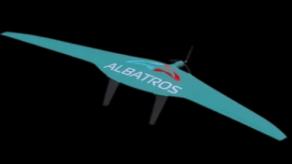




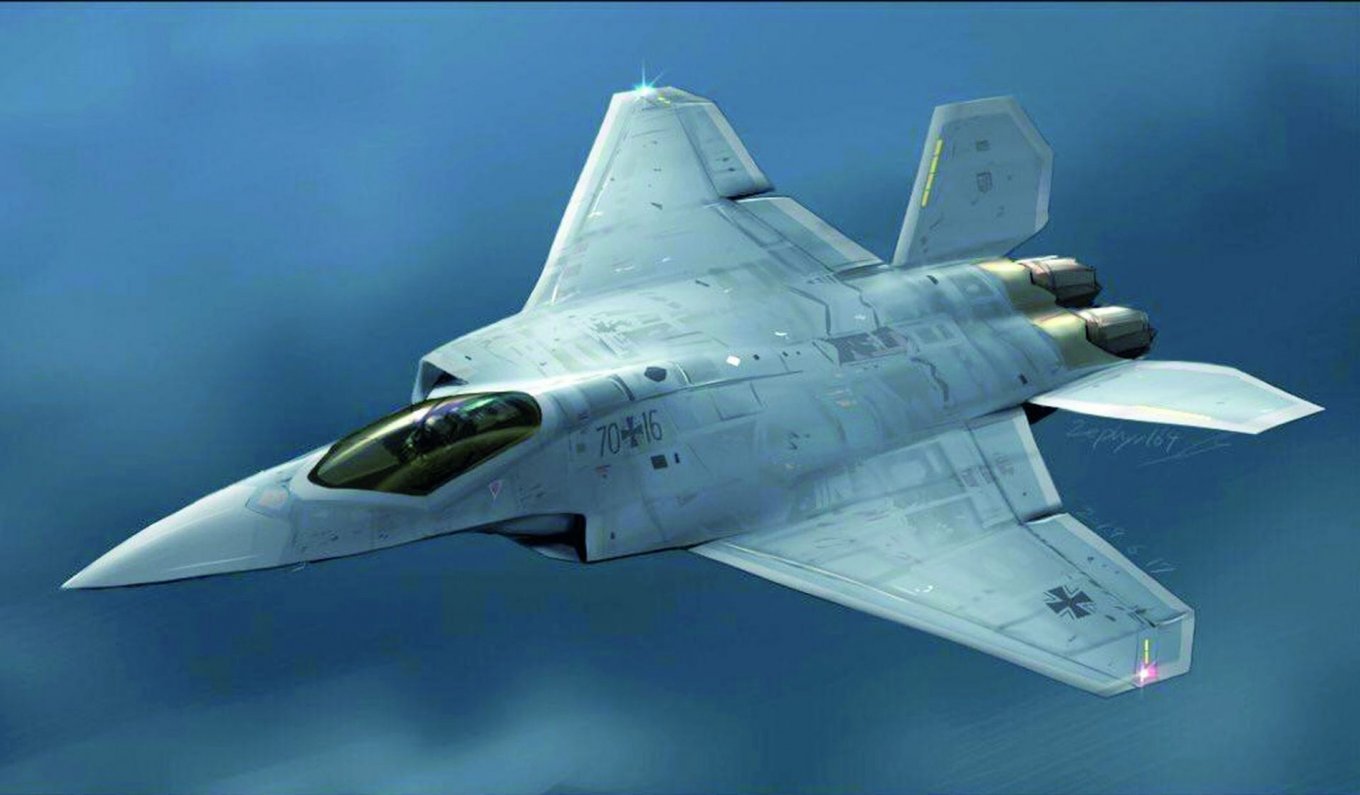
Taking into account the heap of problems cooperating with France, Germany has soberly assessed the prospects of the sixth-generation FCAS aircraft project. And they’ve transformed it into a program for jointly uniting European unmanned fighters like Collaborative Combat Aircraft (CCA) into a "battle cloud."
As Defense Archives writes, this concerns the Combat Fighter System Nucleus (CFSN), which is now viewed not as additional work, but as a continuation of what was started with the French. This involves creating a battle cloud storage and an entire family of combat UAVs from Europe.
Read more: New Missile, Launcher, and Transport-Launch Containers Unveiled in First Long Neptune Launch Video
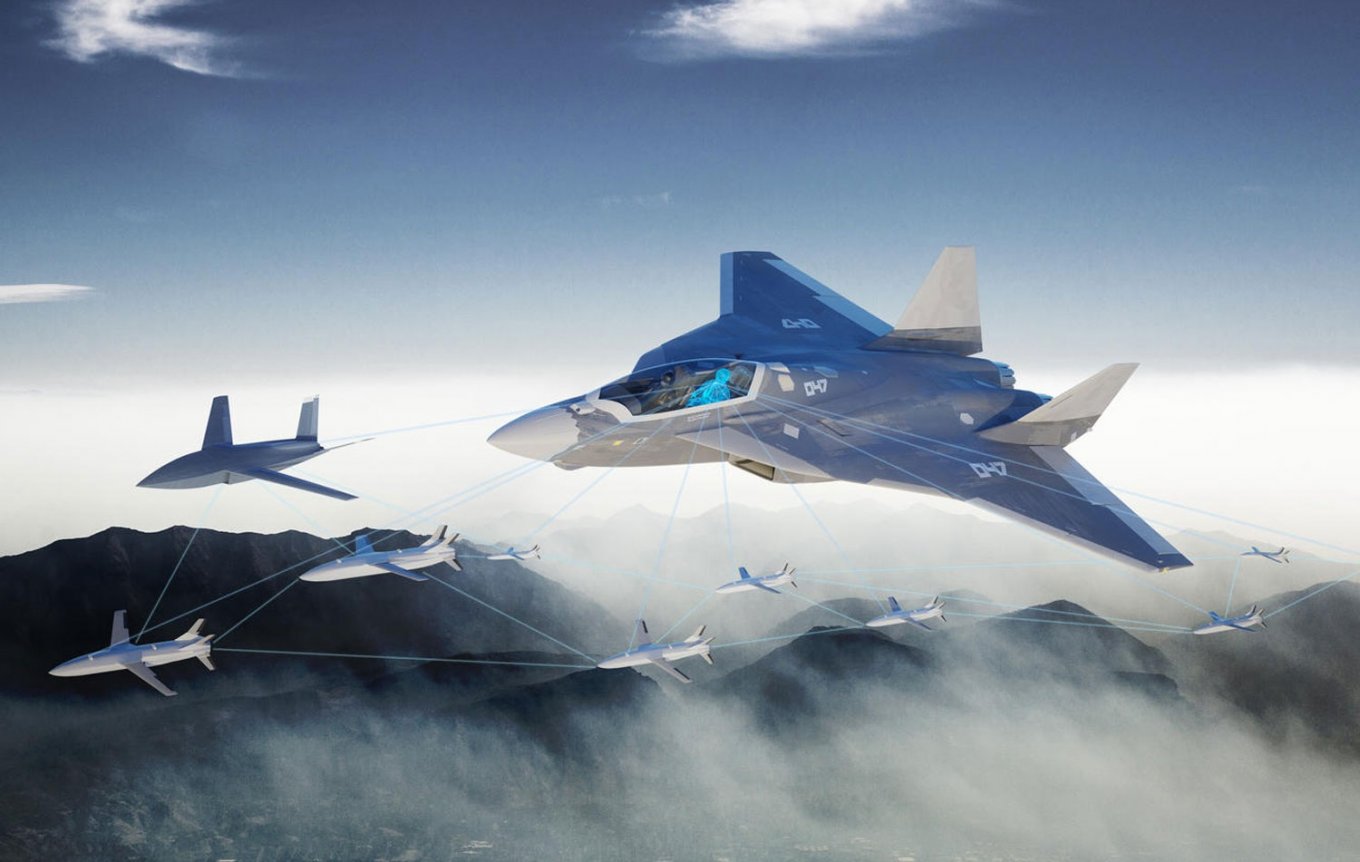
Several stages are planned, with the first deploying national cloud infrastructure for combat aviation. This will serve as a base for further project scaling.
The second stage will be creating two unmanned aircraft. One will weigh 4-5 tons and be intended for reconnaissance and EW tasks, meaning fighting air defense. The other will weigh 10 tons and will be capable of both striking ground targets and conducting air combat. Prototype delivery for testing is expected in 2029.
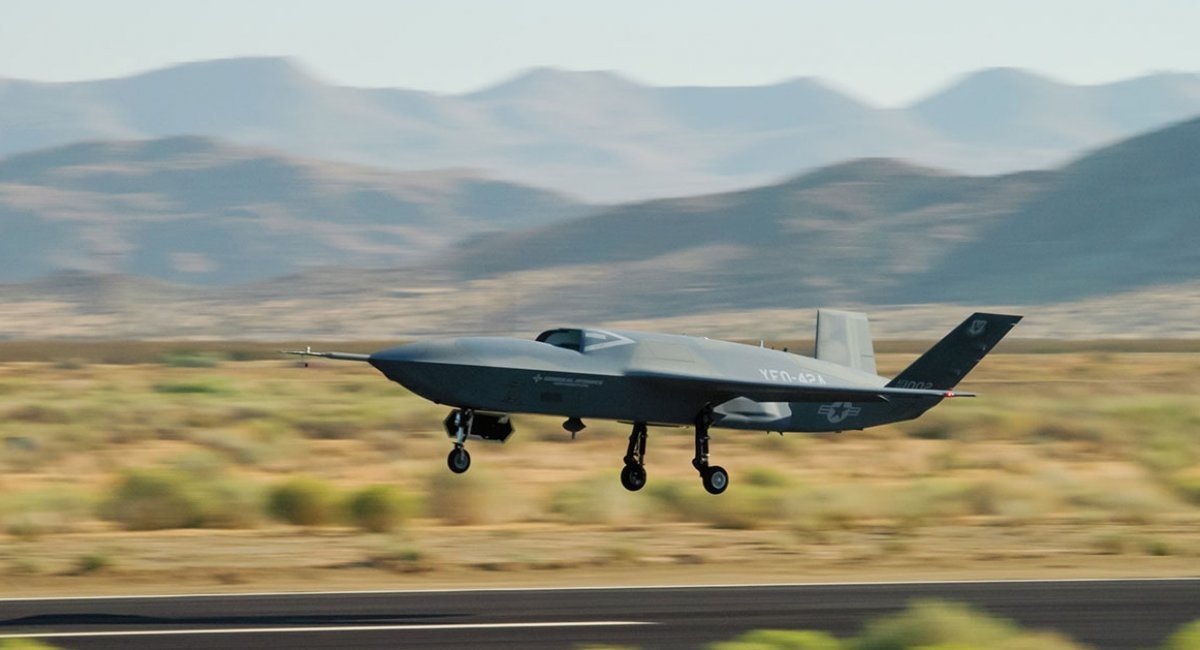
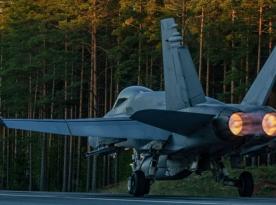
Then the plan is to integrate existing combat aircraft into the system, such as the Eurofighter Typhoon and F-35A. The final stage is creating a new fighter with potential cooperation with Sweden and Spain.
In parallel, contacts will be maintained with another sixth-generation project GCAP from the United Kingdom, Japan and Italy, to ensure the ability to work jointly with their systems. This could help with the universality that the British want to see in their development.
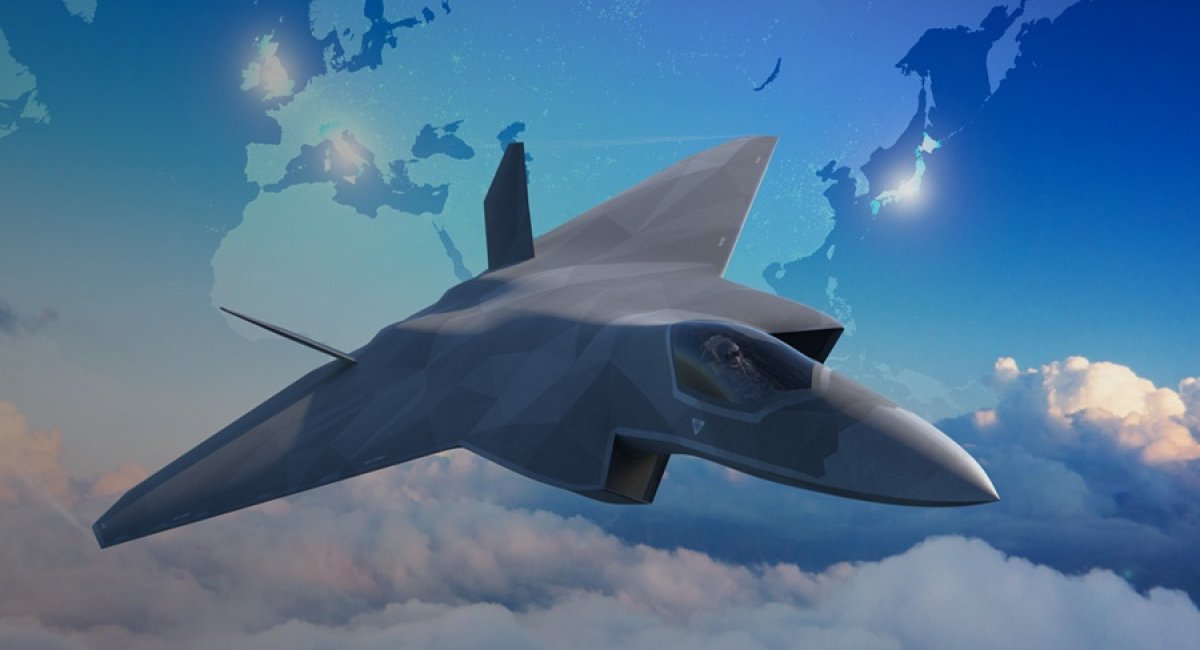
Overall, this change of approach in Germany is caused by the fragmentation of FCAS component development from joint work to national efforts. So thanks to the new perspective, they supposedly will be able to adjust their own expectations to others' desires.
Defense Express adds that at first glance it looks like everything is correct and allows both independently filling the capability gap and saving what's possible from the joint project. However, the question remains whether the Germans are capable of independently creating a wingman UAV.
Also, a good question regarding industry remains the engine issue, which Germany, or even Spain or Sweden, cannot make independently something the French actively exploit. However, theres always the option of purchasing a foreign analogue, which would put development in additional dependence.
It turns out that FCAS participants are indeed preparing to part ways and each pursue their own developments, despite attempts by French official representatives to dismiss everything as exaggeration. The only question remaining is how successful the separate projects will prove and whether everything will end with purchasing an American alternative.
Read more: Uncertainty Surrounds Whether Germany Ever Funded HX-2 "Lancet-Style" Drones for Ukraine