


Development of the sixth-generation FCAS fighter by France, Germany, and Spain is moving to a new level, but not of development of scandal.
After mutual finger-pointing between Dassault and Airbus about who should go where, France has again reminded that only they can create a fighter independently and pointed to a very important FCAS subproject engine development.
Read more: Rheinmetall Pivots: KF51 Panther Tank Rejected by Ukraine Now Being Offered to Romania
This aspect was discussed by French Defense Minister Sébastien Lecornu in an interview with Europe 1, who unequivocally stated that Germany currently lacks the capacity to produce a fighter. And for the first time throughout the entire dispute, he introduced the engine question into the conflict.
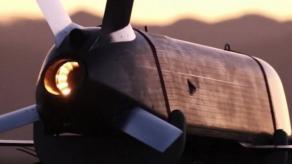
The fact is that the FCAS fighter is supposed to fly with an engine to be developed by EUMET (EUropean Military Engine Team) a joint venture between French Safran, German MTU Aero Engines, and Spanish ITP Aero. The EUMET cooperation structure looks as follows:
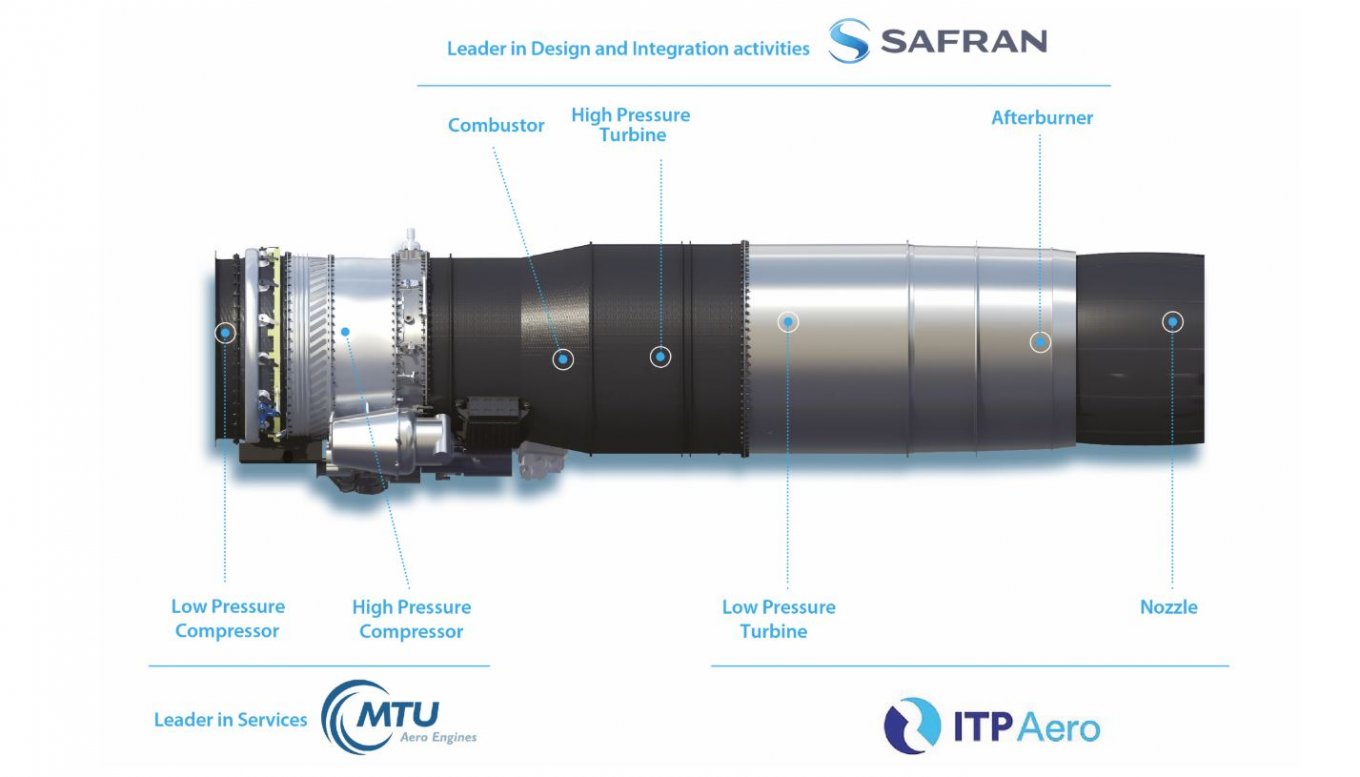
And according to Sébastien Lecornu, the dispute around FCAS also raises the question of who will produce it at all. This means a much simpler question who in Germany will be able to develop an engine for any alternative sixth-generation fighter project that the Germans might want to pursue. Because if FCAS development falls apart, the EUMET joint venture may also be finished.
Defense Express can only note that French Safran independently develops and produces engines, thereby ensuring Rafale production sovereignty thanks to its M88. However, MTU Aero Engines and ITP Aero are only co-developers in engine development and production, including the EJ200 for the Eurofighter Typhoon.
And in its creation, at minimum, the first among equals is British Rolls-Royce. And without it, all other participants (which also includes Italian Avio Aero) would hardly have been able to create an engine for a 4+ generation fighter. Let alone an engine for a sixth-generation fighter with approximately 108 kN of thrust and thrust vectoring.
And it turns out that France's position now is as follows if Germany ends its participation in FCAS, then EUMET also ceases to exist. And the Germans are left without an engine at all. This makes their position quite precarious, because a possible "Plan B" in the form of joining Swedish developments doesn't solve the autonomy problem, as the Swedes also dont have their own engine and throughout the jet aviation era have relied on British and later American engines.
Thus, France continues to corner Germany into a zugzwang and is simply twisting their arm. At the same time, Paris has already stated that it can be their way or no way, although they supposedly agree to take not 80% but only 51% of the project with full control rights.
Read more: Thailand Modernizes Its "Royal Yacht" Aircraft Carrier HTMS Chakri Naruebet Gets a New Lease on Life