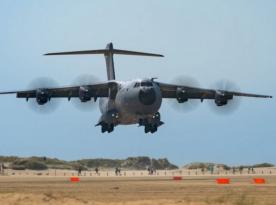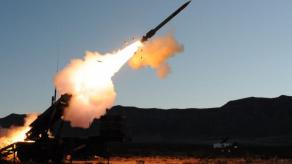

Ukraine and France have signed a declaration on defense-industrial cooperation to strengthen the Ukrainian Armed Forces. According to available information, it includes orders for SAMP/T air-defense systems and Rafale fighters.
Against this backdrop, an important question arises: what capabilities do the French Rafales offer that the Swedish Gripens from Saab cannot provide? Especially considering that Ukraine intends to procure 100–150 Gripens under a localization arrangement.
Read more: Zelensky's France Visit Rafale Fighter Deal Expected But Production Queue Stretches 9 Years Ahead
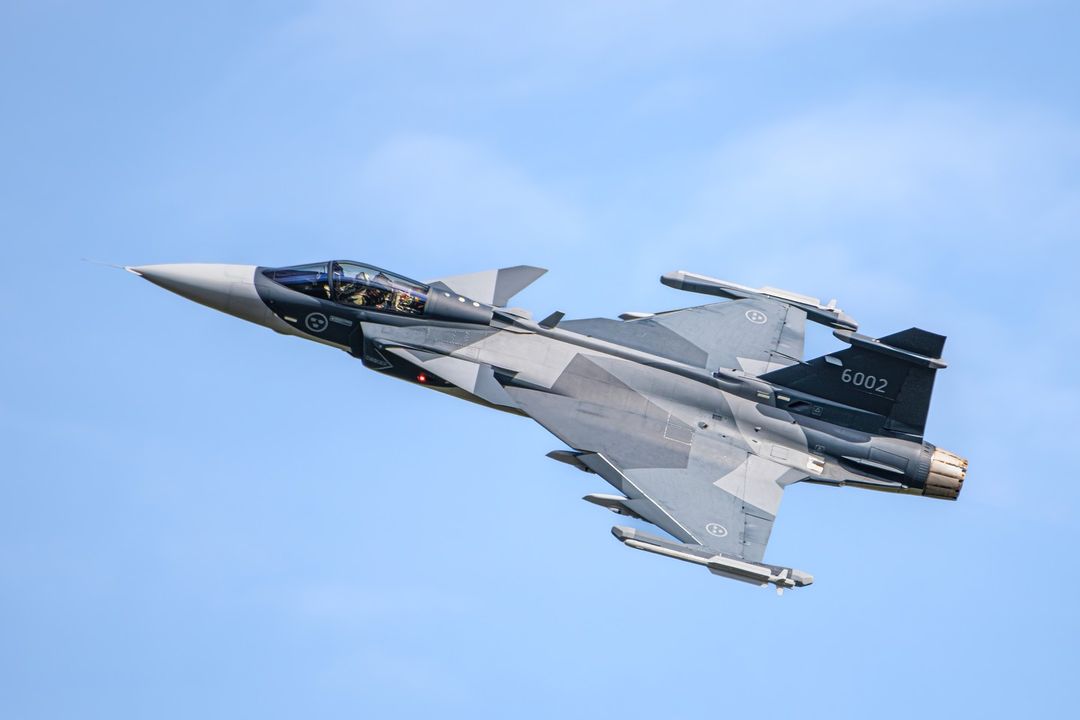
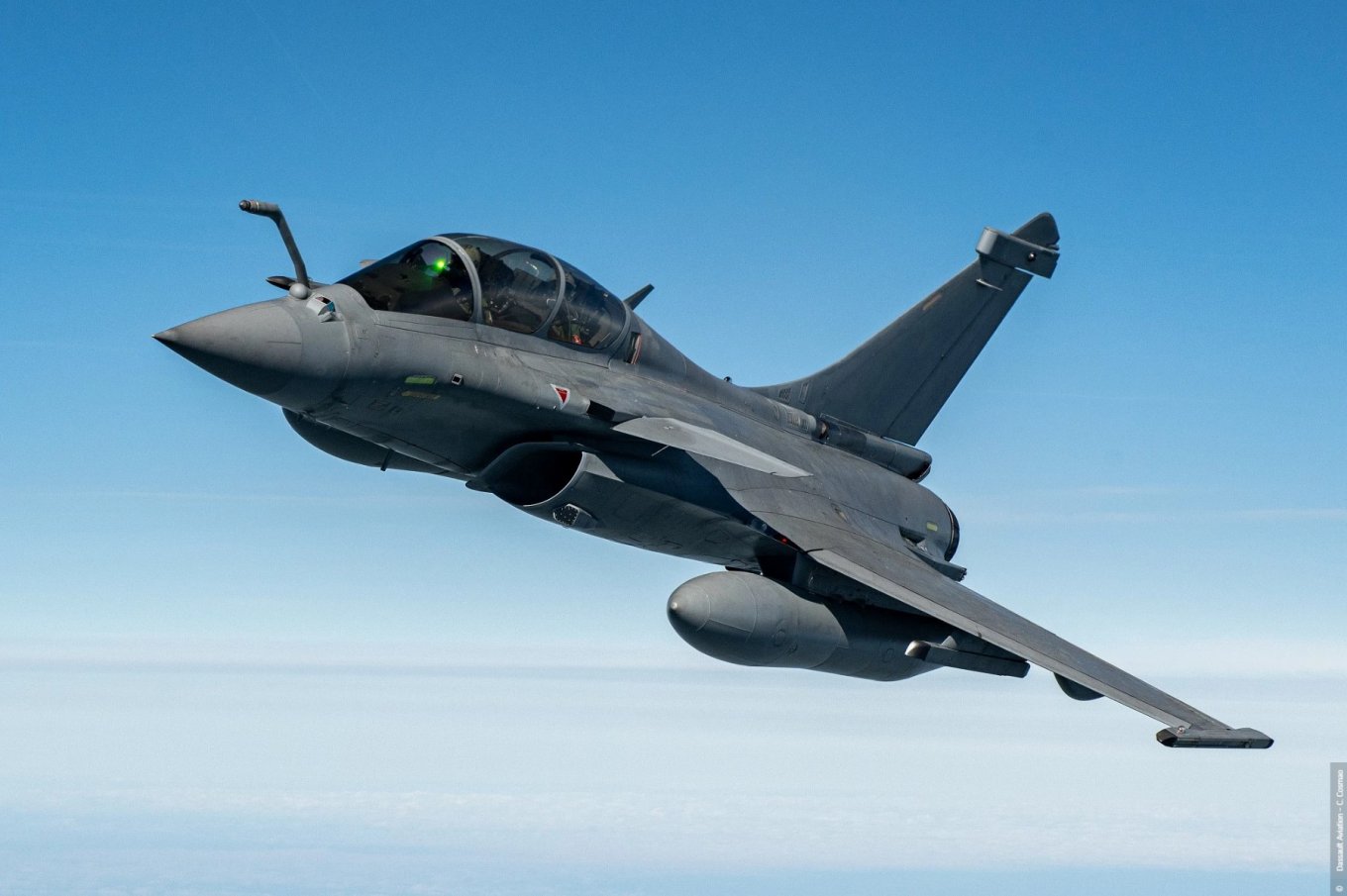
To begin with, both Rafale and Gripen belong to the 4+ generation of fighters. However, the Rafale is a heavy twin-engine aircraft, while the Gripen is a light single-engine platform. Their maximum takeoff weights—24.5 tonnes versus 16.5 tonnes—immediately lead to major differences in real combat performance.
A higher takeoff weight means more internal fuel, greater range, and a larger weapons payload. Two engines offer not only higher reliability but also more thrust to compensate for the increased mass. For example, Rafale's pair of Safran M88 engines generates 150 kN of thrust in afterburner, compared to 98 kN from the Gripen's single F414-GE-39E. This gives Rafale a slightly better thrust-to-weight ratio—along with naturally higher fuel consumption.
Rafale also carries more weapons: 9.5 tonnes across 14 hardpoints, compared to Gripen's 7.2 tonnes across 10 (both jets have five heavy-load stations). As for range, Rafale equipped with external fuel tanks can reach up to 3,700 km. For the Gripen E, available sources mention up to 4,000 km (a plausible figure, given the Gripen C's stated range of over 3,000 km). Both aircraft support air-to-air refueling.
However, raw flight performance is only part of the equation. Electronic systems are equally decisive. Rafale uses the Thales RBE2-AA radar, while Gripen E employs the Leonardo Raven ES-05. Both are modern AESA radars operating in the X-band. Detailed detection ranges and other classified parameters, however, remain undisclosed.
Likewise, open sources do not allow a meaningful comparison of their electronic warfare suites. Their true radar cross-section values are also secret. Both Dassault and Saab have invested heavily in reducing radar signature, and both jets share comparable aerodynamic shaping. These areas together form a substantial portion of a fighter's real combat capability.
In terms of weapons integration, Rafale and Gripen are broadly similar: both carry a wide array of air-to-air, air-to-surface, and anti-ship weapons, including the Meteor long-range missile.
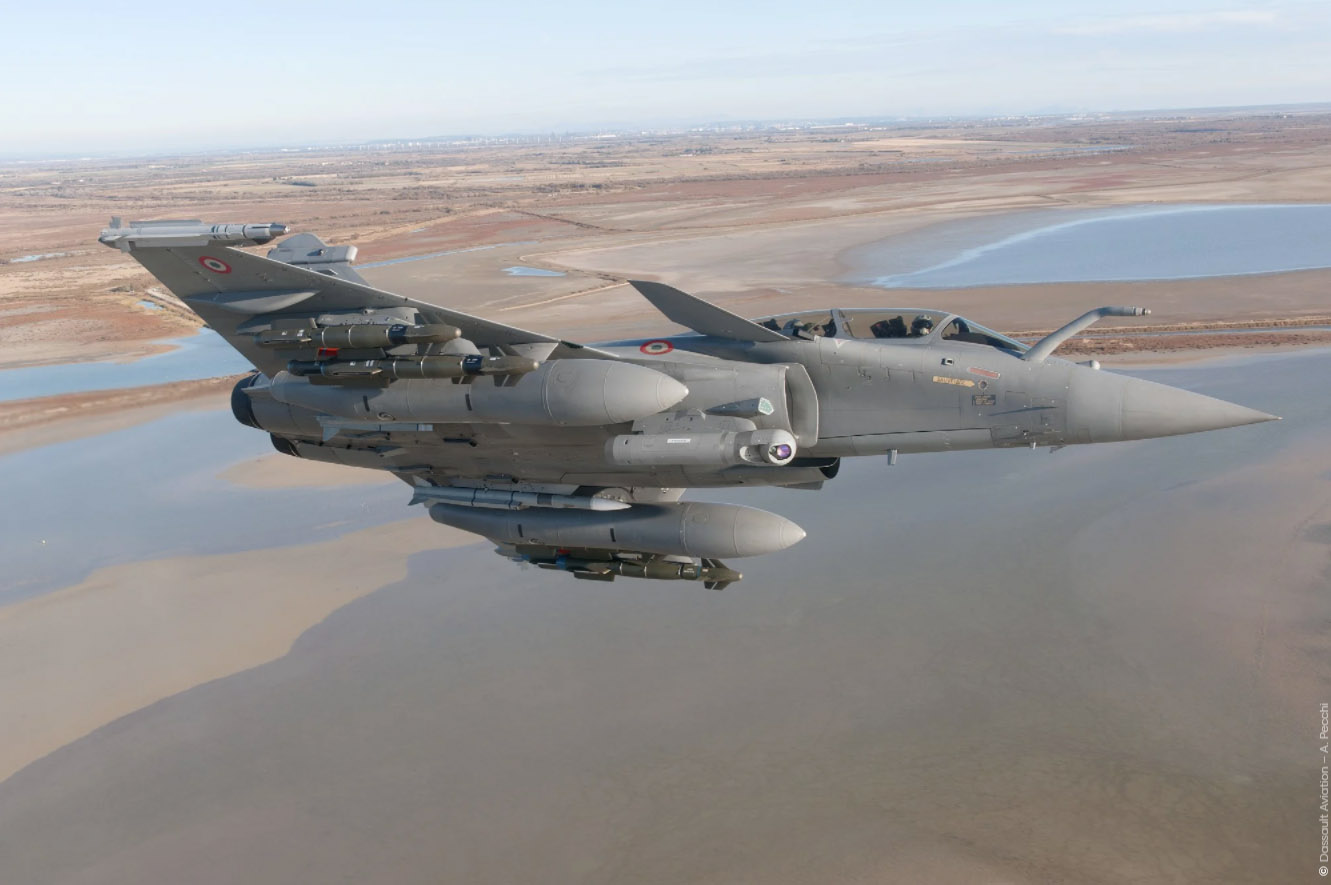
However, Gripen is far more "open-architecture." Saab can integrate almost any weapon a customer requests. Beyond Meteor, Gripen can employ AIM-120 AMRAAM, AIM-9, and IRIS-T. Rafale, by contrast, is tied almost exclusively to European MBDA munitions. In terms of weapons flexibility, especially long-range and short-range air-to-air missiles, Gripen offers a wider envelope.
Rafale is also objectively more expensive to buy and operate than Gripen, which remains the most affordable 4+-generation fighter. Gripen additionally requires shorter, less demanding runways and simpler maintenance—an advantage long associated with Swedish fighter design.
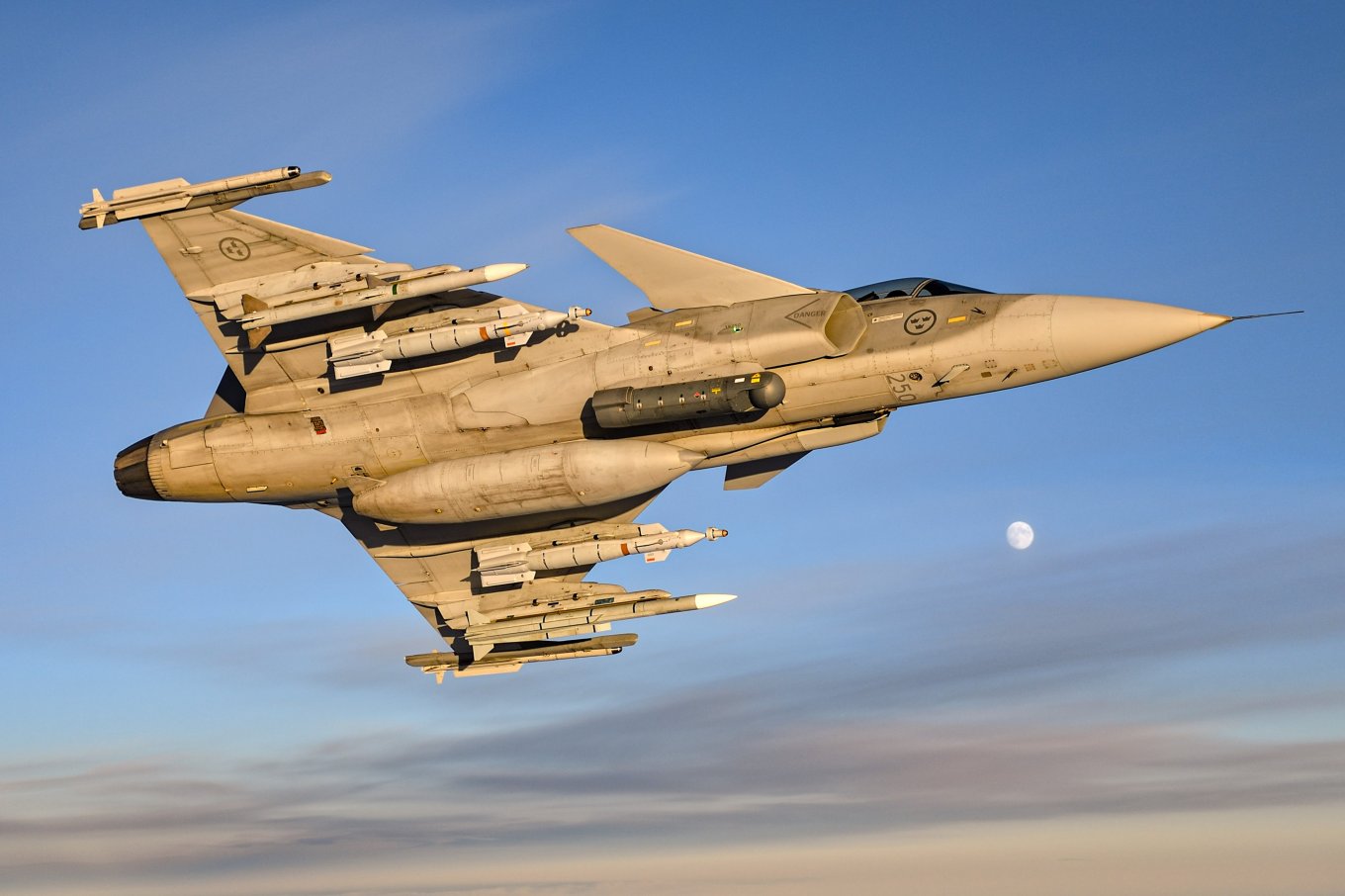
Whether Rafale's somewhat broader combat capabilities justify its significantly higher procurement and operating costs compared to Gripen is a complex question. One can only hope that the right conclusions were reached before negotiations for the French jets began.
Ultimately, this comparison may be irrelevant if Ukraine is considering only used Rafales available for rapid delivery. In that case, their acquisition would be situational—an urgent reinforcement rather than a long-term structural choice.
Read more: Who Localized the Rafale Fighters, How It Was Done, and What Ukraine Can Expect