U.S. and Israeli air operation against iran has certain chances of escalating into full-scale war with a ground operation.
Currently this is only one scenario variant that U.S. President Donald Trump has not ruled out. At the same time, even the possible ground operation scope remains unknown.
Read more: UK's AW149 Delivery Timeline Stretches to 2033 for Just 23 Helicopters — But Localization Makes It Worth Wait
Specifically, discussions have mentioned very possible limited actions against specific targets. Particularly for guaranteed destruction of enriched uranium stockpiles. This would then involve limited special forces and an operation somewhat similar to the Maduro kidnapping.
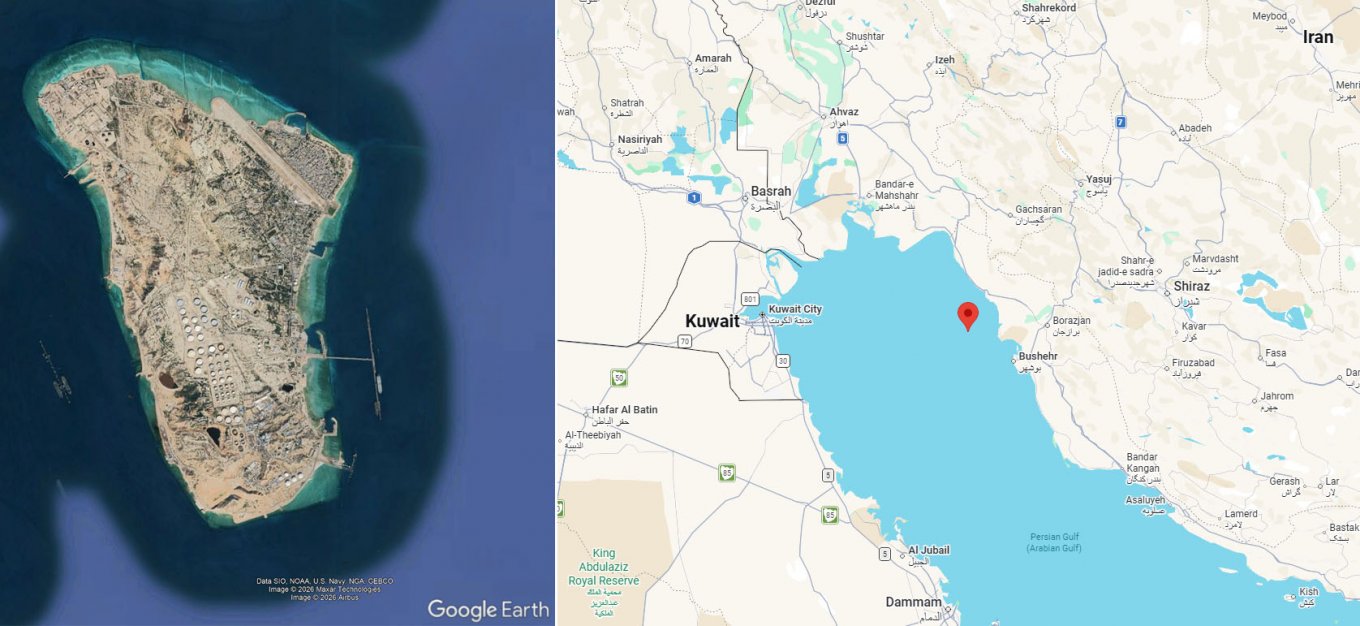
The possibility of the U.S. conducting an amphibious operation and capturing Kharg Island, through which almost all iranian oil exports are conducted, has been discussed. Capturing and holding this 8 by 4 km island in the Persian Gulf also would not require significant forces.
Especially compared to a full ground operation, which could aim not for total control over the entire 1.6 million km² country (for understanding iran is 2.7 times larger than Ukraine), but only its key objects: capital, largest cities, industrial centers, oil fields, and so on. Even with total air superiority, one must count on possible resistance from remnants of iranian armed forces and islamic Revolutionary Guard Corps.
Specifically according to estimates, regular iranian military total strength comprises 610,000 personnel, of which ground forces are 350,000 and IRGC 190,000. However, in case of ground war with the U.S., Tehran will quite expectedly announce mobilization. Purely for reference, iran involves a large quantity of very obsolete weapons, for example 1,500 tanks, over 1,000 IFVs and APCs, 3,000 large-caliber artillery pieces and multiple rocket launchers.
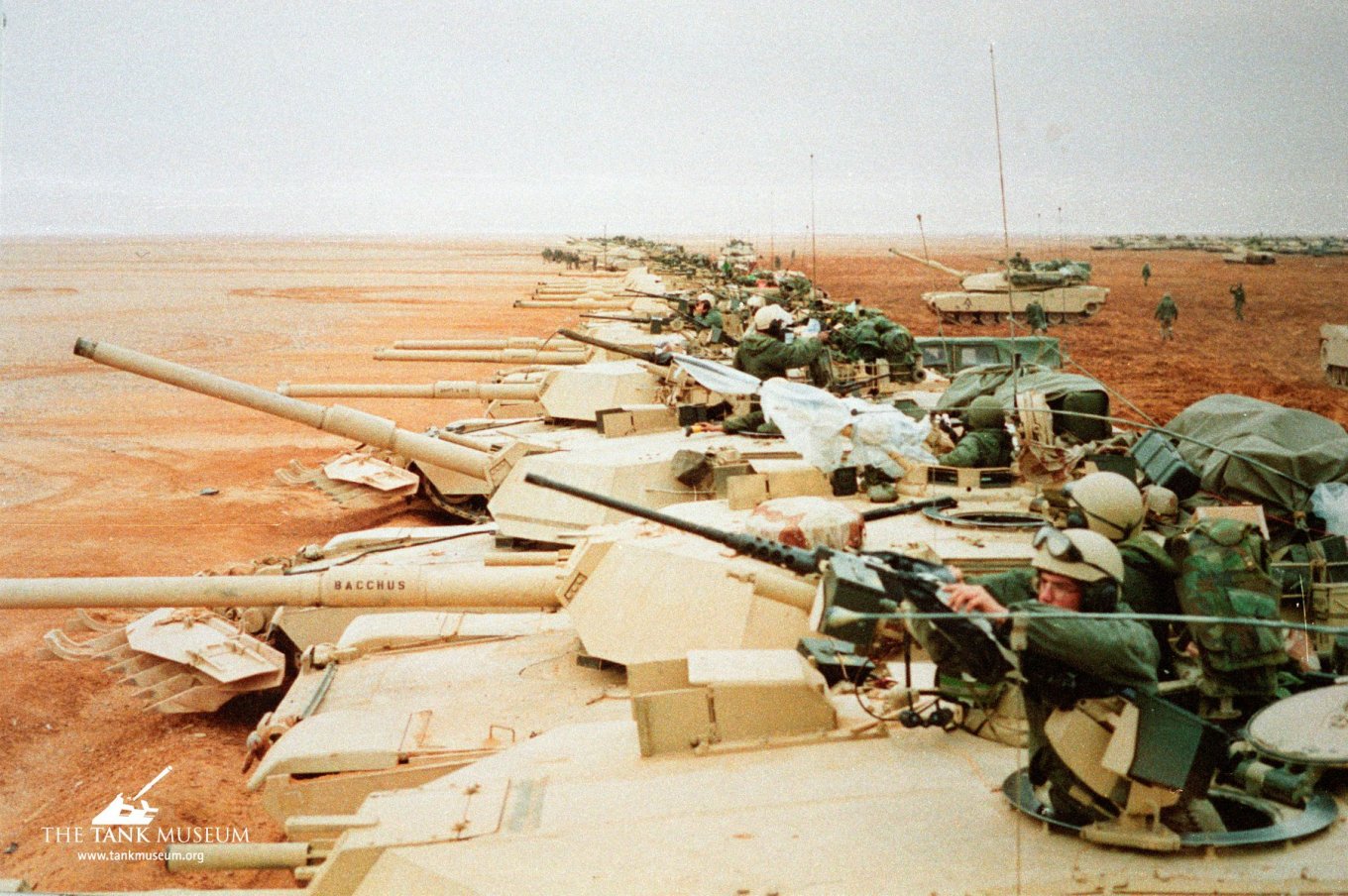
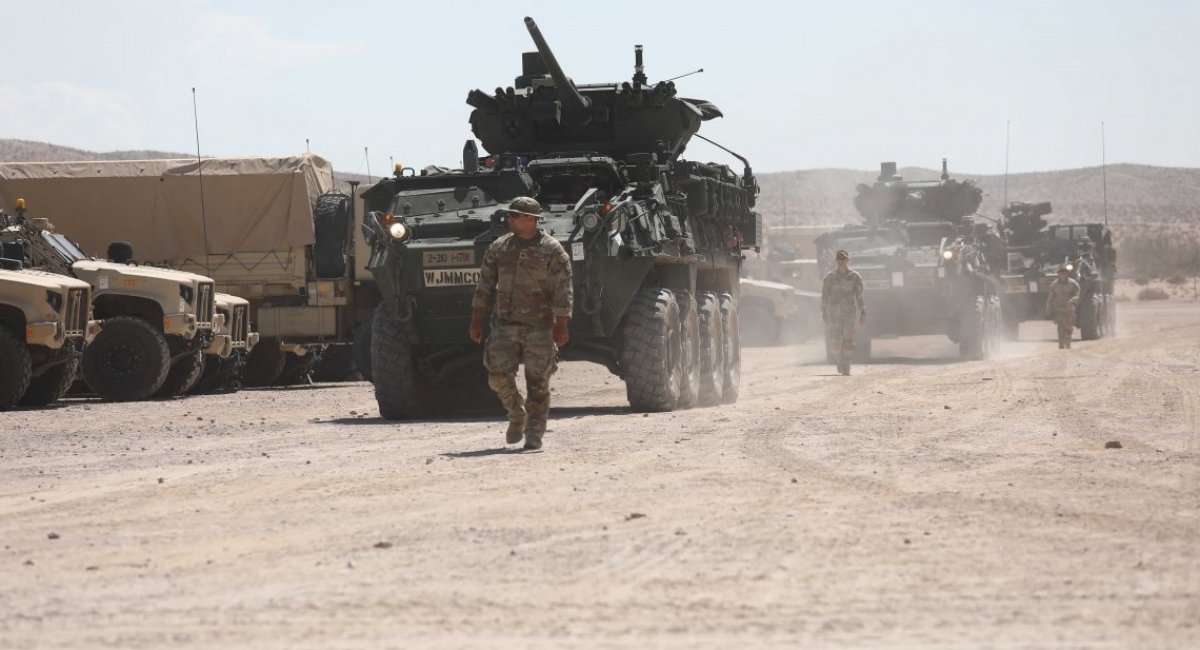
If the U.S. intends to completely repeat Operation Desert Storm in 1991, when Iraq was first bombed for 38 days before the ground operation began, one can start from its indicators regarding necessary forces and time for their concentration. Specifically, the U.S. concentrated 540,000 personnel, to which coalition allies also joined, approximately 1 million people total.
Their concentration began August 7, 1990 within Operation Desert Shield. Main force transfer continued until November, necessary stockpile concentration until January. The ground operation started February 24, 1991. In other words, overall the U.S. assembled forces for approximately 6.5 months, completing it in 4 days.
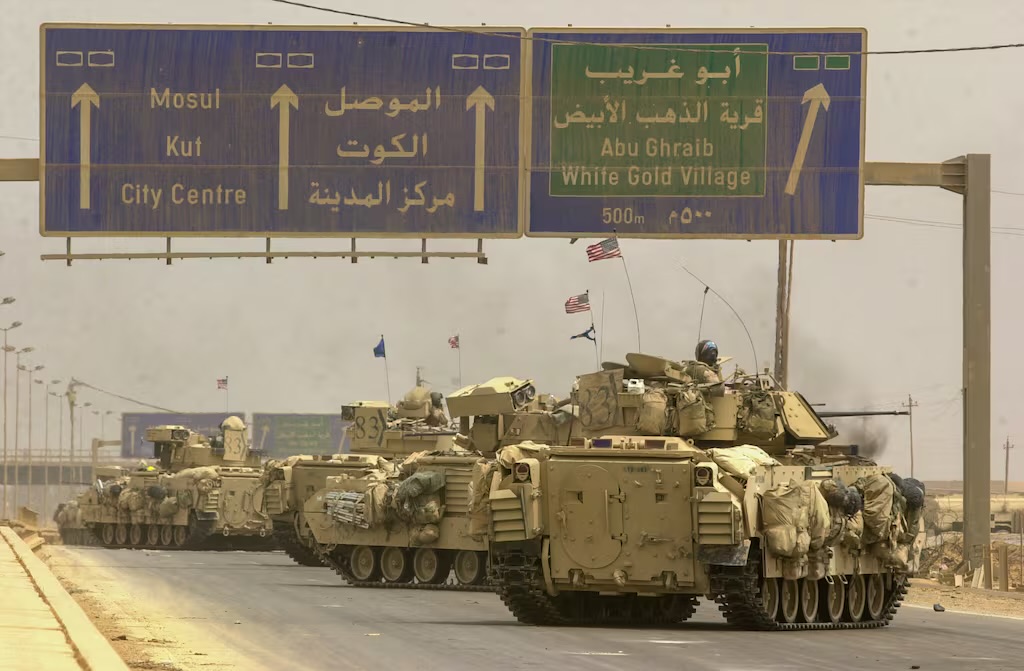
Data regarding U.S. force concentration before the Second Iraq War can also be cited, when the ground component numbered 150,000 American military personnel plus 40,000 allies. The U.S. began deploying main forces in November 2002, with peak force arrival in January 2002 through February 2003. The Second Iraq War began March 20.
Thus, if the U.S. does make a decision to conduct a full ground operation against iran, force concentration will take months. Even in the case of counting on absence of significant resistance, following the 2003 Operation Iraqi Freedom example.
Read more: From Ukraine's Tochka-U Strike on Saratov Landing Ship to U.S. HIMARS Ballistic Missiles Attacks on Iran's Fleet