

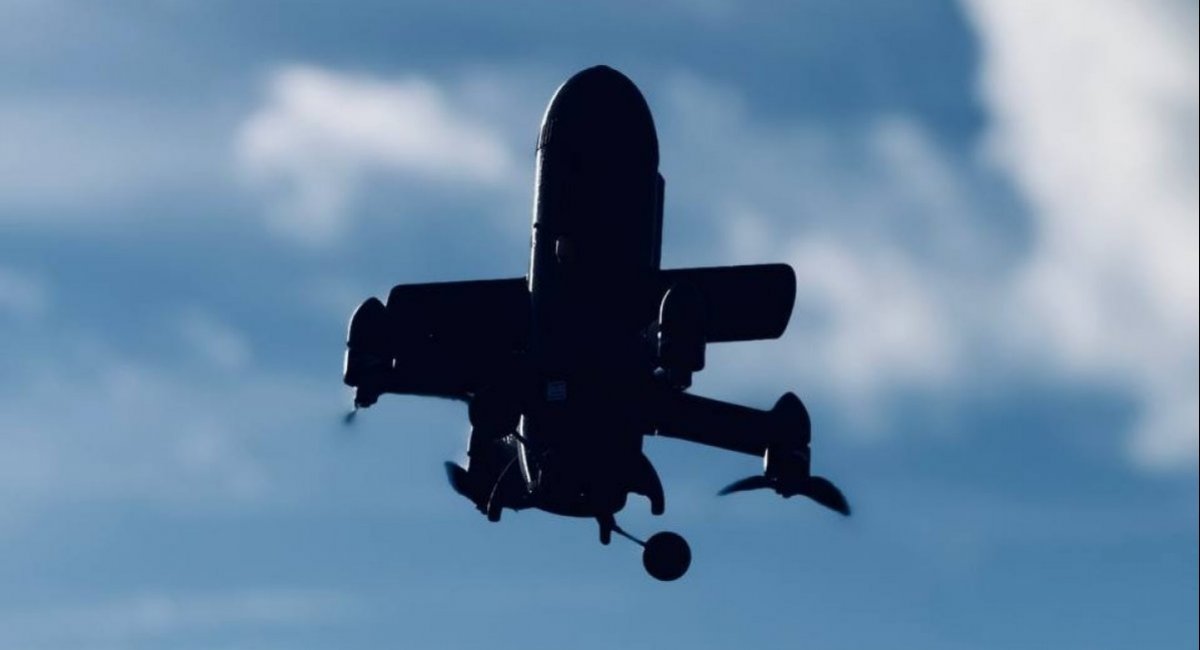
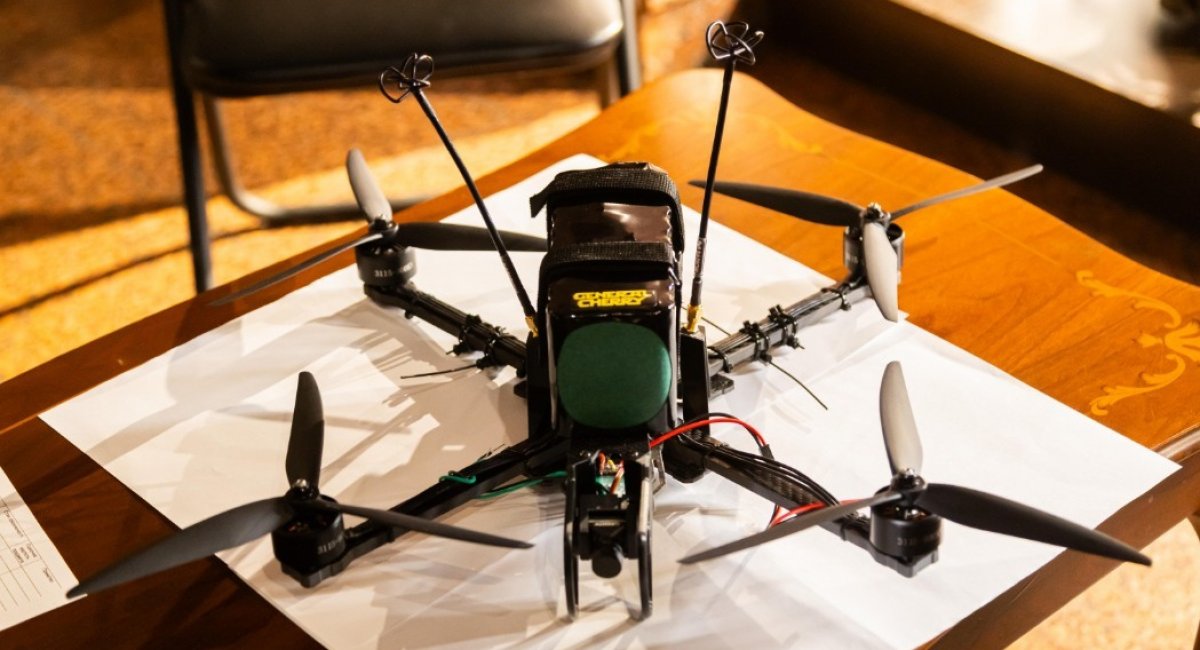
Ukraine was the first in the world to scale up the use of anti-aircraft drones (also called interceptor drones) on the battlefield. These drones have already become a full-fledged and really cheap (the price of anti-aircraft drones is about one or two thousand dollars) means of repelling massive attacks by russian Shahed/Geran UAVs in Ukraine. These drones are one of the components of the only system of systems in the world to combat long-range strike drones that Ukraine was able to build.
Ukrainian anti-aircraft drone shoots down russian drones, including rare "Merlin", autumn 2024
Read more: Ukrainian Wild Hornets Workshop Reveals How Many russian Drones Downed by Sting Interceptors in Five Months
"Ukraine built the new class of weapon globally. It didn’t exist before. Interceptors have extremely high potential, and the main advantage of the interceptors is extremely low price," notes Brave1 CEO Andrii Hrytseniuk in an interview for The War Zone.
In this artical, we will highlight the most interesting things that the head of the Ukrainian defense-technological cluster Brave1 said in the interview.
For the first time, Ukraine began using anti-aircraft drones on the battlefield only two years ago, in 2024 – as of today, according to A. Hrytseniuk, there are already over 150 manufacturers of anti-aircraft drones in Ukraine, which offer interceptors of various types for different regions and conditions.
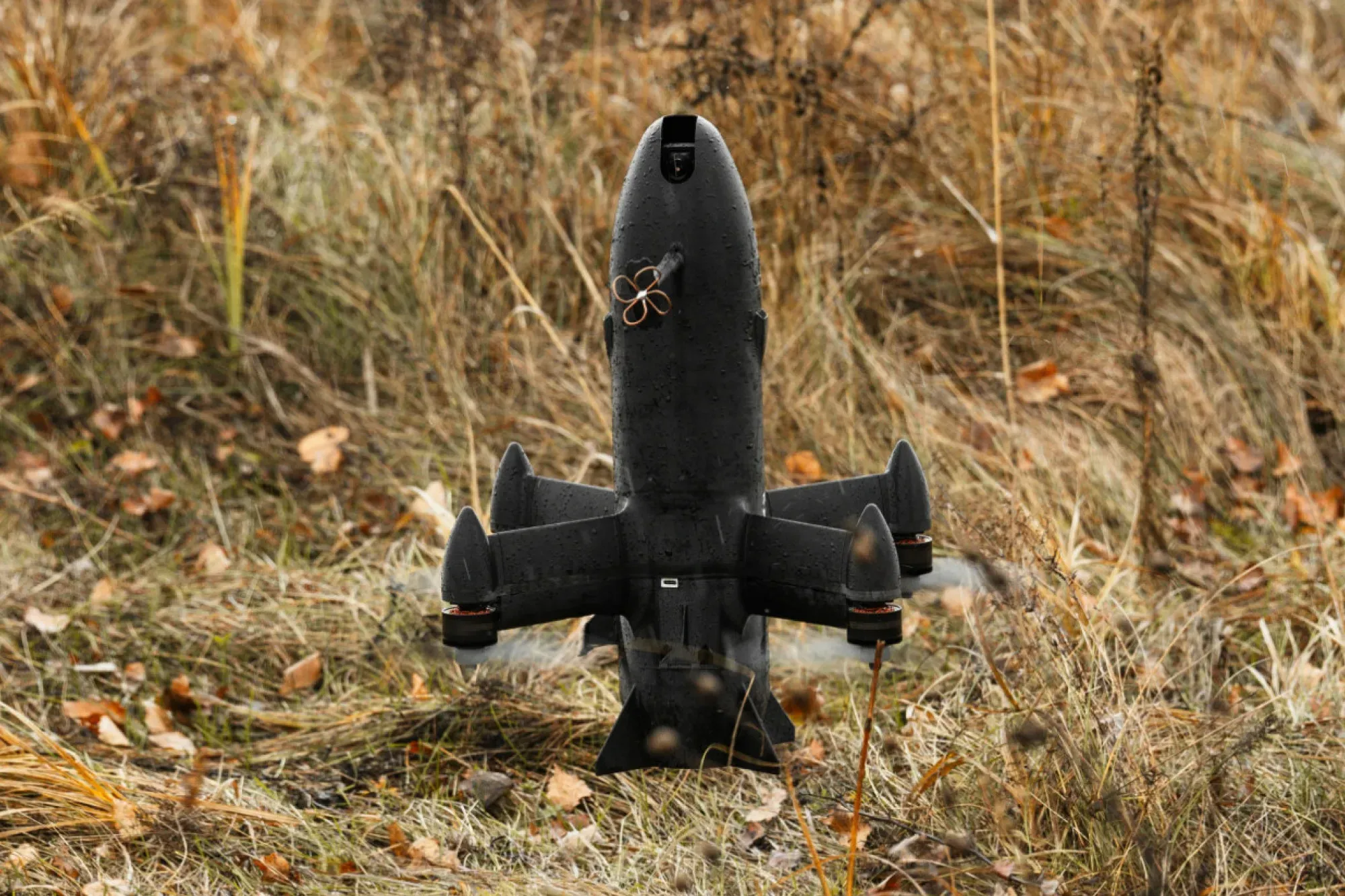
As of today, these companies are able to ensure the production rate of over 2 thousand interceptors per day, and in the case of concluding export agreements, this amount may be higher.
After Ukraine successfully debuted with anti-aircraft drones and scaled this concept, defense companies from around the world began to look at this direction and create their own models, based on Ukrainian experience.
Hrytseniuk emphasizes that, for example, the Merops anti-drone system, which the U.S. hastily deployed in Iran to repel the Shahed attacks, “would never have become such a high-performing system, as it is now,” without the direct input of Ukrainian military and experts.
However, when asked whether Ukraine had learned any lessons from the American experience of combating drones in Iran, the head of Brave1 expressed his subjective opinion that the main conclusion is that you “always need to be ready for the worst case scenario” and “never be sure that you are secure enough and your technologies are perfect, because you don’t know what is in the pocket of your enemy.”
Of the interesting things worth highlighting, Hrytseniuk said that as of today, Ukrainian pilots can control anti-aircraft drones from anywhere in the world. And this is literally true.
“Let’s imagine I’m sending my pilot to the U.S. on a business trip and something happens, and my pilot will be needed to manage interceptors. He will be able to do it from New York or California,” Hrytseniuk said.
That is, a pilot from Ukraine can shoot down an Iranian Shahed attacking one of the Persian Gulf countries, and from the USA – a russian Geran attacking Ukraine.
Such capabilities are most likely provided by the Hornet Vision Ctrl system from the Wild Hornets company, which has already demonstrated in practice the ability to control a Sting interceptor drone at a distance of up to 2,000 km, when the operator was abroad.
Read more: Ukrainian Wild Hornets Workshop Revealed Impressive Effectiveness of Their Sting Interceptors Against Shahed/Gerbera Type UAVs